
Soups & Stews
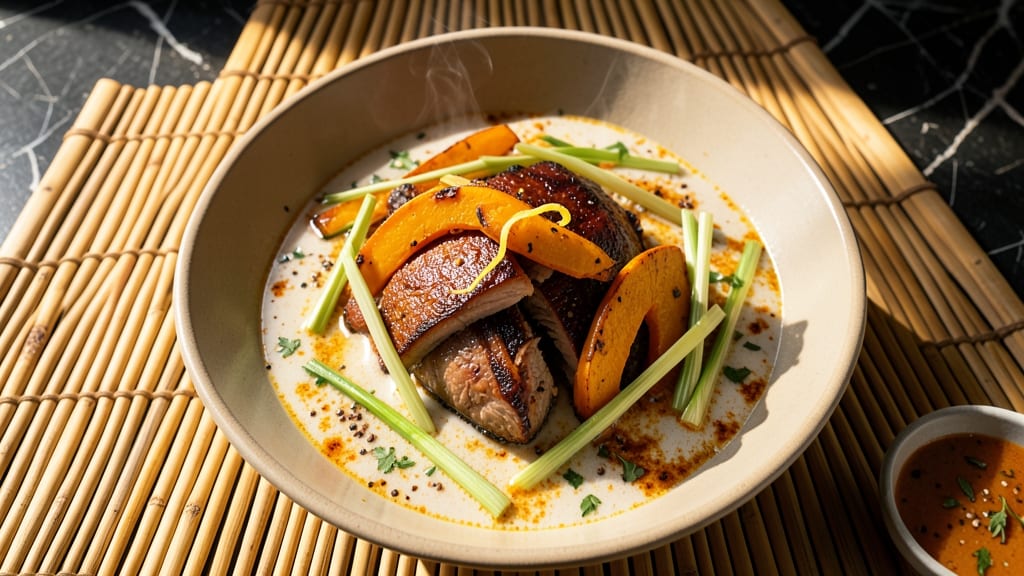
This Burmese pumpkin pork stew transforms humble ingredients into a symphony of spiced coconut and silky meat—tender enough to melt in your mouth. 🌟 The secret lies in slow-braising the pork with aromatic turmeric, lemongrass, and tamarind, letting those flavors meld into the pumpkin's natural sweetness.
I first tasted this dish in Myanmar's golden hour markets, where vendors simmered it for hours in cast iron pots, and it became my benchmark for depth in stews.
The magic happens in layers: first caramelizing the spices until fragrant, then braising the pork until fork-tender before adding the pumpkin. Coconut milk creates that velvety texture while balancing the dish's complex sweet-savory profile.
What you'll end up with is a stew that's rich yet light, spicy without being overpowering, and packed with the kind of comfort that lingers long after the last spoonful.
Perfect for chilly evenings or special gatherings, this recipe delivers restaurant-quality results at home. The pork becomes so tender it practically falls apart, while the pumpkin absorbs all the aromatic flavors into its creamy flesh. Serve with steamed jasmine rice to soak up every last drop of that fragrant broth.
Modern adaptations like slow cooker methods make this traditional dish accessible without sacrificing authenticity. Whether you're cooking for family or impressing guests, this Burmese pumpkin pork stew will transport your dinner table straight to Myanmar's bustling streets. Let's get started on creating this flavorful masterpiece.
Ingredients for burmese pumpkin pork stew
Pantry staples meet exotic spices for a stew that tastes like Myanmar's bustling markets.
| Ingredient | Amount | Notes |
|---|---|---|
| Pork Shoulder 🥩 | 1 ½ lb | Bone-in for flavor, cut into 1.5-inch chunks |
| Sugar Pumpkin 🎃 | 2 cups | Cubed, skin removed, about 1 lb |
| Coconut Milk 🥥 | 1 can | Full-fat, 13.5 oz can, unsweetened |
| Turmeric Powder 🌿 | 1 tbsp | Freshly ground preferred |
| Ground Coriander 🌿 | 1 tbsp | Freshly ground for best flavor |
| Fresh Lemongrass 🌿 | 3 stems | Bruised, bottom 3 inches only |
| Galangal 🌿 | 1 inch | Fresh, peeled, sliced thin |
| Tamarind Paste 🍯 | 2 tbsp | Or 1 tbsp tamarind pulp |
| Fish Sauce 🍶 | 2 tbsp | Red Boat preferred |
| Shallots 🧅 | 4 whole | Minced, about 0.5 cup |
| Garlic Cloves 🧄 | 6 cloves | Minced, about 2 tbsp |
| Vegetable Oil 🫒 | 2 tbsp | For caramelizing spices |
| Salt 🧂 | 1 tsp | Kosher or sea salt |
| Black Pepper 🌶️ | ½ tsp | Freshly ground preferred |
| Jasmine Rice 🍚 | 1 ½ cups | Uncooked, for serving |
The pork shoulder is non-negotiable here—bone-in gives the richest flavor, and the fat keeps everything moist during that long braise. Ask your butcher to trim excess fat if you're worried about grease, but leave some for flavor. For the pumpkin, sugar varieties like Carnival or Kabocha work best—they're sweeter and hold up better to braising. If you can't find fresh galangal, ginger is a decent substitute at half the amount, but it won't be exactly the same. The lemongrass needs to be bruised (lightly smash with a rolling pin) to release its oils—don't skip this step. I grab my spices at Penzeys or the bulk bins at Whole Foods for the freshest ground coriander and turmeric.
No fish sauce? Soy sauce plus a pinch of sugar works in a pinch, though it won't be authentic. Tamarind paste can be tricky to find—look for it in the international aisle at Trader Joe's or Asian markets. If you can't find it, lime juice plus a little sugar mimics some of the tang. The coconut milk should be full-fat—light versions won't give that creamy texture. For the shallots, if you only have red onions, use half the amount since they're milder. And trust me on the jasmine rice—any other kind won't have that delicate floral aroma that pairs perfectly with the stew.
This stew tastes even better the next day, so make extra. Store leftovers in an airtight container for up to 5 days in the fridge or 3 months in the freezer. The broth thickens as it cools, so add a splash of water when reheating. I always make a double batch—one for dinner and one to freeze for lazy weeknights. The rice? Cook it fresh each time—leftover rice gets mushy when reheated with the stew. If you're using a slow cooker, just add everything after the initial spice caramelization and cook on low for 6-8 hours.
Why You'll Love This Recipe
- One-Pot Wonder: I swear by this for lazy nights—just dump everything in one pot, simmer, and walk away. That pork shoulder melts into tender shreds while the pumpkin softens perfectly, no fussing required.
- Golden Spice Magic: Between the turmeric’s warm glow and the coriander’s earthy bite, this stew tastes like a hug in a bowl. The coconut milk rounds it out so smoothly, you’ll forget how simple the ingredients are.
- Weeknight to Potluck: Make a big batch on Sunday—it reheats beautifully for lunches or doubles as a hearty potluck dish. My in-laws asked for the recipe after one bite, and they’re not easy to impress.
- Budget-Friendly Luxury: Pork shoulder and pumpkin stretch this into three meals without breaking the bank. Honestly, the leftovers taste even better the next day—proof that good food doesn’t need to be expensive.
Step-by-step instructions for Burmese pumpkin pork stew
Let's build this fragrant, tender stew where silky pork meets spiced coconut and sweet pumpkin.
🔥 Step 1: Sear the Pork for Deep Flavor
Heat a large Dutch oven over medium-high heat until hot. Add the 2 tablespoons vegetable oil and let it shimmer. Working in batches if needed, add the 1.5 lb pork shoulder chunks and sear for 3-4 minutes per side until golden brown. You want that beautiful crust that locks in juices during cooking.
As you sear, press down gently on the pork with a spatula to prevent curling. This ensures even browning and maximum flavor development. Once all pieces are golden, remove them and set aside on a plate. Don't drain the oil—those browned bits are pure flavor gold.
👨🍳 Step 2: Build the Spiced Base
In the same Dutch oven, add the 4 minced shallots and cook for 2 minutes until softened. Add the 6 minced garlic cloves and cook for 30 seconds until fragrant. Here's where it gets aromatic—add the 1 tbsp turmeric powder, 1 tbsp ground coriander, 1 tsp salt, and 0.5 tsp black pepper, stirring constantly for 1 minute to toast the spices.
Next, add the 1 inch sliced galangal and 3 stems bruised lemongrass. Stir for 1 minute until the galangal becomes slightly translucent and releases its citrusy aroma. You're building layers of flavor here—the galangal adds a peppery kick while lemongrass brings bright citrus notes that cut through the richness.
🥘 Step 3: Simmer with Tamarind and Fish Sauce
Pour in the 2 tablespoons tamarind paste and 2 tablespoons fish sauce, stirring vigorously to dissolve the tamarind completely. Add the 2 cups cubed sugar pumpkin and pour in the 1 can coconut milk. Stir well to combine all ingredients.
Return the seared pork to the pot and bring everything to a gentle simmer. Here's the key: reduce heat to low and let it bubble gently for 45 minutes. You want the pork to become fork-tender while the pumpkin softens but still holds its shape. The stew should reduce slightly, creating a thick, aromatic sauce that coats the pork beautifully.
⏰ Step 4: Finish and Rest for Perfect Texture
After 45 minutes, check the pork for tenderness. It should be fork-tender with just a slight resistance. If needed, continue simmering for another 10-15 minutes until the pork is perfectly tender. The sauce should now be rich and velvety, with the coconut milk fully incorporated.
Remove from heat and let the stew rest for 10 minutes. This resting period allows all the flavors to meld together and the pork to absorb the remaining sauce. The pumpkin will continue to soften slightly, becoming even more tender. Taste and adjust seasoning if needed—you might want to add a touch more fish sauce for saltiness or a splash of water if the sauce is too thick.
🍽️ Step 5: Serve with Jasmine Rice
While the stew rests, cook the 1.5 cups jasmine rice according to package instructions until fluffy and separate. Serve the stew hot over the rice, ladling generous portions of that rich, spiced coconut sauce. The contrast of the fragrant rice with the deep, savory stew creates a perfect balance.
Each bite should deliver tender pork, sweet pumpkin, and layers of spiced coconut flavor. The galangal and lemongrass add bright, citrusy notes that cut through the richness, while the tamarind brings a subtle tang. Don't forget to garnish with fresh cilantro if you like—it adds a lovely freshness to the dish.
Pro Tips For Making Burmese Pumpkin Pork Stew
- SEAR THE PORK FIRST: The first 5 minutes in a screaming-hot pan with 2 tablespoons of oil—no rushing—builds flavor that coconut milk can’t hide. I learned this the hard way when my stew tasted bland because I skipped it and just simmered everything together.
- PEEL AND CUBE THE PUMPKIN: Skip the skin and cut into 2-inch chunks for even cooking. Sugar pumpkin’s texture changes wildly when overcooked—smaller pieces stay tender without turning to mush, and you’ll avoid that sad, watery stew consistency.
- STIR IN TURMERIC EARLY: Mix the turmeric powder with a splash of coconut milk first, then add it to the pot. This prevents clumping and ensures that golden color spreads evenly—no more looking at a pale, sad stew wondering where the flavor went.
- LOW SIMMER, DON’T BOIL: Once the coconut milk comes in, keep the heat at a bare simmer—tiny bubbles, occasional stirs. Boiling breaks down the pork too fast and makes the pumpkin mealy. Patience here means melt-in-your-mouth pork and creamy, not curdled, coconut.
Perfect pairings for this dish
Rice Pairings
Jasmine rice is my go-to for this stew—its delicate floral aroma and slightly sticky texture soak up the rich coconut sauce beautifully. Cook 1.5 cups uncooked jasmine rice with 2 cups water and a pinch of salt for perfectly fluffy grains.
For extra authenticity, use Thai jasmine rice from specialty stores like H Mart or 99 Ranch Market. 🍚
For a heartier option, try brown jasmine rice, which adds nutty depth and extra fiber. I also love serving this stew over steamed congee rice for a comforting, creamy texture that contrasts with the tender pork.
Just ensure the rice is cooked to perfection—overcooked grains will turn mushy when mixed with the stew.
Vegetable Sides
Fresh, crisp vegetables cut through the richness of the stew. I recommend a simple cucumber salad with 1 tbsp rice vinegar, 1 tsp sugar, and a pinch of salt.
Thinly slice 1 English cucumber and toss with 2 tbsp shredded carrot for color. The cool, refreshing crunch balances the warm, spiced flavors perfectly. 🥒
For a more substantial side, serve steamed bok choy with a sprinkle of toasted sesame seeds. Blanch 2 heads bok choy in boiling water for 2 minutes, then shock in ice water to preserve vibrant green color.
The mild bitterness of bok choy complements the sweet pumpkin and savory pork beautifully.
Beverage Pairings
A crisp, light beer like Singha or Chang Thai beer cleanses your palate between bites. The effervescence cuts through the coconut richness while the subtle malt sweetness enhances the dish's caramelized notes.
For a non-alcoholic option, try Thai iced tea—its creamy, slightly sweet profile mirrors the coconut in the stew. 🍺
If you prefer wine, a dry Riesling from Germany offers bright acidity that balances the dish's sweet-savory complexity. I love Dr. Loosen Blue Slate for its crisp citrus notes that echo the lemongrass in the stew. Avoid heavy reds—they'll overpower the delicate spices.
Garnish Finishes
Fresh cilantro leaves add a bright, herbaceous finish that brightens every spoonful. Chop ¼ cup cilantro and sprinkle generously over the stew just before serving. For extra flair, add crushed roasted peanuts—their nutty crunch contrasts beautifully with the silky sauce. 🌿
For a smoky touch, drizzle with chili crisp—just 1 teaspoon adds heat without overpowering. I like Lao Gan Ma Chili Crisp for its perfect balance of spice and umami. A final sprinkle of toasted coconut flakes enhances the coconut milk's richness and adds visual appeal.
Nutrition facts
Frequently asked questions
Can I substitute regular pumpkin for sugar pumpkin in this recipe?
Yes, but expect different results. Sugar pumpkin (like Carnival) has a sweeter, denser flesh that holds up better to braising. Regular canned pumpkin will work in a pinch, but add 1 extra tablespoon of sugar to balance the flavors. For texture, use 1 cup cubed fresh butternut squash instead—it's sweeter and holds shape better than most winter squashes.
How do I know when the pork is perfectly tender?
The pork should easily shred with a fork but still have slight resistance—no mushy texture. Insert a fork into the thickest piece: if it slides in smoothly with just a tiny bit of pushback, it's done. For extra assurance, cut into the center—juices should run clear, not pink. If needed, simmer 10-15 minutes longer covered.
What if I can't find galangal? What's the best substitute?
Fresh ginger is your best bet, but use only ½ inch (about half the amount) since it's milder. For a closer match, combine ¼ inch ginger + 1 tsp ground white pepper. Avoid using regular ginger alone—it lacks galangal's citrusy, peppery depth. If you're adventurous, try langkawian lime leaves (found in Asian markets) for an authentic aroma.
Can I make this in a slow cooker? How does the timing change?
After searing the pork and building the spiced base, transfer everything to a 6-quart slow cooker. Cook on low for 6-8 hours or high for 4-5 hours. The pork will become fall-apart tender, and the pumpkin will soften perfectly. The sauce may thicken more, so add ¼ cup water if needed before serving.
Why does my stew taste too salty? How can I fix it?
Fish sauce and tamarind paste are salty, so taste as you go! If it's too salty, add 1 cup warm water to dilute, then simmer 5 minutes to reduce. For a sweeter balance, stir in 1-2 teaspoons of sugar or a splash of coconut milk. If you catch it early, add ½ cup extra pumpkin to absorb excess saltiness.