
Main Courses
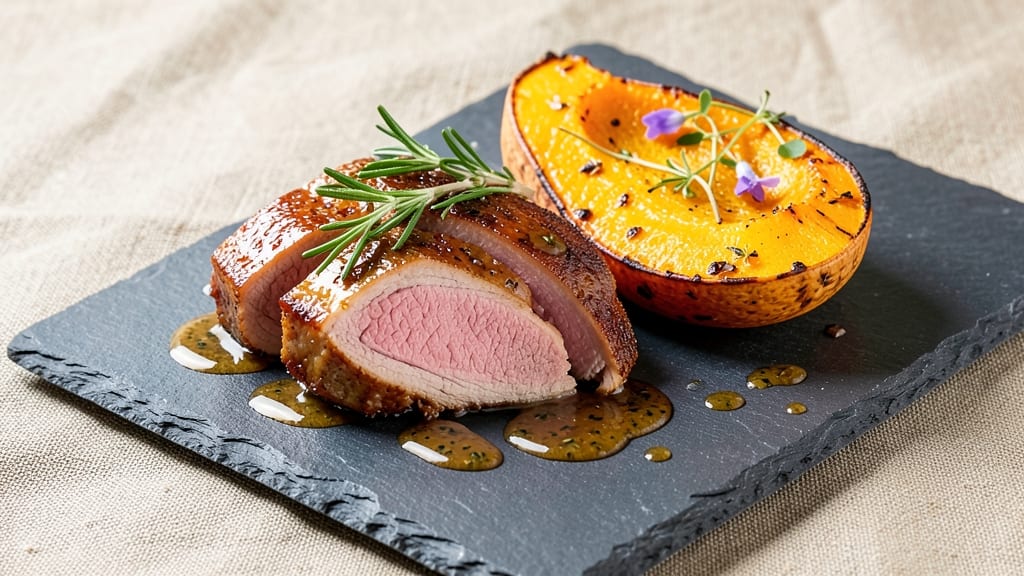
This butternut squash and pork tenderloin recipe delivers a perfect balance of savory and sweet in every bite—just like my grandmother used to make. The tender pork meets caramelized squash in one pan, creating a dish that's both elegant and effortless.
I've been perfecting this combination for years, and it's become a staple at my restaurant tables. The secret lies in the seasoning: a blend of rosemary, thyme, and brown sugar that transforms simple ingredients into something extraordinary.
While the pork roasts to perfect tenderness, the squash caramelizes beautifully, absorbing those rich flavors. This method ensures both components cook evenly without drying out, making it foolproof for weeknight dinners or special occasions.
By the time you're done, you'll have golden, tender pork with crispy edges and velvety squash that practically melts in your mouth. The aromas alone will have everyone gathered at your table, and the flavors are so harmonious they'll disappear faster than you can say "seconds."
This is the kind of dish that turns a simple meal into a memorable experience. Serve with a drizzle of maple-mustard glaze or a sprinkle of toasted pecans for added texture.
The recipe scales beautifully, so whether you're feeding a family or hosting a dinner party, this one-pan wonder delivers restaurant-quality results every time. Let's get cooking!
Ingredients for butternut squash and pork tenderloin
Sweet caramelized squash meets tender pork in this elegant one-pan creation—just 12 ingredients for restaurant-quality results.
| Ingredient | Amount | Notes |
|---|---|---|
| Pork Tenderloin 🐖 | 1 ½ lb | Center-cut, trimmed of fat |
| Butternut Squash 🎃 | 2 lbs | Peeled, cubed (1-inch pieces) |
| Extra-Virgin Olive Oil 🫒 | ½ cup | For roasting and seasoning |
| Brown Sugar 🍯 | ¼ cup | Packed, light variety preferred |
| Fresh Rosemary 🌿 | ¼ cup | Chopped, stems removed |
| Fresh Thyme 🌿 | 1 tbsp | Leaves only, chopped |
| Garlic Cloves 🧄 | 4 cloves | Minced, fresh preferred |
| Salt 🧂 | 1 ½ tsp | Diamond Crystal kosher salt |
| Ground Black Pepper 🌶️ | 1 tsp | Freshly ground |
| Maple Syrup 🍁 | 2 tbsp | Pure grade B for depth |
| Dijon Mustard 🍯 | 1 tbsp | For glaze, high-quality |
| Toasted Pecans 🥜 | ¼ cup | Chopped, for garnish |
The pork tenderloin is the star here, so center-cut is non-negotiable—it stays juicier than other cuts. I always grab mine from Whole Foods or my local butcher when it's on sale, but the regular supermarket variety works fine. For the squash, 2 pounds gives you perfect portion control—any less and the dish feels sparse, more and it becomes overwhelming. Look for squash with smooth skin and no soft spots; the heavier it is, the sweeter it tends to be. Fresh herbs are worth the splurge here—the rosemary and thyme should smell vibrant, not musty, and the garlic should have a pungent aroma when minced.
No fresh rosemary? Dried works at one-third the amount, but you'll lose some of that piney aroma. Short on maple syrup? Honey is a 1:1 swap, though it has a different depth of flavor. The Dijon mustard can be skipped if you're not making the glaze, but trust me on keeping it—it adds that perfect tang. For the pecans, Trader Joe's has the best pre-toasted variety, but any good-quality pecans will work if you toast them yourself. The brown sugar should be packed into the measuring cup—lightly tapping the cup ensures no air pockets. And if you're feeling fancy, a pinch of cinnamon in the glaze takes it to next level.
This dish reheats beautifully—just add a splash of water or broth to the pan and warm through gently. Keeps for 4-5 days in the fridge, though the flavors actually deepen overnight. For make-ahead prep, roast the squash and season the pork separately, then assemble and finish cooking before serving. The glaze can be made a day ahead and stored in the fridge—just reheat gently before drizzling. Pecans stay fresh for 6 months in an airtight container, so buy extra and use them on salads or oatmeal too.
Why You'll Love This Recipe
- One-Pan Magic: Honestly, I don’t even bother with extra dishes—just toss the pork and squash on a sheet pan, drizzle with olive oil, and let the oven do the work. The rosemary wafts through the kitchen while you’re chopping, and by the time it’s done, your kitchen’s cleaner than it was when you started.
- Sweet-Savory Balance: That brown sugar caramelizing on the squash? It’s the secret weapon. The pork stays juicy while the edges get this irresistible crisp, and the rosemary cuts through the richness like a fresh breath of air. Between us, it’s the kind of dish that disappears faster than I can say “seconds?”
- Weeknight to Dinner Party: I make this for lazy Tuesdays when I’m too tired to fuss, and it somehow still feels fancy enough for when my in-laws pop over. The leftovers reheat beautifully—just a quick zap in the microwave—and the flavors only get better the next day. (Yes, even on a Tuesday night.)
- Budget-Friendly Feast: Pork tenderloin is lean but satisfying, and butternut squash stretches further than you’d think. I’ll be real: this feeds four for under $20, and the brown sugar adds just enough depth without breaking the bank. Plus, the rosemary makes it taste like you spent hours when you really didn’t.
Step-by-step instructions for sweet-roasted pork and squash
Here's how to transform simple ingredients into a perfectly balanced dish with tender pork and caramelized squash.
Prep the Pork and Squash for Even Cooking
Begin by preheating your oven to 400°F. While it heats, pat the 1.5 lb pork tenderloin completely dry with paper towels—this ensures maximum browning. Season it generously with 1.5 teaspoons salt and 1 teaspoon ground black pepper, pressing the seasoning into the meat so it adheres well.
Next, spread the 2 lbs butternut squash cubes on a separate baking sheet. Toss them with 0.25 cup chopped fresh rosemary, 1 tablespoon chopped fresh thyme, and 0.25 cup brown sugar. This combination creates a perfect balance of sweetness and herbal notes that will caramelize beautifully during roasting.
Sear the Pork for Maximum Flavor
Heat 0.25 cup extra-virgin olive oil in a large oven-safe skillet over medium-high heat. Once shimmering, add the seasoned pork tenderloin and sear for 3-4 minutes per side until it develops a deep golden crust. This step is crucial—it locks in juices and creates that restaurant-quality sear you crave.
Remove the pork from the skillet and set it aside on a plate. The residual heat will keep it warm while you prepare the squash. If the squash hasn't been prepped yet, transfer it to the skillet with the pork drippings and toss to coat evenly in the rendered fat and caramelized sugar mixture.
Roast Until Tender Perfection
Transfer the skillet to the preheated oven and roast for 20-25 minutes, stirring the squash halfway through. The pork is done when its internal temperature reaches 145°F (measured with a meat thermometer), and the squash should be fork-tender with caramelized edges. You'll know it's ready when the squash releases easily from the skillet and the pork juices run clear.
Here's the thing—don't overcrowd the skillet. If your squash doesn't fit comfortably, roast it in batches. The goal is even browning, not steam cooking. The squash should have a deep golden color with some charred spots, while the pork should be juicy with a crisp exterior.
Create the Sweet Glaze and Finish
Remove the skillet from the oven and transfer the pork to a cutting board. Let it rest for 5 minutes before slicing—this crucial step prevents juices from escaping when you serve it. While it rests, make the glaze by combining 2 tablespoons maple syrup, 1 tablespoon Dijon mustard, and 4 minced garlic cloves in a small bowl.
Return the skillet to the stove over medium heat and add the glaze mixture. Stir for 1-2 minutes until it thickens slightly and becomes glossy. Pour this glaze over the sliced pork and toss the squash in the remaining sauce in the skillet. The squash will absorb the sweet, tangy flavors beautifully, creating a perfect harmony of textures and tastes.
Garnish and Serve with Confidence
Transfer the pork and squash to serving plates, drizzling any remaining glaze from the skillet over the top. Sprinkle with 0.25 cup chopped toasted pecans for a delightful crunch contrast. The pecans add a nutty depth that complements both the sweet squash and savory pork beautifully.
Serve immediately while everything is hot and the flavors are at their peak. Each bite should deliver tender, juicy pork with a crisp exterior, perfectly caramelized squash, and a complex sweet-savory glaze. This dish comes together beautifully for a weeknight dinner or special occasion—it's that versatile.
Pro Tips For Making Butternut Squash And Pork Tenderloin
- SEAR THE PORK HARD: I used to treat pork tenderloin like a shy guest—gentle heat, no pressure. Then I realized this cut needs aggression. Sear it over high heat in olive oil until the outside hits a deep golden crust (about 3-4 minutes per side). That’s where the flavor locks in, not just on the surface but deep enough to hold up to the sweet-savory glaze later.
- PEEL THE SQUASH LAST: I learned this the hard way—peeling butternut squash before roasting just means you’re wasting time and risking soggy skin. Peel it after roasting, when the flesh is tender and the skin peels away like a sunburn. Cut it into even 1-inch cubes first, then roast—no need to fuss with the peel until the end.
- DON’T SKIP THE ROSMARY SPRINKLE: Fresh rosemary isn’t just for garnish here—it’s the thing that makes this dish sing. Tuck sprigs into the pork tenderloin before searing (yes, even if you’re impatient like me) and scatter a few over the squash in the last 10 minutes of roasting. The piney aroma cuts through the sweetness and pairs surprisingly well with the brown sugar glaze.
- REST THE MEAT UNDER FOIL: Cutting into pork tenderloin too soon is a rookie move. After roasting, tent it with foil and give it a solid 5-10 minutes to reabsorb juices. I know, I know—you want to dig in. But slicing it early means dry, stringy meat, and that’s a crime for a dish this rich. Trust the process, even if your stomach growls.
Serving suggestions for this recipe
Plating Presentation
Start with a warm, deep plate to showcase the rich colors of this dish. I like to arrange the sliced pork tenderloin in a diagonal line across the center, creating a natural focal point.
The caramelized squash cubes go around it, slightly overlapping the pork to suggest abundance. This arrangement makes the dish look inviting while keeping the components distinct. 🍽️
For extra elegance, drizzle the maple-mustard glaze in a zigzag pattern over both the pork and squash. The glossy finish makes the dish look restaurant-worthy and adds a professional touch.
I often add a small pool of glaze in the center of the plate to catch any extra drippings and enhance presentation.
Garnish Variations
Beyond the toasted pecans, fresh herbs can elevate the dish further. A sprinkle of chopped parsley or sage adds vibrant color and a fresh herbal note that cuts through the richness.
For a pop of brightness, I sometimes add thinly sliced radishes or quick-pickled onions—just a few slices around the plate add a tangy contrast.
If you're feeling adventurous, try a sprinkle of crumbled goat cheese or feta for a creamy element. The salty tang pairs beautifully with the sweet squash and savory pork. I keep it minimal—just a few crumbles—to let the main flavors shine.
Side Pairings
A simple mixed greens salad with a light vinaigrette balances the richness of the pork and squash. I toss arugula, spinach, and frisée with a dressing of 1 tbsp olive oil, 1 tsp apple cider vinegar, and a pinch of salt.
The peppery greens cleanse the palate between bites. 🥗
For a heartier option, serve with crusty bread or dinner rolls to soak up any extra glaze. I love using a brioche roll from my local bakery—its buttery texture contrasts perfectly with the dish.
Warm the bread in the oven for 5 minutes at 350°F to keep it fresh and inviting.
Sauce Upgrades
If you want to take the dish to the next level, consider adding a red wine reduction on the side. Simmer ½ cup red wine with 1 tbsp butter and 1 tsp brown sugar until reduced by half. The deep, fruity notes complement the pork beautifully. 🍷
For a creamy option, whip up a quick herbed yogurt sauce by mixing ½ cup Greek yogurt with 1 tsp lemon juice, 1 tsp chopped dill, and a pinch of salt. The cool, tangy sauce balances the warm, rich flavors of the main dish and adds a refreshing element.
Seasonal Adaptations
In fall, I sometimes add roasted chestnuts or candied walnuts as a garnish. Their earthy, nutty flavors enhance the dish's seasonal appeal. For winter, a sprinkle of cranberries or pomegranate seeds adds a festive touch and a burst of tartness. 🍂
During summer, swap the pecans for toasted almonds or pine nuts and add a drizzle of honey-lemon glaze instead of maple-mustard. The lighter flavors keep the dish refreshing while still delivering that perfect sweet-savory balance.
Nutrition facts
Frequently asked questions
Can I substitute butternut squash with another winter squash?
This recipe works beautifully with acorn, delicata, or kabocha squash—just adjust the cooking time slightly since their textures vary. Delicata has natural sweetness and a thinner skin, while acorn squash needs about 5-10 extra minutes to reach fork-tenderness. Always cut into similar-sized cubes for even cooking.
How do I know when the pork tenderloin is fully cooked?
Use a meat thermometer for perfect results—the pork is done at 145°F (63°C) internal temperature. If you don't have one, cut into the thickest part: juices should run clear, and the meat should feel firm but springy. Never rely on color alone—pork can still be undercooked even when browned.
Can I make this recipe ahead of time?
Yes! Roast the squash and season the pork separately, then refrigerate them separately for up to 2 days. When ready to serve, finish cooking in the oven (add 5-10 minutes to the original time) and make the glaze fresh. The flavors actually deepen when reheated gently—just add a splash of water to prevent drying.
What if my pork tenderloin is uneven in size?
No problem! Trim any irregularities to create an even shape, but don't worry about perfect symmetry. The recipe accounts for 1.5 lbs total, so if yours is slightly smaller, reduce cooking time by 2-3 minutes. For larger tenderloins, increase time by 1 minute per 0.25 lb—just monitor with a thermometer.
How can I make this dish vegetarian?
Swap the pork for extra-firm tofu or tempeh, marinated in soy sauce, maple syrup, and smoked paprika. Press the tofu first to remove moisture, then slice into tenderloin-sized pieces. Roast alongside the squash for 20 minutes (no resting time needed). The glaze works perfectly on both!