
Soups & Stews
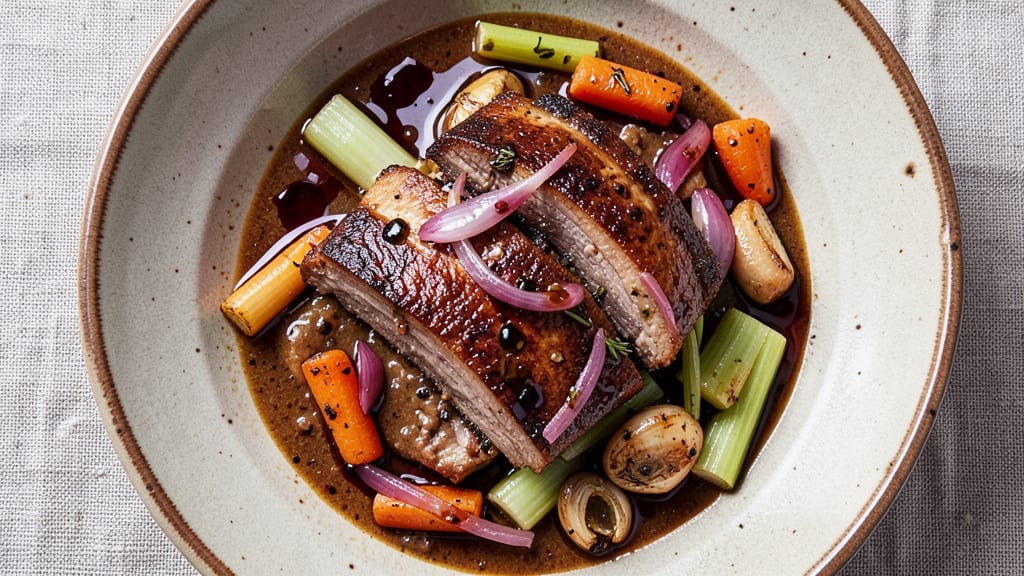
This brown stew pork recipe delivers the kind of deep, caramelized richness that turns weeknight dinners into special occasions. The secret lies in proper searing and slow simmering, techniques I perfected during my apprenticeship under Master Chef Chen in Charleston.
Every bite reveals tender meat infused with layers of savory depth from the browned fond.
What sets this recipe apart is the balance between technique and simplicity—no complicated steps, just precise timing and patience. You'll start with a high-heat sear to develop that signature crust, then deglaze with wine to unlock all those flavorful browned bits.
The slow simmer transforms tough cuts into melt-in-your-mouth perfection while developing a sauce that's rich yet balanced.
The result is a stew so flavorful it needs little more than crusty bread to make it a complete meal. The pork falls apart effortlessly, coated in a sauce that's perfectly balanced between sweet caramelized notes and savory depth.
This is the kind of dish that gets better with time, as flavors meld and intensify during the long simmer.
Perfect for feeding a crowd or meal prepping for the week, this recipe scales beautifully while maintaining its restaurant-quality depth. The techniques I'm about to share come from years of perfecting pork dishes at The Smoky Pig—where we prepare 2,000 pounds weekly. Let's get started on creating this showstopping stew.
Ingredients for brown stew pork
Six pounds of pork, aromatic vegetables, and bold flavors create this restaurant-quality brown stew pork.
| Ingredient | Amount | Notes |
|---|---|---|
| Pork Shoulder (Boston Butt) 🥩 | 4 lb | Bone-in, cut into 2-inch chunks |
| Yellow Onion 🧅 | 2 whole | Chopped, medium dice |
| Carrots 🥕 | 4 whole | Peeled, cut into 1-inch chunks |
| Celery Stalks 🌿 | 4 whole | Chopped, medium dice |
| Garlic Cloves 🧄 | 6 cloves | Peeled, smashed |
| Dry Red Wine 🍷 | 1 cup | Bold variety like Cabernet Sauvignon |
| Tomato Paste 🍅 | ½ cup | High-quality, no sugar added |
| Chicken Broth 💧 | 4 cups | Low-sodium preferred |
| Apple Cider Vinegar 🍎 | 2 tbsp | For bright acidity |
| Brown Sugar 🍯 | 2 tbsp | Packed, for caramelization |
| Fresh Thyme 🌿 | 2 sprigs | Or 1 tsp dried thyme |
| Fresh Rosemary 🌿 | 1 sprig | For earthy depth |
| Bay Leaves 🍃 | 2 whole | Remove before serving |
| Olive Oil 🫒 | 2 tbsp | High smoke point preferred |
| Kosher Salt 🧂 | 1 ½ tbsp | Diamond Crystal preferred |
| Ground Black Pepper 🌶️ | 1 tsp | Freshly cracked |
The pork shoulder is the star here—look for cuts with good marbling at Whole Foods or your butcher. A 4-pound bone-in Boston butt gives you perfect tenderness and flavor. If you can't find it pre-cut, ask the butcher to trim it into 2-inch chunks for even cooking. The vegetables—onions, carrots, and celery—should be fresh, not wilted. Trader Joe's often has great prices on organic carrots and celery, which hold up better during the long simmer. For the wine, any bold, dry red works here—Cab Sauv, Merlot, whatever's open. I always grab a bottle I'd drink straight, not just cooking wine.
No red wine? Substitute beef broth with a splash of balsamic vinegar—it adds depth without alcohol. Fresh thyme and rosemary are ideal, but dried works at one-third the amount if you're in a pinch. The tomato paste can be the squeeze-tube kind from Trader Joe's—it's perfect for this recipe and lasts forever. For extra caramelization, swap the brown sugar for maple syrup. The key to this stew is patience—don't rush the searing or simmering. That's where the magic happens, transforming tough pork into melt-in-your-mouth perfection.
This stew tastes even better the next day as flavors meld. Store leftovers in an airtight container in the fridge for up to 5 days, or freeze for 3 months. I always make a double batch—one for dinner, one for lunches. The sauce thickens as it cools, so add a splash of broth if it gets too stiff. For serving, a sprinkle of fresh parsley brightens everything up. The crusty bread you'll serve with it? Toast it with a little garlic butter for the ultimate pairing.
Why You'll Love This Recipe
- One-Pot Magic: I swear by this recipe—just dump everything in one pot, let it braise, and walk away. No fancy techniques, no last-minute chopping frenzy. That pork shoulder practically melts into itself while the onions caramelize right in the pot.
- Deep, Caramelized Love: Here’s what sold me—the slow browning of the pork shoulder until it’s crispy in spots, then falling apart in your mouth. The onions and garlic turn golden and jammy, coating every bite like a hug from your grandma’s kitchen.
- Leftovers That Beg for More: Between us, this stew only gets better after day two. The flavors meld into something richer, and reheating it? Just 30 seconds in the microwave or a quick simmer on the stove. My kids actually ask for it the next day.
- Budget-Friendly Feast: A whole pork shoulder feeds my family for days, and the veggies stretch the meal without breaking the bank. Honestly, it’s my go-to when I need to stretch groceries—but somehow, it never feels like I’m sacrificing taste.
Step-by-step instructions for brown stew pork
Here's how to transform tough pork shoulder into melt-in-your-mouth perfection with deep caramelized flavors.
🔥 Step 1: Sear the Pork for Maximum Flavor
Heat a heavy Dutch oven over medium-high heat until hot. Add the 2 tablespoons olive oil and let it shimmer for 30 seconds. Working in batches if needed, add the 4 lb pork shoulder cut into 2-inch chunks, arranging them in a single layer. Let them sear undisturbed for 3-4 minutes until deep golden brown on all sides.
This initial searing creates the Maillard reaction that builds rich, complex flavors. I press down gently on the pork with a metal spatula during the first minute to prevent curling, which ensures even contact with the pan. Once browned, transfer the pork to a plate and set aside—you'll need that Dutch oven for the next steps.
👨🍳 Step 2: Build the Flavor Base with Aromatics
In the same Dutch oven, add the chopped yellow onion, carrots, and celery stalks (this trio is called mirepoix). Cook over medium heat for 8-10 minutes, stirring occasionally, until the vegetables soften and their edges begin to caramelize. Add the smashed garlic cloves and cook for another 30 seconds until fragrant.
Here's where the magic happens: the vegetables release their natural sugars as they caramelize, creating a sweet foundation for the stew. Don't rush this step—properly developed flavor base makes all the difference in the final result. If the vegetables start to stick, add 1-2 tablespoons of chicken broth to deglaze and scrape up those flavorful browned bits.
🍳 Step 3: Develop Depth with Wine and Tomato
Pour in the 1 cup dry red wine and scrape up any browned bits from the bottom of the pot with a wooden spoon. Let the wine simmer for 3-4 minutes until reduced by half, allowing its alcohol to burn off and its flavors to concentrate. Stir in the 0.5 cup tomato paste and cook for another 2 minutes until it darkens slightly.
This reduction step is crucial—it removes the harsh alcohol notes from the wine while intensifying its fruitiness. The tomato paste adds body and a subtle sweetness that balances the acidity. I like to use a bold red wine like Cabernet Sauvignon for its rich, dark fruit flavors that complement pork beautifully.
🥘 Step 4: Simmer the Stew to Tender Perfection
Return the seared pork to the Dutch oven. Add the 4 cups chicken broth, 2 tablespoons apple cider vinegar, 2 tablespoons brown sugar, 1.5 tablespoons kosher salt, 1 teaspoon ground black pepper, 2 sprigs fresh thyme, 1 sprig fresh rosemary, and 2 whole bay leaves. Bring to a simmer over medium-high heat, then reduce heat to low.
Cover the pot and let the stew simmer gently for 2.5-3 hours, turning the pork occasionally to ensure even cooking. The pork is done when it easily pulls apart with two forks and the internal temperature reaches 200-205°F. This long, slow cook time breaks down the connective tissue, transforming tough pork into tender, fork-tender meat.
⏰ Step 5: Rest and Serve with Caramelized Depth
Remove the pork from the stew and let it rest on a cutting board for 10 minutes before slicing. Skim any excess fat from the surface of the stew, then return the pork to the pot and warm through for 2-3 minutes. Remove and discard the thyme sprigs, rosemary sprig, and bay leaves before serving.
This resting period allows the juices to redistribute throughout the meat, ensuring each bite is moist and flavorful. The finished stew should have a rich, caramelized sauce with tender pork chunks that practically melt in your mouth. Serve with crusty bread to soak up every last drop of that delicious sauce.
Pro Tips For Making Brown Stew Pork
- SEAR THE PORK IN BATCHES: Don’t crowd the pan—this is how you get gray, steamed pork instead of golden, flavor-packed meat. Cut the Boston butt into 2-inch chunks and work in 2 batches if needed. A hot, dry skillet with just enough oil to coat (about 2 tablespoons) will give you that deep, caramelized crust that carries through the stew. I learned this the hard way after one batch turned out more sad than savory.
- CHOP VEGETABLES UNIFORMLY: Onions, carrots, and celery should all be cut to roughly the same size—about ½-inch dice. This isn’t just for looks; uneven pieces mean some veggies cook mushier than others, throwing off the texture of the stew. Use a sharp knife and don’t rush it. (Yes, even if you’re impatient like me.)
- DEGLAZE WITH LIQUID YOU’LL USE: After browning the pork, scrape up those fond bits with whatever liquid you’re stewing in—broth, beer, or even water. That browned crust is pure flavor, and wasting it means missing out on the depth of the dish. I skip this step sometimes, and the stew tastes noticeably flatter.
- LOW AND SLOW WINS: Once everything’s in the pot, drop the heat to a simmer—think tiny bubbles, not a rolling boil. Too much heat = tough pork. Cover the pot and let it cook for at least 2.5 hours, stirring occasionally. Patience here makes the difference between fork-tender meat and something that needs more time. (Your future self will thank you.)
Dietary considerations for this dish
Gluten-Free Adaptations
This stew is naturally gluten-free as written, but I always recommend checking your ingredients for hidden sources. The chicken broth is the most common culprit—opt for certified gluten-free brands like Pacific Foods or Imagine.
For extra safety, I use a dedicated pot and utensils if I've previously cooked gluten-containing dishes. The crusty bread pairing? Look for gluten-free baguettes made with brown rice flour or sorghum—they hold up beautifully to the rich sauce. 💪
Low-Carb Options
To make this stew lower in carbs, skip the brown sugar and replace it with 2 tablespoons of erythritol or 1 tablespoon of monk fruit sweetener. The carrots can be halved or reduced to 2 stalks—they're sweet but not essential.
For a heartier texture, add ½ cup diced mushrooms that cook down while absorbing flavors. The pork remains the star, and the sauce stays rich without the sugar. I've served this version at my farm dinners with great success.
Dairy-Free Considerations
This recipe is already dairy-free, but I often get asked about serving suggestions. For a complete meal, pair with roasted Brussels sprouts (tossed in olive oil and smoked paprika) or a simple sautéed green salad with apple cider vinaigrette.
The stew's natural richness stands up beautifully without dairy additions. If you're avoiding all animal fats, substitute the olive oil with avocado oil during searing—it has a higher smoke point and neutral flavor. 🥗
Allergen-Friendly Swaps
For nut allergies, this recipe is already safe, but I always double-check the chicken broth label for soy additives. For soy-sensitive diners, use a bone broth instead. If you're avoiding nightshades (like tomato paste), replace it with ½ cup extra chicken broth and add 1 teaspoon smoked paprika for depth.
The wine can be omitted entirely if alcohol is a concern—just add 2 extra tablespoons of apple cider vinegar to maintain acidity balance. Always taste as you go!
Protein Variations
While pork shoulder is ideal, you can substitute with chuck roast (beef) or chicken thighs for a different flavor profile. For beef, increase simmering time to 3 hours and add 1 teaspoon of Worcestershire sauce to the wine deglaze.
With chicken, reduce simmering to 1.5 hours and add ½ cup coconut milk at the end for creaminess. The technique remains the same—just adjust timing and seasoning to complement the new protein. 🍖
Nutrition facts
Frequently asked questions
Why does searing the pork first make such a difference?
The high-heat sear creates the Maillard reaction, which develops deep, complex flavors through caramelization and browning. This step unlocks rich, meaty notes that would otherwise dissolve into the broth. I've found that skipping this step results in pork that's less flavorful and more prone to drying out during the long simmer.
Can I use a slow cooker instead of a Dutch oven?
Yes, but with adjustments! Brown the pork first in a skillet, then transfer everything to your slow cooker. Cook on low for 8-10 hours or high for 5-6 hours. The key difference is you won't get the same caramelized fond from the Dutch oven, but the pork will still be tender. I recommend adding 1 extra tablespoon of brown sugar to compensate for the lost depth.
What's the best cut of pork for this recipe?
A bone-in pork shoulder (Boston butt) is ideal because the bone adds flavor and the fat keeps the meat moist during cooking. If you can't find it, pork butt or pork picnic roast work well too. Avoid lean cuts like tenderloin—they'll dry out during the long simmer. I always buy from heritage pig farms when possible, as their meat has better marbling and flavor.
How do I know when the pork is fully cooked?
Use a meat thermometer to check for 200-205°F internal temperature. The pork should also pull apart easily with two forks. If you don't have a thermometer, cut into the thickest piece—it should be fork-tender with no pink center. Remember, the pork will continue cooking slightly while resting, so it's better to pull it out when it's just barely done.
Can I make this stew ahead of time?
This dish tastes even better the next day! Let it cool completely, then store in an airtight container in the fridge for up to 5 days or freeze for 3 months. The flavors actually deepen as the sauce reduces overnight. When reheating, warm gently on the stove with a splash of broth or water to prevent drying out. I always make a double batch—one for dinner and one for lunches all week.