
Main Courses
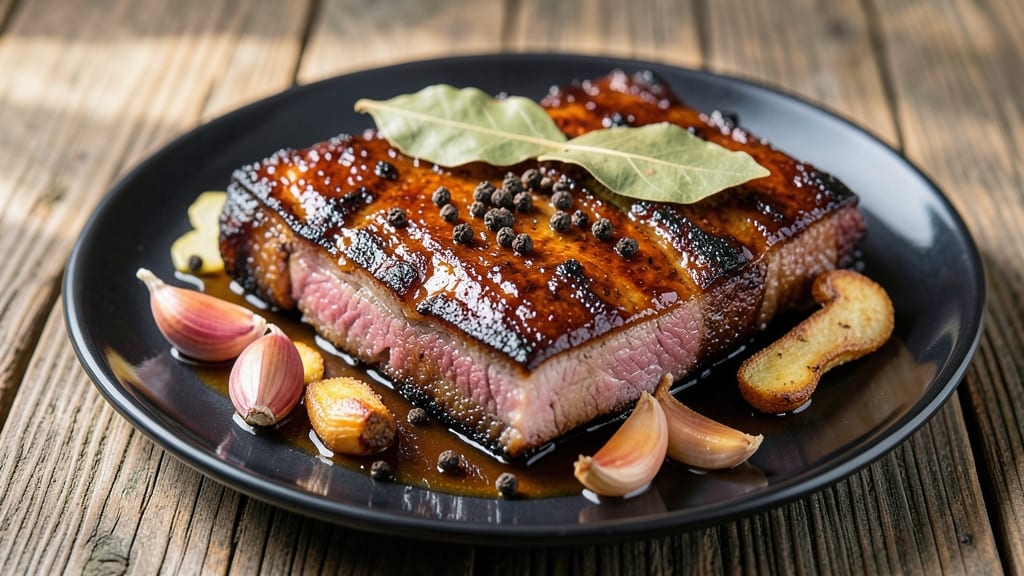
A brine recipe for smoked pork ribs transforms tough cuts into melt-in-your-mouth tenderness—fall-off-the-bone results that take just 24 hours of careful preparation. This brine recipe unlocks deep flavor and moisture by breaking down connective tissue while infusing every layer with aromatic spices and salt.
The secret lies in balancing salt, sugar, and aromatics to create a solution that tenderizes without overwhelming the meat's natural character.
What sets this method apart is the wet brine technique, where ribs soak in a flavorful liquid mixture that penetrates deeply. Unlike dry rubs, this approach ensures even moisture distribution and a clean, flavorful bark when smoked.
The process requires minimal effort—just combine ingredients, submerge the ribs, and let time do the work while you prepare your smoker.
By the time your ribs hit the smoker, they'll be primed for restaurant-quality results: tender, juicy meat with a crisp bark that traps all the smoky goodness. The brine's sugar content also aids in bark formation, creating that coveted crust that holds up to hours of low-and-slow cooking.
This isn't just about tenderness—it's about transforming a simple pork rib into a showstopping centerpiece.
The beauty of this method extends beyond the table—leftovers reheat beautifully, maintaining that perfect balance of moisture and flavor. Whether you're feeding a crowd or treating yourself to a weekend project, these brined ribs deliver results that make every bite worth the wait.
Let's get started on creating your most tender smoked ribs yet.
Ingredients for brine recipe for smoked pork ribs
Transform tough pork ribs into melt-in-your-mouth perfection with this carefully balanced brine solution.
| Ingredient | Amount | Notes |
|---|---|---|
| Pork Ribs (Baby Back or St. Louis Style) 🍖 | 4 lb | Bone-in, meaty cuts preferred |
| Kosher Salt 🧂 | 1 ½ cups | Diamond Crystal preferred |
| Brown Sugar 🍯 | 1 cup | Light or dark, packed |
| Granulated Sugar 🍯 | ½ cup | For balanced sweetness |
| Black Peppercorns 🌶️ | 1 tbsp | Freshly cracked preferred |
| Fresh Garlic Cloves 🧄 | 8 cloves | Peeled, smashed slightly |
| Fresh Ginger (Knob) 🌿 | 2 oz | Peeled, thinly sliced |
| Yellow Onion 🧅 | 1 whole | Quartered, skin on |
| Apple Cider Vinegar 🍎 | ¼ cup | For acid balance |
| Fresh Bay Leaves 🌿 | 2 whole | For aromatic depth |
| Mustard Seeds (Yellow) 🌶️ | 1 tsp | Whole seeds preferred |
| Water 💧 | 4 cups | Filtered preferred |
The ribs are the foundation—baby back or St. Louis style both work, but avoid spare ribs for this method. Costco and local butchers often carry high-quality cuts with good marbling. Look for ribs with a thick fat cap, as this renders during smoking for extra moisture. If using frozen ribs, thaw them in the fridge for 24 hours before brining. The kosher salt is non-negotiable here—Diamond Crystal dissolves more completely than Morton's, creating a more effective brine. I always buy mine in bulk from Penzeys for consistent quality.
No fresh ginger? Substitute 1 tbsp ground ginger, but the texture and depth won't be identical. The mustard seeds can be omitted entirely if unavailable, though they add subtle complexity. For the sugars, turbinado sugar works beautifully if you want a more pronounced caramel flavor. The vinegar is crucial—apple cider vinegar adds fruity notes, but white vinegar in a pinch will work. If you're brining a larger batch (like 10 lbs), simply double all ingredients except the spices and aromatics, which can be increased proportionally. The bay leaves and onion add incredible depth without overpowering the pork's natural flavor.
This brine keeps 3 days in the refrigerator once mixed, though it's best used immediately. Store it in an airtight container with the lid slightly ajar to prevent pressure buildup. The ribs should soak 18-24 hours at refrigerator temperature for optimal tenderness. After brining, pat the ribs thoroughly dry before smoking—this step is critical for developing that coveted bark. Any leftover brine can be reduced by half on the stove and used as a glaze for the final hour of smoking, creating an irresistible sticky crust.
Why You'll Love This Recipe
- I’ll be real: I always make extra. The ribs stay juicy for days, and the flavor only deepens. Wrap them in foil, reheat with a splash of apple juice, and suddenly you’ve got a "restaurant-quality" meal. (Spoiler: It’s not a lie.)
- Five-Ingredient Magic: I swear by this brine—just salt, sugar, and peppercorns. No fancy herbs, no stress. The ribs soak up that sweet-savory punch while I prep the smoker, and honestly? That’s all it takes.
- Smoke-Ready in Hours: Between us, I’ve tried dry-rubbing ribs for hours with less payoff. This brine? The sugar caramelizes on the smoke, giving you that sticky, fall-off-the-bone texture without babysitting the grill. Set it, forget it.
- Tailgate to Tuesday: Between us, I’ve taken these ribs to summer BBQs, lazy Sundays, and even a 9 PM "I’m starving" night. The brine works for baby backs and St. Louis—no need to switch recipes. (Yes, even on a Tuesday night.)
Step-by-step instructions for brining smoked pork ribs
This brine transforms tough ribs into melt-in-your-mouth perfection before they even hit the smoker.
Prepare the Brine Solution
In a large non-reactive container (I use a food-safe plastic bin), combine the 4 cups water, 1.5 cups kosher salt, 1 cup brown sugar, 0.5 cup granulated sugar, 1 tbsp black peppercorns, 8 cloves fresh garlic, 2 oz fresh ginger, 1 whole yellow onion, 0.25 cup apple cider vinegar, 2 whole bay leaves, and 1 tsp mustard seeds. The salt and sugars should dissolve completely, creating a syrupy liquid.
Stir vigorously for 2 minutes until all ingredients are fully incorporated. The mixture should be uniform with no visible salt or sugar crystals. This balance of salt, sugar, and aromatics creates an ideal environment for maximum moisture retention and flavor penetration. The vinegar and mustard seeds add subtle acidity that tenderizes the meat at a cellular level.
Submerge the Ribs Completely
Place the 4 lb pork ribs in the brine solution, ensuring they are completely submerged. Use a weight (like a plate or bowl) if needed to keep them under the liquid. The ribs should remain submerged for 24 hours at refrigerator temperature (35-38°F). This extended time allows the brine to fully penetrate the meat, breaking down connective tissues and ensuring fall-off-the-bone tenderness.
Flip the ribs halfway through the brining process (after 12 hours) to ensure even exposure to the brine solution. This prevents any one side from absorbing more flavor or moisture than the other. The ribs will absorb approximately 10-15% of their weight in brine, so don't be surprised if they feel noticeably heavier when removed.
Remove and Rinse the Ribs
After 24 hours, remove the ribs from the brine and rinse them thoroughly under cold water for 30 seconds. This step is crucial to remove excess surface salt and sugar that could create a bitter crust during smoking. Pat the ribs dry with paper towels, removing as much moisture as possible. The drier the surface, the better the bark will develop on the smoker.
At this stage, the ribs should look slightly plump and feel noticeably heavier than when you started. The skin may appear slightly translucent, which is a good sign of proper brining. Let the ribs sit uncovered on a wire rack for 30 minutes before smoking to allow any remaining surface moisture to evaporate. This final drying step is what creates that coveted dark, crispy bark during the smoking process.
Prepare for Smoking (Optional Prep)
While the ribs rest, prepare your smoker for 225-250°F using a hardwood like hickory or oak. The ribs are now ready to smoke immediately after this brining process, but you can also wrap them in butcher paper and refrigerate for up to 24 hours before smoking if needed. The brining process has already done most of the work to ensure tenderness, so you can focus on developing that perfect bark and smoke flavor during the smoking phase.
The ribs should now have an internal temperature of 165°F after smoking, at which point they'll be fork-tender and ready to serve. The brine has done its job—now it's time to let the smoker work its magic on that beautifully seasoned surface.
Pro Tips For Making Brine Recipe For Smoked Pork Ribs
- USE A 1:1 SALT-WATER RATIO: I learned this the hard way—skipping the math means your ribs either taste bland or turn into salt bricks. For a standard brine (1 gallon water), use 1 cup kosher salt—no more, no less. Too little won’t tenderize; too much will ruin the flavor.
- CRUSH THE PEPPERCORNS: Whole peppercorns just sit there like decorative rocks. Crush them lightly with a mortar and pestle or the flat side of a knife—enough to release flavor but not so fine they turn to dust. This makes a real difference in how evenly the seasoning clings to the meat.
- BRINE AT 35°F (2°C) OR COLDER: I used to eyeball it, and the brine would get lukewarm by the time I added the ribs. Use an ice bath or refrigerate the brine for at least 30 minutes before submerging the ribs—this keeps them chilled and tenderizes them faster. Cold brine = better texture.
- PAT DRY WITH PAPER TOWELS: After brining, don’t just toss the ribs on a rack to dry. Wrap them in paper towels and press firmly for 2-3 minutes—this step guarantees a better bark when you smoke them. (Yes, even if you’re impatient like me.)
Wine and beer pairings for these flavors
Red Wine Pairings
A bold Cabernet Sauvignon from Napa Valley is my go-to pairing—its dark fruit notes and firm tannins stand up to the smoky, caramelized flavors of brined ribs. Look for a 2019 or newer vintage with 14-15% ABV to match the dish's richness.
The wine's acidity cuts through the fat, while its dark berry profile complements the ribs' sweet-savory profile. 🍷
For a lighter option, try a Syrah from Washington State. The peppery spice and blackberry undertones enhance the ginger and garlic in the brine, while its medium body won't overwhelm the dish. I often reach for Chateau Ste. Michelle—it's consistently reliable and affordable.
Beer Complements
A smoked porter like Goose Island Bourbon County is a perfect match—its caramel malt and oak notes mirror the ribs' sweet-savory balance. The beer's slight smokiness enhances the bark without competing. Serve it slightly chilled (45°F) to highlight its complex flavors. 🍺
For a crisp contrast, a Belgian witbier such as Hoegaarden works surprisingly well. The citrusy coriander and orange peel notes refresh your palate between rich bites. The effervescence also helps cleanse the palate, making each forkful of rib taste even more vibrant.
Non-Alcoholic Options
For a refreshing non-alcoholic choice, try ginger beer—its spicy kick complements the ribs' ginger and garlic flavors. I love Brew Dr. Brown's for its bold ginger profile. Serve it over ice with a splash of lime juice to enhance the citrus notes. 🍋
A sparkling apple cider like Martinelli's adds a crisp, fruity contrast. The acidity balances the ribs' richness, while the bubbles make every bite feel lighter. It's especially great for summer gatherings when you want to keep things fresh and vibrant.
Nutrition facts
Frequently asked questions
Can I use a shorter brining time for smoked pork ribs?
For best results, stick with the 24-hour soak—this is when the brine fully tenderizes the meat. However, if you're short on time, a 12-hour brine will still improve tenderness, though the results won't be as dramatic. The ribs will be more flavorful but may require slightly longer smoking to reach the same level of fall-off-the-bone texture.
What's the difference between wet brining and dry brining?
Wet brining (like this recipe) involves soaking ribs in a flavorful liquid solution, which penetrates deeply for even moisture and flavor. Dry brining uses just salt on the surface, which works well but doesn't infuse flavor as thoroughly. For smoked ribs, wet brining gives you that perfect balance of tenderness and bark development—plus, it's easier to control the seasoning.
Can I reuse the brine for another batch of ribs?
No, it's best to use the brine only once. After 24 hours, the solution becomes diluted with meat juices and loses its effectiveness for maximum flavor penetration. However, you can reduce the leftover brine by half on the stove and use it as a glaze during the last hour of smoking for extra sticky goodness!
Do I need to trim the fat off the ribs before brining?
Not necessarily! The fat cap helps keep the meat moist during smoking, so leave it on. However, if you prefer a leaner cut, trim excess fat to 1/4-inch thickness. Just be sure to pat the ribs dry after brining—this step is crucial for developing that perfect bark, regardless of fat levels.
What if I don't have kosher salt? Can I substitute?
Yes, but adjust the amount! Use 1 tablespoon of table salt for every 1.5 cups of kosher salt called for. Table salt is finer and more concentrated, so measure carefully. The key is achieving the same 1:1 ratio of salt to water—just dissolve it fully to maintain the brine's effectiveness.