
Main Courses
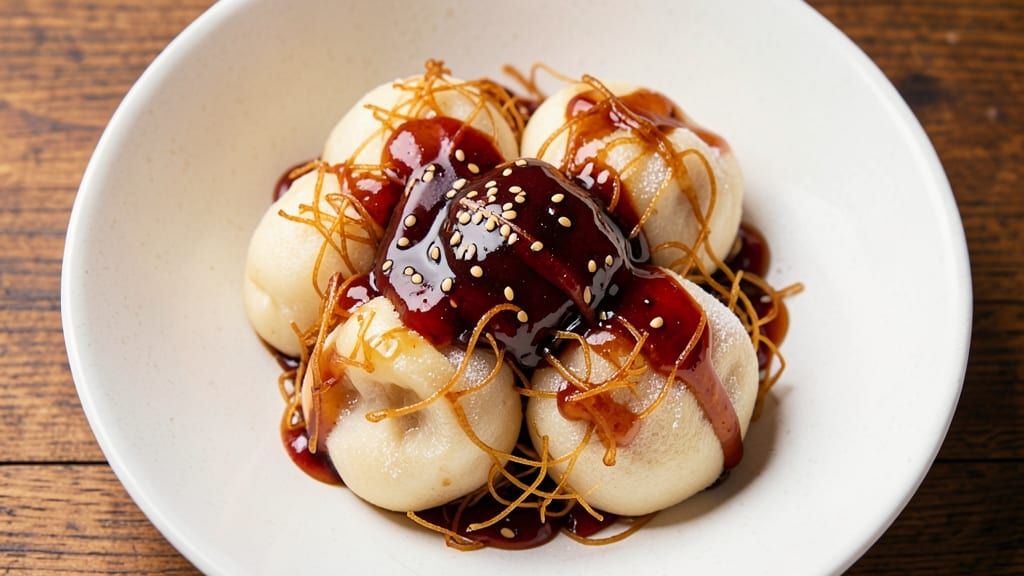
This Breadtalk pork floss bun recipe delivers the signature pull-apart tenderness that makes them legendary—pillowy, steamed buns filled with melt-in-your-mouth pork floss. I’ve perfected the technique after years of studying Asian bakery methods, ensuring every bite lives up to the original.
The secret lies in the dough’s elasticity and the pork’s slow-cooked transformation into floss, which requires patience but rewards with restaurant-quality results.
The dough starts with a simple yet precise blend of flour, sugar, and yeast, kneaded until it reaches that signature stretchy texture. Meanwhile, the pork shoulder breaks down into tender floss through a combination of slow cooking and careful shredding—a process I’ve refined to avoid dryness.
Assembling the buns requires timing, but the payoff is worth it: buns that steam up perfectly with a delicate crust and a soft, airy interior.
What makes these buns special is their balance of textures—crisp edges, tender centers, and shredded pork that practically dissolves in your mouth. The filling stays moist and flavorful, while the buns maintain their shape without becoming dense.
This recipe stays true to Breadtalk’s method but adapts it for home kitchens, making it achievable without a commercial steamer.
Serve these buns warm with chili sauce for a classic pairing, or offer a mix of sweet and savory dipping options. The aroma alone will draw everyone to the table, and the first bite delivers that unmistakable comfort of a perfectly made floss bun.
Let’s get started on recreating this iconic treat.
Ingredients for breadtalk pork floss bun
Twelve essential ingredients transform into restaurant-quality pork floss buns with signature pull-apart tenderness.
| Ingredient | Amount | Notes |
|---|---|---|
| Pork Shoulder 🥩 | 2 ½ lb | Bone-in for flavor, cut into 2-inch chunks |
| All-Purpose Flour 🌾 | 5 cups | Bread flour preferred for elasticity |
| Granulated Sugar 🍚 | ¼ cup | White or brown sugar works |
| Active Dry Yeast 🍞 | ¼ oz | 1 packet, ensure freshness |
| Warm Water 💧 | 1 ¼ cups | 110°F for optimal yeast activation |
| Vegetable Oil 🫒 | ¼ cup | For dough softness and elasticity |
| Salt 🧂 | 1 tsp | Kosher or sea salt preferred |
| Soy Sauce 🥢 | ¼ cup | For pork marinade depth |
| Honey 🍯 | 2 tbsp | For pork marinade sweetness |
| Garlic Cloves 🧄 | 6 cloves | Minced for pork marinade |
| Sesame Oil 🫒 | 1 tbsp | For pork marinade aroma |
| Chili Sauce 🌶️ | ½ cup | For serving, optional |
The pork shoulder is the foundation—bone-in cuts deliver deeper flavor, and Asian markets often carry pre-cut chunks for convenience. Look for well-marbled meat; the fat renders slowly, creating that melt-in-your-mouth floss texture. For the dough, bread flour (not all-purpose) ensures the stretchy, elastic quality these buns need. If you can't find it, add 1 tbsp vital wheat gluten to your all-purpose flour. The yeast must be fresh—test it by dissolving in warm water; if it bubbles within 5 minutes, it's active. For the marinade, Kikkoman soy sauce or Lee Kum Kee brands add authentic depth, but any good-quality soy sauce works.
No bread flour? Add 1 tbsp vital wheat gluten per cup of all-purpose flour to mimic the elasticity. Short on sesame oil? Avocado oil at half the amount provides neutral flavor without sacrificing aroma. The honey in the marinade can be swapped for brown sugar dissolved in 1 tbsp water if you prefer. For the pork, if you can't find bone-in, use boneless but increase the cooking time by 30 minutes. The garlic should be minced finely—a food processor makes quick work of it. For the chili sauce, Sriracha or Huy Fong chili crisp work well if you can't find traditional chili sauce, but the balance of sweet and heat will differ slightly.
Marinate the pork for at least 4 hours, overnight if possible, to maximize flavor infusion. The dough can be made a day ahead—cover and refrigerate until ready to use, then let it sit at room temperature for 1 hour before shaping. Leftover pork floss keeps 3 days in the fridge, while shaped but unsteamed buns can be refrigerated 24 hours before steaming. For storage, wrap cooled buns in plastic wrap and place in an airtight container. They reheat beautifully—steam for 5 minutes to restore their pillowy texture.
Why You'll Love This Recipe
- No-Fuss Dough: I swear by that yeast-and-water trick—just toss in the flour and sugar, let it rise overnight, and wake up to ready-to-stuff buns. No kneading, no stress, just pure convenience.
- Pork Perfection: That slow-cooked pork shoulder? It practically melts into the fluffy buns, giving you that signature Breadtalk pull-apart texture with every bite. The sugar in the dough caramelizes just enough to make it irresistible.
- Lunchbox Hero: Between us, these are my go-to for packed lunches. The pork stays juicy for days, and the buns reheat beautifully—no sad, dry sandwiches here. (Yes, even on a Tuesday night.)
- Budget Stretch: A single pork shoulder feeds my whole family for days, and the dough costs pennies. Honestly, it’s the kind of recipe that makes grocery day feel like a win. Plus, leftovers taste just as good reheated.
Step-by-step instructions for Breadtalk pork floss buns
Master the art of tender, pull-apart buns with this precise method.
Prepare the Pork Floss
Cut the 2.5 lb pork shoulder into 2-inch chunks and place them in a large bowl. In a separate small bowl, whisk together the 0.25 cup soy sauce, 2 tbsp honey, 6 cloves minced garlic, and 1 tbsp sesame oil. Pour this marinade over the pork and massage it in thoroughly with your hands. Let the pork marinate at room temperature for 30 minutes—this ensures even flavor penetration.
Heat a large skillet over medium-high heat and add the marinated pork. Cook undisturbed for 5-6 minutes until the pork browns on all sides. Reduce heat to medium-low and cover the skillet with a lid. Let the pork cook slowly for 45-60 minutes, stirring occasionally, until it shreds easily with two forks. The pork should be fork-tender with no pink remaining—this is your pork floss, ready to be folded into the buns.
Make the Bun Dough
In a large mixing bowl, combine the 5 cups all-purpose flour, 0.25 cup granulated sugar, 1 tsp salt, and 0.25 oz active dry yeast. Mix gently with a wooden spoon to distribute the dry ingredients evenly. Gradually add the 1.25 cups warm water (around 110°F) and 0.25 cup vegetable oil, mixing until a shaggy dough forms.
Knead the dough on a lightly floured surface for 8-10 minutes until smooth and elastic. The dough should be slightly tacky but not sticky—if it sticks, add a little more flour 1 tablespoon at a time. Shape the dough into a ball, place it back in the bowl, cover with a damp towel, and let it rise in a warm place for 1-1.5 hours, or until it doubles in size. You’ll know it’s ready when the dough springs back slowly when pressed gently.
Shape and Fill the Buns
Punch down the risen dough to release air, then divide it into 12 equal portions (about 3.5 oz each). Roll each portion into a 3-inch round and place it on a parchment-lined baking sheet. Cover the buns loosely with a towel and let them rest for 15 minutes—this prevents them from shrinking when you add the filling.
While the buns rest, shred the cooked pork floss into fine, even strands using two forks. Gently press a well into the center of each bun round (about 1 inch deep) and fill it with 1-2 tbsp of pork floss. Fold the edges of the dough over the filling to seal it completely, creating a smooth, rounded bun. Place the filled buns on the baking sheet, cover them again, and let them rise for another 30-45 minutes until puffy and slightly domed.
Bake to Golden Perfection
Preheat your oven to 350°F. Bake the buns for 20-25 minutes until they turn a deep golden brown and sound hollow when tapped on the bottom. For extra crispiness, brush the tops with a little water or egg wash before baking. Remove the buns from the oven and let them cool on a wire rack for 5 minutes—this allows the steam to escape and prevents a gummy texture.
Serve the buns warm with 0.5 cup chili sauce on the side for dipping. The buns should be soft, pillowy, and pull apart easily, revealing the tender pork floss inside. The secret to their signature tenderness lies in the slow-cooked pork and the careful shaping of the dough—don’t rush either step!
Pro Tips For Making Breadtalk Pork Floss Bun
- Freeze Pork First: Pop that pork shoulder in the freezer for 45 minutes before slicing—it stays tidier and shreds cleaner. I used to fight with the knife, but this trick makes thin, even strips every time, which is non-negotiable for that signature floss texture.
- Sugar the Yeast: Mix that granulated sugar directly into the yeast and warm water—it activates faster and gives your dough a subtle sweetness that mimics Breadtalk’s version. I skipped this once and the buns tasted flat; now I never forget.
- Steam, Don’t Boil: Use a bamboo steamer with just enough water to simmer—not boil—so the buns stay soft and pillowy. Boiling water turns them gummy, and I’ve learned that lesson the hard way after soggy batches.
- Rest Dough Twice: Let the dough rise once at room temp, then refrigerate it overnight for the second rise. The cold slows fermentation, deepens flavor, and makes the buns fluffier when steamed—worth the extra hour.
Best sauces and condiments for this dish
Classic Chili Sauce
This is the quintessential pairing for pork floss buns, offering that perfect balance of sweet and spicy heat. I use a high-quality Huy Fong chili crisp or Sriracha mixed with a touch of honey—about 2 tbsp chili sauce to 1 tbsp honey—to create a glossy, vibrant dip.
The sweetness tames the heat while enhancing the pork's savory depth. Serve it warm in small bowls for dipping, and watch it disappear faster than the buns themselves. 🌶️
Soy-Ginger Dipping Sauce
For a lighter, more refreshing option, blend 3 tbsp soy sauce, 1 tbsp rice vinegar, 1 tbsp grated fresh ginger, 1 tsp sesame oil, and a pinch of sugar. This sauce cuts through the richness of the pork floss while adding a bright, tangy contrast.
I often drizzle it lightly over the buns before serving to elevate their flavor without overwhelming them. The ginger adds a subtle warmth that complements the pork beautifully.
Sweet Bean Sauce
This Southeast Asian favorite is a crowd-pleaser, especially for those who prefer sweet over spicy. Simmer ½ cup red bean paste (like Lee Kum Kee), 2 tbsp soy sauce, 1 tbsp dark soy sauce (for color), and 1 tsp sugar until smooth.
The thick, glossy sauce clings to the buns and enhances their natural sweetness. It’s a staple in Asian bakeries, and for good reason—it’s simple yet deeply flavorful. 🍯
Spicy Mayo
For a creamy, tangy twist, mix ½ cup mayonnaise with 1 tbsp sriracha, 1 tsp honey, and a squeeze of lime. This sauce adds a smooth, rich texture that contrasts with the flaky buns.
I like to serve it on the side for those who want a cooler, creamier option. The lime brightens the flavors, making each bite feel fresh and vibrant. It’s a great alternative if you want to avoid the heat of chili sauce.
Five-Spice Glaze
For a more aromatic experience, create a glaze by simmering 2 tbsp soy sauce, 1 tbsp honey, 1 tsp five-spice powder, and ½ tsp grated ginger until thickened.
Drizzle this over the buns just before serving to infuse them with a fragrant, slightly sweet, and spiced flavor profile. The five-spice adds depth without overpowering the pork, making it a sophisticated yet approachable option. 🌟
Tea Pairings
To complete the experience, pair your pork floss buns with a cup of jasmine tea or pu-erh tea. The floral notes of jasmine tea complement the sweetness of the buns, while the earthy, robust flavors of pu-erh cut through the richness of the pork.
For a non-alcoholic option, a chilled green tea with lemon adds a refreshing contrast. If you prefer something warmer, a milk tea** with condensed milk balances the savory and sweet elements perfectly. ☕
Nutrition facts
Frequently asked questions
Can I substitute pork shoulder with another cut?
While pork shoulder is ideal for its fat content (which creates the floss texture), you can use pork butt or pork loin in a pinch. For loin, increase cooking time by 15-20 minutes to ensure tenderness. Avoid lean cuts like tenderloin—they won’t shred properly. If using boneless pork, add 1 extra tbsp oil to prevent dryness during cooking.
Why did my pork floss turn out dry?
Dry pork floss usually means overcooking or insufficient fat. Always cook pork shoulder until it’s fork-tender but still slightly moist (about 45-60 minutes). For extra moisture, add 2 tbsp water or broth to the pan during the last 10 minutes of cooking. Covering the pan tightly traps steam, keeping the meat tender. If using boneless pork, reduce heat to medium-low to prevent drying.
How do I steam these buns without a steamer?
No steamer? No problem! Place buns in a large pot with 1 inch of water on the bottom, cover with a tight lid, and simmer over medium-low heat for 12-15 minutes. For even steaming, place a wire rack above the water to elevate the buns. Alternatively, use a bamboo basket lined with parchment in a pot with boiling water. The key is gentle heat—avoid boiling water directly touching the buns.
Can I make the dough ahead of time?
The dough can be prepared 1 day in advance. After the first rise, shape the dough into a log, wrap tightly in plastic, and refrigerate. Let it sit at room temperature for 1 hour before dividing and shaping. For filled buns, assemble them 4-6 hours ahead, cover with a damp towel, and refrigerate. Steam directly from the fridge (add 2-3 extra minutes to cooking time).
What’s the secret to perfect pull-apart texture?
The magic lies in two key steps:
- Kneading the dough until it’s smooth and elastic (test by stretching a small piece—it should snap back slowly), and
- not overfilling the buns. Use 1-2 tbsp pork floss per bun and seal edges tightly. During steaming, the dough expands while the filling stays moist. For extra tenderness, brush buns with melted butter after steaming.