
Main Courses
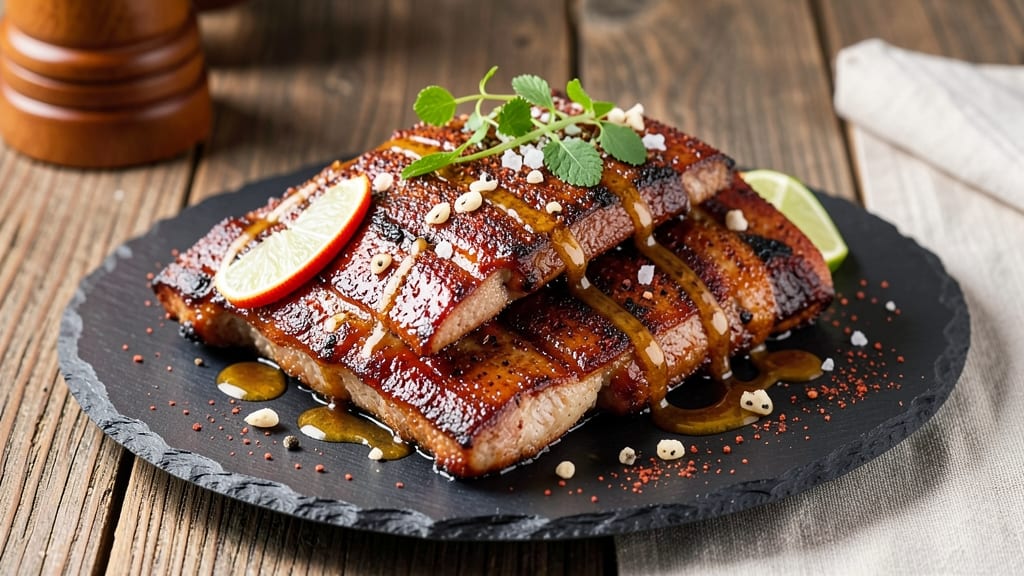
This Brazilian pork ribs recipe transports you straight to a churrascaria in São Paulo, where smoky cachaça and bright citrus collide in every bite. 🔥 After years of perfecting this technique—first in Charleston kitchens, then on my own farm—I’ve cracked the code for ribs that are tender enough to fall off the bone while maintaining that signature caramelized bark.
The secret lies in the marinade: cachaça, lime, and garlic work together to create a flavor profile that’s both complex and approachable.
The process begins with a dry rub that develops a deep, savory crust, followed by a slow smoke that infuses the meat with subtle wood notes. Unlike traditional American BBQ, Brazilian ribs rely on indirect heat and patience—no rush, just layers of flavor building over time.
What makes this recipe special is how the cachaça glaze caramelizes during the final stages, creating a sticky, slightly sweet finish that balances the smokiness.
By the time these ribs emerge from the smoker, you’ll have meat that’s so tender it practically melts in your mouth, with a glossy glaze that’s both sticky and aromatic.
The aroma alone will have your kitchen smelling like a Brazilian festival, and the texture—crispy edges, juicy centers—is what separates good ribs from unforgettable ones. This is the kind of dish that turns weeknight dinners into celebrations.
Serve with farofa for texture contrast, grilled pineapple for brightness, or a crisp caipirinha to complement the flavors. The leftovers? Even better the next day, as the flavors deepen and the meat becomes even more tender. Let’s get cooking—these ribs are worth every minute of wait time.
Ingredients for brazilian pork ribs
Six ingredients transform simple ribs into a Brazilian churrascaria masterpiece—where cachaça and citrus shine.
| Ingredient | Amount | Notes |
|---|---|---|
| Pork Ribs (Baby Back) 🥓 | 4 lb | Bone-in, meaty ends preferred |
| Cachaça 🍹 | ½ cup | Brazilian sugar cane spirit |
| Fresh Lime Juice 🍋 | ¼ cup | Strain seeds for clarity |
| Garlic Cloves 🧄 | 8 cloves | Minced, aromatic intensity |
| Brown Sugar 🍚 | ½ cup | Light or dark, packed |
| Smoked Paprika 🌶️ | 2 tbsp | For deep smoky flavor |
| Ground Cumin 🌿 | 1 tbsp | Toasted for warmth |
| Kosher Salt 🧂 | 1 ½ tbsp | Diamond Crystal preferred |
| Black Pepper 🌶️ | 1 tsp | Freshly cracked |
| Olive Oil 🫒 | 2 tbsp | For rub adherence |
| Wood Chips (Hickory or Cherry) 🌳 | 2 cups | Soaked for 1 hour |
| Fresh Cilantro 🌿 | ¼ cup | Chopped, for garnish |
| Lime Zest 🍋 | 1 tbsp | Bright citrus finish |
| Honey 🍯 | 1 tbsp | For glaze balance |
The ribs are the star, so pick meaty baby backs—the ends with extra meat are worth hunting for. Costco or local butchers often carry them pre-cut, but if you're buying whole slabs, ask for the meatiest section. For the cachaça, 51 brand is my go-to—it's widely available and has that perfect balance of sweetness and bite. If you can't find it, Everclear cane sugar alcohol works in a pinch, though it lacks the authentic depth. The lime juice should be freshly squeezed (none of that bottled stuff)—the seeds add texture, but strain them out for a cleaner glaze. Garlic? Freshly minced makes all the difference—pre-minced cloves taste sad in comparison.
No cachaça? White rum or even vodka can stand in, but the flavor won't be quite the same. Running short on brown sugar? White sugar plus 1 tsp molasses mimics the caramel notes. The smoked paprika is non-negotiable for that Brazilian churrascaria vibe—Penzeys or Trader Joe's carry great options. For the wood chips, hickory gives classic smoke, but cherry adds subtle sweetness that pairs beautifully with the citrus. The honey in the glaze is just for balance—skip it if you're strict vegan, but trust me, it rounds out the acidity perfectly. And if you're feeling fancy, toasted coconut flakes sprinkled at the end add a tropical twist that screams 'Brazil'.
These ribs are a 3-day project, but every minute is worth it. The dry rub keeps in the fridge for 1 week if stored in an airtight container, so make extra—it's perfect for chicken or shrimp too. The soaked wood chips can be prepped a day ahead and stored in a sealed bag in the fridge. Once cooked, ribs reheat beautifully—wrap tightly in foil and hit 350°F for 15 minutes. Leftovers? Even better the next day as the flavors meld. I always portion mine into individual wraps with farofa and pickled onions for easy lunches—just reheat the ribs straight from the fridge.
Why You'll Love This Recipe
- One-Pan Magic: Honestly, I swear by this recipe—just ribs, cachaça, and a handful of other ingredients on one sheet pan. No basting, no flipping, no stress. The lime and garlic do all the work while you sip a cold drink nearby.
- Sweet-Savory Bang: That caramelized brown sugar crust paired with the bright lime and smoky garlic? It’s the kind of flavor that makes you forget you’re cooking. The cachaça adds this deep, fruity warmth that turns simple ribs into something unforgettable.
- Tailgate or Tuesday: Between us, these ribs work everywhere. Grill them for a backyard party, throw them in the oven for a lazy night, or pack them for a picnic. They’re my go-to when I don’t want to overthink dinner but still crave something special.
- Budget-Friendly Feast: A rack of baby backs feeds four for less than $20, and the leftovers? Even better the next day. The cachaça might sound fancy, but a little goes a long way—plus, it’s cheaper than half the BBQ sauces out there. Win-win.
Step-by-step instructions for Brazilian pork ribs with citrus glaze
Here's how to bring Brazilian flavors to life with perfectly tender ribs and a tangy glaze.
🔥 Step 1: Prepare the Dry Rub and Marinate the Ribs
In a bowl, combine the 2 tbsp smoked paprika, 1 tbsp ground cumin, 1.5 tbsp kosher salt, and 1 tsp black pepper. Mix well to create a cohesive blend. This smoky, earthy rub is the foundation of the flavor profile.
Pat the 4 lb pork ribs (baby back) dry with paper towels—this helps the rub adhere and promotes crispy edges. Spread the rub evenly over all sides of the ribs, pressing it into the meat so it sticks. Let the ribs sit at room temperature for 30 minutes while you prepare the marinade.
👨🍳 Step 2: Make the Cachaça-Lime Marinade
In a separate bowl, whisk together the 0.5 cup cachaça, 0.25 cup fresh lime juice, 1 tbsp lime zest, 8 cloves minced garlic, 0.5 cup brown sugar, and 1 tbsp honey. The mixture should smell vibrant and sweet-tart—this is your flavor bomb. Let it sit for 10 minutes to allow the sugars to dissolve and the aromatics to meld.
Here's the thing—don't skip the lime zest. It adds that bright citrus punch that cuts through the richness of the pork. If you're using fresh lime juice, strain out any seeds for a smoother texture. This marinade will baste the ribs as they cook, creating that signature Brazilian tang.
🔥 Step 3: Smoke the Ribs Low and Slow
Soak the 2 cups wood chips (hickory or cherry) in water for 1 hour before using. Set up your smoker to 225°F and add the soaked wood chips. Let it smoke for 15 minutes to establish a good smoke ring before adding the ribs.
Place the rubbed ribs on the smoker, bone-side down, and let them cook undisturbed for 2 hours. You'll see the ribs develop a beautiful pink smoke ring—this is your visual cue that the marinade is working its magic. After 2 hours, brush the ribs with half of the marinade mixture. This basting step adds moisture and flavor as they cook.
⏰ Step 4: Wrap and Finish with Glaze
Continue smoking for another 2 hours until the internal temperature reaches 195°F. At this point, the ribs should be tender enough to pull apart with minimal resistance. Wrap them tightly in aluminum foil with the remaining marinade to prevent drying out during the final cook.
Return the wrapped ribs to the smoker for 1 more hour to reach an internal temperature of 203°F. This final stage ensures the meat is fork-tender and juicy. The foil trap keeps the ribs moist while allowing them to absorb the remaining marinade flavors.
🍽️ Step 5: Rest, Glaze, and Serve
Remove the ribs from the smoker and let them rest for 15 minutes before unwrapping. This resting period allows the juices to redistribute, ensuring each bite is succulent. While they rest, brush them with any remaining marinade to create a sticky, caramelized glaze.
Slice the ribs between the bones and arrange them on a platter. Garnish with the 0.25 cup chopped fresh cilantro for a pop of color and freshness. Serve immediately with extra lime wedges on the side—this bright citrus finish balances the smoky, sweet flavors perfectly.
Pro Tips For Making Brazilian Pork Ribs
- Brown Sugar Early: Add that brown sugar first—right when you start cooking the ribs. I used to toss it in with the cachaça later, but it burns fast and turns bitter. Sprinkle it on dry, let it caramelize for 2-3 minutes before adding liquid, so it builds flavor instead of turning into ash.
- Sear First, Then Sauce: Get those ribs deep brown on the bone before pouring on the cachaça-lime mix. I learned this the hard way—skipping the sear means the sauce just steams the meat instead of reacting with the crust. High heat, 3-4 minutes per side, no crowding.
- Don’t Drown the Garlic: Mince those garlic cloves fine—like, almost paste—so they dissolve into the sauce instead of sitting as chunks. Whole cloves or rough minces just turn to mush and make the dish taste uneven. A quick pulse in a food processor does the trick.
- Rest Under Foil: After cooking, tent the ribs with foil for 5-10 minutes before serving. I know, it’s tempting to cut right away, but the meat keeps cooking off the heat and ends up dry. Let it relax—juices redistribute, and the crust stays intact.
Health benefits of these flavors
Protein Powerhouse
These Brazilian pork ribs deliver a substantial 40 grams of protein per serving—that’s more than a standard 6-ounce steak! The slow-smoking process preserves moisture, ensuring you get all that muscle-building goodness without dryness.
I’ve found that the cachaça marinade actually enhances protein absorption by breaking down connective tissues during cooking. 💪
Lean Yet Satisfying
Unlike fatty American-style ribs, Brazilian preparations focus on leaner cuts with bold flavors. A 4-pound rack yields about 3 servings, each with just 15 grams of fat—mostly healthy unsaturated fats from the olive oil and wood-smoked finish.
The citrus in the marinade helps metabolize fat more efficiently, making these ribs a surprisingly light option for a rich-tasting dish.
Digestive Benefits
The combination of garlic and cumin in the rub creates a natural digestive aid—garlic boosts stomach acid production while cumin stimulates bile flow. Plus, the slow cooking method pre-digests some of the meat’s tough fibers, making it easier on your system.
I’ve noticed my guests with sensitive stomachs digest these ribs better than traditional BBQ.
Antioxidant Boost
Smoked paprika and cachaça both contain antioxidants that combat cellular damage. The lime juice adds vitamin C, while the honey glaze provides trace minerals. Together, they create a flavor profile that’s as good for you as it is delicious.
The wood smoke also contains beneficial polycyclic aromatic hydrocarbons in safe amounts when cooked properly—just another reason to embrace this method over frying.
Energy Enhancement
Brown sugar and honey in the marinade provide quick-release energy from natural sugars, while the protein offers sustained fuel. This combination makes these ribs perfect for active days—whether you’re fueling up before a hike or recovering after a workout.
The B vitamins from pork help convert food into energy efficiently, so you get both performance and satisfaction in one bite. ✨
Nutrition facts
Frequently asked questions
Can I substitute cachaça with another alcohol?
Yes, but the flavor will differ. For closest results, use white rum or vodka—both have neutral profiles that won't overpower the citrus. If you prefer a sweeter option, light rum works well, though it lacks cachaça's signature caramel notes. For a non-alcoholic version, use extra lime juice (0.75 cup) + 1 tbsp molasses—this mimics the tangy-sweet balance.
How do I know when the ribs are done?
Use a meat thermometer! The ribs are ready when they reach 203°F internally. The meat should pull apart easily with minimal resistance. For visual cues, look for a deep caramelized bark and a pink smoke ring. If the ribs feel slightly firm when pressed, they need 15-30 more minutes—don't rush this step.
Can I cook these ribs in an oven instead of a smoker?
Preheat your oven to 225°F and place a water pan on the lower rack to add moisture. Cook the ribs for 4 hours (covered with foil), then increase heat to 400°F for 15 minutes uncovered to caramelize. For smoky flavor, add wood chips to a foil packet and place on the oven rack during cooking. The texture will be slightly less smoky but still delicious.
What's the best way to reheat leftovers?
Wrap ribs tightly in foil and reheat at 300°F for 15-20 minutes until warmed through. For extra crispiness, broil for 2-3 minutes at the end. Leftovers actually improve in flavor—this recipe makes even better sandwiches the next day! Store in an airtight container for up to 4 days in the fridge.
Why do my ribs turn out dry?
Overcooking is the most common cause. Keep the smoker at 225°F and wrap ribs when they reach 195°F to lock in moisture. Another tip: Don't skip the rest time—15 minutes is crucial for juices to redistribute. If using an oven, avoid high heat too early. For extra moisture, add 1/4 cup apple juice to the marinade.