
Main Courses
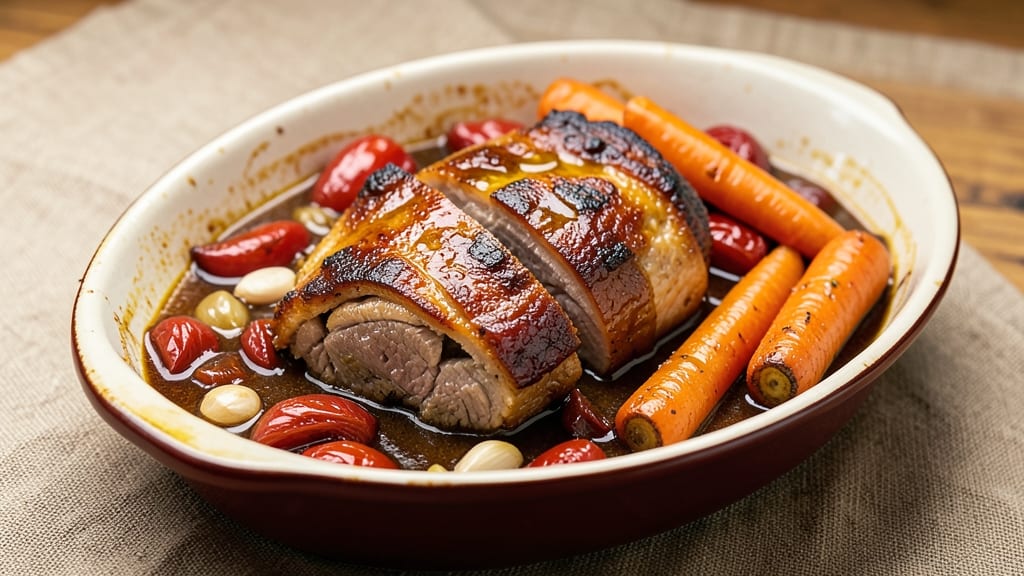
This braised slow cooker pork recipe transforms tough cuts into melt-in-your-mouth perfection with minimal effort. The secret lies in a rich, aromatic broth that tenderizes the meat while infusing it with deep, savory flavors—no stovetop babysitting required.
I developed this method after years of experimenting with slow-cooked pork, and it consistently delivers restaurant-quality results with just a few simple ingredients.
The beauty of this approach is its versatility—whether you're feeding a crowd or meal prepping for the week, the slow cooker handles all the work for you.
You'll start with a basic pork shoulder, then layer in onions, garlic, and herbs before pouring in a combination of broth and tomato paste.
The magic happens as everything simmers on low heat, breaking down the meat into irresistible shreds while creating a sauce so flavorful it deserves its own bowl.
By the time you're ready to serve, you'll have tender, juicy pork that practically falls apart at the touch, coated in a glossy, aromatic sauce. The texture is impossible to resist—tender yet substantial, with each bite offering a perfect balance of meaty richness and deep, caramelized flavor.
This is the kind of dish that makes weeknight dinners feel like a special occasion, all while keeping your kitchen cool and your cleanup minimal.
Serve it over buttery mashed potatoes, with crusty bread for soaking up the sauce, or even on its own as a hearty main course. The leftovers reheat beautifully, making this an ideal recipe for busy schedules. Let's get started on creating this effortless, flavor-packed masterpiece.
Ingredients for braised pork recipe slow cooker
Six simple ingredients transform tough pork into restaurant-worthy tenderness with zero stovetop fuss.
| Ingredient | Amount | Notes |
|---|---|---|
| Pork Shoulder 🥩 | 3 lb | Bone-in for maximum flavor |
| Yellow Onion 🧅 | 1 whole | Chopped into large chunks |
| Garlic Cloves 🧄 | 6 cloves | Smashed with side of knife |
| Carrots | 4 medium | Whole, peeled and cut into chunks |
| Tomato Paste 🍅 | ½ cup | Smooth, no sugar added |
| Beef Broth 💧 | 2 cups | Low-sodium preferred |
| Apple Cider Vinegar 🍎 | 2 tbsp | For tangy depth |
| Dried Thyme 🌿 | 1 tbsp | Or 1 tbsp fresh thyme |
| Bay Leaves 🍃 | 2 whole | Remove before serving |
| Black Peppercorns 🌶️ | 1 tsp | Coarsely crushed |
| Salt 🧂 | 1 ½ tsp | Kosher or sea salt |
| Olive Oil 🫒 | 1 tbsp | For searing pork |
The pork shoulder is the star—look for cuts with good marbling at Costco or your local butcher. Bone-in stays juicier than boneless, and you'll find it labeled as 'pork butt' in some stores. Carrots don't need peeling, but scrubbing them well removes dirt. I always grab organic carrots when I can—they're sweeter and hold up better to long cooking. The tomato paste? Muir Glen is my go-to for consistency, but any quality brand works. Fresh thyme is ideal, but dried keeps for months in your spice drawer.
No beef broth? Chicken broth plus 1 tbsp soy sauce works in a pinch. Fresh thyme? Use three times the amount of dried. Short on vinegar? Lemon juice at half the quantity gives a similar tang. The olive oil matters for searing—use something with a high smoke point like avocado or grapeseed oil if you're worried about flavor. For extra richness, add 1 tbsp of Worcestershire sauce (check for vegetarian version if needed). Baby carrots work too, but whole carrots stay intact better during cooking.
This reheats beautifully—honestly tastes better the next day once everything melds. Keeps for 5 days in the fridge, freezes for 3 months if you portion it out. I always make double batches because the leftovers make incredible sandwiches or tacos. Store the sauce separately if you prefer it less thick—just reheat it with a splash of water. The pork shreds so easily after cooking that you can even make pork pot pie filling with the leftovers!
Why You'll Love This Recipe
- Deep Umami Magic: That tomato paste? It’s the secret weapon. The slow cooker turns it into a rich, glossy sauce that clings to the pork like a hug, while the garlic and onions caramelize into something dangerously addictive. (Yes, even on a Tuesday night.)
- Budget-Friendly Feast: Pork shoulder is cheap, and this method makes it feel like a fancy dinner. Between us, I’ve served this to guests who thought it was from a restaurant. (They weren’t wrong.) Plus, carrots and onions stretch the meal without breaking the bank.
Step-by-step instructions for slow cooker braised pork
This method transforms tough pork shoulder into melt-in-your-mouth perfection with minimal hands-on time.
Sear the Pork Shoulder for Maximum Flavor
Heat a large skillet over medium-high heat and add the 1 tablespoon olive oil. Once shimmering, place the 3 lb pork shoulder fat-side down and sear for 4-5 minutes until the fat renders and the skin turns golden brown. Flip and sear the other side for another 3-4 minutes—this step builds deep flavor that the slow cooker will develop.
While the pork sears, chop the 1 whole yellow onion into large chunks and smash the 6 cloves garlic with the side of your knife. Peel and cut the 4 medium carrots into chunks. Set these aside—they'll join the pork in the slow cooker later. Don't skip searing the pork; this creates that rich, caramelized crust that makes all the difference in the final dish.
Layer the Slow Cooker with Aromatics
Transfer the seared pork shoulder to your slow cooker. In the same skillet, add the chopped onion, smashed garlic, and carrot chunks. Cook over medium heat for 3-4 minutes until the onion softens slightly and becomes fragrant. Pour in the 0.5 cup tomato paste and stir to combine, scraping up any browned bits from the bottom of the pan.
Transfer this aromatic mixture to the slow cooker, spreading it evenly around the pork. The tomato paste will thicken the braising liquid and add depth of flavor. Add the 2 cups beef broth, 2 tablespoons apple cider vinegar, 1 tablespoon dried thyme, 2 whole bay leaves, 1 teaspoon coarsely crushed black peppercorns, and 1.5 teaspoons salt. Stir gently to combine—you want everything submerged in the liquid, but don't worry if it's not perfect.
Cook on Low for Tender Perfection
Place the lid on the slow cooker and cook on low heat for 8-10 hours. This long, slow cook time breaks down the connective tissue in the pork shoulder, transforming it into fork-tender meat. I know it's tempting to check it earlier, but resist the urge—patience is key here. The pork is done when it easily shreds with two forks and the internal temperature reaches 200°F.
About 30 minutes before the cooking time is up, remove the pork from the slow cooker and shred it using two forks. Return the shredded pork to the cooking liquid and let it soak up all that delicious flavor. This final step ensures every bite is moist and packed with rich, savory goodness. The cooking liquid should have thickened slightly and taken on a deep, caramelized color.
Adjust Consistency and Serve
Once the pork is fully cooked and shredded, taste the braising liquid and adjust the seasoning if needed. If it's too thin, remove the lid and cook on high heat for 15-20 minutes to reduce it to your desired consistency. If it's too thick, stir in a splash of water or additional beef broth to loosen it. The sauce should coat the back of a spoon but still be spoonable.
Remove and discard the bay leaves before serving. This braised pork is incredibly versatile—serve it over mashed potatoes, with crusty bread, or even in tacos. The rich, slow-cooked flavors make it a centerpiece for any meal. Store leftovers in the refrigerator for up to 4 days or freeze for up to 3 months—it actually tastes even better the next day as the flavors continue to meld.
Pro Tips For Making Braised Pork Recipe Slow Cooker
- SEAR THE PORK FIRST: Skip the slow cooker’s gentle start—brown that pork shoulder in a hot skillet with oil until it’s deep golden. I learned this the hard way: unseared meat tastes bland, no matter how long you cook it. Use about 2 tablespoons of oil, and don’t crowd the pan, or you’ll steam it instead of crisp it.
- CHOP ONIONS COARSELY: Tiny onion bits disappear into the sauce. Cut them into ½-inch chunks so they stay visible and add texture. Same goes for carrots—leave them in 1-inch pieces. (Yes, even if it looks rustic. Your mouth will notice.)
- USE TOMATO PASTE LIKE GLAZE: Don’t just dump it in. Mix the tomato paste with a splash of water or broth first, then spread it evenly over the pork before adding liquids. This creates a richer, stickier base that clings to the meat instead of settling at the bottom.
- ADD LIQUID IN STAGES: Start with just enough liquid to barely cover the pork, then check after 2 hours. If it’s too dry, add a little more. Too much liquid = soggy pork. (I used to overdo it, then realized the slow cooker’s magic happens with minimal moisture.) Aim for about 1 cup initially.
Storing and reheating your braised pork recipe slow cooker
Refrigerator Storage
Let your braised pork cool completely before transferring to an airtight container—I use glass Pyrex with snap-on lids for best results. Store in the refrigerator at 40°F or below for up to 5 days.
The flavors actually deepen overnight as the spices meld together beautifully. Always leave at least 1 inch of headspace to prevent spills when reheating. 🥫
When reheating from the fridge, I recommend using the stovetop method for the best texture. Pour the pork and sauce into a heavy-bottomed pot (like Le Creuset) and heat over medium-low heat for 10-15 minutes, stirring occasionally.
This gentle approach prevents the sauce from separating or the pork from drying out.
Freezer Storage
For longer storage, portion the braised pork into freezer-safe bags or glass containers, leaving 1 inch of headspace for expansion. It keeps well for up to 3 months without significant quality loss.
I like using quart-sized freezer bags because they stack neatly in the freezer and thaw faster than bulky containers.
To reheat from frozen, transfer the pork to a slow cooker on low heat for 4-5 hours or until fully thawed and heated through. Alternatively, use the stovetop method—just add ¼ cup beef broth to prevent sticking and heat on medium-low for 20-25 minutes, stirring occasionally.
The sauce may thicken further, so add a splash of broth if needed.
Microwave Reheating
For quick reheating, transfer individual portions to a microwave-safe dish and cover loosely with a damp paper towel. Heat on 70% power in 1-minute intervals, stirring between each interval, until reaching 165°F internal temperature.
This method works best for single servings and helps maintain some of the sauce's texture.
If the sauce looks too thick after reheating, stir in 1-2 tablespoons of water or beef broth to restore its consistency. Avoid overcooking in the microwave, as it can make the pork dry and the sauce grainy.
For best results, I prefer the stovetop or slow cooker methods for larger batches. 🔥
Sauce Separation Fix
If your sauce separates after reheating, don't worry—it's an easy fix! Simply stir in 1-2 tablespoons of cornstarch mixed with 2 tablespoons of cold water and simmer for 2-3 minutes until thickened.
This trick works like a charm for restoring that perfect, glossy sauce consistency. For a smoother texture, blend the reheated sauce briefly in a blender before serving.
To prevent separation in the first place, store the pork and sauce in separate containers in the fridge or freezer. When reheating, combine them and adjust the consistency as needed. This method ensures you always have a creamy, well-balanced sauce every time. 💫
Nutrition facts
Frequently asked questions
Can I use a different cut of pork instead of pork shoulder?
Yes! Pork butt (another name for pork shoulder) works perfectly, but you can also try pork loin or pork neck bone. If using pork loin, reduce cooking time to 4-5 hours on low—it's more tender and won't need as long to cook through. For tougher cuts like neck bone, extend to 10-12 hours for maximum tenderness. Just adjust based on the cut's natural tenderness.
What if I don't have beef broth? Can I substitute?
Use chicken broth plus 1 tbsp soy sauce for depth, or water plus 1 tbsp tomato paste + 1 tsp Worcestershire sauce for a similar savory base. For extra richness, add ½ cup red wine (reduce cooking time slightly). The key is balancing umami—never use plain water alone, or the dish will taste flat.
Why does my slow cooker braised pork sometimes turn out dry?
This usually happens from overcooking or not enough liquid. Keep the pork submerged in liquid (add broth if needed) and never cook longer than 10 hours on low. For extra moisture, add ½ cup apple juice or chicken broth during cooking. The sauce should coat the pork—if it's too thin, reduce it at the end by simmering uncovered on high heat for 15 minutes.
Can I make this in an Instant Pot or electric pressure cooker?
Yes! Sear the pork first, then add all ingredients and cook on high pressure for 60 minutes (natural release). For extra richness, add 1 cup crushed tomatoes with the broth. The pressure method cuts cooking time dramatically while keeping the meat incredibly tender. Just be sure to check the internal temperature—it should reach 200°F for perfect tenderness.
How can I make this dish more flavorful without extra ingredients?
Boost flavor by browning the pork longer (5-7 minutes per side) and scraping up all the fond from the pan. Add 1 tsp smoked paprika or ½ tsp liquid smoke for depth, or let the dish sit overnight in the fridge before reheating—flavors meld beautifully. For a quick upgrade, finish with 1 tbsp butter stirred into the sauce right before serving.