
Main Courses
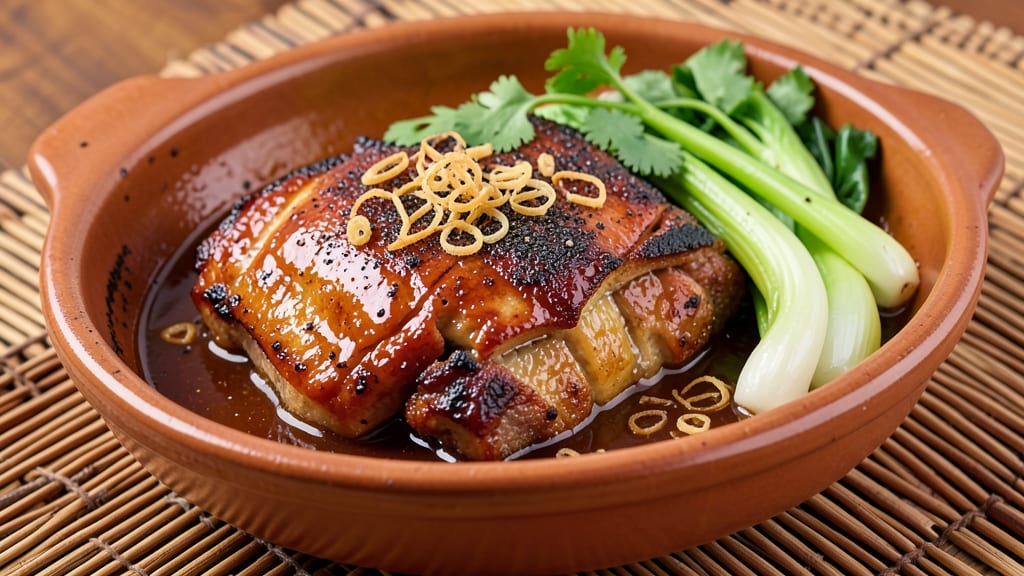
This Panlasang Pinoy braised pork belly transforms tough cuts into melt-in-your-mouth tenderness with Filipino flavors that'll have your whole table asking for seconds.
The secret lies in slow-cooking the pork belly with a rich blend of soy sauce, vinegar, garlic, and ginger—creating a sauce so deeply flavorful it clings to every bite like a hug from your favorite lola.
I first tasted this dish in a tiny carinderia in Manila, and it’s been my go-to comfort food ever since.
The beauty of this recipe is in its simplicity: just a few ingredients, but each one plays a crucial role. The pork belly is first seared to lock in juices, then braised low and slow until it’s fork-tender, all while absorbing the aromatic sauce.
This method ensures the meat stays moist and the flavors meld together perfectly—no dry, tough cuts here. The result? A dish that’s rich, savory, and just sweet enough, with a glossy sauce that’s perfect for drizzling over steamed rice.
What makes this recipe truly special is how it brings Filipino home cooking to your table. The combination of soy sauce, vinegar, and spices creates that signature umami punch that’s so beloved in Filipino cuisine, while the slow braising ensures every bite is tender and packed with flavor.
Serve it with steamed jasmine rice to soak up every last drop of that delicious sauce, or pair it with atchara for a tangy contrast that cuts through the richness.
This isn’t just a recipe—it’s a celebration of Filipino flavors, made approachable for any home cook. Whether you’re feeding a crowd or treating yourself to a cozy weeknight dinner, this braised pork belly delivers restaurant-quality results with minimal effort. Let’s get cooking!
Ingredients for braised pork belly recipe panlasang pinoy
Pork belly, soy sauce, and vinegar—three ingredients that create Filipino comfort food magic.
| Ingredient | Amount | Notes |
|---|---|---|
| Pork Belly 🥓 | 2 lb | Thick-cut, skin-on preferred |
| Soy Sauce 🍶 | ½ cup | Filipino-style preferred |
| Cane Vinegar 🍋 | ¼ cup | White or cane vinegar |
| Garlic Cloves 🧄 | 8 cloves | Minced for aromatic base |
| Fresh Ginger 🌿 | 2 tbsp | Grated, peeled |
| Brown Sugar 🍯 | ¼ cup | Light or dark |
| Black Peppercorns 🌶️ | 1 tsp | Crushed for heat |
| Bay Leaves 🌿 | 2 whole | Dried, for depth |
| Olive Oil 🫒 | 2 tbsp | For initial searing |
| Water 💧 | 1 cup | For braising liquid |
| Salt 🧂 | 1 ½ tsp | Kosher or sea salt |
| Green Onions 🧅 | 3 whole | Sliced, for garnish |
| Jasmine Rice 🍚 | 2 cups | Uncooked, for serving |
The pork belly is the star here, and thick-cut with skin-on makes all the difference—it renders beautifully and adds crispy bits. Filipino-style soy sauce (like Gold Medal or Silver Swan) is a must—it’s sweeter and deeper than regular soy. I grab mine at Filipino markets or the Asian aisle at Walmart. If you can’t find it, regular soy sauce works, but the flavor won’t be quite the same. The vinegar should be cane vinegar—white vinegar is fine in a pinch, but cane adds that authentic tang. Look for it in the baking aisle or at Trader Joe’s.
No Filipino soy sauce? Substitute with a mix of regular soy sauce and a splash of molasses—it mimics the sweetness. Fresh ginger and garlic are ideal, but dried ginger at half the amount works if you're in a hurry. The brown sugar balances the acidity, so don’t skip it—it’s what makes this dish just sweet enough. If you’re serving this to a crowd, double the recipe. The sauce gets even better the next day, so make extra. For a tangy contrast, serve with atchara (pickled papaya)—it’s a classic pairing.
Pork belly keeps best in the fridge for 3-4 days if stored in its braising liquid. Freeze for up to 3 months—it reheats beautifully. The sauce thickens as it cools, so add a splash of water if it’s too stiff when reheating. I always make a big batch because it’s perfect for leftovers. Store rice separately and reheat in a rice cooker or microwave—it stays fluffy that way. Garnish with green onions right before serving, or they’ll wilt in the sauce.
Why You'll Love This Recipe
- One-Pan Magic: I swear by this—just sear the pork belly, toss in garlic, ginger, and a splash of vinegar, then let it simmer. No chopping mountains of veggies, no extra pots. The pork belly practically braises itself while you stir occasionally.
- Umami Bomb: That combo of soy sauce and cane vinegar? It’s a flavor explosion. The vinegar cuts through the richness of the pork belly, while the garlic and ginger add layers of warmth. Every bite is savory, tangy, and just a little addictive.
- Leftovers That Beg for Seconds: Between us, this dish tastes even better the next day. I make a big batch on Sundays, and by Wednesday, my family’s already asking for seconds. The pork gets more tender, and the sauce thickens into something irresistible.
- Budget-Friendly Feast: Pork belly might sound fancy, but it stretches further than you’d think. A single slab feeds four, and the soy sauce, vinegar, and spices cost pennies. Plus, it’s way cheaper than takeout—but way more impressive.
Step-by-step instructions for braised pork belly Panlasang Pinoy
Here's how to create melt-in-your-mouth pork belly with that signature Filipino depth.
Prep the Pork Belly for Maximum Flavor
Start by scoring the pork belly in a diamond pattern with a sharp knife, cutting through the fat but not into the meat. This creates pockets for the marinade to penetrate deeply. Pat the belly dry with paper towels—this is crucial for crispy skin later.
In a small bowl, whisk together the 0.5 cup soy sauce, 0.25 cup cane vinegar, 0.25 cup brown sugar, 1.5 tsp salt, and 1 tsp crushed black peppercorns. Rub this mixture all over the pork belly, including the scored areas. Let it marinate at room temperature for 30 minutes while you prep the rest.
Sear for Rich Color and Depth
Heat a large Dutch oven over medium-high heat until very hot. Add the 2 tbsp olive oil and carefully place the pork belly fat-side down. Let it sear undisturbed for 8-10 minutes until the fat is golden brown and crispy in spots. You'll smell that incredible aroma—this is where all the flavor develops.
Flip the pork belly and cook the meat side for another 5-6 minutes until deeply browned. Remove it from the pot and set it aside on a plate. The goal here is maximum surface area contact with the hot pan to create that beautiful caramelized crust.
Build the Aromatic Base
In the same Dutch oven, add the 8 cloves minced garlic and 2 tbsp grated ginger. Cook for 1-2 minutes until fragrant and just starting to turn golden. Add the 2 whole bay leaves and stir for 30 seconds to infuse their earthy flavor.
Pour in the 1 cup water and scrape up any browned bits from the bottom of the pot—this is called deglazing, and those bits are pure flavor. Bring the liquid to a gentle simmer, then return the pork belly to the pot, fat-side up. Cover and reduce heat to low.
Braise Until Fork-Tender
Simmer the pork belly for 2-2.5 hours until the meat is fork-tender and pulls apart easily. You'll know it's done when the internal temperature reaches 203°F and the meat releases from the bone with minimal resistance. The braising liquid should reduce to about 1 cup, creating a rich, glossy sauce.
Here's the thing—don't peek or stir during cooking. Every time you lift the lid, you lose heat and moisture. The pork belly needs that steady, low-and-slow environment to become melt-in-your-mouth tender. If the liquid reduces too quickly, add 2-3 tablespoons of water to maintain the braise.
Finish and Serve with Jasmine Rice
Once the pork belly is perfectly tender, remove it from the pot and let it rest for 10 minutes before slicing. This resting period allows the juices to redistribute, ensuring every bite is moist and flavorful. Meanwhile, cook the 2 cups jasmine rice according to package instructions.
Slice the pork belly into ½-inch thick pieces and arrange on a platter. Ladle the braising sauce over the top and garnish with sliced green onions. Serve immediately with the jasmine rice. The pork belly should be so tender it practically falls apart at the touch, with a glossy sauce that clings to every bite.
Pro Tips For Making Braised Pork Belly Recipe Panlasang Pinoy
- SEAR FIRST, LOW AND SLOW: Slap that pork belly in a screaming-hot pan with just a little oil—you want deep brown crust, not gray sludge. Once it’s golden, drop the heat to medium-low and cover with liquid. I learned this the hard way: rushing the sear means bland, soggy pork instead of tender, caramelized perfection.
- PEEL THAT GINGER: Skip the grating—peel the ginger first, then slice it thinly (about 1/8-inch). The peel adds bitterness that cuts through the richness of the pork belly, but too much makes the sauce taste like medicine. Trust me, your taste buds will notice the difference.
- DON’T DROWN IT: The braising liquid should just kiss the pork belly—not bury it. Too much liquid = pale, watery sauce. Too little = burnt bits. Aim for about 1/2 cup of soy-vinegar mix per pound of pork, and adjust as you go. (Yes, even if you’re impatient like me.)
- DEGLAZE WITH GARLIC: After searing the pork, toss in those minced garlic cloves before adding vinegar. The garlic toasts in the pork fat, deepening the flavor before the vinegar deglazes. I was skeptical until I tried it—now it’s non-negotiable for me.
Serving suggestions for this recipe
Steamed Jasmine Rice
This dish practically begs for a bowl of perfectly fluffy jasmine rice to soak up every last drop of that rich braising sauce. I always cook 2 cups uncooked jasmine rice in a rice cooker with 3 cups water—it takes about 20 minutes and comes out light and separate.
For extra flavor, add 1 bay leaf to the water while cooking, then remove before serving. The aroma alone makes the whole meal feel like a celebration. 🍚
Atchara for Tangy Contrast
No Panlasang Pinoy meal is complete without atchara—those vibrant green pickled papaya slices that cut through the richness.
Store-bought works fine, but I love making it fresh with 2 cups shredded green papaya, ¼ cup vinegar, 2 tbsp sugar, 1 tsp salt, and a pinch of sichuan peppercorns for that signature numbing heat.
Serve it on the side so everyone can add as much as they like. 🌶️
Simple Green Salad
A crisp green salad balances the richness perfectly. Toss 4 cups mixed greens with 2 tbsp olive oil, 1 tbsp rice vinegar, 1 tsp honey, and a pinch of salt and pepper.
Top with ¼ cup sliced cucumber and 2 tbsp chopped cilantro. The cool crunch contrasts beautifully with the warm, tender pork belly. 🥗
Garlic Fried Eggs
For an extra-special touch, serve with garlic fried eggs—just fry 4 eggs in 1 tbsp butter with 3 minced garlic cloves until the whites are set and yolks are still runny.
The richness of the pork belly pairs perfectly with the creamy eggs. I like to serve them on the side so everyone can add one to their plate. 🍳
Extra Sauce for Dipping
Always make extra sauce—it’s perfect for dipping! The reduced braising liquid becomes even more concentrated as it cools, creating a glossy, flavorful sauce that’s perfect for drizzling over rice or using as a dip.
If it thickens too much, just add 1-2 tablespoons of water to loosen it. Store any leftovers in the fridge for up to 5 days. 💛
Presentation Tips
For a restaurant-worthy presentation, arrange the sliced pork belly on a platter with the sauce artfully drizzled around it. Garnish with sliced green onions and a few whole bay leaves for that authentic touch.
Serve family-style so everyone can help themselves—it’s always more fun that way. The key is to make it look as good as it tastes! ✨
Nutrition facts
Frequently asked questions
Can I use regular soy sauce instead of Filipino-style?
You can, but the flavor won't be quite the same. Filipino-style soy sauce is sweeter and deeper, which gives this dish its signature richness. For a substitute, mix ½ cup regular soy sauce with 1 tbsp molasses to mimic the sweetness. The dish will still taste great, but the sauce won't have that authentic depth.
How do I know when the pork belly is fully tender?
Use the fork test: Insert a fork into the thickest part of the meat—it should slide in easily and the meat should pull apart like butter. The internal temperature should reach 203°F. If the sauce reduces too quickly, add 2-3 tbsp water to keep it moist. Patience is key—don't rush the braising!
What if my pork belly is too fatty? Can I trim it?
You can trim excess fat if you prefer, but the fat is what renders beautifully and adds flavor to the sauce. For a leaner cut, score the fat in a diamond pattern (as in the recipe) and trim only the thickest layers. The rendered fat creates that glossy sauce—don't remove it all!
Can I make this recipe in a slow cooker?
Sear the pork belly first, then transfer it to your slow cooker with all the sauce ingredients. Cook on low for 6-7 hours or high for 3-4 hours until tender. The slow cooker method is even more hands-off, and the flavors meld beautifully. Just skip the final resting time—it's not needed!
What's the best way to reheat leftovers?
Reheat gently in a skillet over low heat with a splash of water to keep it moist. Alternatively, place slices in a baking dish, cover with foil, and warm in a 300°F oven for 15-20 minutes. The sauce will thicken as it cools, so add a little water if needed. Leftovers taste even better the next day!