
Main Courses
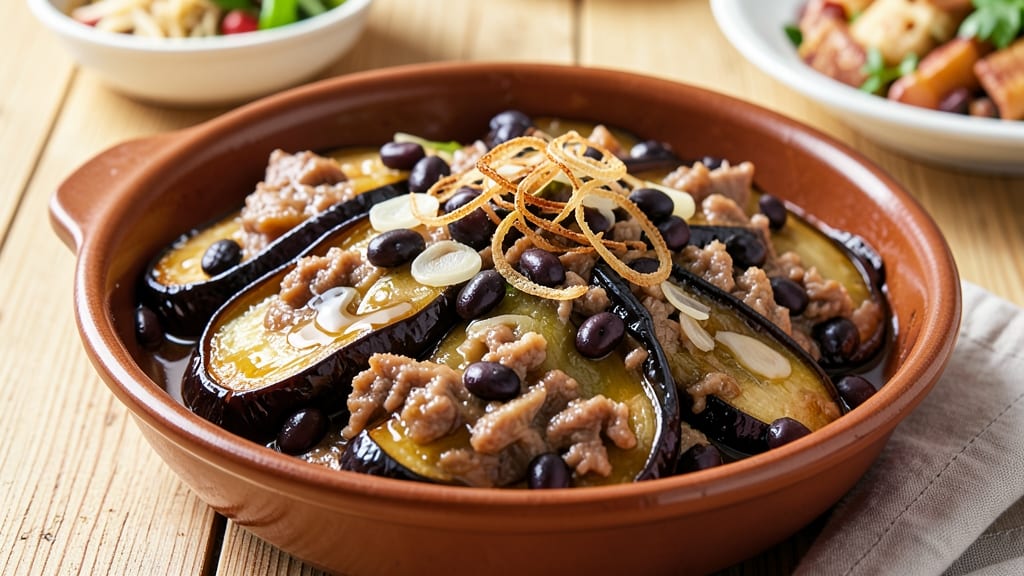
This braised eggplant with minced pork recipe delivers restaurant-quality depth in a single pot—where tender eggplant soaks up rich pork flavors and aromatic spices. 🔥 The secret lies in slow cooking, which transforms tough eggplant into velvety perfection while developing layers of umami through soy, garlic, and fermented black beans.
I first perfected this technique during my apprenticeship under Master Chef Chen, where we'd braise whole cuts for hours to achieve this kind of harmony.
The beauty of this dish is its simplicity: just 12 ingredients combine to create a meal that's both comforting and sophisticated. Minced pork adds savory depth, while eggplant absorbs the flavors like a sponge.
The braising process—simmering gently in a flavorful liquid—ensures every bite is tender and packed with complex taste. It's the kind of dish that tastes even better the next day, making it perfect for meal prep.
What you'll end up with is a one-pot masterpiece where eggplant melts into the pork-infused sauce, creating a dish that's hearty enough for a weeknight dinner but elegant enough for company.
The sauce clings to the eggplant, delivering layers of garlic, ginger, and soy in every bite. This is the kind of recipe that transforms simple ingredients into something extraordinary.
Serve it over steamed rice or with crusty bread to soak up every last drop of that rich, umami-packed sauce. The leftovers reheat beautifully, making this an ideal dish for feeding a crowd or preparing ahead. Let's get cooking—this one-pot wonder will become a staple in your rotation.
Ingredients for braised eggplant with minced pork
Twelve ingredients transform into a restaurant-worthy one-pot where tender eggplant absorbs rich pork and aromatic spices.
| Ingredient | Amount | Notes |
|---|---|---|
| Japanese Eggplant 🍆 | 2 lb | Long variety preferred, sliced into 1-inch rounds |
| Ground Pork 🐷 | 1 lb | 80% lean, finely minced |
| Garlic Cloves 🧄 | 6 cloves | Minced, for depth of flavor |
| Fresh Ginger 🌿 | 1 tbsp | Grated, for aromatic warmth |
| Fermented Black Beans 🫘 | ½ cup | Rinsed, for umami complexity |
| Light Soy Sauce 🥄 | ½ cup | For salty depth |
| Dark Soy Sauce 🥄 | 1 tbsp | For caramelized richness |
| Shaoxing Wine 🍷 | ¼ cup | Substitute dry sherry if unavailable |
| Brown Sugar 🍯 | 1 tbsp | For balanced sweetness |
| Sesame Oil 🫒 | 1 tsp | Toasted, for nutty finish |
| Green Onions 🧅 | 4 whole | Sliced, for fresh brightness |
| Vegetable Oil 🫒 | 2 tbsp | High smoke point for searing |
The eggplant is the star—Japanese eggplant with its delicate texture absorbs flavors beautifully. Look for firm, glossy-skinned varieties at Asian markets or well-stocked grocery stores. If you can't find Japanese eggplant, Italian eggplant works in a pinch, though it may release more moisture. The ground pork should be finely minced for even distribution; pre-minced pork from the meat department saves time. For the fermented black beans, Asian grocery stores carry them in jars—just rinse well to remove excess salt. Fresh ginger and garlic are non-negotiable here; pre-minced garlic from jars lacks the same depth of flavor.
No Shaoxing wine? Dry sherry or even a bold red wine will work, though the flavor profile shifts slightly. Substitute miso paste for fermented black beans if needed—use half the amount and adjust salt accordingly. The soy sauces are crucial: light soy sauce for saltiness and dark soy sauce for color and caramelization. If you're short on time, pre-minced garlic is fine, but freshly minced garlic develops more complex flavors. For the sesame oil, toasted sesame oil adds the best nutty aroma—regular sesame oil works but lacks depth. The green onions should be white and green parts separated for different uses in the dish.
This braise tastes even better the next day as flavors meld. Store leftovers in an airtight container in the fridge for up to 5 days. Reheat gently on the stove with a splash of water to restore moisture. For meal prep, double the recipe and freeze portions—single-serving containers work best. The eggplant will soften further upon reheating, so plan accordingly. If making ahead, assemble the dish without the sesame oil and green onions, then finish with those fresh elements just before serving for maximum brightness.
Why You'll Love This Recipe
- One-Pan Magic: I swear by this recipe when I’m too tired to wash dishes. The eggplant and pork braise together in the same pan, so cleanup is just a quick wipe-down—no pots left to dry overnight.
- Umami Bomb: That fermented black bean paste? It’s the secret weapon. The salty, funky depth cuts through the richness of the pork, while the ginger and garlic add layers of warmth that make every bite ridiculously satisfying.
- Lunchbox Hero: Between us, this is my go-to for meal prep. The flavors only get better after a day in the fridge, and it reheats like a dream—perfect for packing when I’m too busy to cook fresh.
- Budget Win: Ground pork stretches far, and eggplant is one of the cheapest veggies out there. I make this twice a month, and it never feels like I’m sacrificing flavor for savings—just the opposite.
Step-by-step instructions for braised eggplant with minced pork
This one-pot dish delivers deep umami flavors through careful layering and slow cooking.
🍳 Step 1: Sear the Ground Pork for Rich Foundation
Heat a large Dutch oven over medium-high heat and add the 2 tablespoons vegetable oil. Once shimmering, add the 1 pound ground pork and cook for 3-4 minutes until the meat loses its raw color and begins to brown. Use a wooden spoon to break up any large clumps as it cooks.
This initial searing develops deep meaty flavors and prevents the pork from becoming greasy later. You'll know it's ready when the pork releases easily from the bottom of the pan and has a slightly crispy texture. Remove the pork with a slotted spoon and set aside temporarily.
🍳 Step 2: Stir-Fry Aromatics Until Fragrant
In the same Dutch oven, add the 6 cloves minced garlic cloves and 1 tablespoon grated fresh ginger. Cook for 30 seconds until the garlic becomes golden and the ginger releases its aromatic oils. Be careful not to let them burn—this happens in seconds.
Next, add the 0.5 cup rinsed fermented black beans and cook for another 1 minute until they begin to soften slightly. The beans will release their umami-rich liquid, which forms the base of your sauce. This step builds the complex flavor foundation that makes this dish special.
🥘 Step 3: Add Eggplant and Braising Liquids
Return the seared pork to the Dutch oven. Add the 2 pounds sliced Japanese eggplant in a single layer, then pour in the 0.5 cup light soy sauce, 1 tablespoon dark soy sauce, and 0.25 cup Shaoxing wine. Stir gently to combine, ensuring the eggplant absorbs the flavorful liquid.
Sprinkle the 1 tablespoon brown sugar over everything and stir again. The sugar will help caramelize the eggplant slightly as it braises, adding another layer of complexity to the dish. Bring the mixture to a gentle simmer over medium heat.
⏰ Step 4: Braise Until Eggplant is Tender
Cover the Dutch oven and reduce heat to low. Let the dish simmer for 25-30 minutes, stirring occasionally, until the eggplant slices are fork-tender and the sauce has thickened slightly. You'll know it's ready when the eggplant easily slides off a fork and the sauce coats the back of a spoon.
During this time, the flavors meld together beautifully. The eggplant absorbs the pork's richness while maintaining its texture, and the fermented beans contribute their signature umami depth. Keep an eye on the liquid level—if it reduces too much, add 1-2 tablespoons water to maintain the braising effect.
🍽️ Step 5: Finish and Serve with Fresh Toppings
Remove the lid and increase heat to medium. Stir in the 1 teaspoon toasted sesame oil and cook for 2 minutes to infuse its nutty aroma. Finally, sprinkle with the 4 sliced whole green onions and toss gently to distribute.
Taste and adjust seasoning if needed—this dish should balance sweet, salty, and umami flavors perfectly. Serve immediately while hot, straight from the Dutch oven. The eggplant should be tender yet hold its shape, with a glossy sauce clinging to each slice. This one-pot harmony delivers restaurant-quality results with minimal cleanup.
Pro Tips For Making Braised Eggplant With Minced Pork
- CHAR THE PORK FIRST: I used to toss the pork straight into the pan with the eggplant, but that’s how you end up with bland, greasy pork—no texture, just mush. Sear the minced pork in a dry pan until it’s actually brown (not just pink), then set it aside. The crust locks in flavor and keeps it from turning to porridge when braising.
- SALT THE EGPLANT BEFORE SEARING: I learned this the hard way—skipping the salt step means soggy, waterlogged eggplant that absorbs too much oil and turns greasy. Toss the sliced eggplant with ½ tsp salt per pound, let it sit 10 minutes, then pat very dry. The salt pulls out moisture, and the dry slices crisp up beautifully when seared.
- DON’T SKIP THE BLACK BEAN SOAK: Fermented black beans pack the most flavor when they’re plump and juicy, not shriveled. Rinse them quickly, then soak in warm water for 15 minutes before adding to the braise. This softens their tough skins and lets their umami punch through—no need to overcook them later.
- LOW AND SLOW AFTER THE SEAR: High heat at the start is great, but once everything’s in the pot, drop the heat. Simmer on low with a lid for 20-25 minutes, stirring occasionally. I know, I know—you’re eager to eat it now. But rushing this step means the eggplant stays rubbery and the pork stays greasy. Patience here makes the dish sing.
Regional styles of this braised eggplant with minced pork
Charleston-Style
This version keeps the dish's soul but adds a Southern twist I perfected during my time in Charleston. After searing the pork, I stir in 1 tablespoon hot sauce (like Crystal Hot Sauce) and ½ teaspoon smoked paprika for subtle depth.
The braising liquid gets a splash of apple cider vinegar (1 tablespoon) to brighten the flavors, and I finish with ¼ cup chopped fresh cilantro instead of green onions. This version has a tangy-sweet balance that reminds me of the Lowcountry's coastal influence.
Georgia Farmhouse
Drawing from my Georgia roots, this adaptation swaps Shaoxing wine for Georgia peach brandy (¼ cup) and adds 1 tablespoon apple butter to the braising liquid.
The pork gets a pinch of ground coriander during searing, and I finish with ¼ cup chopped pecans toasted in the sesame oil. This version has a warm, fruity complexity that feels like a Sunday supper at my grandma's house.
The pecans add crunch that contrasts beautifully with the tender eggplant.
Umami Bomb
For maximum depth, I boost the umami profile with extra fermented elements. After searing the pork, I add 2 tablespoons miso paste (white or red) along with the garlic and ginger. The braising liquid gets an extra 1 tablespoon dark soy sauce and 1 tablespoon fish sauce.
Finish with a drizzle of chili crisp (1 teaspoon) for heat and texture. This version is perfect for when you want every bite to pack serious flavor complexity.
Quick Weeknight
When I'm short on time, I simplify without sacrificing flavor. I skip the fermented black beans and use 1 tablespoon soy sauce plus 1 tablespoon hoisin sauce instead. The pork gets a quick sear with ½ teaspoon five-spice powder for warmth.
I reduce the braising time to 20 minutes and finish with 1 tablespoon chopped scallions and a splash of toasted sesame oil. This version comes together in under 45 minutes while still delivering restaurant-quality results.
Vegetarian Adaptation
For my vegetarian friends, I replace the pork with 1 pound extra-firm tofu (pressed and crumbled) or 12 oz mushrooms (finely chopped). The tofu gets marinated in 1 tablespoon soy sauce, 1 tablespoon Shaoxing wine, and 1 teaspoon grated ginger for 15 minutes before cooking.
I add 1 tablespoon nutritional yeast to the braising liquid for umami depth. The texture difference is minimal, and the dish maintains its rich, savory profile.
Spicy Kick
When I want heat, I add 1-2 tablespoons of gochujang (Korean chili paste) to the braising liquid along with the soy sauces. For extra fire, I stir in 1 teaspoon red pepper flakes during the final 5 minutes of cooking.
I finish with 1 tablespoon chopped Thai basil and a drizzle of sriracha. This version delivers a perfect balance of sweet, spicy, and umami that cleanses the palate beautifully. 🌶️
Nutrition facts
Frequently asked questions
Can I substitute regular eggplant for Japanese eggplant?
You can, but Japanese eggplant is preferred because it's longer and less seedy, absorbing flavors better. If using regular eggplant, slice it ½-inch thick and pat dry thoroughly to reduce moisture. Japanese eggplant stays firmer during braising, while regular varieties may turn mushy if overcooked.
How do I prevent the eggplant from turning mushy?
Prevent mushiness by salting the eggplant slices first—sprinkle with 1 teaspoon kosher salt per pound, let sit for 10 minutes, then pat dry. This removes excess moisture. Also, don't overcrowd the pan—cook in batches if needed—and reduce heat to low during braising. The eggplant should be tender but still hold its shape.
What's the best way to reheat leftovers?
Reheat gently on the stove over low heat with 1-2 tablespoons water to restore moisture. Cover and simmer for 5-7 minutes until heated through. Microwaving can make the eggplant rubbery—avoid it! Leftovers taste even better the next day as flavors meld further. Store in an airtight container for up to 5 days.
Can I make this dish in a slow cooker?
Yes! Sear the pork and aromatics first, then transfer everything to the slow cooker. Add ½ cup water to the Dutch oven, scrape up the browned bits, and pour into the slow cooker. Cook on low for 4-5 hours or high for 2-3 hours. The texture will be slightly softer, but the flavors develop beautifully. Finish with sesame oil and green onions before serving.
Why does my dish taste too salty?
This usually happens from overusing soy sauces or not rinsing fermented black beans. Start with ¼ cup light soy sauce and taste before adding more. For fermented beans, rinse them 3-4 times to remove excess salt. If it's too salty, add 1-2 tablespoons water or a splash of Shaoxing wine to dilute. The dish should balance sweet, salty, and umami flavors.