
Main Courses
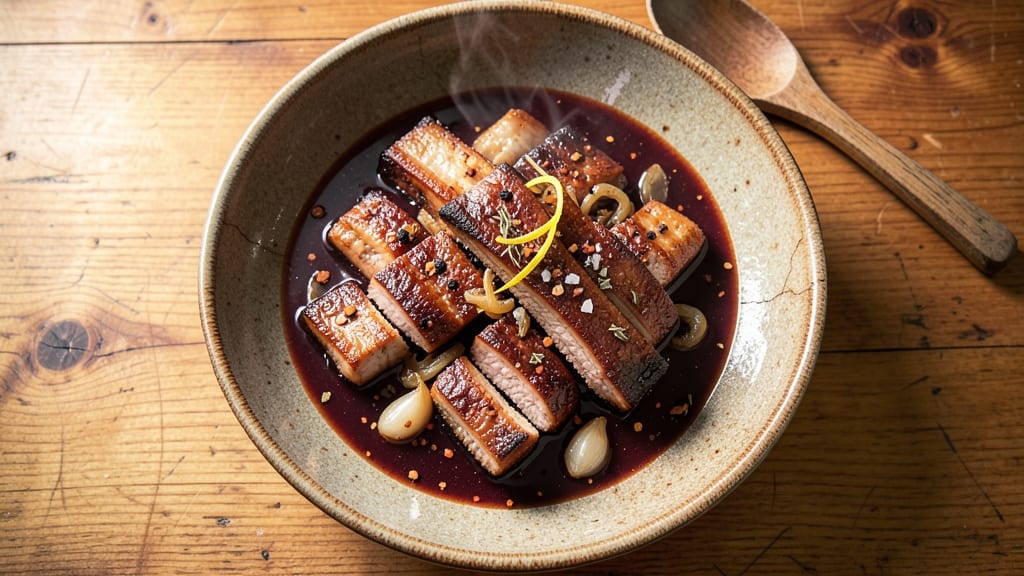
This braised boneless pork ribs recipe transforms tough cuts into melt-in-your-mouth tenderness with a rich, caramelized sauce that clings to every bite. Growing up in Georgia, I learned pork deserves slow cooking—where collagen dissolves into velvety perfection, and bold spices create layers of flavor that linger.
The secret lies in a precise balance of acid, sweetness, and aromatics, cooked low and slow until the ribs fall apart effortlessly.
Unlike traditional bone-in ribs, boneless cuts cook faster—about 3 hours—while still developing deep, complex flavors.
We'll use a simple marinade of soy sauce, brown sugar, and garlic to jumpstart the process, then braise in a mix of apple cider, red wine, and spices that builds into a glossy, sticky sauce. The result?
Ribs so tender they practically dissolve, bathed in a sauce that's perfect for dipping or drizzling.
This technique delivers restaurant-quality results without requiring special equipment. A heavy Dutch oven does the work while you prep sides or enjoy the aromas filling your kitchen. The caramelized edges develop naturally from the slow cooking process, creating contrast with the melt-in-your-mouth centers.
Serve with crusty bread to soak up every last drop of that golden-brown sauce—it's the kind of meal that makes weeknights feel special.
Perfect for feeding a crowd or meal prepping, these ribs reheat beautifully while maintaining their juicy texture. The recipe scales effortlessly, making it ideal for gatherings where pork takes center stage.
Whether you're hosting a family dinner or simply craving comfort food, this method delivers consistent, impressive results every time.
Ingredients for braised boneless pork ribs
These 15 ingredients transform tough pork into melt-in-your-mouth ribs with restaurant-quality sauce.
| Ingredient | Amount | Notes |
|---|---|---|
| Boneless Pork Ribs 🍖 | 2 ½ lb | Cut into 2-inch chunks, trimmed of fat |
| Apple Cider Vinegar 🍎 | ½ cup | Bottled or raw, for acidity |
| Red Wine 🍷 | ½ cup | Bold dry variety like Cabernet Sauvignon |
| Brown Sugar 🍚 | ¼ cup | Light or dark, packed |
| Soy Sauce 🍶 | ¼ cup | Low-sodium preferred |
| Garlic Cloves 🧄 | 6 cloves | Minced, for deep flavor |
| Yellow Onion 🧅 | 1 whole | Medium, sliced into half-moons |
| Carrots 🥕 | 2 whole | Medium, cut into thick rounds |
| Celery Stalks 🥬 | 2 whole | Cut into 1-inch pieces |
| Fresh Thyme 🌿 | 1 tbsp | Leaves only, chopped |
| Bay Leaves 🍃 | 2 whole | Dried, for aromatic depth |
| Black Peppercorns 🌶️ | 1 tsp | Coarsely cracked |
| Salt 🧂 | 1 ½ tsp | Diamond Crystal kosher salt |
| Olive Oil 🫒 | 2 tbsp | Extra-virgin for searing |
| All-Purpose Flour 🌾 | 2 tbsp | For dredging ribs |
The pork ribs are the foundation—boneless cuts from the grocery store's butcher section work best (ask for the rib tips if available). Costco or Whole Foods often carry pre-cut boneless pork ribs, but if you're buying a whole packer, trim the silver skin and fat cap yourself. The ribs should be about 2 inches thick for even cooking. For extra tenderness, pound the thicker pieces gently with a meat mallet before cooking. The apple cider vinegar and red wine combo is non-negotiable here—the acidity tenderizes while the wine adds depth. Trader Joe's has a great organic apple cider vinegar that works perfectly.
No red wine? Substitute with beef broth plus 1 tbsp balsamic vinegar—it's what I do when I'm out. Fresh thyme is ideal, but dried thyme at half the amount works in a pinch. The brown sugar can be swapped for maple syrup if you prefer, though it adds a slightly different depth. For the vegetables, don't stress about exact measurements—eyeball the carrots and celery to about 2 cups total. The flour is just for dredging before searing, so any all-purpose brand will do. If you're making this ahead, prep all the aromatics (onion, garlic, carrots, celery) and store them in a sealed container in the fridge for up to 3 days—they'll keep their flavor perfectly.
This sauce gets better with time—3-4 days in the fridge is ideal if you can plan ahead. The ribs reheat beautifully: just warm in the sauce over medium heat for 10-15 minutes until steaming hot. For meal prep, portion the ribs and sauce separately—store the sauce in a jar and reheat it separately when serving. The ribs freeze wonderfully too: cool completely, wrap tightly in foil, then freeze for up to 3 months. When ready to eat, thaw overnight in the fridge and reheat gently in the sauce. The caramelized edges will soften slightly but still deliver that perfect texture contrast.
Why You'll Love This Recipe
- Here’s what sold me: that tangy vinegar cuts through the richness of the pork, while the red wine adds depth, and the brown sugar? It turns the sauce into this glossy, addictive glaze. The ribs stay tender but hold their shape—no mushiness.
- One-Pan Magic: I swear by this recipe when I’m too wiped to scrub a million dishes—just sear the ribs, dump in the vinegar, wine, and soy, then let it bubble away. The brown sugar caramelizes right in the pot, so no extra cleanup.
- Sweet-Savory Balance: Here’s what sold me: that tangy vinegar cuts through the richness of the pork, while the red wine adds depth, and the brown sugar? It turns the sauce into this glossy, addictive glaze. The ribs stay tender but hold their shape—no mushiness.
- Leftovers for Days: Between us, this recipe makes way more than we’ll eat in one sitting, and honestly? That’s a win. The flavors only get better the next day, so I freeze portions for lazy nights or toss them into fried rice. (Yes, even on a Tuesday night.)
Step-by-step instructions for braised boneless pork ribs
Here's how to transform tough pork ribs into melt-in-your-mouth perfection with rich, caramelized edges.
Prep and Sear the Ribs for Maximum Flavor
Start by cutting the 2.5 lb boneless pork ribs into 2-inch chunks, trimming any remaining fat. This size ensures even cooking and maximum surface area for flavor development. In a bowl, combine the 2 tbsp all-purpose flour with 1 tsp salt and 1 tsp coarsely cracked black peppercorns. Toss the rib chunks in this mixture until evenly coated.
Heat the 2 tbsp extra-virgin olive oil in a heavy Dutch oven over medium-high heat until shimmering. Working in batches to avoid crowding, sear the rib chunks for 3-4 minutes per side until they develop a deep golden-brown crust. This initial sear locks in juices and creates the foundation for that caramelized edge we're after. Transfer the seared ribs to a plate and set aside. 2
Build the Aromatic Base for Deep Flavor
In the same Dutch oven, add the sliced yellow onion, thick carrot rounds, and celery pieces. Cook over medium heat for 5-6 minutes until the vegetables begin to soften and release their natural sweetness. Add the 6 minced garlic cloves and cook for another 30 seconds until fragrant—this is when your kitchen should smell like a French bistro.
Pour in the 0.5 cup red wine and scrape up any browned bits from the bottom of the pot. These bits, called fond, are packed with flavor that will dissolve into your braise. Let the wine simmer for 2-3 minutes until reduced by half. This reduction concentrates the flavors and forms the base of your sauce.
Deglaze and Combine All Ingredients
Add the 0.5 cup apple cider vinegar and 0.25 cup soy sauce to the pot, stirring to combine. The vinegar will brighten the flavors while the soy sauce adds umami depth. Return the seared rib chunks to the pot, nestling them among the vegetables. Pour in enough water to come about halfway up the ribs—typically 2-3 cups.
Bring the liquid to a gentle simmer, then add the 0.25 cup packed brown sugar, 1 tbsp chopped fresh thyme, and 2 bay leaves. The sugar will caramelize slightly during cooking, adding natural sweetness that balances the acidity. Cover the pot and transfer to a preheated 325°F oven, where it will cook slowly for 2 to 2.5 hours until the ribs are fork-tender.
Step 4: Finish with Caramelized Edges and Rich SauceAbout 30 minutes before the ribs are done, increase the oven temperature to 375°F and remove the lid. This final step allows the liquid to reduce and the ribs to develop those coveted caramelized edges. The ribs are perfectly cooked when they easily pull apart with a fork and the sauce has thickened to a glossy consistency.
Remove the ribs from the pot and transfer them to a serving platter. Skim off any excess fat from the sauce, then spoon the rich, caramelized liquid over the ribs. Garnish with additional chopped thyme if desired. Serve immediately with crusty bread to soak up every last drop of that luxurious braising liquid.
Step 5: Rest and Serve for Maximum JuicinessLet the braised ribs rest for 5-10 minutes before serving. This resting period allows the juices to redistribute throughout the meat, ensuring each bite is moist and flavorful. The ribs should be tender enough to pull apart with your fingers, with that beautiful caramelized crust still intact.
Here's the thing—this dish tastes even better the next day as the flavors continue to develop. Store any leftovers in the refrigerator for up to 3 days, or freeze for up to 3 months. When reheating, warm gently in the sauce on the stovetop over low heat to maintain that perfect texture.
Pro Tips For Making Braised Boneless Pork Ribs
- SEAR FIRST, THEN BAKE: Walk away after the initial sear—don’t rush the browning. Those dark spots lock in flavor, and skipping this step means your ribs will taste like they’re missing something. I used to rush it, and the sauce never stuck right.
- CUT THE FAT, NOT THE FLAVOR: Trim excess fat from the ribs, but leave a thin layer on the meat—it renders into the pan and makes the sauce richer. I learned this the hard way when my first batch turned out dry because I went overboard with the knife.
- LOW AND SLOW WINS: Cover the pot and simmer at 300°F (150°C) for at least 2 hours—no peeking, no stirring. The ribs need time to soften, and rushing it turns them tough. I know, I know, but trust the process.
- DEGLAZE WITH THE VINEGAR LAST: Save the apple cider vinegar for the very end—add it after the wine and sugar have caramelized. This keeps the bright acidity from dulling the flavors too early. Sounds weird, but it works every time.
Pro cooking tips for this recipe
Sear First, Braise Long
Never skip the sear—this step creates the Maillard reaction that builds deep, caramelized flavors. I use a heavy Dutch oven like Le Creuset because it distributes heat evenly and prevents hot spots that can burn your ribs.
Sear in batches to avoid crowding, and don't rush this step—3-4 minutes per side at medium-high heat gives you that perfect crust. 🔥
Control That Liquid
The liquid level matters more than you think. You want it to come about halfway up the ribs—too much liquid = pale, watery sauce; too little = dry meat. I measure by eyeballing the pot after adding ribs and veggies.
If it looks too shallow, add ½ cup water—the sauce will reduce beautifully during braising. The key is maintaining that balance between moist cooking and sauce concentration.
Low and Slow Wins
Resist the urge to crank the heat—325°F is the magic temperature for collagen breakdown. I use my oven's convection setting for more even heat circulation, but if you don't have it, just rotate the pot halfway through.
The ribs are done when they pull apart easily with two forks. Pro tip: If you're short on time, try 300°F for 3 hours—it gives the same tender results with slightly less risk of overcooking.
The 375°F Finish
Those caramelized edges don't happen by accident—they're earned in the final 30 minutes at 375°F. Remove the lid and let the sauce reduce dramatically. This isn't just about color; it's about concentrating flavors.
I like to check the sauce consistency at 20 minutes—if it's still too thin, uncover it completely. The ribs should have that beautiful glossy sheen when done.
Rest Like a Pro
This is where many home cooks fail. Let those ribs rest for at least 10 minutes before serving—it lets the juices redistribute. I actually rest mine for 15 minutes in a warm oven (200°F) if I'm prepping ahead.
The difference in texture is night and day. Trust me, your guests will notice if you skip this step—the meat will be drier and less flavorful.
Sauce Secrets
The braising liquid is just as important as the meat. After removing the ribs, skim off any excess fat with a spoon—it prevents the sauce from becoming greasy. For extra richness, I sometimes add 1 tbsp butter at the end and whisk it in.
The sauce should coat the back of a spoon and have that perfect balance of sweet, tangy, and umami flavors. Save any leftovers—they make an amazing pasta sauce or gravy! 💛
Nutrition facts
Frequently asked questions
Can I use regular pork ribs instead of boneless?
Yes, but you'll need to adjust the cooking time. Bone-in ribs take 4-5 hours at 300°F since bones conduct heat differently. Remove them when the meat pulls away from the bone easily. The sauce will still be perfect—just expect slightly longer braising time.
What if I don't have red wine?
No problem! Substitute with ½ cup beef broth plus 1 tbsp balsamic vinegar for similar depth. For extra richness, add 1 tbsp tomato paste to deepen the umami. The acidity from the vinegar helps tenderize the meat just like wine would.
Can I make this in a slow cooker?
Brown the ribs first, then combine everything in your slow cooker on Low for 6-7 hours or High for 4-5 hours. Add ½ cup water if the liquid seems too low. The texture will be slightly different but still delicious—just skip the 375°F finish since slow cookers can't replicate that caramelization.
Why are my ribs still tough after cooking?
This usually happens from one of three things: not enough cooking time, too much liquid (diluting the flavors), or not resting properly. For boneless ribs, 2.5 hours minimum is needed at 325°F. If they're still firm, cook 30 more minutes covered. Always rest for 10+ minutes before serving—this lets the fibers relax.
Can I freeze the sauce separately?
Yes! Store the sauce in an airtight container in the freezer for up to 3 months. When ready to use, thaw in the fridge overnight, then reheat gently on the stovetop. For best results, add the ribs to the thawed sauce and warm through together. The sauce actually improves with freezing—flavors meld even more!