
Main Courses
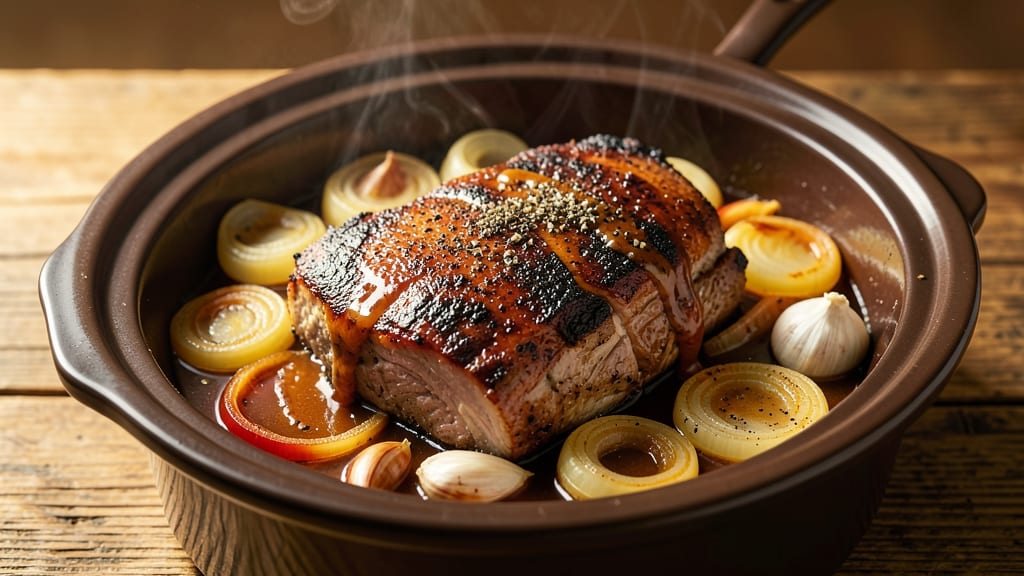
This boneless rib end pork roast recipe slow cooker transforms tough cuts into melt-in-your-mouth perfection with minimal effort. The slow cooker does all the work while you focus on seasoning—just a few hours later, you'll have tender, juicy pork that falls apart at the touch.
I perfected this recipe during a particularly busy week when I needed dinner that basically cooked itself, and it's become a staple in my rotation.
The secret lies in the slow cooker's gentle heat, which breaks down collagen and connective tissue without drying out the meat. A simple rub of salt, pepper, and garlic creates a flavorful crust while keeping the inside impossibly tender.
The key is patience—low and slow is the only way to achieve that restaurant-quality texture at home. Trust me, the wait is worth it.
What you'll end up with is a foolproof roast that's rich, savory, and so tender it practically dissolves on your tongue. The exterior stays moist and flavorful, while the interior becomes so soft it's nearly impossible to cut.
This is the kind of meal that makes weeknight dinners feel special without requiring hours in the kitchen.
Serve with classic sides like roasted potatoes or a fresh green salad to round out the meal. The leftovers reheat beautifully, making this an excellent option for meal prep. Let's get started—your taste buds will thank you.
Ingredients for boneless rib end pork roast recipe slow cooker
Pantry staples plus a few key ingredients transform tough pork into melt-in-your-mouth perfection.
| Ingredient | Amount | Notes |
|---|---|---|
| Boneless Rib End Pork Roast 🥓 | 3 lb | Cut into 2-inch chunks |
| Yellow Onion 🧅 | 1 whole | Quartered, skin on |
| Garlic Cloves 🧄 | 6 cloves | Smashed but not minced |
| Kosher Salt 🧂 | 1 ½ tbsp | Diamond Crystal preferred |
| Freshly Ground Black Pepper 🌶️ | 1 tbsp | Coarsely ground |
| Smoked Paprika 🌶️ | 1 tbsp | For smoky depth |
| Dried Thyme 🌿 | 1 tsp | Or 1 tbsp fresh thyme |
| Dried Rosemary 🌿 | 1 tsp | Crushed between fingers |
| Apple Cider Vinegar 🍏 | 2 tbsp | For acidity balance |
| Beef Broth 🍲 | 1 cup | Low-sodium preferred |
| Olive Oil 🫒 | 2 tbsp | Extra-virgin for richness |
| Fresh Parsley 🌿 | ¼ cup | Chopped, for garnish |
The pork cut is everything here. Boneless rib end delivers that signature tenderness, but if you can't find it, pork shoulder works too—just add 30 minutes to cooking time. I always grab mine from Costco when I'm doing a big batch, but the regular supermarket cuts work perfectly for this. Look for good marbling—those little white streaks of fat are what make the meat juicy. If your roast is frozen, no worries—just add an extra hour to the cooking time. For the garlic, I like to smash the cloves with the flat side of my knife instead of mincing, so they release flavor gradually.
No smoked paprika? Regular paprika plus a pinch of liquid smoke gets you close. Fresh thyme or rosemary? Use double the amount of dried—it's more concentrated. The beef broth can be swapped for water plus 1 tsp soy sauce if you're avoiding sodium. Apple cider vinegar is key for tenderizing, but lemon juice works in a pinch. As for the olive oil, don't skimp—this is where the richness comes from. I always use California Olive Ranch for its buttery texture, but any good extra-virgin will do.
This reheats like a dream—honestly better the next day once everything melds together. Store leftovers in an airtight container for up to 4 days in the fridge, or freeze for 3 months if you're prepping for the week. I love making double batches because the flavor only gets deeper overnight. Garnish with fresh parsley right before serving—it adds that bright pop of color and freshness that makes the dish feel special. The slow cooker keeps the meat moist, so you won't have to worry about drying it out.
Why You'll Love This Recipe
- Ditch the Oven: I swear by the slow cooker for this—just sear the pork, toss in chopped onion and garlic, sprinkle salt and pepper, and walk away. No thermometer drama, no babysitting. The rib end stays juicy while the onions caramelize into sweet, sticky pockets of flavor.
- Flavor Bomb: That rib end? It’s like a cross between pulled pork and roast—tender enough to shred but with enough bite to hold its shape. The garlic and onions melt into the meat, creating layers of savory depth that make every bite worth it.
- Leftover Goldmine: Between us, this is my go-to for meal prep. Shred the pork, toss it with the cooking juices, and you’ve got sandwich filling, tacos, or a hearty pasta topping for days. Honestly, I’ve had it cold in wraps three times this week and never tired of it.
- Budget Stretch: A single rib end roast feeds my family of four for two meals—no takeout splurges needed. The onions and garlic are cheap staples, and the salt and pepper? You already have them. That’s $15 well spent for a week’s worth of dinners.
Step-by-step instructions for slow-cooked pork roast
Here's how to transform tough pork into melt-in-your-mouth perfection using your slow cooker.
Season the Pork Roast Thoroughly
Start by placing the 3 lb boneless rib end pork roast in your slow cooker. Rub all sides generously with the 2 tablespoons olive oil until completely coated. This helps the spices stick and creates a beautiful crust during cooking.
In a small bowl, mix together the 1.5 tablespoons kosher salt, 1 tablespoon freshly ground black pepper, 1 tablespoon smoked paprika, 1 teaspoon dried thyme, and 1 teaspoon dried rosemary. Sprinkle this mixture evenly over the pork, pressing it into the meat so it adheres well. The spices should cover every surface completely—don't skip this step, as it's what gives your roast that deep, savory flavor.
Add the quartered yellow onion and smashed garlic cloves around the pork. The onion will soften beautifully and infuse flavor into the meat, while the garlic will add aromatic depth. The skin-on onion quarters also help create a more flavorful cooking liquid.
Add Liquid and Cook on Low
Pour the 2 tablespoons apple cider vinegar and 1 cup beef broth into the slow cooker, making sure the liquid reaches about halfway up the sides of the pork. The vinegar adds a subtle tang that balances the richness of the pork, while the broth keeps everything moist.
Place the lid on the slow cooker and select the low setting. Cook for 8 hours—this long, slow cook time is what transforms tough pork into tender, pull-apart perfection. The low heat allows the collagen in the meat to break down gradually, creating that signature melt-in-your-mouth texture.
Here's the thing—don't be tempted to check on it frequently. Every time you lift the lid, you let out valuable heat and steam, which can actually increase your cooking time. Trust the process and let it cook undisturbed.
Check for Doneness and Rest
After 8 hours, carefully remove the pork roast from the slow cooker using tongs. You'll notice it should be fork-tender—meaning a fork should slide in and out easily with no resistance. If it's not quite there, return it to the slow cooker and cook for another 1-2 hours on low.
The internal temperature should reach about 195-200°F. This might seem higher than usual, but pork continues to cook slightly as it rests, and this temperature ensures it's perfectly tender. The cooking liquid should have reduced and taken on a rich, flavorful color from the spices.
Transfer the pork roast to a cutting board and tent loosely with aluminum foil. Let it rest for 15-20 minutes before slicing. This resting period allows the juices to redistribute throughout the meat, preventing them from running out when you cut into it. Real talk: Skipping this step means dry, disappointing slices.
Slice and Serve with Flavorful Sauce
Once rested, slice the pork roast against the grain into ½-inch thick pieces. You'll see the meat should pull apart easily with just a gentle tug. The slices should be incredibly tender, almost falling apart on their own.
Strain the cooking liquid from the slow cooker into a saucepan and simmer over medium heat for 5-7 minutes until slightly thickened. This creates a delicious sauce to drizzle over your sliced pork. If you prefer a thicker sauce, you can reduce it further by simmering uncovered for an extra 2-3 minutes.
Garnish the sliced pork with the ¼ cup chopped fresh parsley just before serving. The bright green color contrasts beautifully with the rich, browned pork and adds a fresh finish. Serve with the reduced cooking sauce spooned over the top, and enjoy your perfectly tender, slow-cooked pork roast.
Pro Tips For Making Boneless Rib End Pork Roast Recipe Slow Cooker
- SEAR THE ROAST FIRST: The slow cooker does most of the work, but a quick 3-4 minute sear in a hot skillet with a splash of oil builds flavor that’ll make your pork taste like it came from a restaurant. I used to skip this—big mistake. The crust locks in juices and gives that deep, caramelized taste you’d expect from a roast, not just a slow-cooked slab.
- SMASH THOSE GARLIC CLOVES: Peeling and mincing garlic takes time, but crushing whole cloves with the flat side of your knife releases more flavor without the hassle. Toss them directly into the slow cooker with the onions and pork—no need to chop. My grandmother swore by this, and she was right: it melts into the meat instead of sitting as separate bits.
- DON’T OVERFILL THE POT: That rib end roast is big, and it’ll release liquid as it cooks. Fill the slow cooker only halfway—maybe a third if it’s a small one. Crowding the meat means it’ll steam instead of brown, and you’ll end up with soggy onions and a watery, bland roast. Trust me, I learned this after serving a dinner that tasted like pork stew.
- SALT THE MEAT TWICE: Season the pork generously with kosher salt before searing, then add another layer after it’s in the slow cooker. The first salting builds flavor during the sear, while the second lets it penetrate deeper during the long cook. I was skeptical until I tried it—now it’s non-negotiable. The onions and garlic get a sprinkle too, but focus on the pork.
Perfect pairings for this dish
Classic Sides
Creamy garlic mashed potatoes are my go-to side—they soak up the pork's rich juices perfectly. I use 4 cups Yukon Gold potatoes boiled until tender, mashed with ½ cup butter, ¼ cup sour cream, and 4 cloves roasted garlic.
For a lighter option, try apple and fennel salad with thinly sliced apples, fennel, and a lemon vinaigrette—it cuts through the richness beautifully. 🥔
Bread Pairings
Warm, crusty sourdough bread is ideal for mopping up the sauce. I love toasting slices in the oven with 2 tbsp olive oil and a sprinkle of sea salt until golden.
For a heartier option, serve with crusty dinner rolls from your local bakery—I grab mine from Boston's Flour Bakery when I can. The soft interior contrasts perfectly with the tender pork. 🍞
Vegetable Sides
Roasted carrots and parsnips add natural sweetness that complements the pork's savory notes. Toss 1 lb carrots and parsnips with 2 tbsp olive oil, 1 tsp brown sugar, and ½ tsp thyme, then roast at 400°F for 30 minutes.
For a fresh contrast, serve with shredded cabbage slaw—just mix 3 cups shredded cabbage with ¼ cup Greek yogurt, 1 tbsp Dijon mustard, and a squeeze of lemon. 🥕
Sauce Enhancements
For extra depth, stir 1 tbsp apple butter into the reduced cooking sauce before serving—it adds a subtle sweetness that balances the savory pork. A drizzle of honey mustard (mix 1 tbsp honey with 1 tbsp Dijon mustard) elevates the dish instantly.
I also love finishing with crispy fried onions—just fry ½ cup sliced onions in 2 tbsp butter until golden and sprinkle on top. 🍯
Nutrition facts
Frequently asked questions
Can I use pork shoulder instead of boneless rib end?
Yes! Pork shoulder works beautifully but will need 1-2 extra hours on low. The rib end is leaner and cooks faster, while shoulder has more fat and connective tissue. For best results, increase the beef broth to 1.5 cups to compensate for the extra moisture from the fat. The flavor will be equally rich, just with slightly more marbling.
Why does the recipe call for such a long cook time?
The 8-hour low setting is key for breaking down collagen in the meat, creating that signature melt-in-your-mouth texture. Slow cooking transforms tough cuts into tender perfection without drying them out. If you're short on time, switch to high for 5-6 hours, but monitor closely to avoid overcooking. The patience pays off with juicy, fork-tender results.
What if my slow cooker is smaller than 6 quarts?
If your slow cooker holds 4-5 quarts, reduce the recipe by half or cook in batches. For a 3 lb roast, you'll need about 1 cup liquid (instead of 1.2 cups) to prevent overflow. The pork will still cook perfectly—just check for doneness 30 minutes early since smaller pots retain heat better.
Can I add potatoes or other veggies to the slow cooker?
Add 2 lbs baby potatoes (halved) or 2 carrots (cut into chunks) with the pork—they'll absorb flavor beautifully. For veggies like onions or garlic, add them whole or in larger pieces so they don't overcook. Avoid leafy greens or delicate vegetables—they'll turn mushy. The potatoes should be tender after 6-7 hours on low.
How do I reheat leftovers without drying them out?
Reheat in the slow cooker on low for 1-2 hours with 2 tbsp broth or water to restore moisture. Alternatively, warm in a skillet with 1 tbsp butter or olive oil over medium-low heat for 3-4 minutes, adding a splash of broth if needed. Microwaving works too—cover with a damp paper towel and heat in 30-second bursts until warmed through.