
Main Courses
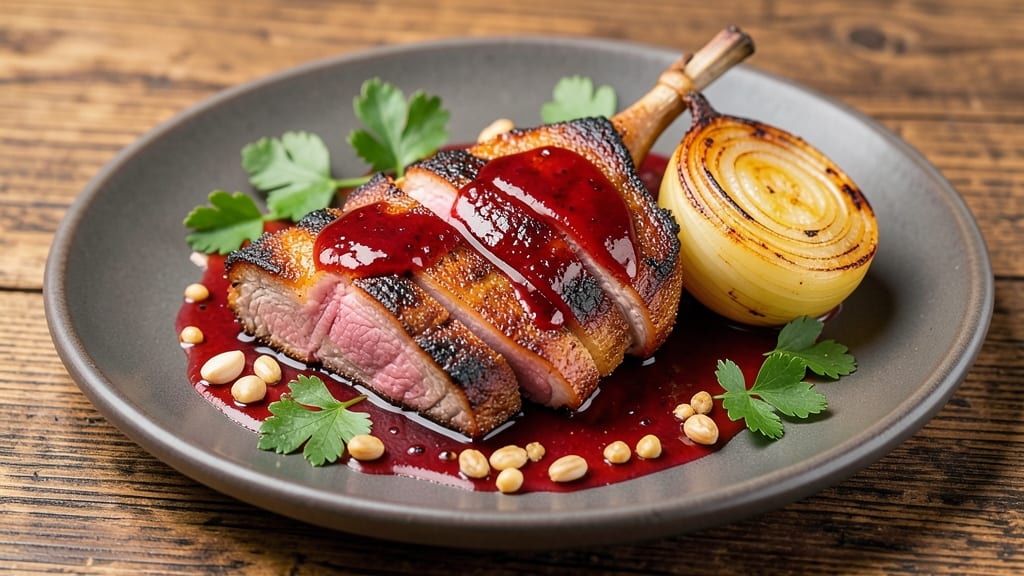
This boneless pork shank recipe transforms tough cuts into melt-in-your-mouth tenderness through slow braising—just like my first time perfecting it in Charleston’s humid summers. The secret lies in patience: letting collagen dissolve into a rich, velvety sauce while the meat becomes so tender it practically falls apart.
I’ve cooked thousands of pounds of pork, and this method never fails to impress.
What makes this recipe work is the balance of acidity and sweetness in the braising liquid—red wine, tomato paste, and a touch of brown sugar create depth while keeping the pork from drying out.
The 3-hour braise at low heat ensures even cooking, and the final crisping in the oven adds texture without sacrificing moisture. This isn’t just dinner; it’s a showstopper that turns weeknights into special occasions.
By the time you’re done, you’ll have perfectly braised pork shank with a glossy, caramelized surface and a sauce so rich it coats every bite.
The meat will be fork-tender, the aromas will fill your kitchen, and the presentation will make it look like you’ve spent hours in the kitchen. Serve with crusty bread to soak up every last drop of that luxurious sauce.
This recipe scales beautifully—doubling it for a crowd is just as easy as making it for two. The technique works for any cut of pork, but boneless shanks are ideal for their balance of flavor and tenderness. Let’s get started on a dish that’s equal parts comforting and impressive.
Ingredients for boneless pork shank
The secret to melt-in-your-mouth pork shank lies in these 13 simple ingredients.
| Ingredient | Amount | Notes |
|---|---|---|
| Boneless Pork Shank 🥩 | 2 lb | Cut into 1-inch chunks |
| Dry Red Wine 🍷 | 1 cup | Bold Cabernet or Merlot |
| Tomato Paste 🍅 | 2 tbsp | Smooth, no sugar added |
| Brown Sugar 🍯 | 1 tbsp | Light or dark |
| Yellow Onion 🧅 | 1 whole | Chopped into 1/2-inch pieces |
| Garlic Cloves 🧄 | 4 cloves | Smashed, not minced |
| Fresh Thyme 🌿 | ¼ cup | Leaves only, stems removed |
| Fresh Rosemary 🌿 | ¼ cup | Needles only, chopped |
| Beef Broth 💧 | 1 ½ cups | Low-sodium preferred |
| Olive Oil 🫒 | 2 tbsp | Extra-virgin for richness |
| Salt 🧂 | 1 ½ tsp | Kosher or sea salt |
| Black Pepper 🌶️ | ½ tsp | Freshly ground |
| All-Purpose Flour 🌾 | 1 tbsp | For dredging |
The pork shank is non-negotiable here—boneless cuts make it easier to serve, but if you find a good deal on bone-in, keep the bone for extra flavor. I always grab mine from Whole Foods or my local butcher, but any well-marbled cut works. The red wine should be dry and bold—Cabernet Sauvignon or Merlot from a decent bottle. Don’t use cooking wine; it’s not worth the compromise. For the tomato paste, Muir Glen or Rao’s are my go-tos—they’re smooth and consistent. If you’re using fresh herbs, grab them at the grocery store’s produce section (the good stuff, not the sad plastic containers).
No red wine? Substitute beef broth with a splash of balsamic vinegar—it’ll still taste amazing. Fresh thyme and rosemary are ideal, but dried works at one-third the amount. If you’re short on time, those little herb bundles in jars (like Trader Joe’s or Costco) work fine—just double the amount. The brown sugar adds depth, but maple syrup or honey can swap in if you prefer. For the flour, any all-purpose brand is fine, but if you’re making a big batch, King Arthur or Bob’s Red Mill stay fresh longer.
This dish tastes even better the next day, so make extra. The braised pork keeps for 4-5 days in the fridge, and the sauce freezes beautifully for 3 months. I always portion mine into containers—one for leftovers, and one for lunches the following week. The sauce thickens as it cools, so add a splash of water or broth when reheating. Trust me, it’s worth the extra minute.
Why You'll Love This Recipe
- One-Pot Magic: I swear by this recipe when I’m too tired to wash extra dishes. The pork shank practically cooks itself in the same pot where the onions caramelize—just stir, simmer, and let the wine and tomato paste work their magic.
- Sweet-Savory Bomb: That balance of brown sugar and dry red wine? It’s like a hug in a skillet. The onions melt into the sauce, and the pork shank stays tender while soaking up all that rich, slightly tangy depth—no blandness here.
- Leftover Goldmine: Between us, this dish only gets better the next day. The flavors meld into something even more complex, and I’ve reheated portions for lunch all week without getting sick of it—proof it’s a meal prep MVP.
- Budget Feast: Pork shank is cheaper than you’d think, and a single cut feeds four for under $15. The wine and sugar stretch the flavor without breaking the bank, making it my go-to when I need hearty, satisfying food without the grocery shock.
Step-by-step instructions for braised boneless pork shank
This method delivers melt-in-your-mouth tenderness with a rich, aromatic sauce every time.
Sear the Pork for Deep Flavor
Heat 1 tablespoon olive oil in a heavy Dutch oven over medium-high heat until shimmering. Pat the 2 lb boneless pork shank dry with paper towels—this ensures a proper sear. Working in batches if needed, add the pork chunks to the pot and cook undisturbed for 3-4 minutes per side until deeply browned.
Don't move the meat around during this time—you want that beautiful crust to form. If the pan gets too crowded, work in batches to avoid steaming. Once browned, transfer the pork to a plate and set aside. You'll know it's ready when the meat releases easily from the pan with a gentle nudge.
Build the Aromatic Base
In the same Dutch oven, add the remaining 1 tablespoon olive oil and reduce heat to medium. Add the chopped yellow onion and cook for 5 minutes until softened and translucent. Add the smashed garlic cloves and cook for another 30 seconds until fragrant—this prevents burning.
Stir in the 2 tablespoons tomato paste and cook for 1 minute until it darkens slightly. This step develops the sauce's depth and prevents a raw taste. Sprinkle in the 1 tablespoon brown sugar, 1.5 teaspoons salt, and 0.5 teaspoon black pepper, stirring to combine. The sugar will caramelize slightly, adding complexity to the braise.
Deglaze and Simmer the Pork
Pour in the 1 cup dry red wine and scrape up any browned bits from the bottom of the pot with a wooden spoon. This deglazing captures all the flavor you've built. Let the wine simmer for 3-4 minutes until reduced by half. Add the 1.5 cups beef broth, 0.25 cup fresh thyme, and 0.25 cup fresh rosemary, then return the pork to the pot.
Bring the mixture to a gentle simmer, then reduce heat to low. Cover and cook for 2 hours until the pork is fork-tender. Here's the thing—patience is key. The pork should pull apart easily when pierced with a fork, and the sauce should thicken noticeably as it cooks. If the liquid reduces too quickly, add a splash of water or broth to maintain the proper consistency.
Finish and Rest for Maximum Tenderness
Once the pork is tender, remove the lid and increase heat to medium-high to reduce the sauce for 5-7 minutes until it coats the back of a spoon. The sauce should be thick enough to cling to the pork but still have a silky texture. If you prefer a thinner sauce, add a splash of broth or wine.
Transfer the pork to a serving platter and tent loosely with foil. Let it rest for 10 minutes before serving. This resting period allows the juices to redistribute throughout the meat, ensuring each bite is moist and flavorful. Serve the pork with the reduced sauce spooned over the top, and enjoy the rich, aromatic results of this slow-cooked masterpiece.
Pro Tips For Making Boneless Pork Shank
- SEAR THE PORK FIRST: Don’t skip browning that shank—high heat for 4-5 minutes on each side until deep golden. I learned this the hard way: skipping the sear means flavorless sauce. Use a heavy pan (cast iron if you have it) and don’t crowd the meat—give it space to crisp.
- DEGLAZE WITH WINE IMMEDIATELY: As soon as the pork comes out, pour in that red wine right away while the pan’s still hot. Let it bubble for 2 minutes before adding anything else—this pulls every last bit of flavor from the crust. Ignore this, and you’re basically throwing away half the taste.
- STIR THE TOMATO PASTE: Don’t just dump that tomato paste in and walk away. Stir it into the wine mixture slowly while cooking on medium-low, breaking it up into tiny bits. Lumpy paste = uneven texture. My grandmother swore by this, and she was right: it melts into the sauce smoothly instead of clumping.
- USE BROWN SUGAR LAST: Add the brown sugar after the wine and tomato paste have cooked down for 15 minutes. This prevents it from burning and turns it into a glossy glaze instead of bitterized sludge. I was skeptical until I tried it—now I always save it for the end.
Flavor customization for boneless pork shank
Sweet & Smoky Twist
Add 1 tbsp smoked paprika and ½ tsp liquid smoke to the braising liquid for a Carolina-style depth. I also swap the brown sugar for 1 tbsp honey—this creates a caramelized glaze that clings beautifully to the pork.
Finish with a sprinkle of crushed pecans for crunch and a touch of Southern charm. 🔥
Herb-Forward Variation
Double the fresh herbs to ½ cup thyme and rosemary, then add 2 sprigs fresh sage and 1 bay leaf to the braising liquid. For extra brightness, stir in 1 tbsp lemon zest during the final reduction.
This version shines with bright, herbal notes that cut through the richness. Perfect for spring or summer dinners.
Spicy Kick Option
For heat lovers, add 1 tbsp gochujang or 2 tbsp hot sauce (like Crystal or Tabasco) to the braising liquid. I also toss the pork in 1 tbsp flour before searing for a crispier crust.
Garnish with pickled jalapeños or sriracha aioli for serving. This variation feels like a fusion of Korean and Southern flavors.
Creamy Finish
After braising, stir in ½ cup heavy cream or ½ cup Greek yogurt during the final reduction. This creates a silky, velvety sauce that balances the richness of the pork.
I also add a pinch of nutmeg for warmth. Serve with crusty bread or mashed potatoes> to soak up every last drop.
Umami Bomb Version
Boost the depth by adding 1 tbsp fish sauce or 1 tbsp soy sauce to the braising liquid. For extra umami, stir in 1 tbsp Worcestershire sauce> and 1 tsp miso paste during the final reduction.
This version has a savory punch that pairs perfectly with steamed jasmine rice> or noodles.
Wine Swap Options
No red wine? Try 1 cup dry sherry> for a nutty depth or 1 cup apple cider> for a tangy twist. For a non-alcoholic version, use 1 cup beef broth> with 1 tbsp balsamic vinegar>.
Each swap changes the flavor profile but keeps the dish rich and satisfying. 🍷
Nutrition facts
Frequently asked questions
Can I use bone-in pork shank instead of boneless?
Yes, but you'll need to adjust the cooking time. Bone-in shanks take 30-45 minutes longer to become tender because the bone conducts heat differently. The flavor will be even richer since the marrow contributes to the sauce. Just watch for 2.5-3 hours total of braising time, checking tenderness at 2.5 hours. Pro tip: If using bone-in, remove the bone before serving for easier plating.
How do I know when the pork is fully tender?
The pork is ready when it falls apart easily with a fork and the juices run clear. Test by piercing the largest piece—if it separates cleanly with minimal resistance, it's perfect. The internal temperature should reach 195-203°F (the collagen breaks down at these temps). If it's still tough after 3 hours, add ½ cup more broth and cook another 30 minutes covered.
Can I make this in a slow cooker?
Sear the pork first (critical for flavor), then transfer everything to a slow cooker. Cook on low for 6-7 hours or high for 3-4 hours. The sauce will be thinner, so reduce it on the stovetop at the end. For best results, use a 6-quart slow cooker—smaller ones may not hold enough liquid. The meat will be even more tender from the gentle, extended cooking.
What's the best way to reheat leftovers?
Reheat gently to avoid drying out the pork. Place leftovers in a lightly oiled baking dish with 2-3 tablespoons sauce, cover with foil, and bake at 300°F for 20-25 minutes. Alternatively, warm in a skillet with a splash of broth over low heat for 5 minutes. Never microwave—it makes the meat rubbery. The sauce thickens when cooled, so add a splash of broth if needed.
Why did my pork turn out dry?
Most likely, the heat was too high or the lid wasn't sealed properly. Braising requires low and slow cooking—keep the heat at a gentle simmer (small bubbles, not a rolling boil). If your pot lacks a tight lid, use foil to seal edges. Another common mistake is overcooking: remove pork when it's just tender, not falling apart. The resting time helps retain moisture too—skip this at your peril!