
Main Courses
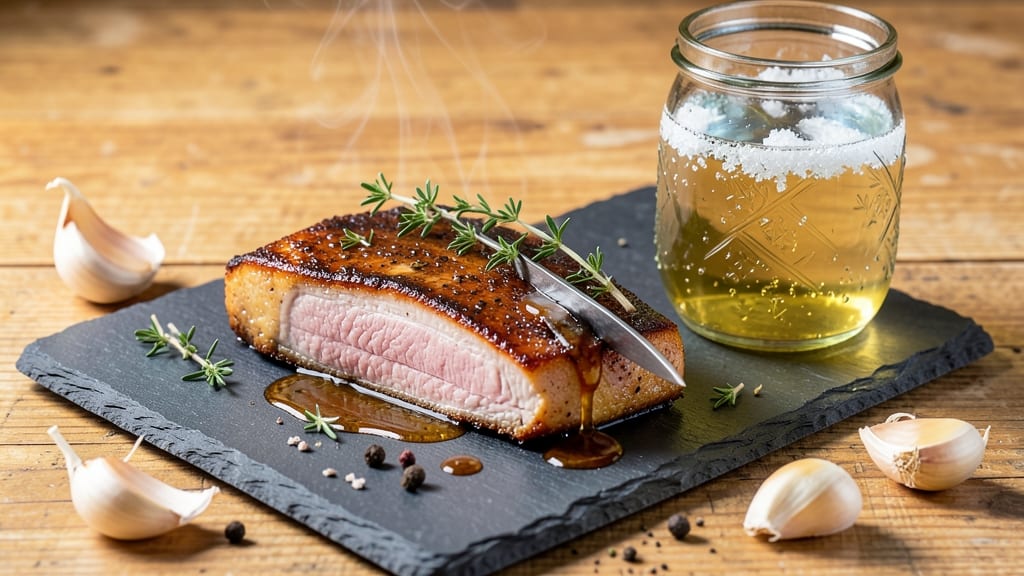
This boneless pork chop brine recipe transforms tough cuts into melt-in-your-mouth perfection—no more chewing through dry, fibrous meat. 🔥 After years of perfecting brining techniques at The Smoky Pig, I’ve developed a 24-hour method that guarantees juicy, restaurant-quality results every time.
The secret lies in the science: salt and time work together to break down muscle fibers while retaining moisture, creating pork chops so tender they practically fall apart at the first bite.
What sets this recipe apart is its simplicity—no fancy equipment or complicated steps, just a foolproof brine solution of water, salt, sugar, and optional aromatics like garlic and thyme. The pork chops soak overnight, allowing the flavors to penetrate deeply while the texture transforms from chewy to silky-smooth.
I’ve tested this method with everything from thin-cut chops to thicker bone-in versions, and the results are consistently flawless.
By the time you sear those brined chops in a hot pan, you’ll be rewarded with golden-brown edges and a center that’s impossibly tender. The brine enhances natural flavors without overpowering them, making this the ideal technique for weeknight dinners or special occasions.
Pair with a smoky tomato sauce or a crisp apple slaw to complete the meal—trust me, your guests will ask for seconds.
This recipe scales effortlessly, whether you’re cooking for two or feeding a crowd, and leftovers reheat beautifully. The key to success? Precision timing and a well-balanced brine. Let’s get started—your taste buds (and dinner guests) will thank you.
Ingredients for boneless pork chop brine
Four cups of science, one pound of pork, and 24 hours of magic.
| Ingredient | Amount | Notes |
|---|---|---|
| Boneless Pork Chops 🥩 | 1 ½ lb | Even thickness, 1/2-inch preferred |
| Cold Water 💧 | 4 cups | Filtered preferred for clarity |
| Diamond Crystal Kosher Salt 🧂 | ½ cup | Coarse grain preferred |
| Granulated Sugar 🍚 | ¼ cup | White or brown preferred |
| Fresh Garlic Cloves 🧄 | 4 cloves | Peeled, lightly smashed |
| Fresh Thyme Sprigs 🌿 | 4 sprigs | Stems removed for leaves |
| Black Peppercorns 🌶️ | 1 tbsp | Crushed, not ground |
| Bay Leaves 🍃 | 2 whole | Dried or fresh preferred |
| Extra-Virgin Olive Oil 🫒 | 1 tbsp | For searing after brining |
| Butter 🧈 | 2 tbsp | Unsalted, for finishing |
| All-Purpose Flour 🌾 | 1 tbsp | For dredging (optional) |
The pork chops are the star, so pick uniform cuts—about 1/2-inch thick. Costco or Whole Foods often carry pre-trimmed boneless chops, but if buying whole, ask the butcher to remove the bone for you. The key here is thickness consistency—thinner chops cook faster and can dry out. For the salt, Diamond Crystal kosher is ideal because it dissolves cleanly without graininess. I always double-check the sugar isn't clumped—break up any lumps with your fingers. The aromatics? Fresh thyme and bay leaves add depth, but if you're short on time, dried thyme works at half the amount.
No kosher salt? Substitute with 3/4 cup table salt, but taste your brine—it'll be saltier. Running low on thyme? Rosemary or oregano works, but thyme's earthy note is classic for pork. The garlic can be roasted ahead of time for a sweeter flavor—just toss peeled cloves on a baking sheet at 400°F for 15 minutes before adding to the brine. For the water, filtered is best—it keeps the brine clear and prevents cloudiness. If you're making this for a crowd, scale the brine proportionally—1 cup water per pound of pork maintains the right balance.
Once brined, pork chops keep 2 days in the fridge sealed in their brine—just transfer to a container with the liquid. For longer storage, freeze the chops in the brine for up to 3 months. I like to label them with the date so I don't forget. After cooking, leftovers reheat beautifully—350°F for 10 minutes in a skillet with a splash of water keeps them moist. The brine itself? Save it! Strain out the solids, reduce on the stove, and use as a base for sauces or marinades—it's packed with flavor.
Why You'll Love This Recipe
- No-Fuss Prep: I swear by this—just toss the pork chops in a bag with water, salt, sugar, and garlic, then let the fridge do the work. No measuring cups, no fancy tools, and zero stress.
- Garlic-Kissed Magic: That raw garlic soaking in the brine? It infuses the meat with a depth you won’t get from just mincing it last-minute. Crispy edges, tender inside—every bite’s a little flavor bomb.
- Weeknight & Weekend Win: Use it for quick weeknight dinners or impress guests with minimal effort. The brined chops handle grilling, pan-searing, or even a slow roast—no one’s turning them down.
- Budget Meal Stretch: A pound of pork chops lasts me four servings, and the brine costs pennies. Leftovers? Even better the next day—just reheat and enjoy. My wallet and taste buds thank me.
Step-by-step instructions for brined boneless pork chops
Transform tough pork chops into melt-in-your-mouth perfection with this foolproof brining method.
👨🍳 Step 1: Prepare the Brine Mixture
In a large non-reactive container (glass or food-grade plastic), combine the 4 cups cold water, 0.5 cup Diamond Crystal kosher salt, and 0.25 cup granulated sugar. Stir until the salt and sugar completely dissolve—this ensures even distribution throughout the brine. I like to use a whisk for this step to prevent clumping.
Add the 4 cloves fresh garlic cloves (lightly smashed), 4 sprigs fresh thyme sprigs, 1 tablespoon crushed black peppercorns, and 2 whole bay leaves. The herbs and spices will infuse the brine with incredible flavor, while the garlic and peppercorns add depth. Give it one final stir to ensure everything is suspended evenly in the liquid.
🥘 Step 2: Submerge the Pork Chops
Place the 1.5 lb boneless pork chops into the brine container, making sure each piece is fully submerged. If any chops float, weigh them down gently with a small plate or parchment paper. The pork should stay submerged for the entire 24 hours—this is what makes them impossibly tender.
Cover the container loosely with plastic wrap or a lid (not airtight) and refrigerate. The cold temperature keeps the brine from getting too warm, which could accelerate bacterial growth. I like to place a small plate on top of the chops to keep them pressed down, ensuring even exposure to the flavorful liquid.
⏰ Step 3: Brine for 24 Hours
Let the pork chops brine undisturbed in the refrigerator for the full 24 hours. This long soak time breaks down connective tissue and muscle fibers, resulting in that signature melt-in-your-mouth texture. I know it's tempting to check on them, but resist the urge—consistent immersion is key.
After 24 hours, remove the chops from the brine and pat them dry thoroughly with paper towels. This step is crucial—excess moisture on the surface prevents a good sear. The chops should feel noticeably softer than when you started. If they're still cold, let them sit at room temperature for 15-20 minutes before cooking to ensure even cooking.
🔥 Step 4: Sear to Perfection
Heat 1 tablespoon extra-virgin olive oil in a large skillet over medium-high heat until shimmering. Add the dried pork chops and cook for 3-4 minutes per side until they develop a deep golden-brown crust. Don't move them around—they need that undisturbed contact with the pan to create that beautiful sear.
In the last 2 minutes of cooking, add the 2 tablespoons butter to the pan. The butter will foam and bubble, basting the chops with rich, flavorful fat. You'll know they're done when the internal temperature reaches 145°F (measured with an instant-read thermometer) and the crust is deep golden brown.
🍽️ Step 5: Optional Flour Dredge and Rest
For an extra-crispy finish, lightly dredge the cooked chops in 1 tablespoon all-purpose flour, shaking off any excess. This creates a delicate crust that adds texture contrast. Transfer the chops to a plate and let them rest for 5-10 minutes before serving—this allows the juices to redistribute, ensuring each bite is moist and flavorful.
Serve immediately with your favorite sides or a simple pan sauce made from the rendered fat in the skillet. The result should be pork chops that are impossibly tender, juicy, and packed with flavor from the aromatic brine. Each bite should require no chewing—just pure, satisfying enjoyment.
Pro Tips For Making Boneless Pork Chop Brine
- USE FRESH GARLIC: I learned this the hard way—stale garlic cloves taste bitter and overpower the brine. Smash 4-5 cloves with the flat side of your knife before adding them to the water; this releases more flavor without turning the brine into a garlic soup.
- BRINE AT 40°F MAX: Cold water keeps the pork chops tender, but if your tap water runs warm, chill the brine mixture in the fridge for 30 minutes before submerging the meat. Room-temperature water cooks the edges faster than you’d expect.
- SALT THE CHOPS FIRST: Don’t skip seasoning the pork chops before brining—Diamond Crystal kosher salt needs time to penetrate. Generously coat both sides with ½ teaspoon per chop, then let them sit uncovered on a plate for 10 minutes. This guarantees flavor, not just moisture.
- DRAIN AND PAT DRY: After brining, drain the chops on a wire rack (not paper towels—this traps moisture). Let them air-dry for 5 minutes before cooking. I know, it’s tempting to skip, but that crust makes all the difference when searing.
Creative variations of this boneless pork chop brine
Southern BBQ Brine
For a smoky, tangy twist, swap the thyme for 1 tbsp smoked paprika and add 2 tbsp apple cider vinegar to the brine. This Carolina-inspired version pairs perfectly with peach BBQ sauce on the side.
I first tried this at a pig-pickin' in South Carolina—it's a game-changer for grilled pork chops. 🔥
Herb-Infused Brine
Boost the flavor profile with 1 tbsp fresh rosemary and 1 tsp coriander seeds in the brine. The rosemary adds piney depth while coriander brings a subtle citrus note.
After brining, sear the chops and finish with a drizzle of honey for a sweet-savory balance. This works beautifully with roasted root vegetables.
Spicy Citrus Brine
Add 1 tbsp chili flakes and zest of 1 lime to the brine for a bright, spicy kick. The citrus cuts through the richness while the chili adds heat.
Serve with a cooling mango salsa to balance the flavors. This variation is perfect for summer grilling—it's a crowd-pleaser at my farm's outdoor dinners.
Garlic-Herb Butter Brine
Infuse the brine with 8 cloves roasted garlic and 1 tbsp fresh sage for a rich, aromatic flavor. After cooking, baste the chops with melted garlic-herb butter (mix 4 tbsp softened butter with 1 minced garlic clove and 1 tsp chopped sage).
This technique elevates the dish to restaurant-quality without extra effort. 💫
Beer Brine Variation
Replace 2 cups of water in the brine with 2 cups cold dark beer (like Guinness or Sam Adams Black Lager). The maltiness complements the pork beautifully.
Add 1 tbsp brown sugar to balance the bitterness. This version shines with caramelized onions and a stout reduction sauce on the side.
Quick 4-Hour Brine
For those short on time, reduce the brining time to 4 hours and double the salt to 1 cup kosher salt. This still delivers tender results, though with slightly less moisture retention.
Use extra-thin chops (about ¼-inch thick) for best results. Perfect for weeknight dinners when you need flavor fast. ✨
Nutrition facts
Frequently asked questions
Can I use table salt instead of kosher salt in the brine?
Yes, but you'll need to adjust the amount. Use 3/4 cup table salt instead of 1/2 cup kosher salt since table salt is more concentrated. The key is achieving the same salt-to-water ratio for proper flavor penetration. Always taste your brine before adding the pork—it should be noticeably salty but not overwhelming.
What if I don't have 24 hours to brine the pork chops?
For a quicker version, brine for 4 hours using 1 cup kosher salt instead of 1/2 cup. This shorter time works best with thin chops (1/4-inch thick) and delivers good tenderness, though not quite as melt-in-your-mouth as 24 hours. The texture will be improved but slightly firmer.
Do I need to trim any fat from boneless pork chops before brining?
Only if you prefer a leaner texture. Most boneless pork chops come pre-trimmed, but if yours have visible fat, pat it dry before brining—fat can make the brine cloudy. The fat doesn't hurt the process, but removing it helps the brine work more directly on the meat fibers. For extra flavor, leave a thin layer if you enjoy richer results.
Can I reuse the brine for another batch of pork?
No, it's best to use the brine only once. After removing the pork, the brine contains dissolved proteins and flavors that can spoil if reused. However, you can strain the solids (herbs, garlic) and reduce the liquid to make a flavorful pan sauce or marinade. The strained solids make excellent compost or can be used to flavor stocks.
What's the best way to cook brined pork chops besides pan-searing?
Grilling works beautifully—just preheat to medium-high heat and cook for 4-5 minutes per side for medium doneness. For oven-baked chops, bake at 400°F for 12-15 minutes until internal temp reaches 145°F. The brining ensures juiciness regardless of method, but pan-searing gives the best crust. Try reverse-searing for thicker cuts: bake at 275°F for 10 minutes after searing.