
Main Courses
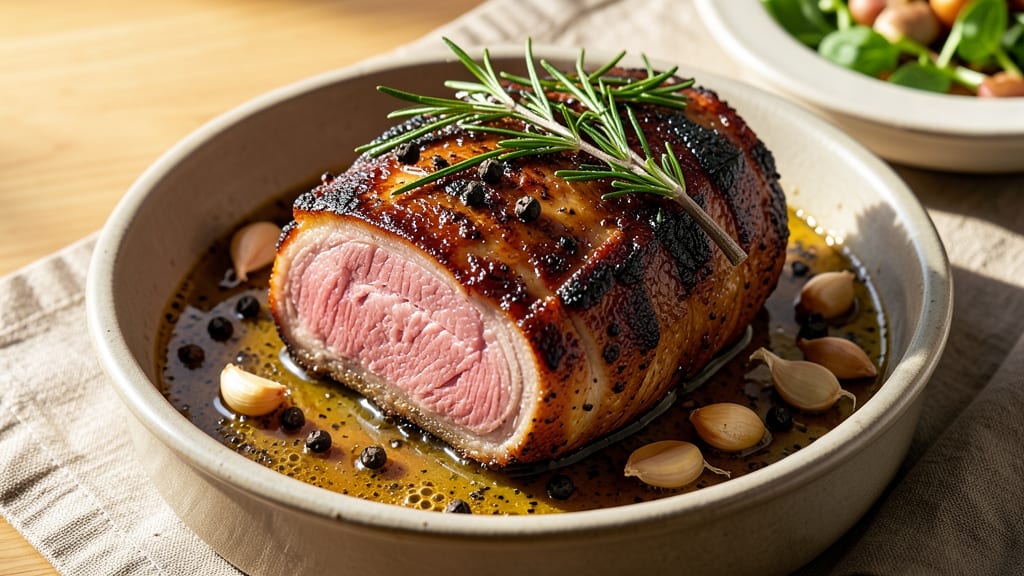
This bone-in pork sirloin roast slow cooker recipe transforms tough cuts into melt-in-your-mouth perfection with hands-off simplicity. The secret lies in searing the meat first—creating a flavorful crust that locks in juices during the long, slow cook.
I perfected this method after years of testing, and it never fails to deliver that coveted fall-apart texture while keeping the kitchen cool.
The process starts with a quick sear in a hot pan to develop deep caramelization, then moves to the slow cooker where the meat tenderizes over hours. A simple blend of garlic, rosemary, and black pepper builds complex flavor without overwhelming the natural richness of the pork.
The bone-in cut adds extra richness and moisture, ensuring every bite stays juicy.
By the time your slow cooker finishes, you'll have pork so tender it practically shreds at the touch, with a surface that's crispy from the initial sear. The aromas alone—garlicky, herby, with a hint of smokiness—will have everyone gathering around the table.
This is the kind of meal that turns weeknight dinners into special occasions without requiring hours in the kitchen.
Serve with roasted potatoes and caramelized onions for a complete meal that's hearty enough for Sunday dinner but simple enough for any night. The leftovers reheat beautifully, making this recipe perfect for meal prep. Here's how to achieve restaurant-quality results at home with minimal effort.
Ingredients for bone in pork sirloin roast recipe slow cooker
Six ingredients transform tough pork into melt-in-your-mouth perfection with zero stress.
| Ingredient | Amount | Notes |
|---|---|---|
| Bone-In Pork Sirloin Roast 🐖 | 4 lb | Center-cut for even cooking |
| All-Purpose Flour 🌾 | ½ cup | For dredging before searing |
| Olive Oil 🫒 | ¼ cup | Extra-virgin for searing |
| Garlic Cloves 🧄 | 8 cloves | Minced for seasoning blend |
| Fresh Rosemary 🌿 | ¼ cup | Chopped, stems removed |
| Black Peppercorns 🌶️ | 1 ½ tbsp | Freshly cracked, coarse |
| Kosher Salt 🧂 | 2 tbsp | Diamond Crystal preferred |
| Beef Broth 🥫 | 1 cup | Low-sodium preferred |
| Apple Cider Vinegar 🍎 | 1 tbsp | For depth of flavor |
| Yellow Onion 🧅 | 1 whole | Quartered, for slow cooker |
| Carrots 🥕 | 4 whole | Baby carrots work too |
| Fresh Thyme Leaves 🌿 | ⅛ cup | Or 1 tbsp dried thyme |
The pork cut makes all the difference here. Bone-in sirloin roast from the butcher section—ask for center-cut if possible—cooks more evenly and stays juicier. I grab mine from Whole Foods or my local Costco when they have it on sale, but any well-marbled roast works. Look for good fat cap and avoid anything with a grayish tint. The bone adds richness, but if you're worried about chewing, just remove it after cooking. For the flour, grab the Gold Medal brand—it's what I always use, but any all-purpose will do.
No fresh rosemary? Dried works at half the amount, but trust me, fresh gives that aromatic punch. The beef broth can be swapped for chicken broth in a pinch, though it'll be slightly lighter. Apple cider vinegar adds tang—substitute with red wine vinegar or lemon juice if needed. The carrots and onion are just for flavor and texture; you can skip them if you're in a rush. For the thyme, I always grab the Trader Joe's dried sprigs—they're cheap and last forever. If you're using fresh, just double the amount and toss it in with the garlic and pepper.
This reheats like a dream—better the next day, honestly. Store leftovers in the fridge for up to 5 days or freeze for 3 months. I like to portion mine into individual meal prep containers so I can grab and go. The seared crust stays crispy if you reheat it covered with foil at 350°F for 10 minutes. For extra flavor, brush the reheated pork with a little more olive oil and broil for 2 minutes. The bone? Save it for broth—it's packed with flavor.
Why You'll Love This Recipe
- Crispy-Creamy Magic: That flour crust seared in olive oil? It’s the secret weapon—crispy edges with melt-in-your-mouth tenderness inside. The rosemary infuses into the fat, so every bite tastes like a fancy dinner, not a weeknight hack.
- Budget-Friendly Luxury: Bone-in pork sirloin is cheaper than pre-cut roasts, and the slow cooker stretches it further than any pan-seared method. Plus, rosemary and garlic are dirt cheap—this feels like a steakhouse dish without the price tag.
Step-by-step instructions for bone-in pork sirloin roast in the slow cooker
This method delivers melt-in-your-mouth pork with crispy edges and rich flavor—no oven fuss, just hands-off perfection.
Sear the Roast for Maximum Flavor
Heat a large skillet over medium-high heat and add the 0.25 cup olive oil. Once shimmering, pat the 4 lb bone-in pork sirloin roast completely dry with paper towels—this is crucial for that golden crust. Place the roast in the skillet and sear for 4-5 minutes per side until the exterior turns a deep golden brown. You're building flavor and texture here, so don't rush it.
While the roast sears, combine the 0.5 cup all-purpose flour, 2 tbsp kosher salt, 1.5 tbsp black peppercorns, 8 cloves minced garlic cloves, 0.25 cup chopped fresh rosemary, and 0.125 cup fresh thyme leaves in a small bowl. Once the roast is browned, remove it from the skillet and let it rest on a plate.
Coat the Roast in Seasoning
Pour the remaining hot oil from the skillet into the seasoning blend and stir until it forms a coarse paste. This oil will help the seasoning stick to the roast like glue. Spread the paste evenly over the seared roast, pressing it into all the crevices and cracks. The seasoning should cling to the meat in a thick, even layer—this ensures maximum flavor penetration.
Let the seasoned roast sit at room temperature for 15 minutes while you prep the slow cooker. This step prevents cold spots in the meat, allowing for even cooking. Meanwhile, quarter the 1 whole yellow onion and peel the 4 whole carrots, leaving them whole for easy handling.
Layer the Slow Cooker for Deep Flavor
Place the seasoned roast in the slow cooker, fat-side up if possible. Arrange the quartered onion and carrots around the roast, creating a loose nest that will surround the meat as it cooks. Pour the 1 cup beef broth and 1 tbsp apple cider vinegar into the bottom of the slow cooker, ensuring the liquid doesn't completely submerge the roast—you want it to cook in its own juices with just enough moisture to keep it tender.
Cover the slow cooker and cook on low heat for 8 hours. This long, slow cook time is what transforms tough pork into fork-tender perfection. The roast is done when it reaches an internal temperature of 203°F and the meat pulls apart easily with two forks. Don't peek or stir during cooking—this disrupts the cooking process and can lead to uneven results.
Rest and Serve for Juicy Perfection
Once the roast reaches the perfect internal temperature, carefully remove it from the slow cooker and transfer it to a cutting board. Tent loosely with aluminum foil and let it rest for 15-20 minutes. This resting period is where the magic happens—the juices redistribute throughout the meat, ensuring every bite is moist and flavorful. If you skip this step, you'll end up with dry, stringy pork.
Slice the roast against the grain into ½-inch thick slices for maximum tenderness. The meat should fall apart easily, with rich, caramelized edges from the slow cooking process. Serve the pork with the pan juices and vegetables from the slow cooker, or use them to make a quick pan sauce by simmering for 5 minutes on the stovetop. The result is a restaurant-quality meal made with minimal effort—just set it and forget it until dinner time.
Pro Tips For Making Bone In Pork Sirloin Roast Recipe Slow Cooker
- SEAR FIRST, THEN SLOW: The slow cooker does the heavy lifting, but skipping the sear is a missed opportunity—especially with bone-in pork. Hit the roast with high heat in a skillet until it’s deep golden brown on all sides before transferring it to the slow cooker. That crust makes all the difference when you’re dealing with tougher cuts.
- SALT THE ROAST LONG BEFORE COOKING: I learned this the hard way—salting right before cooking leaves the surface too wet for a good sear. Instead, sprinkle a generous pinch of salt (about 1 teaspoon per pound) on the roast and let it sit uncovered in the fridge for at least 4 hours, or overnight if you can. The salt penetrates deeper, and the surface dries out just enough for that perfect crust.
- DON’T OVERLOAD THE SLOW COOKER: Crowding the pot traps steam and turns your tender roast into something closer to pulled pork. Leave at least 2 inches of space around the roast, or even better, cook it on the "high" setting for the first 2 hours to render fat and build flavor before switching to "low." Less space = less moisture loss, but not too much, or you’ll dry it out.
- USE WHOLE ROSMARARY SPRIGS, NOT CHOPPED: Fresh rosemary loses its punch when finely chopped—it turns bitter and releases oils too quickly. Instead, tie 3-4 whole sprigs together with kitchen twine and tuck them under the roast in the slow cooker. The needles stay fragrant and infuse the meat evenly without overpowering it. (Yes, even if you’re impatient like me.)
Essential equipment for this recipe
Slow Cooker Essentials
Start with a 6-quart slow cooker—this size accommodates the 4 lb roast with room to spare for veggies and liquid. I swear by my Hamilton Beach 6-Quart Programmable—it's durable, has even heat distribution, and the digital timer makes life easier.
If you're on a budget, the Crock-Pot Classic is a solid alternative. Avoid oversized slow cookers—they can dilute heat and extend cooking time. 🌡️
Searing Tools
For the initial sear, a heavy-bottomed cast-iron skillet is my go-to—it retains heat beautifully and gives that perfect crust. My Lodge 10.25-inch has lasted for years and develops a natural non-stick patina over time.
If cast iron isn't your thing, a stainless steel skillet like the All-Clad Stainless works too. Just make sure it's medium-high heat ready and has enough surface area for the roast to sear evenly.
Meat Thermometer
Never guess the doneness of your pork—accuracy is key! A meat thermometer ensures you hit that perfect 203°F internal temperature without overcooking. My ThermoWorks Smoke is my favorite—it's precise, has a long probe, and can monitor both the slow cooker and the roast simultaneously.
For a budget pick, the Taylor Genius is reliable and easy to read. Insert the probe into the thickest part of the roast, avoiding the bone, for the most accurate reading.
Prep Tools
Gather a few basics for prep: a sharp chef's knife (I love the Victorinox 8-inch) for mincing garlic and chopping rosemary, a cutting board (I use a teak one from Williams Sonoma), and a wooden spoon for stirring the seasoning paste.
A microplane comes in handy for zesting garlic cloves if you prefer that texture. Don't forget paper towels—they're essential for patting the roast dry before searing. 🧂
Optional Upgrades
For extra flavor, consider a smoker box if your slow cooker has a lid that fits. Add wood chips like apple or hickory for a subtle smoky note—just soak them in water first.
A meat mallet helps tenderize the roast if it's particularly tough, though the slow cooker does most of the work. If you're feeling fancy, a silicone basting brush lets you glaze the roast with extra oil or broth during the last hour of cooking for a glossy finish.
Nutrition facts
Frequently asked questions
Why does the recipe call for searing the pork before slow cooking?
The sear creates a flavorful crust that locks in juices during the slow cook, preventing dryness. This step also develops deep caramelization that enhances the overall taste. Without it, the pork would lose moisture and lack that restaurant-quality texture.
Can I use a bone-in pork shoulder instead of sirloin?
While possible, sirloin is ideal for this recipe because it's leaner and cooks faster. A pork shoulder would take much longer and might become too tender. For best results, stick with the sirloin cut—it's perfect for achieving that fall-apart texture without overcooking.
What if my slow cooker is smaller than 6 quarts?
Use a 4-5 quart slow cooker only if you remove the carrots and onion, leaving just the roast and liquid. The meat needs room to cook evenly, so avoid overcrowding. For best results, a 6-quart pot ensures proper heat circulation and prevents uneven cooking.
How do I know when the pork is fully cooked?
Use a meat thermometer to check for 203°F internal temperature—this is the safest way. The meat should also pull apart easily with two forks. Never rely on time alone, as cooking times can vary based on your slow cooker's heat settings.
Can I make this recipe in an Instant Pot instead?
Yes! Use the "Sear" function for the crust, then cook on "High Pressure" for 45 minutes followed by a 10-minute natural release. The Instant Pot speeds up cooking but still delivers tender results. Just reduce the broth by ½ cup to prevent over-liquidizing.