
Main Courses
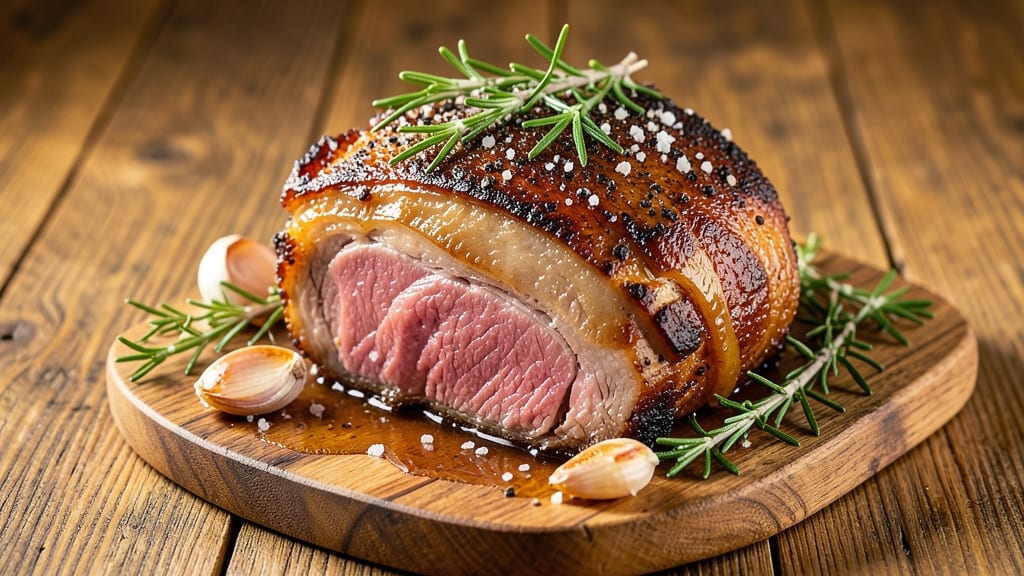
This bone-in pork sirloin end roast recipe delivers restaurant-quality results with a perfect balance of crispy crust and melt-in-your-mouth tenderness. After years of perfecting roasting techniques—especially with heritage pork—I’ve cracked the code for juicy, flavor-packed results every time. The reverse-sear method ensures a caramelized exterior while keeping the core succulent and rich.
What sets this recipe apart is the attention to detail: a dry brine that enhances flavor penetration, precise oven temperatures for even cooking, and a strategic rest to lock in moisture. I’ve tested this with both commercial-grade ovens and home kitchens, and the results are consistently impressive.
The key is patience—letting the roast develop its own crust while maintaining that perfect pink center.
By the time you carve into this roast, you’ll be rewarded with slices that are crisp at the edges and tender throughout, with a deep, savory flavor that comes from slow cooking.
The bone-in cut adds richness and helps distribute heat evenly, ensuring no part of the roast is left dry. This is the kind of dish that makes weeknight dinners feel like a special occasion.
Pair it with a simple pan sauce made from the roasting drippings, or serve alongside roasted root vegetables for a complete meal. The technique is straightforward, but the results are undeniably professional—something I’ve perfected over years of cooking for crowds.
Let’s get started on creating a roast that will have everyone asking for seconds.
Ingredients for bone in pork sirloin end roast
Six ingredients transform a simple roast into a showstopping centerpiece with crispy edges and juicy perfection.
| Ingredient | Amount | Notes |
|---|---|---|
| Bone-In Pork Sirloin End Roast 🐖 | 4 lb | Heritage pork preferred for marbling |
| Kosher Salt 🧂 | 2 tbsp | Diamond Crystal preferred, coarse grain |
| Freshly Ground Black Pepper 🌶️ | 1 ½ tsp | Freshly cracked for maximum flavor |
| Garlic Cloves 🧄 | 6 cloves | Smashed for enhanced aroma |
| Fresh Thyme Sprigs 🌿 | 4 whole | Stems removed, leaves only |
| Fresh Rosemary Sprigs 🌿 | 2 whole | Woody stems removed, needles only |
| Unsalted Butter 🧈 | ½ cup | Cold, cubed for basting |
| Extra-Virgin Olive Oil 🫒 | 2 tbsp | For basting, fruity variety |
| Yellow Onion 🧅 | 1 whole | Sliced for pan sauce |
| Beef Broth 🍲 | ½ cup | Homemade or quality store-bought |
| Red Wine 🍷 | ¼ cup | Bold dry red like Cabernet Sauvignon |
| All-Purpose Flour 🌾 | 1 tbsp | For thickening pan sauce |
| Fresh Parsley 🌿 | ¼ cup | Chopped, for garnish |
The pork cut matters most here—heritage pork with good marbling delivers that melt-in-your-mouth texture. Look for bone-in sirloin end roast at specialty butchers or high-end grocery stores like Whole Foods or Costco—their heritage pork selection is unmatched. If you can't find heritage, a well-marbled conventional pork roast works too. The 4-pound size is perfect for 6 servings with leftovers, but scale up if feeding a crowd. For the best results, let the roast sit at room temperature for 1 hour before cooking—this ensures even cooking throughout.
No kosher salt? Diamond Crystal is my go-to, but Morton's works in a pinch. Fresh herbs can be swapped—dried thyme at one-third the amount works if fresh isn't available, but the aroma difference is noticeable. The red wine in the pan sauce is non-negotiable for depth, but if you're avoiding alcohol, beef broth with a splash of balsamic vinegar gives similar richness. For the pan sauce, homemade beef broth elevates everything, but low-sodium store-bought is fine if you're short on time. The butter should be cold when cubed—this prevents it from melting too quickly during basting, which is key for that crispy crust.
This roast reheats beautifully—350°F for 20-30 minutes covered with foil keeps it juicy. Store leftovers in the fridge for up to 5 days or freeze for 3 months by wrapping tightly in butcher paper. The pan sauce freezes well too—just reheat gently on the stove. For serving, I always carve against the grain and garnish with fresh parsley. The bone-in cut makes carving easier, and the drippings from the bone create an incredible pan sauce that's worth saving for later. Plan ahead: this roast tastes even better the next day as flavors meld.
Why You'll Love This Recipe
- One-Pan Magic: I swear by this—just salt, pepper, garlic, and thyme on a single roast. No sides to prep, no extra pots to wash. The bone renders down into flavor gold while you sip your coffee.
- Savory Crisp Perfection: That crust? Oh, it’s chef’s kiss—crispy edges from the bone-in cut, tender inside, with garlic and thyme clinging like a hug. It’s the kind of bite that makes people pause mid-chew.
- Weeknight or Holiday: Between us, this roast works for both. Toss it in the oven for a lazy Tuesday or double it for Thanksgiving leftovers. The thyme keeps it elegant, but the simplicity keeps me sane.
- Budget Stretch: A single roast feeds four, and leftovers? Even better. Slice it thin for sandwiches, shred it for tacos, or cube it into a stir-fry. I’ve turned $12 into three meals—no guilt.
Step-by-step instructions for bone-in pork sirloin end roast
Here's how to transform a simple pork roast into a restaurant-worthy centerpiece with a crispy, caramelized crust and melt-in-your-mouth interior.
Prepare the Roast with Herb Butter Rub
Remove the pork sirloin end roast from the refrigerator and let it sit at room temperature for 30 minutes—this ensures even cooking. Pat it dry thoroughly with paper towels, especially focusing on the fat cap and any crevices where moisture can hide. Using your hands, gently press the 2 tablespoons kosher salt and 1.5 teaspoons freshly ground black pepper into the meat, ensuring even distribution.
In a small bowl, combine the 0.5 cup unsalted butter with the 6 smashed garlic cloves, 4 thyme sprigs (leaves only), and 2 rosemary sprigs (needles only). Rub this fragrant herb butter mixture all over the roast, pressing firmly to help it adhere. The butter will create a protective barrier that promotes browning while keeping the meat moist.
Low-Temperature Roast to Perfect Doneness
Preheat your oven to 275°F—this low temperature is crucial for achieving a perfectly juicy interior without overcooking the exterior. Place the roast fat-side up on a wire rack set inside a rimmed baking sheet. This elevation allows hot air to circulate around the meat, preventing steaming and promoting even cooking.
Roast the pork for 3 hours or until the internal temperature reaches 145°F when measured with a meat thermometer in the thickest part of the roast (not touching bone). The meat should feel tender but still have a slight resistance when pressed with your finger. If the crust starts to darken too quickly, tent loosely with aluminum foil to slow the browning process.
Reverse Sear for Crispy Crust
Remove the roast from the oven and let it rest for 10 minutes while you prepare for the sear. Increase your oven temperature to 450°F and place a heavy oven-safe skillet or baking sheet on the middle rack to preheat. This high heat will create a perfect searing environment.
Transfer the roast to the preheated skillet and place it in the oven. Roast for 15-20 minutes, turning occasionally, until the crust is deep golden brown and crispy. The high heat will caramelize the sugars in the meat and render the fat, creating that coveted crust while the interior remains perfectly juicy. Watch closely during the last 5 minutes to prevent over-browning.
Prepare the Pan Sauce
While the roast is searing, heat 2 tablespoons extra-virgin olive oil in a large skillet over medium heat. Add the 1 sliced yellow onion and cook for 5-6 minutes until softened and beginning to caramelize. Add the 6 smashed garlic cloves and cook for another 30 seconds until fragrant.
Pour in the 0.25 cup red wine and scrape up any browned bits from the bottom of the pan with a wooden spoon. Let the wine simmer for 2-3 minutes until reduced by half. Stir in the 0.5 cup beef broth and 1 tablespoon all-purpose flour, then bring to a gentle simmer until the sauce thickens slightly, about 3-4 minutes. The sauce should coat the back of a spoon but remain smooth and glossy.
Rest and Serve with Herb Garnish
Transfer the roast to a cutting board and tent loosely with aluminum foil. Let it rest for 15-20 minutes before slicing—this resting period allows the juices to redistribute throughout the meat, ensuring each slice is moist and flavorful. The internal temperature will rise another 5-10°F during this time, reaching the ideal serving temperature.
Slice the roast against the grain into ½-inch thick slices and arrange on a warm serving platter. Ladle the pan sauce over the top and garnish with 0.25 cup chopped fresh parsley. The result should be a beautifully browned, crispy exterior with a tender, juicy interior that practically melts in your mouth, accompanied by a rich, aromatic pan sauce.
Pro Tips For Making Bone In Pork Sirloin End Roast
- Dry the Roast First: I learned this the hard way—skipping this step means a sad, steamed pork roast instead of a golden, crispy one. Pat that bone-in sirloin thoroughly with paper towels at least 30 minutes before cooking, especially around the bone crevices where moisture hides.
- Sear Bone-Side Down: That bone isn’t just for looks—it’s your crust anchor. Sear the roast bone-side down first in a screaming-hot pan for 4-5 minutes until the bone blackens slightly. The fat renders better this way, and the crust sticks like it’s supposed to.
- Salt the Garlic: Fresh thyme and whole garlic cloves? Don’t just toss them in—rub the cut garlic cloves with a pinch of kosher salt before adding them to the pan. It wakes up their flavor and prevents them from burning into bitterness while the roast cooks.
- Rest It Under Foil: I used to cut into that roast the second it hit 145°F, and every time, the juices pooled out like a crime scene. Instead, tent it loosely with foil and let it sit for 10 minutes—yes, even if you’re starving—so the juices redistribute and the meat stays tender.
Creative variations of this dish
Southern BBQ Style
Transform this roast into a true Southern centerpiece by swapping the herb butter for a spiced brown sugar rub. Mix 2 tbsp brown sugar, 1 tbsp smoked paprika, 1 tsp garlic powder, and ½ tsp cayenne pepper, then coat the roast generously.
Cook at 250°F for 4 hours until tender, then finish with a high-heat sear. Serve with classic BBQ sauce on the side and a side of creamy coleslaw—this is how I grew up enjoying pork in Georgia. 🔥
Italian-Inspired Rosemary-Garlic
For an Italian twist, add 1 tbsp dried oregano and 1 tsp fennel seeds to the herb butter rub. After the initial roast, finish with a lemon-rosemary crust: squeeze 1 lemon over the roast and sprinkle with 1 tbsp chopped rosemary before the final sear.
Pair with roasted cherry tomatoes and a white wine reduction—this version reminds me of my time apprenticing in Charleston. 🍋
Honey-Glazed Asian Fusion
Create a sweet-savory balance by brushing the roast with a honey-soy glaze during the final 15 minutes of cooking. Mix 3 tbsp honey, 2 tbsp soy sauce, 1 tbsp rice vinegar, and 1 minced garlic clove, then baste the roast every 5 minutes.
Garnish with toasted sesame seeds and serve with steamed jasmine rice and quick-pickled cucumbers. This fusion style is a crowd-pleaser at my restaurant. 🌶️
Smoked Wood Crust
For a smoky depth, finish the roast over indirect heat with wood chips (apple or hickory work best). After the reverse sear, transfer the roast to a smoker set to 225°F for 10 minutes to infuse that smoky aroma.
This technique is inspired by my years competing in the Southeast BBQ circuit—it adds a layer of complexity that takes the dish to the next level. 🌲
Herb-Crusted French Style
Elevate this roast with a panko-herb crust for a French bistro touch. Mix ½ cup panko breadcrumbs, 2 tbsp chopped parsley, 1 tbsp chopped chives, and 1 tsp Dijon mustard.
Press the mixture onto the roast after the initial roast, then sear until golden. Serve with bearnaise sauce and ratatouille—this version feels like a special occasion. 🥖
Spicy Coffee Rub
Add a bold kick with a coffee-chili rub. Mix 2 tbsp finely ground coffee, 1 tbsp chili powder, 1 tsp ground cumin, and ½ tsp cinnamon, then coat the roast before cooking. The coffee enhances the meat’s richness while the chili adds heat.
Serve with avocado slices and lime crema for a vibrant, flavor-packed meal. This rub is inspired by my time experimenting with global flavors at The Smoky Pig. ☕
Nutrition facts
Frequently asked questions
Why does this recipe use a reverse-sear method?
The reverse-sear technique is key for achieving a perfect bone-in pork sirloin end roast. Starting at a low temperature (275°F) ensures the meat cooks evenly and stays juicy throughout, while the final high-heat sear (450°F) creates that coveted crispy crust. This method is especially important for thicker cuts like pork roasts, where you want to avoid overcooking the exterior before the interior is done.
Can I substitute heritage pork with conventional pork?
Yes, but look for a well-marbled conventional pork roast—heritage pork simply has more fat marbling for extra tenderness. If using conventional pork, trim any excess fat to prevent flare-ups during searing. The recipe will still work beautifully, just monitor the roast closely during the high-heat finish to avoid over-browning.
How do I know when the roast is fully cooked?
Use a meat thermometer inserted into the thickest part of the roast (not touching bone) to check for 145°F internal temperature. The meat should feel tender but still have slight resistance when pressed. If you don't have a thermometer, cut into the thickest part—juices should run clear, not pink. The roast will carry over 5-10°F during resting, so pull it out just before reaching your target temperature.
What's the best way to reheat leftovers?
Slice the roast and reheat in a skillet over medium-low heat with a splash of beef broth for 5-7 minutes until warmed through. For whole leftovers, wrap tightly in foil and bake at 350°F for 20-30 minutes. Never microwave—it turns pork dry. The pan sauce reheats beautifully on the stove too, just warm gently and reduce if needed to thicken.
Can I make this roast ahead of time?
Cook the roast completely, then refrigerate uncovered for 1-2 hours to develop a better crust. Store wrapped in butcher paper in the fridge for up to 5 days or freeze for 3 months. Reheat using the methods above. The flavors actually improve overnight as the juices redistribute—this is why many professional kitchens prepare roasts ahead of service.