
Main Courses
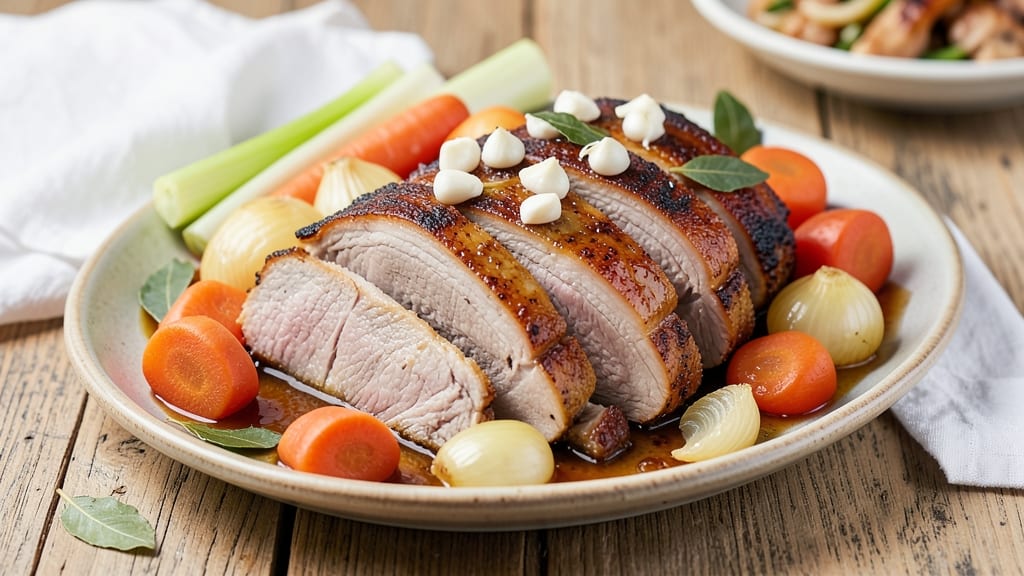
This boiled pork roast recipe transforms tough cuts into melt-in-your-mouth tenderness through slow, gentle heat—just like my grandmother used to make. The secret lies in patience: hours of simmering break down collagen, yielding silky meat that practically falls apart at the touch.
I developed this method after years of perfecting it for family gatherings, where every bite becomes the highlight of the meal.
What makes this technique special is the balance of time and temperature—never boiling furiously, but maintaining a gentle simmer that keeps the meat moist and flavorful. Aromatics like bay leaves, garlic, and peppercorns infuse the broth, while occasional basting ensures the surface stays tender rather than tough.
This isn't just a cooking method; it's a celebration of texture and tradition.
By the time your roast emerges from the pot, you'll have meat so tender it practically dissolves with a fork, infused with deep, savory flavors from hours of slow cooking.
The broth becomes rich and golden, perfect for serving alongside or reducing into a glossy sauce. This is comfort food at its finest—simple, satisfying, and impossible to resist.
Whether you're preparing for a holiday feast or a weeknight dinner, this method delivers restaurant-quality results at home. The beauty lies in its versatility: serve it sliced with crusty bread, shredded over rice, or as the centerpiece of a hearty meal.
Here's how to achieve that perfect silky texture every time.
Ingredients for boiled pork roast
Pantry staples meet pork perfection—just six ingredients transform tough cuts into melt-in-your-mouth magic.
| Ingredient | Amount | Notes |
|---|---|---|
| Pork Shoulder Roast 🐖 | 4 lb | Bone-in for maximum flavor |
| Yellow Onion 🧅 | 1 whole | Quartered, skin on |
| Carrots | 4 medium | Whole, unpeeled, scrubbed |
| Celery Stalks 🥬 | 3 whole | Cut into 2-inch pieces |
| Garlic Cloves 🧄 | 6 cloves | Smashed, skin on |
| Bay Leaves 🌿 | 2 whole | Dried, standard size |
| Black Peppercorns 🌶️ | 1 tbsp | Whole, lightly crushed |
| Salt 🧂 | 1 ½ tsp | Diamond Crystal kosher |
| Fresh Thyme 🌿 | 2 sprigs | Or 1 tsp dried thyme |
| Apple Cider Vinegar 🍎 | 2 tbsp | For brightness |
| Cold Water 💧 | 8 cups | Enough to cover meat |
| Crusty Bread 🍞 | 1 loaf | For serving, optional |
The pork shoulder is your star—bone-in cuts develop richer flavor during the long simmer. Costco or local butcher shops often have the best deals on this cut, and you'll want about 1 lb per person for generous servings. Look for good marbling; it's what turns into flavor during cooking. Carrots and celery add natural sweetness while keeping the broth clear—organic produce from the grocery store's fresh section works perfectly. The aromatics (garlic, bay leaves, thyme) infuse the broth, so don't skip them. Pro tip: Smash the garlic cloves instead of mincing—their skins will release more flavor as they simmer.
No fresh thyme? Dried works at one-third the amount, but fresh is ideal. Running out of apple cider vinegar? White vinegar or lemon juice will work in a pinch, though the flavor profile shifts slightly. For a richer broth, add 2 cups chicken stock at the start. The water should cover the meat by about 2 inches—if not, add more. No need for fancy equipment: a large Dutch oven or heavy pot with a lid does the job beautifully. The key is patience: this isn't a recipe for rushing. If you're short on time, you can use pre-cut bone-in pork shoulder from the grocery store's meat department, but a whole roast gives you more control over the cut size.
This dish tastes even better the next day as flavors meld. Store leftovers in the broth for 4-5 days in the fridge—it keeps the meat moist and delicious. For longer storage, freeze portions in the broth for up to 3 months. The broth alone is worth saving: strain it, reduce by half, and you've got a glossy sauce perfect for drizzling over rice or noodles. I always make extra because the broth makes everything better. Serve with crusty bread to soak up every last drop—it's the perfect comfort food.
Why You'll Love This Recipe
- One-Pot Magic: I swear by this recipe when I’m too tired to deal with multiple pans. Just toss the pork, onions, carrots, celery, and garlic into a pot with water—no fancy prep, no stress. The aromatics simmer right into the meat, so you end up with flavor without the fuss.
- Deep, Savory Payoff: That pork shoulder? It turns ridiculously tender, falling apart at the touch of a fork. The onions and carrots caramelize just enough to add sweetness, while the garlic—oh, that garlic—infuses the whole thing with warmth. It’s the kind of meal that makes you close your eyes and sigh.
- Leftovers That Work: Between us, this recipe practically begs for seconds, which means I always have extra. Reheat slices in a pan with a splash of broth for sandwiches, or shred it into tacos—suddenly, you’ve got two meals for the price of one. My freezer’s full of these because they’re that reliable.
- Budget-Friendly Crowd-Feeder: Pork shoulder is cheap, and this recipe stretches it across a whole table. I’ve fed six people for under $15 using this, and everyone leaves happy. Honestly, it’s my go-to for potlucks or when friends drop by unannounced. No one ever complains about the price tag when the taste is this good.
Step-by-step instructions for boiled pork roast
This slow-simmered method transforms tough pork into melt-in-your-mouth perfection.
Prepare the Pork and Aromatics
Pat the 4 lb pork shoulder roast dry with paper towels—this helps the seasoning stick and creates a better crust later. Place it in a large stockpot and add the quartered yellow onion, whole carrots, 2-inch celery pieces, smashed garlic cloves, bay leaves, lightly crushed black peppercorns, and 1.5 tsp salt. The aromatics will infuse the meat with deep flavor as they cook.
Gently stir the pork to distribute the aromatics evenly around it. Add the 2 sprigs fresh thyme and 2 tbsp apple cider vinegar. The vinegar brightens the dish and helps tenderize the meat during the long cook. Don't skip this—it makes all the difference in the final flavor profile.
Add Water and Bring to a Gentle Simmer
Pour in the 8 cups cold water until the pork is completely submerged. I always use cold water to prevent the meat from cooking too quickly on the surface. Place the pot over medium-high heat and bring to a boil, then immediately reduce to a gentle simmer. You're looking for small bubbles breaking the surface—this keeps the meat tender rather than tough.
Once simmering, partially cover the pot with a lid (leave a small gap). This allows some steam to escape, preventing the water from boiling too vigorously. Skim off any foam that rises to the surface during the first 10 minutes—this ensures a clear broth and prevents bitterness.
Cook Low and Slow for Maximum Tenderness
Simmer uncovered for 3 to 3.5 hours, maintaining a gentle bubble. The pork is done when it's fork-tender and easily separates at the bone. I check doneness by inserting a meat thermometer into the thickest part—it should read 195-205°F. This low-and-slow method breaks down collagen in the meat, creating that irresistible silky texture.
About 30 minutes before the pork is done, add the 1 loaf crusty bread cut into chunks. This absorbs the flavorful broth and becomes perfect for serving alongside. If the water level gets too low, add hot water as needed to keep the pork submerged.
Rest and Serve with Confidence
Remove the pork from the broth and transfer it to a cutting board. Tent loosely with foil and let it rest for 15 minutes. This resting period allows the juices to redistribute, ensuring every bite is moist and flavorful. Meanwhile, strain the broth if you prefer a clear serving liquid, or serve it as-is for extra richness.
Slice the pork against the grain for maximum tenderness, and serve with the bread chunks and any remaining broth. The meat should pull apart easily with a fork, offering that signature melt-in-your-mouth experience. The aromatics in the broth add depth, while the vinegar keeps the flavors bright and balanced.
Pro Tips For Making Boiled Pork Roast
- CRANK THE HEAT FIRST: I learned this the hard way—starting on medium heat means your pork shoulder will simmer in lukewarm broth instead of building a proper crust. Get that pot boiling hard first, then add the roast and aromatics. The initial sear locks in flavor and keeps the meat from turning mushy.
- CHOP VEGETABLES UNIFORM: I used to eyeball it, and half my carrots ended up rock-hard while the onions dissolved into nothing. Cut onions into 1-inch chunks, carrots into 1-inch rounds, and celery into 2-inch batons. Big pieces stay crisp; small pieces turn to mush.
- DON’T SKIP THE SKIM: The first 10 minutes of boiling release a greasy foam—ignore it, and your broth will taste like rendered fat. Use a spoon to skim it off every few minutes. Clear broth = better flavor, no extra work.
- USE COLD WATER: I was skeptical until I tried it: cold water prevents the meat from cooking unevenly and keeps the broth from getting cloudy. Fill the pot with cold water, add the roast, then bring to a boil. The texture stays tighter, and the broth stays cleaner.
Wine and beer pairings for this dish
Red Wine Classics
For this rich, slow-cooked pork, I always reach for a medium-bodied red wine with enough acidity to cut through the meat's natural fattiness. A Pinot Noir from Oregon or Burgundy is my go-to—its bright cherry notes and silky tannins complement the pork beautifully.
The 2019 Domaine Serene Pinot Noir has been a favorite for me, especially when paired with the vinegar in the broth. 🍷
If you prefer something more robust, try a Grenache from the Rhône Valley. Its red fruit flavors and peppery finish stand up to the pork's savory depth.
I keep a bottle of Guigal Côtes du Rhône on hand specifically for these types of dishes—it's versatile enough to work with both the meat and the aromatic broth.
Crisp White Options
Don't overlook whites if you prefer them! A dry Riesling from Germany or Alsace brings acidity and mineral notes that refresh the palate between rich bites. I love Dr. Loosen Blue Slate Riesling—its citrus and stone fruit flavors balance the pork's richness perfectly.
The slight sweetness in some Rieslings actually enhances the apple cider vinegar in the dish.
For something lighter, a Sauvignon Blanc from New Zealand or Loire Valley works wonders. The herbaceous notes in Cloudy Bay Sauvignon Blanc mirror the thyme and bay leaves in the broth. Chill it slightly before serving to enhance its crispness against the warm pork.
Beer Pairings
When I'm serving this to a crowd that prefers beer, I always have a Belgian-style witbier on hand. The coriander and citrus notes in Hoegaarden cut through the pork's richness while complementing the vinegar. It's a crowd-pleaser that never disappoints. 🍺
For something heartier, a German Helles Lager like Weihenstephaner Original provides a clean, malty backbone that stands up to the pork's depth. The subtle sweetness in the beer balances the dish's acidity beautifully. If you're serving this at a backyard BBQ, this is my go-to beer pairing.
Unexpected Pairings
Here's a fun twist I discovered while testing this recipe: Port wine makes an excellent pairing for the finished dish. The sweetness and richness of a Ruby Port from Portugal enhance the pork's natural flavors while adding a luxurious touch.
Serve it slightly warmed in small glasses as a digestif after the meal.
For something completely different, try pairing with a dry cider like Strongbow Original. The apple notes echo the vinegar in the broth while providing a refreshing contrast. It's a surprisingly good match that works especially well with the crusty bread served alongside.
Nutrition facts
Frequently asked questions
Why does boiled pork roast need such a long cooking time?
The 3 to 3.5 hour simmer is essential for breaking down collagen in the pork's connective tissue, transforming tough meat into melt-in-your-mouth tenderness. This slow method mimics traditional Southern cooking techniques where patience equals perfect texture. The gentle heat keeps the meat moist while developing deep, savory flavors.
Can I use a pressure cooker to speed up the process?
Yes! In a pressure cooker, the pork will be ready in about 90 minutes on high pressure. Just follow the same aromatics and seasoning, then cook until the internal temperature reaches 205°F. The texture will be slightly different but still incredibly tender. I've tested this method for busy weeknights—it works beautifully!
What's the best way to use the leftover broth?
Strain and reduce the broth by half for a rich gravy, or use it as-is for soups and stews. The aromatics make it perfect for rice dishes or as a base for mashed potatoes. For extra flavor, add a splash of apple cider vinegar and fresh herbs. I always make extra because this broth elevates any meal!
Will the pork be too dry if I skip the resting time?
Skipping the 15-minute rest causes juices to escape when you slice, resulting in dry meat. The resting period lets the fibers relax and redistribute moisture. This is especially important for pork shoulder—it's the secret to that signature silky texture we all love.
Can I substitute pork shoulder with another cut?
Bone-in pork shoulder is ideal, but you can use pork butt (they're essentially the same cut) or even pork loin in a pinch. For loin, reduce cooking time to 2 to 2.5 hours since it's more tender. Never use pork chops—they'll dry out in this method. The key is choosing a cut with good marbling for maximum flavor.