
Main Courses
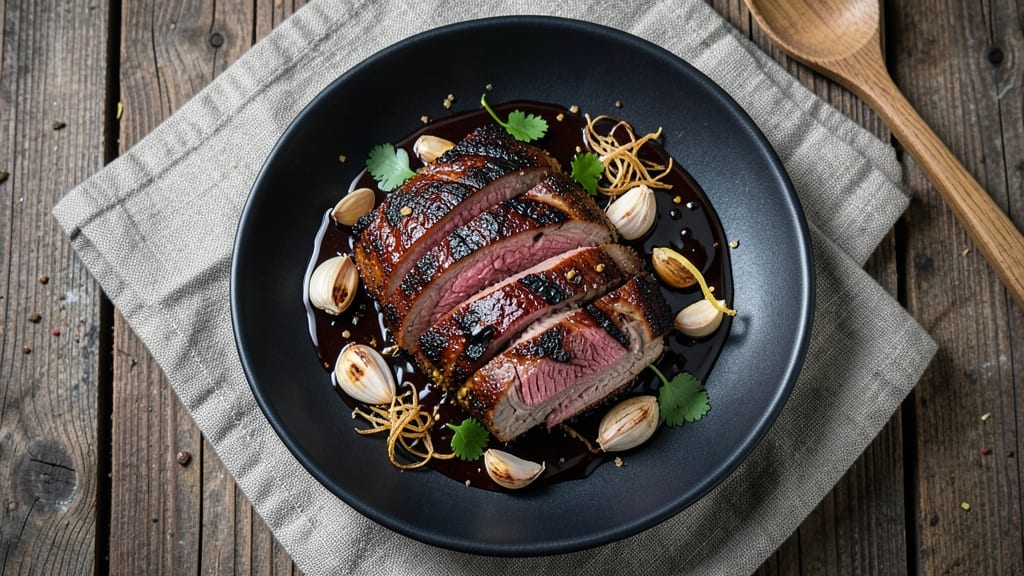
This blackened pork tenderloin recipe delivers smoky char and a juicy core in just 25 minutes—perfect for weeknight dinners that taste like a restaurant special. The secret lies in a bold spice blend and high-heat searing that creates that signature crust while keeping the interior tender. After years of perfecting this technique in my Atlanta kitchen, I can confidently say this is the one recipe that converts pork skeptics.
The method is straightforward but critical: coat the tenderloin in a mix of smoked paprika, garlic powder, and cayenne, then sear in a screaming-hot cast-iron skillet until deeply charred. The key is working in batches to avoid crowding the pan, which ensures even cooking and maximum flavor development.
With just 25 minutes of active time, you'll have a dish that's impressive enough for guests but simple enough for weeknights.
What you'll end up with is a perfectly blackened exterior with a juicy, pink center—the crust packed with smoky, slightly spicy flavor while the interior remains tender and succulent. The charred edges release aromatic oils with every bite, creating a dish that's both satisfying and elegant.
This technique works equally well for pork chops or even chicken thighs, making it incredibly versatile.
Serve with a bright citrus slaw or roasted sweet potatoes to balance the richness. The smoky char pairs beautifully with cool, fresh elements, creating a meal that feels complete. Let's get cooking—this recipe delivers restaurant-quality results without the fuss.
Ingredients for blackened pork tenderloin
Restaurant-quality char and tender pork in just 25 minutes—start with these carefully chosen ingredients.
| Ingredient | Amount | Notes |
|---|---|---|
| Pork Tenderloin 🐖 | 1 ½ lb | Center-cut, trimmed of fat |
| Smoked Paprika 🌶️ | 2 tbsp | High-quality for authentic smokiness |
| Garlic Powder 🧄 | 1 tbsp | Freshly ground preferred |
| Cayenne Pepper 🔥 | 1 tsp | Adjust for desired heat level |
| Ground Black Pepper 🌶️ | 1 tsp | Freshly cracked for intensity |
| Kosher Salt 🧂 | 1 ½ tsp | Diamond Crystal preferred |
| Olive Oil 🫒 | 2 tbsp | High smoke point for searing |
| Butter 🧈 | 2 tbsp | Unsalted, for basting |
| Lemon Juice 🍋 | 1 tbsp | Freshly squeezed for brightness |
| Fresh Thyme Leaves 🌿 | ¼ cup | Chopped, for garnish |
| Garlic Cloves 🧄 | 2 cloves | Minced, for garnish |
| Cast-Iron Skillet 🍳 | 1 whole | 10-12 inch for even searing |
| Meat Thermometer 🌡️ | 1 whole | For accurate doneness |
The pork tenderloin is non-negotiable for this technique—center-cut and trimmed ensures even cooking and maximum tenderness. Whole Foods or local butchers carry the best quality, but any reputable grocery store's pre-trimmed tenderloin works. Look for uniform size (about 1.5 lbs) to avoid uneven charring. The smoked paprika is where the signature flavor comes from—Penzeys or Gourmet Spice Shop brands deliver the deepest, most authentic smokiness. If you're using pre-ground spices, toast them in the skillet for 30 seconds before applying to intensify their aroma.
No smoked paprika? Substitute 1 tbsp regular paprika plus 1/2 tsp liquid smoke, but the flavor won't be identical. Fresh thyme is ideal, but dried thyme at 1/4 the amount works in a pinch. For the heat level, reduce cayenne to 1/2 tsp if serving children or sensitive palates. The olive oil must have a high smoke point—Avocado oil or refined olive oil are better choices than extra-virgin for searing. And if you're wondering about the butter—it's essential for basting those charred edges and creating a glossy finish. Don't skip it.
Pork tenderloin stays fresh 3-4 days in the fridge, but use it within 2 days for peak tenderness. The spice blend keeps for 3 months in an airtight container. For make-ahead prep, coat the tenderloin in the spice mix and refrigerate up to 12 hours before cooking—this lets the flavors meld. The cast-iron skillet needs proper care: Re-season annually with flaxseed oil to maintain its non-stick properties. And that meat thermometer? Invest in a good one—Thermoworks or Taylor Precision models are worth it for professional results.
Why You'll Love This Recipe
- One-Pan Magic: I swear by this recipe—just toss the pork in the spices, sear it in the pan, and let the oven do the rest. No chopping, no fussing, no extra dishes.
- Smoky Kick: That combo of smoked paprika and cayenne? It’s like a warm hug for your taste buds. The pork stays juicy inside while the crust gets this addictive, slightly spicy crunch.
- Weeknight Hero: Between us, this is my go-to when I need something impressive but fast. Serve it with roasted potatoes or over rice—it’s the kind of dish that makes you look like a pro.
- Budget Win: Pork tenderloin is lean and affordable, and a single cut feeds four. Leftovers reheat beautifully, so I make double batches and freeze portions—no wasted money, just good food.
Step-by-step instructions for blackened pork tenderloin
Master this technique for perfectly charred crust and melt-in-your-mouth tenderness every time.
Prepare the Pork Tenderloin with Dry Rub
Pat the 1.5 lb pork tenderloin completely dry with paper towels—this ensures maximum surface contact for the crust. In a small bowl, combine 2 tbsp smoked paprika, 1 tbsp garlic powder, 1 tsp cayenne pepper, 1 tsp ground black pepper, and 1.5 tsp kosher salt. The cayenne adds heat while the smoked paprika delivers that signature blackened flavor profile.
Rub the seasoning mixture evenly over all sides of the pork, pressing firmly so it adheres. Let it sit at room temperature for 15 minutes while you prepare your pan. This step is critical—room temperature meat cooks more evenly, preventing cold spots that could ruin your crust.
Sear in Cast-Iron Skillet Until Deeply Charred
Place the cast-iron skillet over medium-high heat until it's screaming hot—you should see a thin layer of steam when you sprinkle water inside. Add 2 tbsp olive oil and let it shimmer for 30 seconds before adding the pork. The high smoke point of the oil ensures it won't break down during searing.
Sear the pork tenderloin for 3-4 minutes per side, pressing down gently with a spatula during the first minute to prevent curling. You're aiming for deep char marks and an internal temperature of 140°F—use your meat thermometer to verify. If the pan isn't hot enough, you'll end up with steamed pork instead of blackened perfection.
Finish with Butter and Lemon for Moisture and Brightness
Reduce heat to medium and add 2 tbsp butter and 2 cloves minced garlic to the skillet. Tilt the pan slightly and spoon the melted butter over the pork for 1 minute, basting continuously. This creates a glossy finish while infusing the meat with aromatic compounds. The butter's fat helps carry the seasoning into the meat.
Pour in 1 tbsp lemon juice and let it simmer for 30 seconds until the pork reaches 145°F internally. The acidity brightens the dish and cuts through the richness of the butter. Remove from heat immediately—overcooking at this stage will dry out the meat.
Rest and Garnish for Maximum Juiciness
Transfer the pork to a cutting board and tent loosely with aluminum foil. Let it rest for 5-7 minutes—this crucial step allows juices to redistribute throughout the meat. During this time, combine 0.25 cup chopped fresh thyme leaves with any pan juices remaining in the skillet for a flavorful garnish.
Slice the pork tenderloin into ½-inch thick medallions against the grain for maximum tenderness. Arrange on a warm platter, drizzle with the thyme-infused pan juices, and serve immediately. Each bite should deliver a perfect balance of smoky char, juicy interior, and bright acidity—the hallmark of a successful blackened pork tenderloin.
Pro Tips For Making Blackened Pork Tenderloin
- Pat the pork dry: I learned this the hard way—wet pork won’t brown worth a damn. Grab paper towels and wipe it down thoroughly before seasoning. That crust on blackened pork? It starts with dry meat, not a glistening surface.
- Use a mix of oils: I was skeptical until I tried it: start with a high-smoke-point oil (like avocado or grapeseed) for the sear, then finish with a pat of butter and a splash of olive oil. The butter adds richness, but you need that first oil to get the crust going—no excuses for greasy smoke.
- Don’t overcrowd the pan: This isn’t the prettiest method, but it’s the tastiest: cook the tenderloin in batches if needed. A crowded pan steams the meat instead of searing it, and you’ll end up with sad, gray pork instead of that perfect blackened crust. Patience here saves you from scrapping the whole dish.
- Let it rest—seriously: I skip this when I’m lazy, but the dish is noticeably better when I don’t. After pulling it from the heat, tent the pork with foil and let it sit for 5-10 minutes. The juices redistribute, so you won’t end up with a dry, overcooked center—especially important for tenderloin, which can go from perfect to tough in seconds.
Wine and beer pairings for this recipe
Red Wine Pairings
For this bold blackened pork tenderloin, I always reach for a medium-bodied red wine with enough structure to stand up to the smoky char but not so heavy it overpowers the dish. A Georgia Cabernet Franc—like those from the Ksanti Vineyards—is my go-to choice.
Its bright acidity and red fruit notes cut through the richness while complementing the smoky paprika. If you prefer something more robust, try a French Grenache with its earthy undertones and subtle spice notes. 🍷
For a more approachable option, a Spanish Garnacha from Catalonia offers a perfect balance of fruitiness and smokiness that mirrors the dish's flavor profile. Avoid heavy, oaked wines like Cabernet Sauvignon—they'll clash with the delicate char and bright lemon finish.
Instead, opt for wines with 12-14% alcohol to maintain harmony without overwhelming the dish.
White Wine Options
If you're serving this with a lighter side dish or prefer white wine, a dry Viognier from California's Central Coast works surprisingly well. Its floral notes and subtle spice complement the smoked paprika while the acidity refreshes your palate.
I've also had great success with a German Spätburgunder (Pinot Noir) that's been fermented in stainless steel—its crispness and red fruit flavors bridge the gap between white and red wine pairings. 🍷
For a Southern twist, try a Muscadine wine from Georgia—its unique grape character and slight tannins provide an unexpected but delightful pairing. These wines often have a 13-14% alcohol content and are naturally lower in acidity, making them a perfect match for the dish's rich, smoky flavors.
Beer Pairings
When it comes to beer, I recommend a Belgian Dubbel like Westmalle Dubbel—its caramel and dark fruit notes enhance the pork's smokiness while the slight bitterness balances the richness. The 12% alcohol content also stands up to the dish's bold flavors.
For a lighter option, try a German Helles Lager—its malty sweetness and crisp finish provide a refreshing contrast to the charred crust. 🍺
If you're feeling adventurous, a smoked porter from a craft brewery like Deschutes Brewery in Oregon delivers a perfect flavor match with its own smoky, charred notes. The 10-12% alcohol content and dark malt profile create a symphony of flavors that elevate the dish to new heights.
For a more approachable option, a Belgian Witbier with its citrus and peppery notes provides a bright counterpoint to the smoky pork.
Non-Alcoholic Options
Don't overlook non-alcoholic pairings—sometimes they work even better. A sparkling apple cider from Woodchuck Hard Cider in Vermont adds a crisp, refreshing element that cuts through the richness. The natural sweetness and acidity complement the dish's smoky char beautifully.
For something more sophisticated, try a non-alcoholic red wine like Freixenet 0.0% Alcohol Cava—its fruity notes and effervescence provide a delightful contrast. 🍏
Another great option is a ginger beer with a touch of lime—its spicy kick and citrus brightness enhance the dish's bold flavors. Look for Fever-Tree Ginger Beer for a well-balanced, high-quality option that won't overpower the meal.
These non-alcoholic choices prove that you don't need alcohol to create a memorable pairing.
Nutrition facts
Frequently asked questions
Why does my blackened pork tenderloin turn out dry?
Overcooking is the #1 culprit—pork tenderloin is lean and dries out quickly. Remove it from heat at 145°F internal temp (not 160°F) and let it rest for 5-7 minutes before slicing. The resting time lets juices redistribute. Also, avoid high heat too early—let your cast-iron skillet get screaming hot first.
Can I use chicken or beef instead of pork?
This technique works beautifully with chicken thighs (cook to 165°F) or beef tenderloin (cook to 135°F for medium-rare). For chicken, increase cayenne to 1.5 tsp for extra kick. Beef benefits from a 5-minute rest before slicing to let juices settle.
What's the best way to store leftovers?
Slice the cooled pork into ½-inch medallions and store in an airtight container with a sprinkle of extra smoked paprika on top. It keeps 3-4 days in the fridge or 3 months frozen. For reheating, warm in a skillet with 1 tbsp butter over medium-low heat for 2-3 minutes—never microwave.
How do I adjust the heat level?
For milder flavor, reduce cayenne to ½ tsp or omit it completely. For extra heat, add ½ tsp chipotle powder or a pinch of crushed red pepper flakes to the rub. Remember: smoked paprika already adds warmth, so adjust cayenne carefully—you can always add more at the table with hot sauce.
Can I make this in an oven?
While possible, it won't give you that signature blackened crust. For oven-baked version: Preheat to 400°F, coat pork in rub, then roast on a wire rack for 15-20 minutes (until 145°F). Finish with butter and lemon as directed. The texture will be tender but less dramatic—best for when you're short on time.