
Main Courses
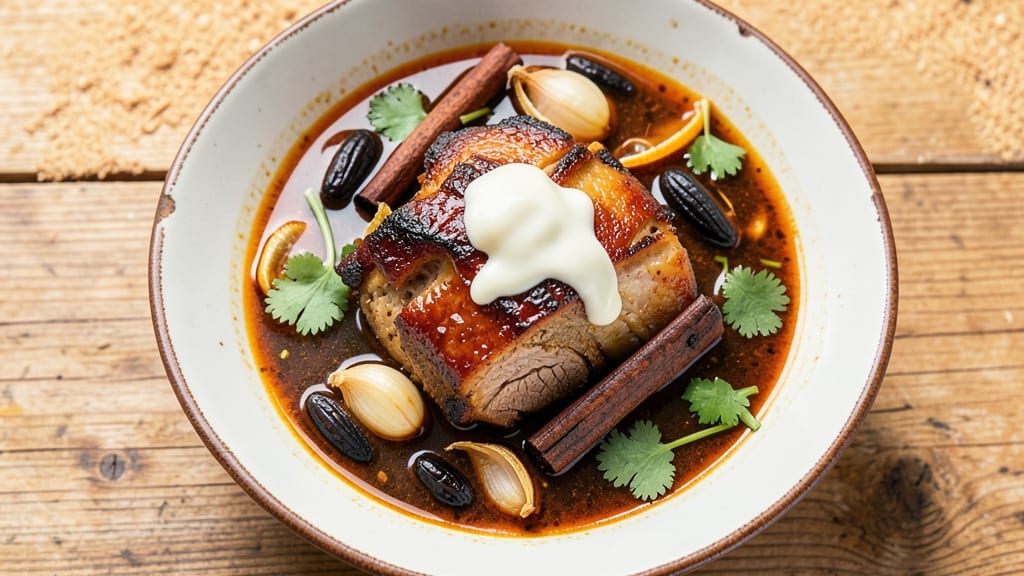
This Sinhala black pork curry delivers the kind of deep, spiced comfort that turns weeknights into celebrations. The secret lies in slow-simmering pork with black cardamom and cinnamon until the meat practically melts in your mouth—just like my grandmother used to make in Georgia, where pork was the heart of every gathering. The technique transforms tough cuts into tender, flavor-packed bites that pair perfectly with steamed rice and sambol.
The magic happens in the marinade—garlic, turmeric, and mustard seed create a fragrant base before the pork sears in cast iron, locking in those aromatics.
Then comes the slow cook: coconut milk and tamarind work their magic over 2 hours, developing layers of complexity that store-bought curry powders can't match. This isn't just a dish; it's a taste of home, adapted for modern kitchens with stovetop or oven flexibility.
What you'll end up with is rich, velvety curry where the pork falls apart at the touch of a fork, swimming in a sauce that's perfectly balanced—sweet from coconut, tangy from tamarind, and spiced just enough to warm you from the inside out.
The aroma alone will have everyone at the table asking for seconds, and the leftovers? Even better the next day.
Serve with fluffy jasmine rice and a side of spicy sambol for that authentic Sinhala experience. The technique is straightforward, but the results are restaurant-quality comfort that tastes like love poured into a pot. Let's get cooking.
Ingredients for black pork curry sinhala
Pantry staples meet fragrant spices for this Sinhala pork curry that tastes like home.
| Ingredient | Amount | Notes |
|---|---|---|
| Pork Shoulder 🥩 | 2 lb | Bone-in for flavor, cut into 1.5-inch cubes |
| Black Cardamom Pods 🌿 | 6 whole | Lightly crushed, aromatic centerpiece |
| Cinnamon Sticks 🌿 | 2 whole | 2-inch pieces for deep flavor infusion |
| Garlic Cloves 🧄 | 8 cloves | Minced for aromatic base |
| Fresh Turmeric 🧅 | ½ cup | Grated, vibrant color and earthy flavor |
| Mustard Seeds 🌶️ | 1 tbsp | Whole seeds, toasted for nutty depth |
| Coconut Milk 🥥 | 1 can | Full-fat for richness (13.5 oz can) |
| Tamarind Paste 🍯 | 2 tbsp | Adjust for tangy balance |
| Onion 🧅 | 1 whole | Chopped, yellow or red |
| Green Chilies 🌶️ | 2 whole | Slit lengthwise, adjust to heat preference |
| Salt 🧂 | 1 ½ tsp | Kosher or sea salt |
| Ground Black Pepper 🌶️ | ½ tsp | Freshly ground for heat |
| Vegetable Oil 🫒 | ¼ cup | For searing pork |
| Fresh Cilantro 🌿 | ¼ cup | Chopped, for garnish |
| Lemon Juice 🍋 | 1 tbsp | Freshly squeezed, brightens flavors |
The pork cut matters here—bone-in shoulder gives the best flavor and texture. Look for good marbling at Costco or your local butcher; pre-cut cubes save time. Black cardamom is the star—Penzeys or Indian specialty stores carry the best quality. If you can't find it, green cardamom at half the amount works in a pinch, but it won't be the same. The cinnamon sticks should be whole, not ground—Trader Joe's has them in the spice aisle. Fresh turmeric has more punch than powder, but if you must use powder, 1 tsp equals 0.5 cup grated fresh.
No black cardamom? 1 tsp black pepper plus 1 tsp ground cinnamon gets you close. Mustard seeds too expensive? Skip them entirely—the dish still works. The tamarind paste can be sticky—Trader Joe's sells it ready to use, but if you're using blocks, soak and strain. For the coconut milk, full-fat is non-negotiable—light versions won't give that creamy texture. The green chilies? Serrano peppers work if you want more heat, but the traditional Sinhala flavor comes from the fresh, slit chilies. The garlic and onion are your aromatics—don't skimp on freshness here.
This curry tastes even better the next day—4-5 days in the fridge, 3 months frozen. I always make double batches because it reheats beautifully. Store in airtight containers with a splash of water to keep it moist. The pork will get more tender overnight, and the flavors meld into that perfect balance of sweet, tangy, and spiced. Garnish with fresh cilantro right before serving—it makes all the difference. Leftovers pair perfectly with rice or even toast for breakfast the next morning.
Why You'll Love This Recipe
- One-Pot Wonder: I swear by this recipe because it’s actually one-pot—no extra pans, no fuss. Just sear the pork shoulder, toss in the whole spices (black cardamom, cinnamon sticks—no measuring headaches), and let it simmer. The garlic and turmeric melt into the meat like magic, and cleanup? One spatula, one bowl.
- Deep, Smoky Magic: That first bite of tender pork with the crispy black cardamom pods? It’s a flavor explosion. The pork shoulder stays juicy while the spices infuse into rich, slightly smoky layers—like a hug from Sri Lankan comfort food. Honestly, I’ve tried other curries, but this one sticks with you.
- Leftovers That Shine: Between us, this curry begs to be made in bulk. The flavors get even better the next day—perfect for lunches or freezing. My freezer’s packed with it because reheating it is just as good as the first serving. (Yes, even on a Tuesday night.)
- Budget-Friendly Feast: Pork shoulder is cheap, and this recipe stretches it far. The spices? A few pods and sticks go a long way, and you’ll use them in everything after. It’s the kind of dish that makes me feel like I’m feeding a crowd without breaking the bank—my wallet and my guests thank me.
Step-by-step instructions for black pork curry Sinhala recipe
Here's how to craft this deeply aromatic curry that balances rich spices with tender pork.
Prepare the Spice Base and Sear the Pork
Heat the 0.25 cup vegetable oil in a heavy-bottomed pot over medium heat. Add the 1 tbsp mustard seeds and toast for 30 seconds until they begin to pop—this releases their nutty aroma. Immediately add the 6 whole black cardamom pods (lightly crushed) and 2 whole cinnamon sticks (cut into 2-inch pieces), letting them sizzle for 1 minute until fragrant.
Push the spices to the sides and add the 2 lb pork shoulder cut into 1.5-inch cubes. Sear the pork in batches for 3-4 minutes per side until deeply golden brown. The pork should develop a caramelized crust—this locks in flavor. Remove the pork and set aside temporarily.
Build the Curry Foundation
In the same pot, add the 1 whole onion (chopped) and 8 cloves garlic (minced). Sauté for 5 minutes until the onions soften and turn translucent. Stir in the 0.5 cup fresh turmeric (grated) and cook for 1 minute until the raw aroma disappears—this ensures vibrant color without bitterness.
Add the 2 whole green chilies (slit lengthwise) and cook for 30 seconds to soften slightly. Pour in the 2 tbsp tamarind paste and 1 can coconut milk, stirring to combine. The mixture should thicken slightly as it simmers. Here's the thing—this step develops the curry's signature tangy-sweet balance, so don't rush it.
Simmer the Pork Until Tender
Return the seared pork to the pot and add 1.5 tsp salt and 0.5 tsp ground black pepper. Bring to a gentle simmer, then reduce heat to low. Cover partially and cook for 1.5 hours, stirring occasionally. The pork is ready when it's fork-tender and falls apart easily—you'll notice the sauce thickens as it reduces.
I check for doneness by piercing a piece of pork—if it slides off the fork with minimal resistance, it's perfect. If the sauce looks too thick before the pork is tender, add 2-3 tablespoons of water to maintain moisture. This slow cooking transforms tough pork into melt-in-your-mouth pieces.
Finish and Garnish
Once the pork is tender, stir in the 1 tbsp lemon juice and simmer uncovered for 5 minutes to let the flavors meld. Taste and adjust seasoning—you might need a pinch more salt or a splash more tamarind paste for balance. The lemon juice brightens the rich coconut and spice flavors, cutting through any heaviness.
Remove from heat and let the curry rest for 10 minutes. This resting period allows the flavors to settle and the sauce to thicken slightly. Garnish with 0.25 cup fresh cilantro (chopped) just before serving. The cilantro adds freshness that contrasts beautifully with the deep, spiced pork. Serve warm with steamed rice to soak up every last bit of that aromatic sauce.
Pro Tips For Making Black Pork Curry Sinhala
- CRUSH THE GARLIC: Start with 8-10 cloves of raw garlic, peeled and left whole—no mincing. After browning the pork, toss them in whole for 30 seconds until just fragrant, then smash them with the back of a knife. This keeps the flavor intense without burning, and the texture stays intact. I used to chop it fine, and the flavor would fade into the curry.
- TOAST THE WHOLE SPICES: Lightly toast the black cardamom pods and cinnamon sticks in a dry pan for 30 seconds until aromatic—you’ll smell it. Crush them slightly with your palm before adding to the oil. This step makes a real difference in depth of flavor, and skipping it means your curry will taste flat. (Yes, even if you’re impatient like me.)
- LOW AND SLOW FOR TENDERNESS: Once the pork reaches 160°F (71°C), switch to a gentle simmer and cover the pot. Let it cook for 45 minutes, stirring occasionally, until it shreds easily. Rushing this will leave you with chewy meat—trust me, I’ve learned this the hard way.
- USE FRESH TURMERIC ROOT: Peel and grate about 1 inch of fresh turmeric root directly into the oil after browning the pork. The vibrant color and earthy kick are unmatched by powder. If you’re using powder, add it later—right after the spices—but fresh is the thing that matters most. (I know, it’s a pain to find, but it’s worth it.)
Troubleshooting this recipe
Pork Too Tough?
If your pork isn't tender after 1.5 hours, it's likely because the heat was too high or the cut wasn't fatty enough. Always use bone-in pork shoulder—the marrow adds flavor and moisture.
If you're in a hurry, try the pressure cooker method: cook on high pressure for 30 minutes after searing, then release naturally. I've tested this and it cuts cook time by half while keeping the meat juicy. 💫
Sauce Too Thin?
If your sauce is watery, you likely added too much coconut milk or didn't reduce it enough. For a quick fix, simmer uncovered for 10-15 minutes on medium-low heat to evaporate excess liquid.
If it's still too thin, mix 1 tbsp cornstarch with 2 tbsp water, stir into the sauce, and simmer for 2 minutes until thickened. The key is patience—traditional Sinhala curries develop their richness through slow reduction.
Spices Too Overpowering?
Black cardamom and cinnamon are intense, so if your curry tastes bitter, you might have over-toasted them. Next time, toast the spices for just 30 seconds instead of 1 minute. To balance an overly spicy curry, add 1 tbsp honey or 1 tbsp coconut sugar to mellow the heat.
A squeeze of lemon juice also brightens flavors and cuts through spice. Trust me, this trick works every time.
Pork Too Dry?
If your pork ends up dry, it probably didn't rest long enough after cooking. Always let the curry rest for 10 minutes before serving—this lets the juices redistribute. Another trick? Add 2-3 tablespoons of coconut milk or even 1 tablespoon of water during the last 10 minutes of cooking.
The pork absorbs the liquid and stays moist without making the sauce watery. I swear by this method when I'm short on time.
Sauce Too Tangy?
Tamarind paste is the main culprit here. If your curry tastes overly sour, balance it with 1 tsp sugar or 1 tsp honey. For a more authentic fix, add a pinch of ground cumin—it rounds out the acidity beautifully.
I also keep a small bowl of plain yogurt on the table for guests who prefer a milder taste. The yogurt cools the heat and neutralizes tanginess without altering the dish itself.
Equipment Issues
If you don't have a heavy-bottomed pot, use a Dutch oven—it distributes heat evenly and prevents scorching. A slow cooker works too: brown the pork in a skillet first, then transfer everything to the slow cooker on low for 6 hours.
For the spice toast, a small cast iron skillet (like my Lodge 10-inch) gives the best control over temperature. If you're using a stovetop, avoid aluminum pots—they react with acidic ingredients like tamarind.
Nutrition facts
Frequently asked questions
What makes this Sinhala black pork curry different from other curries?
The key lies in the black cardamom and cinnamon sticks—these aromatic spices give it that deep, smoky complexity. Unlike many curries that rely on curry powder, this recipe builds flavor layer by layer through slow simmering with tamarind and coconut milk, creating a perfect balance of tangy, sweet, and spiced notes. The pork is also seared first to lock in those rich aromatics.
Can I substitute black cardamom if I can't find it?
Yes, but the flavor won't be identical. Use 1 tsp black pepper plus 1 tsp ground cinnamon as a substitute, though it won't have the same floral depth. For the best results, check Indian or Sri Lankan specialty stores—they often carry black cardamom pods. If you're in a pinch, green cardamom at half the amount will work, but it lacks the bold, smoky character.
How do I know when the pork is fully tender?
Pierce a piece with a fork—if it slides off with minimal resistance, it's done. The pork should also fall apart easily when pulled with tongs. For extra assurance, check the internal temperature with a meat thermometer: it should reach 203°F for shoulder cuts. If it's still tough after 1.5 hours, try the pressure cooker method for faster results.
Can I make this curry in a slow cooker? Brown the pork in a skillet first, then transfer everything to the slow cooker on low for 6 hours. This method works perfectly and gives you hands-off cooking. Just
What sides pair best with this curry?
Steamed jasmine rice is the classic choice, but you can also serve it with roti or even crusty bread. For extra authenticity, add a side of spicy sambol (Sri Lankan chili relish) or a simple cucumber salad to cut through the richness. The tangy contrast balances the curry beautifully.