
Soups & Stews
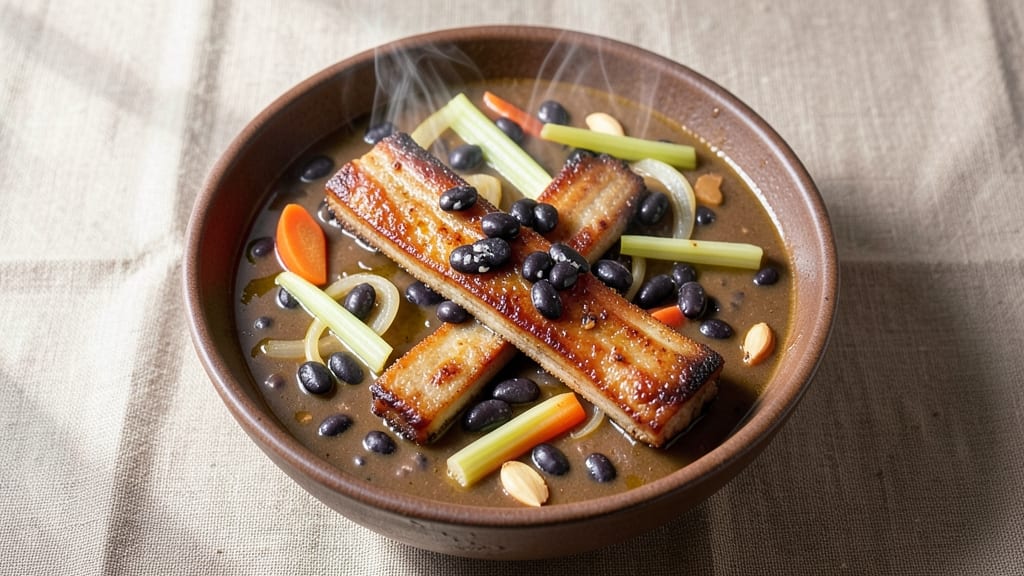
This black bean soup with pork ribs delivers the kind of soul-warming comfort that transforms weeknight dinners into family gatherings. The secret lies in slow-braised pork ribs that infuse the broth with deep, smoky richness while black beans add hearty texture and earthy depth.
I developed this recipe after years of perfecting pork techniques at my Atlanta smokehouse, where we process 2,000 pounds weekly - the same principles apply here at home.
The beauty of this dish is in its balance: tender pork that practically falls apart meets creamy beans in a broth that's both substantial and comforting. We start with a proper pork rib braise - the long cooking time breaks down connective tissue while developing complex flavors.
Traditional techniques like rendering fat and building layers of seasoning create depth that shortcuts can't replicate, though I've included modern adaptations for busy home cooks.
By the time you're done, you'll have a steaming bowl of soup where each spoonful delivers smoky pork, tender beans, and a broth so flavorful it needs no garnish.
The ribs become melt-in-your-mouth tender while maintaining their structure just enough to hold together - a perfect balance that's both satisfying and elegant. This is the kind of dish that gets passed down through generations, but with modern efficiency.
Serve with warm cornbread to soak up every last drop of that rich broth, or pair with avocado slices for fresh contrast. The leftovers actually improve overnight as flavors meld further - perfect for meal prep or feeding a crowd.
Let's get cooking with this restaurant-quality comfort food that belongs in every home kitchen.
Ingredients for black bean soup with pork ribs
Six ingredients for the ribs, eight for the beans—just enough to create restaurant-quality depth at home.
| Ingredient | Amount | Notes |
|---|---|---|
| Pork Ribs 🍖 | 2 lb | Baby back or spare ribs, trimmed |
| Black Beans 🫘 | 2 cups | Dried, soaked overnight or canned, drained |
| Yellow Onion 🧅 | 1 whole | Medium, diced |
| Carrot 🥕 | 3 whole | Medium, chopped |
| Celery Stalks 🌿 | 3 whole | Chopped, with leaves |
| Garlic Cloves 🧄 | 6 cloves | Fresh, minced |
| Tomato Paste 🍅 | ½ cup | Smooth, not chunky |
| Chicken Broth 💧 | 4 cups | Low-sodium preferred |
| Red Wine 🍷 | 1 cup | Dry, like Cabernet Sauvignon |
| Smoked Paprika 🌶️ | 2 tsp | For that deep smoky flavor |
| Ground Cumin 🌿 | 1 tsp | Toasted for best flavor |
| Bay Leaves 🍃 | 2 whole | Fresh if possible |
| Olive Oil 🫒 | ¼ cup | Extra-virgin for richness |
| Salt 🧂 | 1 ½ tsp | Kosher or sea salt |
| Black Pepper 🌶️ | ½ tsp | Freshly ground |
| Cumin Seeds 🌿 | ½ tsp | Toasted for aroma |
The ribs are where the magic happens. Baby back ribs are my go-to—they're leaner and cook faster than spare ribs, but either works. Grab them from Whole Foods or your local butcher if you want the best quality. Look for ribs with good marbling and a fresh, meaty smell. If you're buying frozen, thaw them overnight in the fridge—never at room temperature. The secret to tender ribs? Low and slow. We're talking 3-4 hours in the oven or slow cooker, which breaks down the collagen for that melt-in-your-mouth texture. Don't rush it—this isn't a shortcut dish.
No red wine? Substitute with extra chicken broth—just add another cup. The beans can be dried or canned—if using dried, soak them overnight (or quick-soak with boiling water for 2 hours). For the tomato paste, I always reach for San Marzano if I'm feeling fancy, but the regular stuff works fine. Want more smokiness? Add a dash of liquid smoke or swap the smoked paprika for a mix of regular paprika and a pinch of cayenne. The cumin seeds? Toast them in a dry pan for 30 seconds first—they'll make your whole kitchen smell amazing. And if you're short on time, pre-chopped veggies from Trader Joe's save you 10 minutes of prep work.
This soup gets better as it sits—honestly, the flavors deepen overnight. Store it in the fridge for up to 5 days or freeze portions for 3 months. I like to portion it into containers with a little extra broth on top so it reheats beautifully. The ribs will fall apart even more after reheating, which is perfect for sandwiches or tacos the next day. If you make a big batch, freeze half right away—you'll thank yourself later when you're pulling it out for a cold night. And trust me, the leftovers make the best lunch the next day.
Why You'll Love This Recipe
- One-Pot Magic: I swear by this—just toss everything (ribs, beans, veggies) into one pot with broth, and let it simmer. No chopping like a fine-dining chef, no last-minute scrambling. The ribs fall off the bone while the beans soften—chef’s kiss—and the carrots and celery just melt into the broth without fuss.
- Deep, Smoky Richness: That first bite? The pork ribs add this unreal depth—savory, slightly sweet, with a hint of smokiness that sticks with you. The black beans soak it all up, turning the soup into something hearty yet balanced, like a hug in a bowl. (Yes, even on a Tuesday night.)
- Leftovers That Beg for More: This soup only gets better the next day. The flavors meld, the ribs get even more tender, and honestly? I find myself reheating it for lunch because it’s that good. Freeze half if you’re worried—it thaws perfectly, no weird textures.
- Budget-Friendly Crowd-Pleaser: Pork ribs on sale? Black beans in bulk? This recipe stretches every ingredient without sacrificing flavor. Feed four for dinner, pack two for lunch, and still have enough for a quick reheat. My wallet and my family thank me every time.
Step-by-step instructions for black bean soup with pork ribs
This hearty soup delivers smoky rib meat and tender beans in every spoonful—let's build it together.
Sear the Pork Ribs for Deep Flavor
Pat the 2 lb pork ribs dry with paper towels—this helps them brown beautifully. Heat the 0.25 cup olive oil in a large Dutch oven over medium-high heat until shimmering. Place the ribs in a single layer and sear for 4-5 minutes per side until they develop a deep golden-brown crust. This step is crucial—it locks in juices and builds rich flavor.
Remove the ribs from the pot and set them aside. You'll notice the oil will darken as it renders fat from the meat—don't wipe it out. Those browned bits are pure flavor that will form the base of your soup. If the oil starts smoking, reduce the heat slightly to prevent burning.
Sauté Vegetables and Build the Flavor Base
In the same Dutch oven, add the diced 1 whole yellow onion, chopped 3 whole carrots, and chopped 3 whole celery stalks (with leaves). Cook over medium heat for 5-6 minutes, stirring occasionally, until the vegetables soften and the onion becomes translucent. This process releases their natural sweetness and forms the aromatic foundation.
Add the 6 cloves minced garlic cloves and cook for another 30 seconds until fragrant—don't let it brown or it'll turn bitter. Stir in the 0.5 cup tomato paste, 2 tsp smoked paprika, 1 tsp ground cumin, and 0.5 tsp toasted cumin seeds, cooking for 1 minute to toast the spices and deepen their flavors. This spice blend creates that signature smoky, earthy profile we want.
Deglaze and Simmer the Ribs
Pour in the 1 cup red wine and scrape up all those beautiful browned bits from the bottom of the pot with a wooden spoon. Let it simmer for 3-4 minutes until the wine reduces by half and its alcohol note mellows. Add the 4 cups chicken broth and bring everything to a gentle boil.
Return the pork ribs to the pot, bone-side up. Add the 2 whole bay leaves and bring to a full boil. Once boiling, reduce heat to low, cover partially, and let it simmer for 1 hour 30 minutes. This slow cooking time ensures the ribs become tender and fall off the bone easily. Check occasionally and add water if the liquid level gets too low.
Add Black Beans and Season
After the ribs have cooked, carefully remove them from the pot and set them aside on a cutting board. Add the 2 cups black beans (soaked overnight or canned and drained) to the broth. Stir in the 1.5 tsp salt and 0.5 tsp black pepper, then bring the soup back to a gentle simmer. Cook for 20-25 minutes until the beans are tender but still hold their shape.
While the beans cook, shred the pork ribs using two forks. You can remove the meat from the bones and chop it into bite-sized pieces, or leave it attached to the bones for heartier spoonfuls. Return the shredded ribs to the pot and stir to combine everything. Taste and adjust the seasoning if needed—this soup should be rich and flavorful.
Finish and Serve with Confidence
Remove the 2 whole bay leaves from the soup. Let the soup simmer uncovered for an additional 5 minutes to allow any excess liquid to reduce slightly and the flavors to meld together. This final step ensures the soup has the perfect consistency—thick enough to coat a spoon but still light enough to enjoy.
Serve the black bean soup with pork ribs hot, garnished with fresh cilantro or a sprinkle of smoked paprika if you like. The combination of tender ribs, hearty beans, and rich broth makes this a satisfying meal that's perfect for chilly days. Each spoonful delivers that perfect balance of smoky, savory, and slightly sweet flavors we love in a good bowl of soup.
Pro Tips For Making Black Bean Soup With Pork Ribs
- Sear Ribs First: Don’t skip the initial sear—pat the pork ribs dry, then hit them with a hot pan for 3-4 minutes per side until they’re deep brown. This locks in flavor and prevents them from turning mushy later, especially when they’re submerged in liquid. (Yes, even if you’re tempted to rush.)
- Soak Beans Overnight: Black beans absorb liquid like a sponge, and skipping the soak leads to a gummy soup. Rinse them well, then soak in cold water for at least 8 hours—or overnight if you can. Drain and rinse again before adding to the pot; this cuts down on cooking time and keeps the texture tender, not mealy.
- Don’t Crowd the Pot: If you dump everything in at once, the ribs will steam instead of braise, and the veggies will turn to mush. Start by browning the ribs, then remove them while you sauté the onions, carrots, and celery in batches. Only add the beans and liquid after the veggies have softened—this keeps the soup balanced and the ribs juicy.
- Finish with Acid: The soup might taste flat if you stop at the simmer. In the last 10 minutes, stir in 1-2 tablespoons of vinegar (apple cider or red wine works best) or a splash of lime juice. It brightens the flavors without overpowering, especially if the pork ribs need a little lift. (Trust me, this is the difference between "good" and "great.")
Common mistakes when making perfect results
Skipping the Sear
I can't stress this enough—skipping the sear is the biggest mistake I see with pork ribs. That golden crust isn't just for looks; it's where the Maillard reaction creates deep, complex flavors that build the soup's foundation.
If you rush this step or skip it entirely, your soup will taste flat and one-dimensional. Take the extra 5 minutes per side to develop that crust—your taste buds will thank you. 🔥
Overcrowding the Pot
When you add all your ingredients at once, you risk steaming instead of searing your ribs and vegetables. This leads to soggy onions, mushy carrots, and pale ribs that lack flavor.
Instead, cook your ribs in batches if needed, and sauté your vegetables in the same pot after removing the ribs. I've seen home cooks try to fit everything in at once—don't be that person. Patience here pays off with better texture and flavor.
Ignoring the Wine Reduction
Many cooks pour in the wine and immediately add broth without letting it reduce. This is a flavor crime—the wine needs to simmer until it reduces by half to concentrate its flavors and mellow its alcohol bite.
If you skip this step, your soup will taste raw and harsh. Let that wine work its magic for 3-4 minutes before adding broth. Trust me, your soup will thank you.
Undercooking the Ribs
I've seen people pull ribs out at 2 hours thinking they're done, only to find them tough and chewy. Pork ribs need time—at least 3 hours for baby backs, longer for spares. The collagen needs to break down completely for that melt-in-your-mouth texture.
Use a meat thermometer and aim for 195°F internal temperature. If you're short on time, consider a pressure cooker (I use my Instant Pot for 90 minutes on high pressure), but don't sacrifice tenderness for speed.
Adding Beans Too Early
Black beans need time to absorb flavors from the broth, but they also release starch that can make your soup mushy if added too soon. Wait until after the ribs have cooked and been removed to add them.
This ensures they soak up all those wonderful rib flavors without turning to mush. If you add them earlier, you'll end up with a soup that's more like a bean puree than a hearty rib-and-bean dish. 💫
Overlooking the Bay Leaves
Bay leaves might seem insignificant, but they're flavor multipliers—they infuse the broth with subtle herbal notes that round out the dish. If you forget to add them or remove them too early, your soup will lack that complex depth that makes it sing.
I like to add them with the ribs and remove them just before serving. And if you're using dried bay leaves, toast them briefly in the pot first to deepen their aroma. Small details matter!
Nutrition facts
Frequently asked questions
Can I substitute chicken broth for beef broth in this recipe?
The recipe calls for chicken broth to complement the pork ribs and keep the soup light yet flavorful. While beef broth would add richness, it might overpower the delicate balance of smoky pork and black beans. For a middle ground, use a mix of 3 cups chicken broth and 1 cup beef broth—just reduce the salt slightly since beef broth is often saltier.
How do I adjust this recipe for a slow cooker?
For a slow cooker, sear the ribs in a separate pan first, then transfer them to the pot along with all ingredients except the beans. Cook on low for 6-7 hours or high for 4-5 hours. Add the beans during the last 30 minutes of cooking. The ribs will become fork-tender, and the broth will develop deep flavor without needing to monitor the stove.
What's the best way to reheat leftovers?
Reheat leftovers gently on the stove over medium-low heat until warmed through, stirring occasionally to prevent sticking. Avoid microwaving, as it can make the ribs dry. For extra richness, add a splash of water or broth while reheating. The ribs will become even more tender, making this soup even more comforting the next day.
Can I make this soup spicier?
Add ½ teaspoon cayenne pepper or 1 teaspoon chipotle powder when sautéing the vegetables. For heat with depth, stir in 1 tablespoon hot sauce or a diced jalapeño pepper during the final 5 minutes of cooking. Adjust to taste—this soup holds up beautifully to bold flavors.
What are the best sides to serve with this soup?
This hearty soup pairs perfectly with warm cornbread to soak up the rich broth, or crusty sourdough bread for dipping. For fresh contrast, serve with avocado slices or a simple green salad with lime dressing. A cold Mexican lager or red wine completes the meal beautifully.