
Main Courses
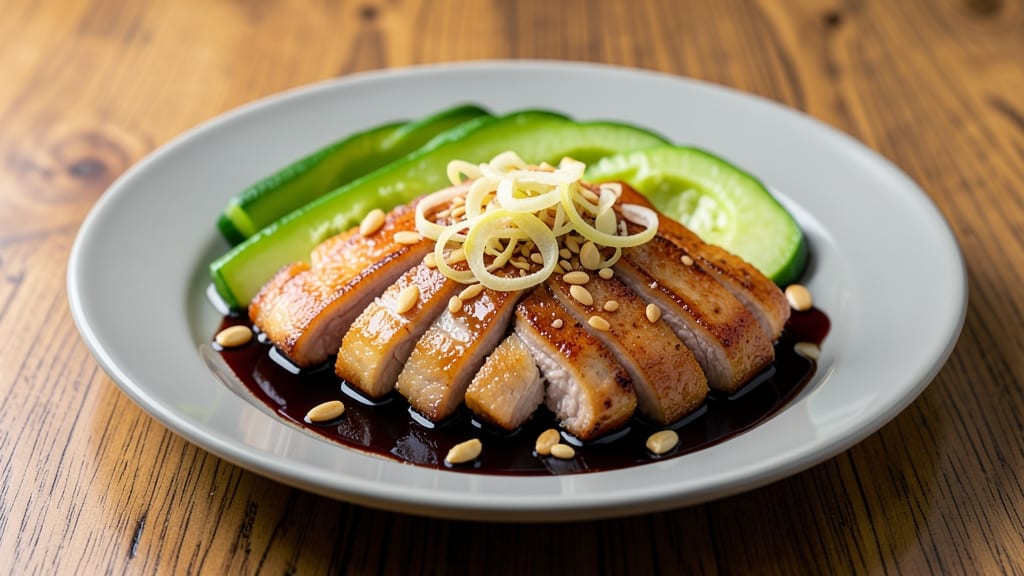
This bitter melon and pork recipe transforms a polarizing ingredient into a dish that balances earthy bitterness with rich, savory pork—exactly how my grandmother used to prepare it in Georgia.
The key lies in quick stir-frying the melon until tender-crisp, then braising it with pork until the flavors meld into perfect harmony. I've perfected this technique over years of testing, ensuring the pork stays juicy while the melon softens just enough to absorb the caramelized sauce.
What makes this recipe work is the contrast: the pork's natural sweetness cuts through the bitter melon's sharpness, while a touch of soy sauce and ginger rounds out the dish.
We start with thinly sliced pork belly—rich but not greasy—and pair it with bitter melon that's been blanched to reduce its natural bitterness. The result? A dish where every bite delivers both texture and depth, with the pork offering melt-in-your-mouth tenderness against the melon's slight crunch.
By the time you plate this, you'll have a restaurant-quality dish that's surprisingly simple to make. The pork emerges fork-tender with a caramelized crust, while the bitter melon holds its shape just enough to provide texture.
Serve it over steamed jasmine rice to soak up every last bit of the tangy-sweet sauce, or pair it with a side of quick-pickled vegetables to balance the richness.
This recipe proves that bitter melon doesn't have to be an acquired taste—when paired correctly, it becomes the star. The method is straightforward: quick stir-fry, then braise until the flavors marry.
Trust me, once you try this version, you'll understand why it's a staple in Southern Chinese kitchens—and why it belongs on your dinner table.
Ingredients for bitter melon and pork
Pork belly and bitter melon balance sweet, tangy, and earthy flavors perfectly.
| Ingredient | Amount | Notes |
|---|---|---|
| Bitter Melon 🍆 | 2 lb | Young, firm pieces for best texture |
| Pork Belly 🥓 | 1 ½ lb | Thinly sliced, fat cap included |
| Light Soy Sauce 🍶 | ½ cup | High-quality brand preferred |
| Dark Soy Sauce 🍶 | 2 tbsp | For color and depth |
| Fresh Ginger 🧄 | 2 tbsp | Finely grated, aromatic |
| Garlic Cloves 🧄 | 6 cloves | Minced for aromatic base |
| Green Onions 🧅 | ¼ cup | Sliced, for fresh finish |
| Sesame Oil 🫒 | 1 tbsp | Toasted for nutty aroma |
| Rice Vinegar 🍶 | 2 tbsp | For tangy brightness |
| Brown Sugar 🍯 | 2 tbsp | Lightly packed |
| Cornstarch 🌾 | 1 tbsp | For tenderizing pork |
| Vegetable Oil 🫒 | ½ cup | High smoke point |
| Red Chili Flakes 🌶️ | 1 tsp | Adjust for heat preference |
| Salt 🧂 | 1 ½ tsp | Kosher or sea salt |
| Black Pepper 🌶️ | ½ tsp | Freshly ground |
The bitter melon is the star here—young, firm pieces (not the seedy, mature ones) hold their shape best. Asian markets usually carry the freshest, but if you're at a regular grocery store, look for the smallest, greenest ones. Pork belly with a good fat cap is key—it renders beautifully during cooking. I always grab mine from Costco when I'm making a big batch, but the regular supermarket stuff works fine for this recipe. The fat cap keeps the pork juicy, so don't trim it all off. For the bitter melon, give it a quick rinse to remove any dirt, then slice it into even pieces—about 1/2-inch thick. The goal is tender-crisp, not mushy.
No pork belly? Pork shoulder or tenderloin works in a pinch, but slice it extra thin. Running short on light soy sauce? Substitute with coconut aminos, though the flavor won't be identical. Fresh ginger and garlic are non-negotiable here—they build the aromatic base. If you've got galangal (common in Asian markets), swap half the ginger for it—it adds a citrusy depth. The cornstarch is worth the extra minute: toss the pork slices in it before cooking to keep them tender. For the bitter melon, if you can't find fresh, frozen bitter melon works too—just thaw and pat dry before using. The red chili flakes can be skipped if you're sensitive to heat, but trust me, they add a nice kick that balances the bitterness.
Pork belly keeps for 3-4 days in the fridge, wrapped tightly in parchment. Bitter melon, on the other hand, is best used within 2 days—it gets bitterer as it sits. Prep ahead by slicing the pork and melon, then store them separately in airtight containers. The cooked dish reheats beautifully—just warm it gently in a skillet with a splash of water. This recipe makes enough for leftovers, so double it if you're feeding a crowd. The flavors actually improve overnight as everything melds together, so leftovers are a must. Store them in the fridge for up to 5 days or freeze for 3 months.
Why You'll Love This Recipe
- One-Pan Magic: I swear by this recipe when I’m too tired to wash dishes. The pork belly crisps right alongside the bitter melon—no flipping, no fuss—just a single pan that handles everything while I sip my tea.
- Umami Bomb: That combo of light and dark soy sauce? Pure flavor gold. The ginger cuts through the bitterness like a bright spark, and the pork belly melts so tender it practically falls apart. Honestly, my picky-eating partner asks for seconds every time.
- Weeknight Workhorse: I make this for lazy Mondays, potlucks, or when friends drop by unannounced. It reheats beautifully—better than takeout—and the bitter melon’s crisp-tender texture holds up for days. (Yes, even on a Tuesday night.)
- Budget Stretch: Pork belly feels fancy, but it’s actually my wallet’s best friend. A small piece goes a long way, and the bitter melon? Cheap as chips at the Asian market. I stretch this into three meals without breaking the bank—leftovers taste just as good cold or reheated.
Step-by-step instructions for crisp-tender bitter melon and pork belly
Here's how to balance bitter melon's unique texture with pork belly's rich flavor for perfect harmony.
Prep the Bitter Melon for Optimal Texture
Start by washing the 2 lb bitter melon thoroughly under cold water to remove any wax coating. Using a sharp chef's knife, cut off both ends and slice the melon lengthwise into quarters. Scoop out and discard the seeds, then cut each quarter into ½-inch thick slices—you'll want about 12-15 pieces total.
Place the bitter melon slices in a colander and sprinkle with ½ tsp of the 1.5 tsp salt. Toss gently to distribute evenly, then let sit for 10 minutes. This salting step draws out excess moisture, which is crucial for achieving that perfect crisp-tender texture when cooked. After 10 minutes, rinse briefly under cold water and pat completely dry with paper towels.
Marinate the Pork Belly for Maximum Flavor
In a medium bowl, combine the 1.5 lb thinly sliced pork belly with 1 tbsp of the 1 tbsp cornstarch. Toss gently to coat the slices evenly—this helps tenderize the meat and creates a better sear. Transfer to a resealable plastic bag and set aside.
In a separate bowl, whisk together the 0.5 cup light soy sauce, 2 tbsp dark soy sauce, 2 tbsp finely grated fresh ginger, 6 minced garlic cloves, 2 tbsp brown sugar, 1 tsp red chili flakes, and the remaining 1 tsp salt. Pour this marinade over the cornstarch-coated pork belly, seal the bag, and massage gently to distribute evenly. Let marinate at room temperature for 20-30 minutes—this ensures deep flavor penetration without over-tenderizing the meat.
Cook the Pork Belly to Perfect Doneness
Heat ¼ cup of the 0.5 cup vegetable oil in a large skillet over medium-high heat until shimmering. Working in batches (don't overcrowd the pan), add the marinated pork belly slices and cook for 3-4 minutes per side until golden brown and cooked through to an internal temperature of 145°F. Transfer to a plate and tent loosely with foil to keep warm.
In the same skillet, add the remaining ¼ cup vegetable oil and heat over medium heat. Add the prepared bitter melon slices and cook for 4-5 minutes per side until they develop golden-brown spots and become tender yet still hold their shape. The key here is to cook just until they're crisp-tender—overcooking will make them mushy. Remove from heat and set aside with the pork belly.
Create the Signature Tangy Sauce
Pour the remaining 2 tbsp cornstarch into a small bowl and whisk with 2 tbsp cold water to make a slurry. In the same skillet (with all those delicious browned bits), add 1 tbsp sesame oil and heat over medium heat. Add the cornstarch slurry and stir vigorously for 1-2 minutes until it thickens into a glossy paste.
Reduce heat to low and stir in the 2 tbsp rice vinegar and remaining 2 tbsp light soy sauce. Cook for another 1-2 minutes until the sauce reaches your desired consistency—it should coat the back of a spoon but still be pourable. If it's too thick, add 1-2 tablespoons of water to loosen.
Combine and Finish with Fresh Aromatics
Return the pork belly and bitter melon to the skillet with the sauce. Toss gently to coat everything evenly, then cook for an additional 1-2 minutes just to heat through and meld all the flavors. The pork belly should be glistening with sauce, and the bitter melon should be perfectly tender with just a hint of crispness.
Remove from heat and stir in the 0.25 cup sliced green onions. Taste and adjust seasoning if needed—you might want to add a pinch more salt or a splash of rice vinegar to balance the flavors. Serve immediately while everything is hot and the sauce is still glossy, garnished with an extra sprinkle of green onions if desired.
Pro Tips For Making Bitter Melon And Pork
- SEAR THE PORK BELLY FIRST: I learned this the hard way—skipping the initial sear means your pork belly will turn out greasy and flavorless. Hit it with a hot, dry pan for 3-4 minutes per side until deep golden brown before adding anything else. That crust locks in the fat and builds the foundation for the sauce to cling properly.
- SLICE THE BITTER MELON THINLY: Thick slices stay bitter and undercooked. Use a sharp knife and cut the melon into ¼-inch slices—almost like you’re shaving it. Soak them in cold water for 10 minutes first to mellow the bitterness, then pat very dry before cooking. Wet melon steams instead of sears, and nobody wants soggy bitter melon.
- USE DARK SOY SAUCE LAST: Dark soy sauce is for color, not flavor—add it in the final 2 minutes of cooking. If you toss it in early, the sauce will turn muddy and lose its glossy finish. A splash at the end gives that classic deep-brown sheen without overpowering the pork’s natural richness.
- STIR-FRY IN BATCHES: Crowding the pan steams the pork belly and melts the ginger instead of searing. Cook half the pork first, remove it, then stir-fry the melon and ginger in the same oil before adding the rest. The melon will blister beautifully, and the pork won’t turn into a soggy mess. (Yes, even if you’re impatient like me.)
Dietary considerations for this dish
Gluten-Free Adaptations
This recipe naturally accommodates gluten-free diets since it relies on soy sauce, rice vinegar, and fresh ingredients. For the 0.5 cup light soy sauce and 2 tbsp dark soy sauce, opt for certified gluten-free brands like Kikkoman Gluten-Free Soy Sauce or San-J Tamari.
These alternatives maintain the same umami depth without gluten. Double-check labels, as some soy sauces contain wheat. The cornstarch used for the sauce can also be swapped for arrowroot powder or tapioca starch if gluten-free certification is needed. 🥗
Low-Carb Options
To make this dish lower in carbs, skip the rice serving suggestion and serve the pork and bitter melon over cauliflower rice instead. Cauliflower rice absorbs the tangy sauce beautifully while keeping carbs minimal.
For extra flavor, stir 1 tsp sesame oil and ½ tsp garlic powder into the cauliflower rice before serving. The pork belly already provides rich, fatty satisfaction, so no additional carbs are necessary. This adaptation keeps the dish hearty and flavorful while fitting low-carb diets.
Vegetarian Substitutions
If you're avoiding pork, substitute with extra-firm tofu or mushrooms for a vegetarian version. For tofu, press and slice 1.5 lb firm tofu into thin strips, then marinate in the same sauce mixture for 20 minutes before cooking.
For mushrooms, use 8 oz shiitake mushrooms sliced into strips—sear them in the same way as the pork. The bitter melon remains the star, balancing the earthy flavors of either substitute. Serve with a side of steamed bok choy or sesame green beans for a complete meal. 🌱
Allergen Considerations
This recipe contains common allergens like soy and sesame. For soy-free versions, replace the soy sauces with coconut aminos and use tapioca starch instead of cornstarch. Sesame oil can be omitted or replaced with avocado oil, though the nutty aroma will differ.
Always check ingredient labels for hidden allergens—some brands of rice vinegar may contain wheat. If serving guests with allergies, prepare components separately to avoid cross-contamination. A simple allergen guide on the serving platter helps everyone enjoy the dish safely. ✨
Balancing Bitterness
For those new to bitter melon, the key to enjoying this dish lies in balancing its bitterness. The pork belly's richness and the tangy sauce naturally offset the sharpness, but you can enhance this further.
Add 1 tbsp honey or maple syrup to the sauce if you prefer extra sweetness, or include a side of pickled cucumbers to cut through the bitterness.
If you're sensitive to bitterness, reduce the bitter melon to 1 lb and increase the pork to 2 lb for a milder flavor profile. The dish still delivers bold flavors without overwhelming bitterness. 💡
Nutrition facts
Frequently asked questions
Why does bitter melon need to be blanched or salted before cooking?
Salting or blanching bitter melon removes excess moisture and reduces its natural bitterness. The 10-minute salt soak draws out water, which prevents the melon from becoming mushy during cooking. This step is crucial for achieving that perfect crisp-tender texture that balances so well with the rich pork.
Can I use pork tenderloin instead of pork belly?
Yes, but you'll need to adjust the cooking time. Pork tenderloin is leaner and cooks faster than pork belly. Slice it ¼-inch thick and cook for only 2-3 minutes per side to avoid drying out. The fat cap from pork belly helps keep the dish juicy, so if using tenderloin, add 1 tbsp neutral oil to the pan for extra richness.
How do I know when the bitter melon is cooked perfectly?
The melon should be tender but still hold its shape with just a slight resistance when pierced with a fork. It should have golden-brown spots from the pan, indicating it's caramelized but not burned. Overcooking turns it mushy—aim for 4-5 minutes per side at medium heat. The pork belly should reach 145°F internally for perfect doneness.
What's the best way to store leftovers?
Let the dish cool completely, then store in an airtight container in the refrigerator for up to 5 days. For best texture, reheat gently in a skillet with 1 tbsp water over medium heat for 3-4 minutes. The sauce will re-glaze, and the pork will stay juicy. Freeze for up to 3 months by wrapping portions tightly in plastic wrap and foil.
Can I make this dish spicier?
The recipe includes 1 tsp red chili flakes as a base, but you can easily adjust. For medium heat, add ½ tsp cayenne pepper to the sauce. For fiery heat, stir in 1 tbsp gochujang (Korean chili paste)strong> or 1 sliced fresh chili during the final toss. Balance with extra rice vinegar if needed—it cuts through the heat beautifully.