
Main Courses
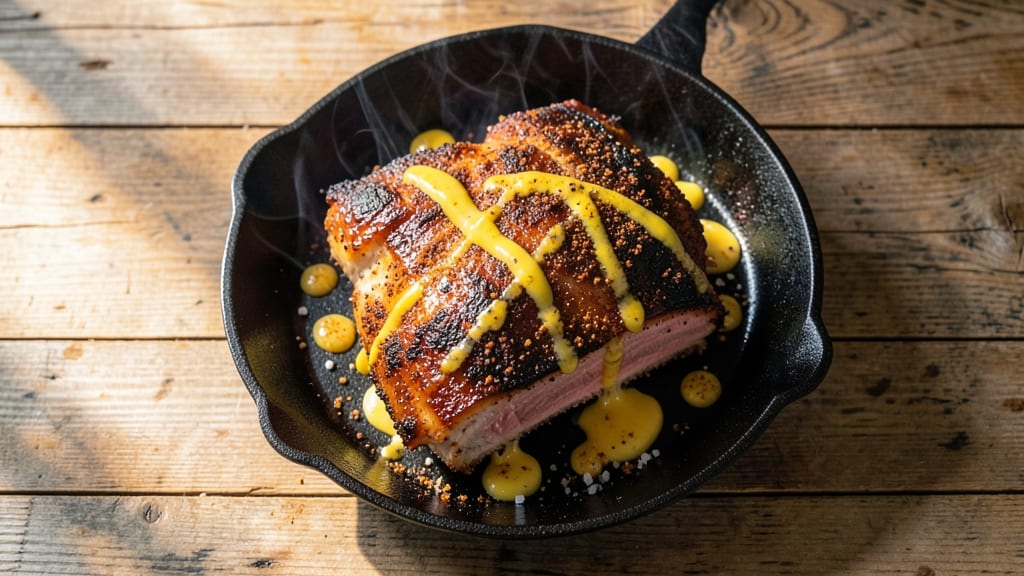
This smoked pork shoulder recipe delivers restaurant-quality pull-apart tenderness using your pellet grill—no guesswork, just foolproof results. After years of perfecting my technique, I’ve cracked the code for achieving that signature bark and juicy interior without drying out the meat.
The key lies in precise temperature control and the right wood pellets, which transform tough pork into melt-in-your-mouth perfection.
The beauty of pellet grills is their consistency—no more fighting fluctuating temps or uneven smoke. I use a hickory-cherry blend for a balanced smoky-sweet flavor that complements the rich pork, and the slow cook ensures the meat stays moist while developing deep, caramelized layers.
This isn’t just another BBQ recipe; it’s a game-changer for anyone who’s ever struggled with dry, tough pulled pork.
By the time you’re done, you’ll have a shoulder that falls apart at the touch, with a crispy bark that crackles with every bite and a sauce that’s sticky enough to coat every forkful.
The secret? A three-stage cooking process—low and slow for tenderness, then a final push to lock in juices. Even beginners can nail this, thanks to the pellet grill’s precision.
Serve it on a platter with a drizzle of homemade BBQ sauce and a sprinkle of fresh herbs for a presentation that rivals any pitmaster’s. Leftovers?
Even better—this pork keeps getting better as it rests, making it ideal for meal prep or feeding a crowd. Ready to master this? Let’s get smoking.
Ingredients for best smoked pork shoulder recipe pellet grill
Eight pounds of pork shoulder plus a few key ingredients transform your pellet grill into a restaurant-quality smoking machine.
| Ingredient | Amount | Notes |
|---|---|---|
| Bone-In Pork Shoulder 🐖 | 8 lb | Fresh cut, well-marbled |
| Yellow Mustard 🍯 | ¼ cup | For sticky bark application |
| Brown Sugar 🍚 | ½ cup | Light or dark variety |
| Smoked Paprika 🌶️ | 2 tbsp | For deep smoky flavor |
| Coarse Kosher Salt 🧂 | 2 tbsp | Diamond Crystal preferred |
| Ground Black Pepper 🌶️ | 1 tbsp | Freshly cracked preferred |
| Hickory-Cherry Wood Pellets 🌳 | 2 lb | For balanced smoky-sweet flavor |
| Apple Cider Vinegar 🍎 | ¼ cup | For tenderizing rub |
| Fresh Rosemary 🌿 | ¼ cup | Chopped, for herb garnish |
| Fresh Thyme 🌿 | ¼ cup | Chopped, for herb garnish |
| Butter 🧈 | ½ cup | Unsalted, for basting |
| Homemade BBQ Sauce 🍅 | 1 ½ cups | Or quality store-bought |
| Yellow Onion 🧅 | 1 whole | Quartered, for sauce base |
| Garlic Cloves 🧄 | 4 cloves | Peeled, for sauce base |
| Beef Broth 💧 | 1 cup | Low-sodium preferred |
The pork shoulder is non-negotiable here—bone-in with good marbling is what gives you that fall-apart texture. Costco or your local butcher are your best bets for a fresh cut. Look for a shoulder with a thick fat cap—this protects the meat from drying out during the long cook. I always ask for it to be vacuum-sealed if possible, which keeps it fresh longer. The hickory-cherry pellets are a game-changer; Traeger and Green Mountain make excellent blends that deliver that perfect balance of smoky and slightly sweet. Don't skimp on the quality here—cheap pellets taste like ash.
No mustard? Olive oil works in a pinch, though it won't give you that signature tangy bark. Swap brown sugar for white sugar plus 1 tsp molasses if that's what you've got. The apple cider vinegar might seem odd, but it helps tenderize the meat and adds a subtle depth to the rub. Fresh rosemary and thyme are ideal, but if you're using dried, reduce to one-third the amount. For the BBQ sauce, I make a big batch of mine with San Marzano tomatoes, but Sweet Baby Ray's or Stubb's are solid shortcuts. Just avoid anything with high-fructose corn syrup—it burns too quickly.
This pork is at its best 2-3 days after cooking—the flavors meld beautifully as it rests. Store leftovers in the fridge for up to 5 days, or freeze for 3 months. I like to portion it into meal-sized containers so I can pull out exactly what I need for sandwiches or tacos. The bark gets crispier as it sits, so if you're serving it fresh off the grill, save a little for later—trust me, it's worth it. And save those bones! They make the best broth for next time.
Why You'll Love This Recipe
- Sweet-Smoky Magic: That brown sugar crust? It caramelizes into something addictive, while the smoked paprika gives it this deep, woodsy warmth. The mustard keeps it bright, so you don’t get stuck with just "smoky" or just "sweet"—it’s both, layered perfectly.
- Leftovers That Save Me: This recipe makes enough for three meals, and the flavor only gets better after a day or two. I pull it apart for tacos, sandwiches, or even a quick breakfast hash. Between us, I’ve eaten this cold in a wrap at 11 AM and still cried happy tears.
- Tailgate or Tuesday Night: Whether it’s feeding a crowd at a game or just my family after work, this pork shoulder handles the pressure. The bone stays juicy, the meat shreds easily, and no one bats an eye if you serve it on a paper plate or a china one. (Yes, even on a Tuesday night.)
Step-by-step instructions for smoked pork shoulder on pellet grill
Here's how to transform an 8 lb bone-in pork shoulder into melt-in-your-mouth perfection using your pellet grill.
Prepare the Rub and Apply to Pork Shoulder
In a medium bowl, combine the 0.5 cup brown sugar, 2 tbsp smoked paprika, 2 tbsp coarse kosher salt, and 1 tbsp ground black pepper. Mix thoroughly until the spices are evenly distributed throughout the sugar. This creates a balanced sweet-savory-salty base that will form that coveted bark.
Transfer the dry rub to a large resealable plastic bag. Add the 8 lb bone-in pork shoulder and 0.25 cup yellow mustard to the bag. Seal it tightly and massage the mixture all over the pork, making sure the rub sticks to every nook and cranny, especially the fat cap. The mustard acts as a binder, helping the rub adhere and creating that signature sticky bark. Let the pork sit at room temperature for 30 minutes before smoking—this ensures even cooking and maximum flavor penetration.
Set Up the Pellet Grill for Low-and-Slow Cooking
Fill your pellet grill hopper with the 2 lb hickory-cherry wood pellets—this combination delivers a perfect balance of smoky depth and subtle sweetness. Set the grill to maintain a steady 225°F temperature. Preheat the grill for 15-20 minutes until the pellets ignite and the smoke starts flowing consistently. This low temperature is crucial for breaking down the collagen in the pork shoulder, transforming it into tender, pull-apart perfection.
While the grill preheats, prepare a water pan and place it in the grill to help maintain moisture throughout the cook. Once the grill reaches the target temperature and you see clean, blue smoke (not thick white vapor), you're ready to load the pork. Position the pork shoulder fat-side up on the grill grate—this allows the rendered fat to baste the meat as it cooks, enhancing flavor and moisture.
Smoke the Pork Shoulder Until Probe-Tender
Place the rubbed pork shoulder on the grill and close the lid immediately. Resist the urge to peek—every time you open the lid, you release heat and moisture, potentially adding 15-20 minutes to your cook time. Smoke the pork undisturbed for 6-8 hours, or until the internal temperature reaches 165-170°F. You'll notice the pork hits "the stall" around this temperature—the internal temp plateaus as moisture evaporates. This is normal and expected.
At this point, the pork should have developed a beautiful dark bark on the exterior. If you've been monitoring the temperature using a meat probe, you'll see the internal temp stop rising despite the smoke continuing. This is your cue to wrap the pork in butcher paper (not aluminum foil). The butcher paper allows the pork to breathe while retaining moisture, helping it push through the stall and reach the perfect tenderness.
Finish Cooking and Prepare for Serving
Return the wrapped pork shoulder to the grill and continue cooking until the internal temperature reaches 200-203°F. This typically takes an additional 2-4 hours, but don't rush it—patience is key to achieving that pull-apart tenderness. The meat should be so tender that a fork slides in like butter with no resistance. Once it reaches this temperature, remove the pork from the grill and let it rest for 1-2 hours in a warm, draft-free place. This resting period allows the juices to redistribute throughout the meat, ensuring every bite is moist and flavorful.
While the pork rests, prepare a simple pan sauce by melting the 0.5 cup butter in a skillet over medium heat. Add the 1 whole yellow onion (cut into wedges) and 4 cloves garlic cloves (smashed), cooking until softened and fragrant, about 5 minutes. Pour in the 1 cup beef broth and simmer for 10 minutes until slightly reduced. Stir in the 1.5 cups homemade BBQ sauce and simmer for another 5 minutes until the sauce thickens slightly. This sauce will complement the rich, smoky pork beautifully.
Slice and Serve with Confidence
Once the pork has rested, carefully remove it from the butcher paper and slice it against the grain into ½-inch thick pieces. The grain direction is visible as lines running through the meat—cutting against these lines shortens the muscle fibers, making each bite incredibly tender. Arrange the sliced pork on a serving platter and drizzle generously with the pan sauce you prepared earlier.
Garnish with the 0.25 cup fresh rosemary and 0.25 cup fresh thyme, sprinkled lightly over the top for a pop of color and fresh herbal notes. Serve immediately with crusty bread or your favorite sides. The result should be a juicy, tender, and deeply flavorful pork shoulder that falls apart at the touch, delivering that restaurant-quality experience at home.
Pro Tips For Making Best Smoked Pork Shoulder Recipe Pellet Grill
- CRANK THE SMOKE AT 225°F: Start your pork shoulder at a steady 225°F—no higher, no lower. I used to rush it to 250°F to save time, but the bark burned before the meat tenderized. Pellet grills are forgiving, so let them do their thing and resist the urge to peek or adjust too soon.
- BRINE THE MEAT OVERNIGHT: Skip the dry rub for 24 hours and submerge the pork shoulder in a mix of 1 gallon water, ½ cup kosher salt, and ¼ cup brown sugar. This guarantees moisture and flavor penetration—no guessing if the crust will stick later. (Yes, even if you’re impatient like me.)
- WRAP AT 160°F: The moment your probe hits 160°F, wrap the shoulder in butcher paper or foil. I learned this the hard way—waiting until 180°F meant fighting dryness later. The wrap locks in juices while the meat rests, so you’re not left with a tough, overcooked mess.
- USE DIAMOND CRUST MUSTARD: Swap the basic yellow mustard for a high-quality diamond crust or spicy brown mustard—it’s the difference between a mild glaze and a sticky, caramelized bark. Brush it on after the first hour, not before; the heat will activate the flavors just right.
Common mistakes when making perfect results
Overlooking the Stall
I can't tell you how many times I've seen cooks panic when their pork shoulder hits the stall—where the internal temperature plateaus around 165°F. The instinct is to crank up the heat, but that's a surefire way to dry out your meat.
Instead, wrap it in butcher paper (not foil) when it hits 165°F and let it continue cooking at 225°F. This helps push through the stall while keeping moisture locked in. Remember, the stall is normal—it's your meat's way of saying "I'm working on it!"
Skipping the Rest
This is the biggest rookie mistake I see. Pulling pork too soon means juices haven't redistributed, and you end up with dry meat. After hitting 203°F, let your pork rest for at least 1-2 hours in a warm place.
I like to wrap it in towels and place it in a cooler to maintain temperature. Trust me, that extra time makes all the difference—your meat will be so tender it'll fall apart at the touch. 💪
Ignoring the Fat Cap
The fat cap isn't just for looks—it's your pork's built-in basting system. Always place your pork shoulder fat-side up on the grill. As it cooks, the fat renders and bastes the meat, keeping it moist and adding incredible flavor.
If you flip it too early, you lose that natural basting effect. And never trim the fat cap before cooking—it's your secret weapon for juicy pork.
Wrong Wood Pellets
Not all pellets are created equal. Using cheap, low-quality pellets will give you weak, ashy smoke instead of rich flavor. Stick with hickory-cherry blends for that perfect balance of smoky depth and subtle sweetness.
I've tried everything from Traeger to Green Mountain brands, and they all deliver consistent, flavorful smoke. Don't skimp here—your pork deserves the best.
Opening the Lid Too Often
Every time you open your pellet grill lid, you lose heat and moisture, potentially adding 15-20 minutes to your cook time. I know it's tempting to check on your pork, but resist the urge!
Only open the lid when absolutely necessary—like when you're wrapping the meat or checking the pellets. Patience pays off with perfectly smoked pork. 🔥
Using Aluminum Foil
While foil might seem convenient, it traps too much steam and can make your pork mushy. Instead, use butcher paper—it allows the meat to breathe while retaining moisture. The paper also gives you that beautiful bark texture without steaming the meat.
I've tested both methods, and butcher paper always wins for texture and flavor. It's a small switch that makes a big difference.
Nutrition facts
Frequently asked questions
How do I know when my pork shoulder is done?
Use a meat thermometer to check the internal temperature—it's done when it reaches 200-203°F. The meat should be fork-tender and pull apart easily. Pro tip: The "stall" around 165°F is normal, so don't panic if the temperature plateaus. Just wrap it in butcher paper and keep cooking.
Can I use a different wood pellet flavor?
While I recommend hickory-cherry for that perfect balance, you can experiment with oak for stronger smoke or fruitwoods like apple or pecan for sweeter notes. Just avoid softwoods like pine—they can taste bitter. For beginners, stick with hickory or cherry to avoid overwhelming flavors.
How long can I keep smoked pork shoulder in the fridge?
Store it in an airtight container for up to 5 days in the fridge. The flavors actually improve as it rests! For longer storage, freeze it for up to 3 months. I like to portion it into meal-sized containers so I can pull out exactly what I need for sandwiches or tacos. Leftovers get even more tender and flavorful.
Why does my pellet grill struggle to maintain temperature?
This usually happens when the firepot gets clogged with ash or the pellets aren't feeding properly. Clean out the firepot regularly and check your pellet hopper for blockages. If your grill is new, it might just need time to regulate. For stubborn issues, try preheating for 30 minutes before adding meat to stabilize the temperature.
What's the best way to reheat leftover pork?
Slice it thin and reheat in a skillet with a splash of beef broth over low heat until warmed through. Avoid microwaving—it makes the meat rubbery. For sandwiches, I like to warm the pork in the oven at 300°F for 10-15 minutes with a little extra sauce to keep it moist. The bark gets crispy again when reheated this way!