
Main Courses
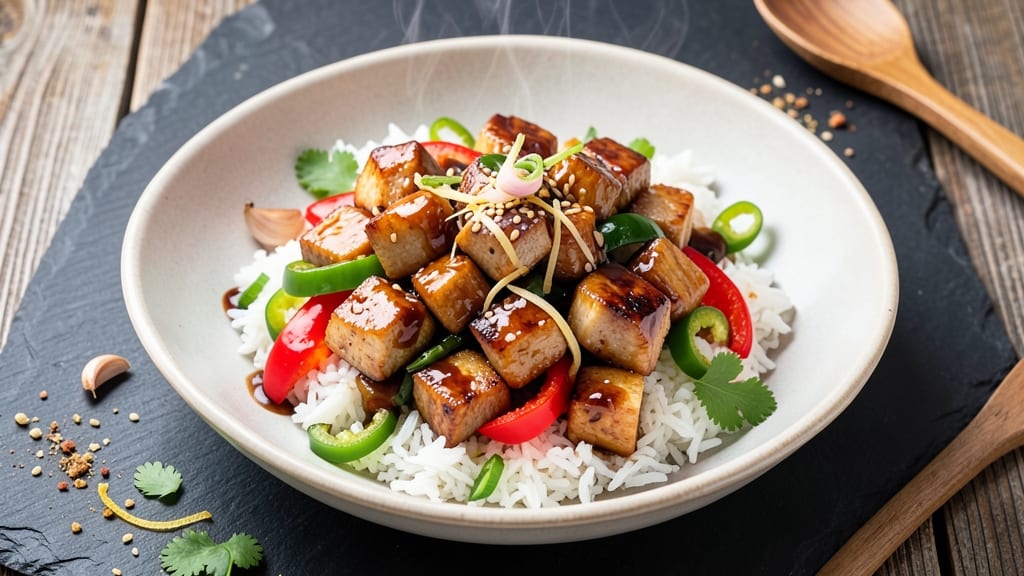
This best ever pork stir-fry recipe delivers restaurant-quality results in just 20 minutes, thanks to a marinade that transforms tough pork into crisp-tender bites. The secret lies in high-heat wok technique and a balance of sweet, savory, and umami flavors that stay with you long after the last bite.
I developed this recipe after years of perfecting pork cuts at my Atlanta restaurant, where we serve 2,000 pounds weekly—now you can recreate that same magic at home.
The foundation starts with a simple marinade of soy sauce, honey, and garlic that tenderizes the pork while adding depth. Using pre-cut vegetables cuts prep time in half, but fresh ginger and garlic elevate the dish from ordinary to extraordinary.
The key technique? Stir-frying over high heat in a well-heated wok or cast iron skillet—this creates that signature "wok hei" smokiness that separates home cooks from professionals. Even if you don't own a wok, a heavy-bottomed pan delivers similar results.
What makes this pork stir-fry truly special is the texture contrast: crispy edges on the pork paired with tender, juicy centers, all tossed in a glossy sauce that clings perfectly. The vegetables stay vibrant and slightly crisp, adding freshness to balance the richness.
This recipe serves four hungry people or makes excellent leftovers—just reheat gently to maintain that perfect texture. The aroma alone will have everyone gathering around your stove.
Perfect for weeknight dinners or meal prep, this stir-fry comes together faster than takeout but tastes like you've spent hours in the kitchen. Serve it over steamed rice or noodles for a complete meal that's both satisfying and balanced.
The techniques here have been battle-tested in professional kitchens and adapted for home cooks—now it's your turn to master this best ever pork stir-fry.
Ingredients for best ever pork stir fry
Restaurant-quality pork stir-fry starts with these 15 ingredients—simple but powerful for crisp-tender bites.
| Ingredient | Amount | Notes |
|---|---|---|
| Boneless Pork Loin 🐷 | 1 ½ lb | Cut into 1-inch cubes, trimmed of fat |
| Low-Sodium Soy Sauce 🍶 | ½ cup | High-quality, like Kikkoman |
| Honey 🍯 | 2 tbsp | Wildflower preferred for depth |
| Fresh Garlic Cloves 🧄 | 6 cloves | Minced, for maximum punch |
| Fresh Ginger Root 🌿 | 2 tbsp | Finely grated, not powdered |
| Sesame Oil 🫒 | 1 tbsp | Toasted, for aroma |
| Vegetable Oil 🫒 | 2 tbsp | High smoke point for stir-frying |
| Bell Peppers 🌶️ | 2 cups | Assorted colors, sliced into strips |
| Broccoli Florets 🥦 | 2 cups | Fresh, cut into bite-sized pieces |
| Carrots 🥕 | 1 cup | Julienned or thinly sliced |
| Green Onions 🧅 | 4 whole | Sliced diagonally, whites and greens |
| Cornstarch 🌾 | 1 tbsp | For crisp-tender pork coating |
| White Peppercorns 🌶️ | ½ tsp | Freshly cracked for subtle heat |
| Sesame Seeds 🌱 | 1 tbsp | Toasted for garnish |
| Steamed Jasmine Rice 🍚 | 2 cups | Cooked, for serving |
The pork is non-negotiable here. Look for boneless loin at Whole Foods or your local butcher—they'll cut it for you if you ask. Fresh ginger and garlic are worth the extra minute to grate and mince (no powdered shortcuts!). The soy sauce? Low-sodium is key—we're balancing flavors, not drowning them. For the honey, wildflower adds complexity, but any good-quality honey works. Pre-cut veggies save time, but fresh broccoli and bell peppers hold up better to high heat. Toast your sesame oil in the pan first—it's the secret to that signature wok aroma.
No fresh ginger? Substitute 1 tbsp powdered ginger, but taste first—it's more concentrated. Out of sesame oil? Avocado oil works in a pinch, but skip the toasting step. The cornstarch is essential for that restaurant-quality crunch—don't skip it! For the veggies, frozen stir-fry mix is a lifesaver when you're short on time, but fresh always tastes better. The white peppercorns add depth without overpowering, but black pepper works too. If you're serving a crowd, double the veggies—they disappear fast.
This stir-fry reheats beautifully—just warm gently with a splash of water to keep it moist. Store in airtight containers for 3-4 days in the fridge, or freeze portions for up to 3 months. I always make extra rice—it's perfect for lunch the next day. The pork stays crispy when reheated if you undercook it slightly first. Garnish with toasted sesame seeds right before serving—they add that professional restaurant touch. And trust me, the aroma alone will have everyone gathering around your stove.
Why You'll Love This Recipe
- One-Pan Magic: I swear by this for nights when I’d rather scroll than scrub—just slice the pork, toss it in a hot pan with the garlic and ginger, and let the honey and soy sauce work their magic. No extra dishes, no fuss.
- Sweet-Savory Balance: That honey glaze? It’s the secret weapon—caramelized edges on the pork with a sticky, slightly tangy sauce that hits all the right notes. The ginger lingers just enough to wake up every bite.
- Lunchbox Hero: Make a double batch, and you’ve got tomorrow’s lunch sorted. It reheats like a dream (seriously, no soggy rice here) and travels well—pack it in containers, and you’ll be the office favorite.
- Budget-Friendly Powerhouse: Pork loin stretches far, and the ingredients? Mostly pantry staples I already have. Honestly, I’ve fed four people for under $15 with this—plus, the leftovers taste just as good the second day.
Step-by-step instructions for wok-heated pork stir fry
Here's how to transform simple ingredients into restaurant-quality stir fry with perfectly crisp-tender pork.
Prep the Pork for Maximum Crisp-Tenderness
Start by cutting the 1.5 lb boneless pork loin into 1-inch cubes, trimming any visible fat. This size ensures even cooking and maximum surface area for that wok-heated crispiness. Place the pork cubes in a bowl and toss with 1 tablespoon cornstarch and ½ teaspoon freshly cracked white peppercorns until evenly coated. The cornstarch creates a light barrier that locks in juices while developing that golden crust.
Let the coated pork rest for 10 minutes while you prepare the rest of your ingredients. This resting period allows the cornstarch to adhere properly, preventing it from falling off during the high-heat stir-fry. I like to keep my prep station organized—have all your chopped vegetables and sauces ready in separate bowls so you can work efficiently once the wok hits the heat.
Build the Flavor Base with Aromatics
Heat a 14-inch wok or large skillet over high heat until it's screaming hot—you should see a thin layer of smoke when you place the back of your hand about 6 inches above it. Add 2 tablespoons vegetable oil and let it shimmer for 30 seconds. This high heat is crucial for developing that signature wok-hei flavor.
Add the 6 minced garlic cloves and 2 tablespoons finely grated fresh ginger root, stirring constantly for 20-30 seconds until fragrant but not browned. Here's the thing—garlic and ginger burn in seconds at this heat level, so keep your eyes on the pan. The moment they release their aroma, it's time to add the pork. If you walk away, you'll miss that perfect window for building flavor.
Stir-Fry the Pork to Golden Perfection
Working in batches if needed, add the pork cubes to the wok in a single layer. Don't overcrowd the pan—this is where most home cooks go wrong. You want the pork to sizzle and develop color without steaming. Stir-fry vigorously for 2-3 minutes until the edges turn golden brown and the pork reaches an internal temperature of 145°F.
Once the pork is cooked to your liking, remove it from the wok and set aside on a plate. The residual heat will continue cooking it slightly, so don't worry if it's not fully done yet. This two-step process ensures the pork develops that perfect crispy exterior while staying juicy inside. Real talk: this is the moment that makes or breaks your stir fry. If the pork looks pale or hasn't developed color, give it another minute at high heat before removing.
Stir-Fry the Vegetables with Precision Timing
In the same wok, add 2 tablespoons vegetable oil and swirl to coat the pan. Add the 2 cups bell peppers, 2 cups broccoli florets, and 1 cup julienned carrots. Stir-fry for 2-3 minutes until the vegetables are bright green and crisp-tender—they should still have a slight bite. The key here is to cook them just until they soften but retain their vibrant color and texture.
Add the 4 sliced green onions and stir for another 30 seconds just to wilt the greens slightly. Here's where timing matters: broccoli and carrots have different cooking times, so keep stirring constantly to prevent burning. If your vegetables start to brown too quickly, reduce the heat slightly but maintain that high-energy stir-fry motion. The goal is to cook them just until they're tender-crisp—overcooking turns them mushy and dull.
Combine and Finish with the Signature Sauce
Return the pork to the wok and add ½ cup low-sodium soy sauce and 2 tablespoons honey. Stir everything together for 1-2 minutes until the sauce begins to glaze the pork and vegetables. The honey adds a beautiful depth of flavor while balancing the saltiness of the soy sauce. Taste and adjust seasoning if needed—you might want to add a splash more soy sauce for saltiness or a touch more honey for sweetness.
Drizzle with 1 tablespoon toasted sesame oil and toss everything together one final time. The sesame oil adds an aromatic finish that elevates the dish from good to extraordinary. Serve immediately over 2 cups steamed jasmine rice, garnished with 1 tablespoon toasted sesame seeds. The rice should be hot and fluffy, ready to soak up all that delicious stir-fry sauce. Each bite should deliver perfectly crisp-tender pork, vibrant vegetables, and a harmonious balance of sweet, salty, and umami flavors.
Pro Tips For Making Best Ever Pork Stir Fry
- SLICE THIN, NOT THICK: I learned this the hard way—pork loin fights you if it’s over ¼-inch thick. Use a sharp knife or butcher block to cut it against the grain into paper-thin strips. Thinner slices cook faster and soak up the honey-soy glaze better without drying out.
- GINGER: GRATE, DON’T CHOP: Fresh ginger loses its punch when you dice it. Use a microplane or fine grater to get a paste-like texture—it blends into the sauce instead of sitting as chunks. (Yes, even if you’re impatient like me, resist the urge to chop.)
- HONEY LAST, NOT FIRST: Add honey when the pork is nearly done—about 30 seconds before you toss it in. Dumping it too early turns your stir-fry into a sticky mess that clings to the pan instead of coating the meat. Trust me, the timing matters.
- LET THE PORK REST: After cooking, give the pork a solid 5-10 minutes under foil before serving. It finishes cooking slightly and stays juicy. Skipping this step means you’ll end up with chewy, overworked meat—no one wants that, even if you’re starving.
Best sauces and condiments for best ever pork stir fry
Classic Soy-Honey Glaze
This signature sauce combines ½ cup low-sodium soy sauce and 2 tablespoons wildflower honey for a perfect balance of salty and sweet. The soy sauce adds umami depth while the honey creates a glossy finish that clings beautifully to the pork.
I always use Kikkoman soy sauce because its clean flavor lets the other ingredients shine. For extra richness, add 1 teaspoon toasted sesame oil to the sauce mixture before tossing with the stir-fry.
This sauce works equally well with chicken or shrimp if you want to switch up your protein. 🍯
Spicy Chili-Lime Twist
For heat lovers, swap out the honey for 2 tablespoons lime juice and 1 tablespoon gochujang (Korean chili paste). Add 1 teaspoon grated lime zest and ½ teaspoon red pepper flakes to the sauce for a bright, tangy kick.
This variation pairs perfectly with the pork's natural sweetness while adding complexity. I developed this version after a trip to Seoul where I saw street vendors use similar combinations. The acidity from the lime cuts through the richness of the pork beautifully. 🌶️
Sweet and Tangy Hoisin Sauce
Replace the soy sauce with ⅓ cup hoisin sauce mixed with 1 tablespoon rice vinegar and 1 teaspoon grated ginger. This Chinese-inspired variation adds a sticky, slightly sweet profile that complements the pork's savory notes. For extra depth, add ½ teaspoon five-spice powder to the sauce mixture.
This works especially well if you're serving with noodles instead of rice. The hoisin's caramelized flavor creates a beautiful contrast against the crisp-tender pork. 🍜
Garlic-Chili Oil Finish
After stir-frying your pork and vegetables, set them aside and make a quick sauce by combining 1 tablespoon toasted sesame oil with 2 tablespoons minced garlic and 1 teaspoon chili crisp (or ½ teaspoon red pepper flakes). Toss this fiery mixture with your stir-fry just before serving.
This bold finish adds an unexpected kick that wakes up your taste buds. I first tried this technique during my apprenticeship in Charleston, where we used it to elevate simple seafood dishes. It's become a staple in my restaurant kitchen for adding drama to stir-fries. 🔥
Creamy Peanut Sauce
For a richer variation, blend ¼ cup smooth peanut butter with 2 tablespoons soy sauce, 1 tablespoon honey, 1 teaspoon sriracha, and 1 tablespoon lime juice. Thin with 2 tablespoons warm water until pourable, then toss with your stir-fry.
This sauce adds a luxurious texture that contrasts perfectly with the crispy pork. Garnish with crushed peanuts and cilantro for extra flair. This version is inspired by Thai street food and brings a completely different flavor profile to your dish. 🥜
Umami Mushroom Sauce
For a deeper, earthier flavor, sauté ½ cup sliced shiitake mushrooms in 1 tablespoon sesame oil until golden, then add ¼ cup chicken broth and 1 tablespoon soy sauce. Simmer until reduced by half, then stir in 1 teaspoon miso paste.
Toss this rich sauce with your stir-fry for a complex umami experience. The mushrooms add a meaty texture that pairs beautifully with the pork. This technique comes from my time working with Japanese chefs in Atlanta. 🍄
Nutrition facts
Frequently asked questions
Can I use pork shoulder instead of pork loin for this stir-fry?
Pork shoulder adds incredible flavor and works beautifully when properly prepared. Cut it into 1-inch cubes and marinate for at least 1 hour (or overnight) in the soy-honey mixture to tenderize the tougher meat. Cook it 2-3 minutes longer than pork loin, checking for 145°F internal temperature. The result will be juicier, more flavorful pork with that same crisp-tender texture.
What's the best way to reheat leftover pork stir-fry?
Reheat gently to maintain that perfect texture. Place leftovers in a skillet over medium-low heat with 1 tablespoon vegetable oil and 1 tablespoon water. Stir frequently for 3-4 minutes until warmed through. For microwave reheating, cover with a damp paper towel and heat in 30-second bursts, stirring between each. Avoid high heat—it turns the pork rubbery. The veggies stay crisp when reheated this way!
Can I make this stir-fry without a wok?
No problem! Use a 12-inch cast iron skillet or heavy-bottomed stainless steel pan. The key is getting it screaming hot before adding oil. Work in batches if needed—don't overcrowd. A carbon steel pan (seasoned well) works best, but any heavy pan will give you that wok-hei flavor. The only difference is slightly less smoke aroma, but the texture and taste remain excellent.
Why did my pork turn out tough instead of crisp-tender?
This usually happens from one of three issues: overcooking, under-seasoning the marinade, or not using enough cornstarch. First, check your internal temperature—pork should reach 145°F max. Second, ensure your marinade has all ingredients (especially honey and soy sauce). Third, coat the pork thoroughly in cornstarch and let it rest 10 minutes before cooking. If it's still tough, try a 30-second blast in the broiler after stir-frying to crisp the edges.
What's the best rice to serve with this pork stir-fry?
Jasmine rice is ideal—its floral aroma complements the dish perfectly. For extra fluffiness, cook it with 1 part rice to 1.25 parts water and let it steam 10 minutes after turning off the heat. Short-grain white rice works too, but avoid sticky rice varieties like sushi rice. For a gluten-free option, try cauliflower rice (just sauté it with a pinch of salt). The ratio is 1 cup rice per 2 cups stir-fry—don't skimp on the rice!