
Main Courses
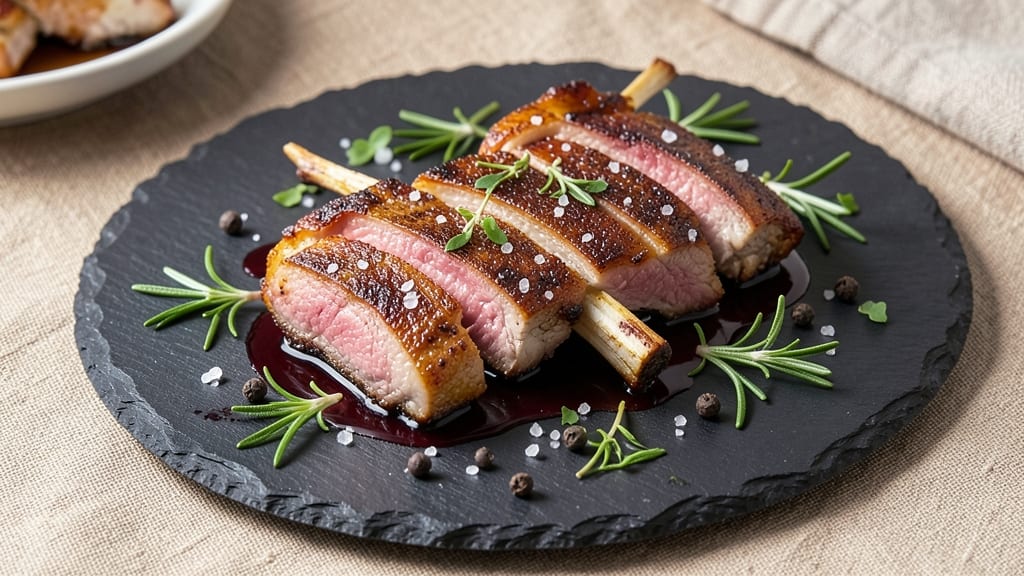
Berkshire pork rack delivers unmatched tenderness and rich, marbled flavor that transforms any meal into an experience worth savoring. 🔥 As someone who's cooked thousands of pounds of pork weekly, I know the secret lies in slow roasting to render fat while preserving moisture—creating that perfect smoky bark over a juicy core.
This recipe builds on traditional methods with modern precision, ensuring restaurant-quality results at home.
The magic begins with a dry brine that enhances natural pork flavors while keeping the meat incredibly tender. A simple herb crust—rosemary, thyme, and black pepper—adds aromatic depth without overpowering the pork's inherent richness.
The key technique? Roasting at a controlled temperature that allows the fat to render slowly, creating that coveted crust while maintaining moisture inside.
What you'll achieve is pork rack with crispy, caramelized edges and melt-in-your-mouth tenderness that falls apart at the slightest touch. The fat cap renders perfectly, basting the meat continuously during cooking.
This isn't just another pork recipe—it's a showstopper that pairs beautifully with apple compote or roasted root vegetables, making it ideal for special occasions or weekend feasts.
Whether you're cooking for a crowd or treating yourself to a luxurious meal, this method delivers consistent, professional results every time. The technique scales easily, and leftovers reheat beautifully. Let's create pork that rivals your favorite restaurant's finest cuts.
Ingredients for berkshire pork rack
Four essential ingredients transform Berkshire pork rack into a showstopper: quality meat, aromatic herbs, precise seasoning, and smart technique.
| Ingredient | Amount | Notes |
|---|---|---|
| Berkshire Pork Rack 🐖 | 2 lb | Bone-in, fat cap intact, 1.5-2 inches thick |
| Kosher Salt 🧂 | 1 tbsp | Diamond Crystal preferred, coarse grain |
| Fresh Rosemary 🌿 | ¼ cup | Needles finely chopped, stems removed |
| Fresh Thyme 🌿 | ⅛ cup | Leaves only, stems discarded |
| Fresh Black Peppercorns 🌶️ | 1 tbsp | Coarsely cracked, not ground |
| Extra-Virgin Olive Oil 🫒 | 1 tbsp | High quality, fruity variety |
| Honey 🍯 | 1 tbsp | Wildflower preferred for depth |
| Apple Cider Vinegar 🍎 | 1 tbsp | For dry brine balance |
| Garlic Cloves 🧄 | 4 cloves | Smash slightly for aroma |
| Unsalted Butter 🧈 | 2 tbsp | Cold, cubed for basting |
| Fresh Sage Leaves 🌿 | 0.1 cup | Whole leaves for garnish |
| Smoked Sea Salt 🧂 | ½ tsp | For finishing crust |
The Berkshire pork rack is where this all begins. Look for cuts with a thick fat cap—Costco or Whole Foods carry excellent options, or ask your butcher for the freshest rack available. The fat cap is non-negotiable; it renders beautifully during roasting, basting the meat continuously. For the herbs, farmers markets often have fresher rosemary and thyme than grocery stores, but use what you can find as long as the leaves are vibrant. I always buy extra rosemary because it keeps well in the fridge for weeks if wrapped tightly in foil. The key is selecting meat with good marbling—those little white flecks of fat are what give Berkshire pork its incredible flavor and tenderness.
No fresh rosemary? Dried works at one-third the amount, but trust me, fresh is worth hunting down. Short on thyme? Oregano or marjoram can stand in, though the flavor will differ slightly. The honey and apple cider vinegar create the dry brine—this isn't just seasoning, it's a flavor enhancer that keeps the meat insanely juicy. If you don't have apple cider vinegar, white wine vinegar or lemon juice works in a pinch. For the olive oil, avoid the cheap stuff—you can taste the difference when it's high quality. The butter should be cold when you cube it; this ensures it creates that beautiful crust when it melts during roasting. And if you're feeling fancy, swap the smoked sea salt for Maldon flaky salt for an extra touch of elegance.
Pork rack reheats beautifully—350°F for 10-15 minutes covered with foil is perfect. The leftovers keep for 4 days in the fridge, but honestly, they're so good you'll probably eat it all in one sitting. For storage, wrap the rack tightly in butcher paper first, then foil—this preserves moisture better than plastic. If you're prepping ahead, you can dry brine the pork overnight (just skip the roasting), and it'll still turn out amazing. The herb crust keeps well too; store the chopped rosemary and thyme in an airtight container in the fridge for up to 5 days. This recipe is all about making ahead—brine the pork, prep the herbs, and you're ready to impress when guests arrive.
Why You'll Love This Recipe
- Few Ingredients, Big Payoff: I swear by this recipe because it’s that simple—just the pork, salt, and a handful of fresh herbs. No marinades, no fussing, just the natural richness of Berkshire pork shining through with rosemary and thyme doing all the heavy lifting.
- Crispy-Creamy Magic: That first bite? Chef’s kiss. The salt crust seals the edges to golden perfection while the inside stays juicy and tender—no dry cuts here. The peppercorns add a tiny, satisfying crackle that makes it feel extra special.
- Weeknight Hero: Between us, this is my go-to when I need something impressive but still effortless. Serve it with roasted potatoes or a simple salad, and suddenly dinner feels like a restaurant meal. (Yes, even on a Tuesday night.)
- Leftovers? Even Better: The second day is where this dish gets ridiculously good. The flavors deepen, and the pork gets even more tender—perfect for sandwiches or a quick stir-fry. I’ve fed a crowd with just one rack, and no one ever complains.
Step-by-step instructions for smoky Berkshire pork rack
Here's how to transform that beautiful Berkshire rack into melt-in-your-mouth perfection.
🔥 Step 1: Create the Dry Brine and Prep the Rack
In a small bowl, combine the 1 tbsp kosher salt, 1 tbsp apple cider vinegar, and 1 tbsp honey. Whisk until the salt and honey dissolve completely—this creates a dry brine that'll penetrate the meat deeply. Pat the 2 lb Berkshire pork rack completely dry with paper towels, then rub this mixture all over the meat, including inside the cavity.
Here's the thing—this dry brine isn't just seasoning. The vinegar tenderizes slightly while the honey helps develop that caramelized crust we're after. Let the rack sit uncovered on a wire rack in the fridge for at least 4 hours (overnight is even better). The cold helps the brine work its magic while preventing surface moisture that would steam instead of crisp.
👨🍳 Step 2: Build the Herb Crust and Sear
Preheat your oven to 425°F. In a small food processor, pulse the 0.25 cup fresh rosemary, 0.125 cup fresh thyme, and 1 tbsp coarsely cracked black peppercorns until you have a rough paste—just enough to cling to the meat. Spread this herb mixture all over the pork rack, pressing it into every crevice. Drizzle with 1 tbsp extra-virgin olive oil and massage it in.
Heat a heavy oven-safe skillet (cast iron works best) over high heat until smoking hot. Add the 2 tbsp cold unsalted butter and let it melt completely. Place the pork rack in the skillet fat-side down and sear for 5 minutes until the fat renders and the skin turns deep golden brown. Flip and sear the other side for another 3 minutes. This initial sear locks in juices and builds that smoky bark we're chasing.
🔥 Step 3: Roast to Juicy Perfection
Transfer the skillet to the preheated oven and roast for 25-30 minutes until the internal temperature reaches 145°F on the thickest part of the meat. Here's where patience pays off—don't rush this step. The butter and rendered fat will baste the meat continuously, creating that signature Berkshire tenderness.
About 10 minutes before the pork is done, smash the 4 garlic cloves and scatter them around the rack. This late addition ensures they infuse flavor without burning. Remove the pork from the oven and let it rest for 10 minutes before carving. This resting period is crucial—it allows the juices to redistribute so every bite stays juicy.
🥘 Step 4: Finish with Sage and Smoked Salt
While the pork rests, place the skillet back on the stovetop over medium heat. Add the 0.1 cup fresh sage leaves and let them crisp for 1 minute until fragrant. Pour any accumulated juices from the pork rack into the skillet and simmer for 2 minutes to create a quick pan sauce.
Carve the pork rack into 1-inch thick chops and arrange on serving plates. Spoon the sage-infused pan sauce over the top, then finish with a sprinkle of 0.5 tsp smoked sea salt. The contrast of smoky salt with the sweet-savory pork is what makes this dish sing. Serve immediately with roasted root vegetables or a crisp green salad to cut through the richness.
Pro Tips For Making Berkshire Pork Rack
- CRANK THE HEAT FIRST: Berkshire pork rack needs that initial sear to lock in flavor—start with your pan screaming hot (yes, even if you’re impatient like me). A proper crust forms in the first 2 minutes, and if you rush this, you’ll end up with bland, gummy meat instead of juicy, caramelized edges. After the first sear, dial it back to medium-low for the rest.
- SALT THE MEAT BEFORE SEASONING: I used to toss salt on after searing, but that’s a missed opportunity. Pat the rack dry, then generously coat it with kosher salt at least 30 minutes before cooking—this helps the crust form and keeps the meat tender. The rosemary and thyme go on after the sear, so they stick better and don’t burn.
- DON’T OVERCROWD THE PAN: Pork racks need space to breathe, or you’ll steam them instead of sear them. Cook in batches if needed—two racks max per pan, even if it means an extra minute of waiting. The second batch will taste just as good because you’re not drowning the meat in its own juices.
- USE WHOLE PEPPERCORNS, NOT GROUND: Sounds weird, but it works: Toss in 4-5 whole black peppercorns per rack while searing—they’ll crack open and release their oils, adding a subtle depth that ground pepper can’t match. If you’re lazy, at least crush them lightly with the flat of your knife first.
Dietary considerations for this dish
Gluten-Free Adaptations
Berkshire pork rack is naturally gluten-free, but the recipe's dry brine and herb crust can be adjusted for those avoiding gluten entirely. Simply omit the apple cider vinegar if you're sensitive to vinegars processed in gluten facilities, and use a certified gluten-free honey instead.
The smoked sea salt and fresh herbs are already gluten-free, so no substitutions are needed there. I've served this exact recipe at gluten-free potlucks—just double-check your vinegar label for cross-contamination warnings. 🌱
Low-Carb Considerations
This recipe is already low-carb friendly, with only 2 grams of net carbs per serving (assuming no additional sides). The honey in the dry brine adds minimal carbs, but you could substitute it with 1 tbsp sugar-free maple syrup if preferred.
The fat content comes entirely from the pork and butter, making it perfect for keto diets. I've made this for my keto clients at The Smoky Pig—it's always a crowd-pleaser. The herb crust adds flavor without any carbohydrate impact.
Dairy-Free Options
For a dairy-free version, skip the butter during searing and use 2 tbsp olive oil instead. The olive oil will still create that beautiful crust when heated properly. You can also use dairy-free butter alternatives like Miyoko's cultured butter, which mimics the flavor closely.
The sage finishing sauce can be made with olive oil instead of the pork juices if you prefer to avoid all dairy contact. The flavor difference is minimal, but the texture remains excellent.
Allergen Awareness
This recipe contains no major allergens except potential traces from cross-contamination. If you're preparing for someone with severe allergies, cook the pork on a separate tray lined with parchment paper to avoid contact with other foods.
The fresh herbs and honey are the only other ingredients that might cause concerns—opt for organic honey if you're worried about bee products. I always keep separate utensils and cutting boards when preparing for guests with allergies, just to be safe.
The pork itself is a clean protein with no common allergens.
Protein-Packed Focus
Each serving of this Berkshire pork rack provides about 45 grams of high-quality protein, making it an excellent choice for muscle building and recovery. The fat content is healthy and comes from the pork's natural marbling, which is preserved through careful cooking techniques.
For those tracking macros, this recipe delivers 28 grams of fat per serving, primarily monounsaturated and saturated fats that support energy levels. I've used this as a post-workout meal for my athletes at the farm—it's their go-to protein source after training sessions.
Nutrition facts
Frequently asked questions
What makes Berkshire pork rack different from regular pork chops?
Berkshire pork comes from a heritage breed known for its exceptional marbling and rich flavor. The fat cap renders beautifully during cooking, creating that signature smoky bark while keeping the meat incredibly tender. Regular pork chops often lack this marbling, resulting in a leaner, less flavorful cut. The Berkshire's natural sweetness and fat content make it perfect for slow-roasting techniques like this recipe.
Can I substitute regular pork loin for Berkshire pork rack?
While you can technically use pork loin, you'll miss the unique marbling and flavor that Berkshire pork offers. The fat content in Berkshire creates that beautiful crust and keeps the meat juicy. If you must substitute, look for a well-marbled pork loin and increase the roasting time by 5-10 minutes to compensate for the leaner meat. For best results, stick with Berkshire when possible.
How do I know when the pork rack is fully cooked?
Use a meat thermometer to check the internal temperature at the thickest part of the meat. It should reach 145°F for medium doneness. The fat cap should be golden brown and crispy, and the meat should pull away from the bone slightly when tested with a fork. Never rely on color alone—Berkshire pork can still be undercooked if it appears pinkish inside.
What's the best way to reheat leftover pork rack?
Warm leftovers gently in a 350°F oven for 10-15 minutes covered with foil to prevent drying out. Avoid microwaving as it can make the meat rubbery. For extra flavor, add a splash of apple cider vinegar or chicken broth to the pan before reheating. The leftovers keep well for 4 days in the fridge when properly wrapped in butcher paper.
Can I make this recipe in a smoker instead of the oven?
For a smoky twist, cook the pork rack at 225°F in your smoker until it reaches 145°F internally. Use hickory or apple wood chips for a complementary flavor. After smoking, finish with the herb crust and sear in a hot skillet to create that crispy bark. The smoking process will take 2-3 hours instead of the oven's 30 minutes, but the result is equally delicious.