
Main Courses
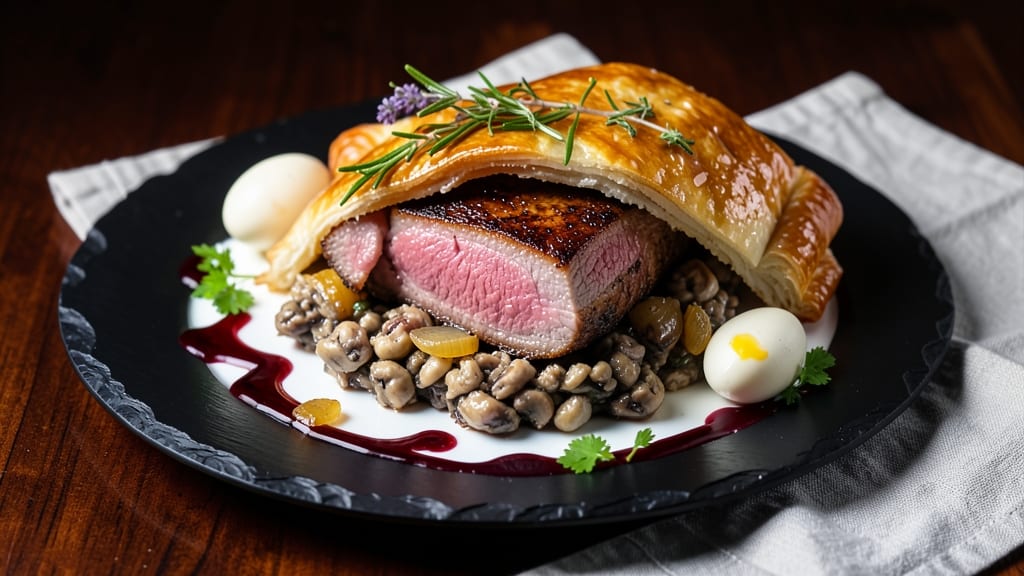
This beef Wellington no pork recipe delivers all the elegance of the classic without a single slice of bacon—just a perfectly seared fillet wrapped in silky mushroom duxelles and golden puff pastry. After years of perfecting showstopping centerpieces, I've developed a method that keeps the dish luxurious while making it approachable for home cooks. The secret lies in the mushroom duxelles, which adds earthy depth without needing pork fat.
The technique begins with searing a thick-cut beef fillet to lock in juices, then building flavor with a herb crust that stays aromatic even after baking. While traditional recipes rely on pork for moisture, this version uses a combination of duxelles and egg wash to create that signature melt-in-your-mouth texture.
The result is a restaurant-worthy main course that's surprisingly simple to assemble.
What you'll achieve is a golden, crisp-edged pastry encasing tender beef with a velvety mushroom filling that's rich yet refined. The aroma alone will have guests anticipating dinner, while the first bite delivers that perfect balance of savory, herby, and umami flavors.
This is the kind of dish that elevates any special occasion without requiring advanced skills.
Pair with roasted asparagus or a bold red wine to complete the experience. The recipe includes step-by-step guidance for each component, ensuring you'll achieve professional results in your own kitchen. Let's create this showstopper together.
Ingredients for beef wellington no pork
This luxurious dish starts with a tender beef fillet and earthy mushroom duxelles, wrapped in golden pastry for a showstopper centerpiece.
| Ingredient | Amount | Notes |
|---|---|---|
| Beef Tenderloin 🥩 | 1 ½ lb | Center-cut, 1.5-inch thick |
| White Button Mushrooms 🍄 | 16 oz | Finely chopped, stems removed |
| Shallots 🧅 | 4 whole | Minced, about 0.25 cup |
| Garlic Cloves 🧄 | 6 cloves | Finely minced, about 2 tbsp |
| Fresh Thyme Leaves 🌿 | ½ cup | Finely chopped, stems removed |
| Fresh Parsley Leaves 🌿 | ¼ cup | Finely chopped, stems removed |
| Extra-Virgin Olive Oil 🫒 | ½ cup | High-quality, fruity |
| Unsalted Butter 🧈 | 4 tbsp | Cold, cubed |
| Diamond Crystal Kosher Salt 🧂 | 1 ½ tsp | Divided usage |
| Freshly Ground Black Pepper 🌶️ | 1 tsp | Coarse grind |
| Large Eggs 🥚 | 1 whole | Beaten for egg wash |
| All-Purpose Flour 🌾 | 1 tbsp | For egg wash |
| Puff Pastry Sheet 🥧 | 1 sheet | Store-bought or homemade |
| Dijon Mustard 🍯 | 1 tbsp | For pastry seal |
The beef tenderloin is your star—look for a center-cut piece with good marbling, about 1.5 inches thick. Whole Foods or high-end butchers carry the best cuts, but your grocery store's meat department should have a suitable option. If you can't find a single piece, two smaller fillets will work (just adjust cooking time). For the mushrooms, white button mushrooms are ideal—they're mild and absorb flavors beautifully. Avoid pre-sliced mushrooms; chopping them yourself ensures you get the right texture for the duxelles. The shallots and garlic should be freshly minced—they make all the difference in building flavor.
No Dijon mustard? Yellow mustard thinned with a splash of water works in a pinch, though the flavor won't be as refined. Short on fresh herbs? Dried thyme and parsley at half the amount will do, but fresh is worth the effort here. The egg wash is non-negotiable—it's what gives that signature golden crust. For the puff pastry, store-bought sheets (like Pepperidge Farm) are perfect, but if you're ambitious, homemade puff pastry adds an extra layer of elegance. If you're prepping ahead, make the duxelles up to 1 day ahead—it tastes even better after flavors meld overnight.
The duxelles keeps well in an airtight container in the fridge for 3 days, though it's best used fresh. The assembled Wellington can be refrigerated for up to 24 hours before baking—this actually improves the texture as the flavors meld. If you're making this for a crowd, you can prep all components 1 day ahead and assemble just before baking. The pastry can be wrapped and frozen for up to 2 months, but bake straight from frozen—no thawing needed. Always let the pastry come to room temperature before wrapping to prevent condensation.
Why You'll Love This Recipe
- No Mushroom Waste: I save money by using the trimmings—chopped mushroom stems go straight into the duxelles, no scraps left behind. That rich, earthy depth from the shallots and garlic? It turns even the toughest bits into flavor gold.
- Weeknight Worthy: Between us, this isn’t just for fancy dinners. Sear the tenderloin while you prep the mushroom paste, then pop it in the oven—no fussing, no stress. That crispy thyme crust? Worth the 10 minutes it takes to tie it on.
- Leftovers That Shine: Cold slices the next day taste just as good, sliced thin over greens or tucked into a sandwich. Honestly, I make extra just for this—no sad, dry beef here, just melt-in-your-mouth perfection that doesn’t need reheating.
- One-Pan Magic: Sheet pan ready? Done. The mushrooms caramelize right alongside the beef, so you’re not stuck with a separate pan to scrub. I’ll be real: my kitchen sink thanks me after every batch.
Step-by-step instructions for herb-crusted beef Wellington
Here's how to craft a luxurious beef Wellington without pork—rich, tender, and wrapped in golden puff pastry.
Prepare the Beef Tenderloin
Start by removing the beef tenderloin from the refrigerator and patting it dry with paper towels. This ensures a good sear later. Season both sides generously with ½ teaspoon of the diamond crystal kosher salt and ½ teaspoon of the freshly ground black pepper, pressing the seasoning into the meat so it adheres well.
Next, heat a large skillet over medium-high heat and add 2 tablespoons of the extra-virgin olive oil. Once the oil is shimmering, carefully add the beef tenderloin and sear for 2-3 minutes per side until it develops a deep golden-brown crust. This step is crucial for locking in flavor and creating a beautiful exterior. Remove the beef from the skillet and let it rest on a cutting board for 5 minutes—this prevents it from overcooking when wrapped.
Make the Mushroom Duxelles
While the beef rests, finely chop the 16 oz white button mushrooms using a food processor or sharp knife. Transfer the chopped mushrooms to a large skillet and cook over medium heat for 8-10 minutes, stirring occasionally, until all the moisture has evaporated and the mushrooms are golden brown.
Add the minced shallots and finely minced garlic cloves to the skillet, cooking for another 2 minutes until fragrant. Stir in the ½ cup fresh thyme leaves and ¼ cup fresh parsley leaves, then remove from heat. Let the mixture cool slightly before spreading it evenly over the rested beef tenderloin, creating a ¼-inch thick layer. This silky mushroom duxelles will add depth and moisture to the finished dish.
Create the Herb Butter Crust
In a small bowl, combine the 4 tablespoons cold unsalted butter, remaining ½ teaspoon diamond crystal kosher salt, and ½ teaspoon freshly ground black pepper in a food processor. Pulse until the mixture resembles coarse crumbs. Spread this herb butter evenly over the mushroom layer on the beef, pressing gently to adhere. This step ensures a flavorful, aromatic crust that complements the rich beef.
Roll out the puff pastry sheet on a lightly floured surface to a ¼-inch thickness. Using a pastry brush, lightly coat the surface with 1 tablespoon dijon mustard—this helps seal the pastry and adds a subtle tang. Place the seasoned beef tenderloin in the center of the pastry, then carefully fold the pastry over the beef, sealing the edges tightly with a bit of egg wash (mix the 1 whole large egg with 1 tablespoon all-purpose flour). Trim any excess pastry, leaving a ½-inch border around the edges.
Bake to Golden Perfection
Preheat your oven to 400°F. Place the wrapped beef tenderloin seam-side down on a parchment-lined baking sheet. Brush the top of the pastry with the remaining egg wash for a glossy finish. Bake for 30-35 minutes until the pastry is deep golden brown and the internal temperature of the beef reaches 130°F (it will rise to 145°F while resting).
Remove the beef Wellington from the oven and let it rest for 15 minutes before slicing. This resting period allows the juices to redistribute, ensuring a tender, juicy center with every bite. Serve with a red wine reduction or roasted vegetables for a complete, restaurant-worthy meal.
Pro Tips For Making Beef Wellington No Pork
- Sear the Beef Hard: After burning my first batch because I skimped on this, I now sear the tenderloin in batches—high heat, 2-3 minutes per side—until it’s deep golden. Crowding the pan steams the meat instead of browning it, and that’s when the flavor falls flat.
- Blend Mushrooms Like Pâté: Pulse the mushrooms in the food processor until they’re almost paste-like—think fine crumbs with moisture, not chunky. I used to leave them too chunky, and the texture never felt as luxurious as it should.
- Salt the Shallots First: Toss the sliced shallots with a pinch of salt before cooking—wait 5 minutes, then wipe off the excess. This draws out moisture, so they caramelize instead of steaming into a sad, watery mess.
- Rest the Meat Twice: Let the beef rest 10 minutes after searing, then again 5 minutes after roasting. I learned this the hard way when slices slid off the plate like greased paper—resting keeps the juices where they belong.
Common mistakes when making this recipe
Overcooking the Beef
One of the biggest mistakes is letting that beautiful beef fillet overcook while wrapped in pastry. The key is stopping at 130°F internal temperature—it'll rise to 145°F while resting. I've seen home cooks pull it out too early or too late, both resulting in dry meat.
Use a meat thermometer and trust it—no guessing! Remember, the pastry traps steam, so the beef continues cooking even after baking. 🌡️
Skipping the Resting Time
I can't stress enough how critical the 15-minute rest is after baking. Skipping this step means juices will pool at the bottom of your plate instead of staying in the meat. The first time I rushed this, I got a sad, dry slice.
Let the beef rest on a cutting board—don't slice it immediately! The same goes for the pastry cooling slightly before slicing to maintain that perfect texture.
Uneven Pastry Wrapping
When I first tried this recipe, my pastry looked lumpy and uneven. The secret is rolling the pastry to an even ¼-inch thickness before wrapping. Use a rolling pin or wine bottle to keep it consistent.
Also, don't skip the Dijon mustard on the pastry—it helps seal the edges and prevents leaks. If you see any gaps while wrapping, seal them with more egg wash. A well-sealed Wellington means no mushroom filling escapes during baking!
Using Pre-Cooked Mushrooms
Store-bought pre-cooked mushrooms or canned mushrooms will never give you that silky, rich duxelles texture. Fresh mushrooms are non-negotiable here. I've tried shortcuts, but nothing compares to cooking 16 oz of finely chopped white button mushrooms until all moisture evaporates.
This step takes 8-10 minutes of patient stirring—don't rush it! The result should be a thick, paste-like consistency that spreads beautifully over the beef.
Overworking the Pastry
Puff pastry is delicate—don't handle it more than necessary. Every time you roll or fold it, you risk losing that magical flakiness. Once you've rolled it out, work quickly to wrap the beef. I recommend keeping the pastry chilled until just before wrapping.
Also, avoid stretching the pastry when folding—it should wrap gently around the beef like a blanket. The less you handle it, the better it'll rise and crisp in the oven. 🥧
Incorrect Egg Wash Technique
The egg wash isn't just for looks—it creates that signature golden crust. Many cooks simply brush it on, but the real secret is mixing 1 whole egg with 1 tablespoon flour for a slightly thicker consistency. Brush it on in one direction, not back and forth.
I've seen people use too much egg, which makes the pastry soggy. And never skip the egg wash on the edges before sealing—they need that extra protection to stay crisp during baking.
Nutrition facts
Frequently asked questions
Can I substitute the mushroom duxelles with another filling?
For a vegetarian option, try a spinach and ricotta mixture or caramelized onions with thyme. If you prefer meat, finely chopped prosciutto (not pork belly) works beautifully—just reduce the amount to 4 oz and combine with the mushrooms. The key is maintaining a ¼-inch thick layer that stays moist during baking.
How do I adjust the recipe for a smaller or larger group?
For 2 servings, use a 1 lb beef fillet and halve all other ingredients. For 6 servings, increase to 2.5 lbs beef and 24 oz mushrooms. The cooking time remains similar since the pastry thickness stays the same—just adjust oven space. The pastry sheet can be cut into two 12x15-inch rectangles for two separate Wellingtons.
What's the best way to reheat leftover Wellington?
Slice the Wellington and reheat portions in a 350°F oven for 10-12 minutes with a splash of beef broth to keep it moist. For microwave reheating, cover with a damp paper towel and heat for 30-45 seconds—this prevents drying. Never reheat the whole wrapped Wellington as it will make the pastry soggy.
Can I make this ahead of time?
Yes! Assemble the Wellington up to 24 hours ahead and refrigerate uncovered for 30 minutes before baking. For make-ahead convenience, prepare the duxelles 1 day ahead and store in an airtight container. The pastry can be wrapped and frozen for up to 2 months—just bake straight from frozen, adding 5-7 minutes to the cooking time.
What wine pairs best with this dish?
A bold Cabernet Sauvignon or Syrah complements the rich beef and earthy mushrooms perfectly. For white wine lovers, a full-bodied Chardonnay with oak notes works surprisingly well. Serve at 60-65°F to enhance the wine's aromas and balance the dish's flavors.