
Main Courses
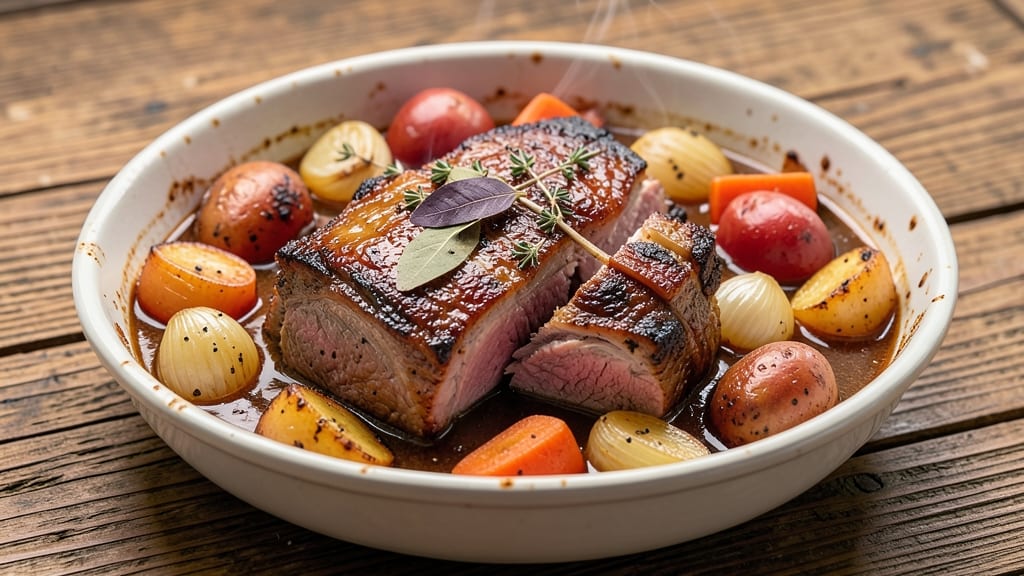
This beef and pork caldereta recipe brings the soulful comfort of Filipino home cooking to your table with its deep, smoky flavors and tender meats. 🔥 The secret lies in slow simmering, where tough cuts transform into melt-in-your-mouth perfection while absorbing layers of garlic, onions, and spices.
I first tasted caldereta in a bustling Manila kitchen where the aroma of simmering meats filled the air—now I'm sharing that same warmth in your home.
The beauty of this dish is its balance—rich but not heavy, smoky yet bright. We start by searing the meats until deeply browned, locking in flavors that will infuse the sauce.
Potatoes and carrots add hearty texture, while bell peppers bring sweet contrast. The key is patience; letting it simmer for hours develops that signature depth that makes caldereta unforgettable.
What you'll end up with is a steaming bowl of tender beef and pork swimming in a velvety sauce, where every spoonful delivers that perfect harmony of smoky, garlicky richness. The potatoes become creamy, the carrots caramelize, and the peppers add just enough freshness to cut through the richness.
This is comfort food at its finest—warm, satisfying, and full of love.
Serve with steamed rice to soak up every last drop of that delicious sauce. The leftovers? Even better the next day as the flavors meld even more. Let's bring this Filipino classic to your table with professional techniques and home-cooked warmth.
Ingredients for beef and pork caldereta
Six hearty ingredients transform into this Filipino classic's tender, smoky masterpiece.
| Ingredient | Amount | Notes |
|---|---|---|
| Chuck Roast 🥩 | 1 ½ lb | Tough cut for deep flavor |
| Pork Shoulder 🐖 | 1 ½ lb | Cut into 1-inch cubes |
| Yellow Onions 🧅 | 2 whole | Sliced into half-moons |
| Garlic Cloves 🧄 | 8 cloves | Minced for aromatic base |
| Russet Potatoes 🥔 | 2 lb | Cut into 2-inch chunks |
| Carrots 🥕 | 4 whole | Whole, peeled, cut in half |
| Green Bell Peppers 🌶️ | 2 whole | Sliced into strips |
| Tomato Paste 🍅 | ½ cup | Smooth, not chunky |
| Calamansi Juice 🍋 | ¼ cup | Or substitute lime juice |
| Soy Sauce 🥢 | ¼ cup | Light or regular |
| Black Peppercorns 🌶️ | 1 tsp | Coarsely cracked |
| Bay Leaves 🌿 | 2 whole | Dried, removed before serving |
| Olive Oil 🫒 | ¼ cup | For searing meats |
| Salt 🧂 | 1 ½ tsp | Kosher or sea salt |
The meats are the soul of caldereta—chuck roast for beefy richness and pork shoulder for tender bite. Look for well-marbled cuts at Costco or your local butcher—the fat renders beautifully during slow cooking. If you can't find chuck, brisket works too. For the aromatics, fresh garlic and onions are non-negotiable (frozen won't cut it here). I always grab extra garlic—half gets minced for the sauce, half gets charred in the pot for that smoky depth. The potatoes? Russets hold up best—they'll soak up all that delicious sauce while staying creamy.
No calamansi? Lime juice works perfectly—just double the amount. Soy sauce can be swapped for coconut aminos if you're avoiding sodium. The tomato paste is crucial for that rich base, but if you're out, crushed tomatoes at half the amount will do in a pinch. Bell peppers can be any color—red, green, or yellow—but stay away from the pre-sliced kind (they're usually waxed and flavorless). For the spices, Penzeys brand is my go-to for bay leaves, but the dried ones from your grocery store's spice aisle work fine too. The key is toasting them lightly before adding to the pot—30 seconds in a dry pan makes all the difference.
This dish tastes even better the next day—3-4 days in the fridge is ideal. For leftovers, I portion into containers with a scoop of rice—freezes beautifully for 3 months. The sauce thickens as it cools, so add a splash of water or broth when reheating. If you're making this ahead, sear the meats and store them separately until you're ready to simmer—this keeps everything fresher longer. And trust me on the extra salt—add it gradually while tasting as you go.
Why You'll Love This Recipe
- One-Pot Magic: Honestly, the slow simmer turns tough cuts into melt-in-your-mouth goodness with almost no effort. Just toss everything in—no fancy layers, no stress—just rich, saucy perfection by dinner.
- Garlic Bomb Flavor: That deep, caramelized garlic and onions? It’s the secret weapon here. The pork shoulder and chuck roast soak up every bit of that savory punch, while the potatoes absorb the broth like a sponge.
- Leftovers That Beg for More: Between us, this dish tastes even better the next day. The flavors meld into something heartier, and reheating it is just dumping into a pan with a splash of water. My freezer’s always stocked with portions—because nobody resists it.
- Budget-Friendly Feast: You’re feeding a crowd for less than takeout. Chuck roast and pork shoulder stretch across meals, and the potatoes bulk it up without breaking the bank. Plus, the onions and garlic are the cheap heroes making everything taste luxurious.
Step-by-step instructions for beef and pork caldereta
Let's build this rich, slow-cooked masterpiece together—layer by layer.
🔥 Step 1: Sear the Meats for Deep Flavor
Heat a large Dutch oven over medium-high heat until hot. Add 0.25 cup olive oil and let it shimmer for 30 seconds. Working in batches, add the 1.5 lb chuck roast and 1.5 lb pork shoulder (cut into 1-inch cubes as listed). Sear until deep golden brown on all sides, about 8-10 minutes total—this builds the flavor foundation.
Here's the thing—I press down gently on the meat pieces during the first minute to prevent curling. This ensures even contact with the pan, creating that gorgeous crust we need. Once seared, transfer the meat to a plate and set aside. Don't drain the oil; those browned bits are pure flavor gold.
🍳 Step 2: Build the Aromatic Base
In the same Dutch oven, add the 2 whole yellow onions (sliced into half-moons) and cook for 5 minutes until softened and lightly caramelized. Add the 8 cloves garlic cloves (minced) and 1 tsp black peppercorns (coarsely cracked), stirring for 30 seconds until fragrant—this should take you less than a minute before the garlic starts to brown.
Now add 0.5 cup tomato paste and stir vigorously to scrape up all those delicious browned bits from the bottom. Cook for 2 minutes until the tomato paste darkens slightly. This step develops the rich, smoky depth that defines caldereta. If it sticks, add 2 tablespoons water to help it release.
🥘 Step 3: Combine All Ingredients for Simmering
Return the seared meats to the pot. Add 2 lb russet potatoes (cut into 2-inch chunks), 4 whole carrots (peeled and halved), 2 whole green bell peppers (sliced into strips), 0.25 cup calamansi juice, 0.25 cup soy sauce, 1.5 tsp salt, and 2 whole bay leaves. Stir gently to combine everything.
Pour in just enough water to come about halfway up the ingredients—about 3 cups. Bring to a gentle boil, then reduce heat to low. The mixture should bubble softly, not vigorously. This is where patience pays off. Cover and let it simmer for 1 hour 30 minutes, stirring occasionally to prevent sticking.
⏰ Step 4: Finish with Perfect Texture
After 1 hour 30 minutes, check the tenderness of the meats by inserting a fork into the thickest piece. If it slides in easily and the meat is fork-tender, it's done. If not, continue simmering for another 15-30 minutes. The potatoes should be tender but not falling apart, and the carrots should be soft enough to pierce easily with a fork.
Remove the bay leaves before serving—you don't want those tough stems in your bite. Taste the sauce and adjust seasoning if needed. The caldereta should be rich, slightly tangy from the calamansi, and perfectly balanced with savory soy sauce notes. Serve immediately with steamed rice to soak up every delicious drop of that velvety sauce.
Pro Tips For Making Beef And Pork Caldereta
- Brown the Meat First: Don’t skip the crust—sear the chuck roast and pork shoulder in batches over medium-high heat until deep golden. I learned this the hard way: skipping this step leaves your stew tasting like it barely left the fridge. Use about 2 tablespoons of oil per side, and don’t crowd the pan—give it space to crisp.
- Slice Onions Thinly: Cut those yellow onions paper-thin—no bigger than ⅛-inch slices. Thicker pieces turn mushy and watery, while thin slices caramelize faster and melt into the sauce. My grandmother swore by this, and she was right: it’s the thing that matters most for texture.
- Add Potatoes Late: Hold off on tossing in the russet potatoes until the last 20-25 minutes of cooking. If you add them too soon, they’ll turn to mush instead of staying tender and fluffy. The high heat at the end guarantees they’ll soak up the flavor without falling apart.
- Deglaze with Beer: After browning the meat, splash in about ½ cup of beer (or broth) right away—don’t let those fond bits stick. Scrape the bottom of the pot aggressively with a wooden spoon; this pulls all the caramelized flavor into the sauce. (Yes, even if you’re impatient like me, this makes a real difference.)
Regional styles of these flavors
Filipino Home Style
In Manila kitchens, caldereta is often made with a mix of beef and pork, but the real magic happens in how it's cooked. I remember my first taste of this dish at my grandmother's house—she'd slow-cook it for hours until the meat fell apart tenderly.
The key is using a heavy pot like a Dutch oven, which distributes heat evenly and helps develop that rich, smoky flavor. She'd always add a splash of vinegar at the end for brightness, but I've found that calamansi juice gives it that authentic tang without overpowering the dish. 🌶️
Spanish Colonial Influence
The name "caldereta" comes from Spanish colonial times, when the Spanish brought their slow-cooked stews to the Philippines. This version often includes tomatoes and potatoes, reflecting that Spanish influence. In some regions, you'll find caldereta made with a touch of vinegar or even a splash of sherry, which adds complexity.
I like to toast the tomato paste lightly before adding it to the pot—this deepens its flavor and gives the sauce that professional touch. The Spanish also introduced the use of bay leaves, which we still use today for that subtle aromatic depth.
Visayan Regional Twist
In the Visayan region, caldereta often includes a bit of coconut milk for creaminess, though it's not traditional in the Manila-style version. This regional adaptation makes the dish even richer and more velvety.
If you want to try this twist, add ½ cup coconut milk during the last 30 minutes of simmering. The Visayans also sometimes add a bit of sugar to balance the acidity, which can be a nice touch if your calamansi juice is particularly tart.
Just remember, the sauce should still be savory, not sweet.
Modern Adaptations
Today, you'll find caldereta in all sorts of creative versions—some chefs add mushrooms for umami depth, while others incorporate bell peppers of different colors for visual appeal.
I like to keep it classic but add a modern touch by finishing with a sprinkle of fresh cilantro or Thai basil right before serving. This not only adds freshness but also brightens up the dish with a pop of color.
Another modern adaptation is using a pressure cooker to cut down on cooking time, though purists will argue that nothing beats the slow-simmered version. 💫
Pork-Only Versions
While this recipe features both beef and pork, some traditional versions are pork-only, especially in rural areas where beef might be less accessible. Pork shoulder is the star here, and when cooked low and slow, it becomes incredibly tender.
If you're making a pork-only caldereta, you can reduce the cooking time slightly since pork tends to cook faster than beef. Just keep an eye on it and add a bit more liquid if needed to prevent sticking.
The result is a dish that's just as rich and flavorful, with a slightly lighter texture.
Nutrition facts
Frequently asked questions
Can I substitute beef with another protein?
For a beef-free version, try chicken thighs (bone-in works best) or duck legs for richer flavor. If you prefer seafood, shrimp or mussels work beautifully—simmer them for just 5-8 minutes at the end to avoid overcooking. The key is using tougher cuts that benefit from slow cooking.
How do I make this dish spicier?
Add 1-2 tablespoons of chopped siling labuyo (Filipino chili) when you add the vegetables, or stir in 1 teaspoon of cayenne pepper with the tomato paste. For heat control, toast the chili peppers first to mellow their flavor slightly. Always start with less—you can add more later!
Can I make caldereta in a slow cooker?
Yes! Brown the meats first in a skillet, then transfer everything to your slow cooker. Use the low setting for 6-7 hours or high for 4-5 hours. The slow cooker's gentle heat works perfectly for tenderizing the meats. Just add ½ cup water more than the recipe calls for to prevent drying out.
What's the best way to reheat leftovers?
Gently reheat on the stove over low heat with 2 tablespoons of water or broth to prevent drying. If using the microwave, cover with a damp paper towel and heat in 30-second intervals, stirring between each. The sauce will thicken as it cools, so add a splash of water if needed.
Why did my sauce turn too acidic?
This usually happens when too much calamansi or soy sauce is used. Balance it by adding 1 teaspoon of sugar or ½ cup coconut milk to mellow the acidity. For future batches, start with ¼ cup calamansi juice and adjust to taste after simmering. The sauce should be tangy but not sour.