
Main Courses
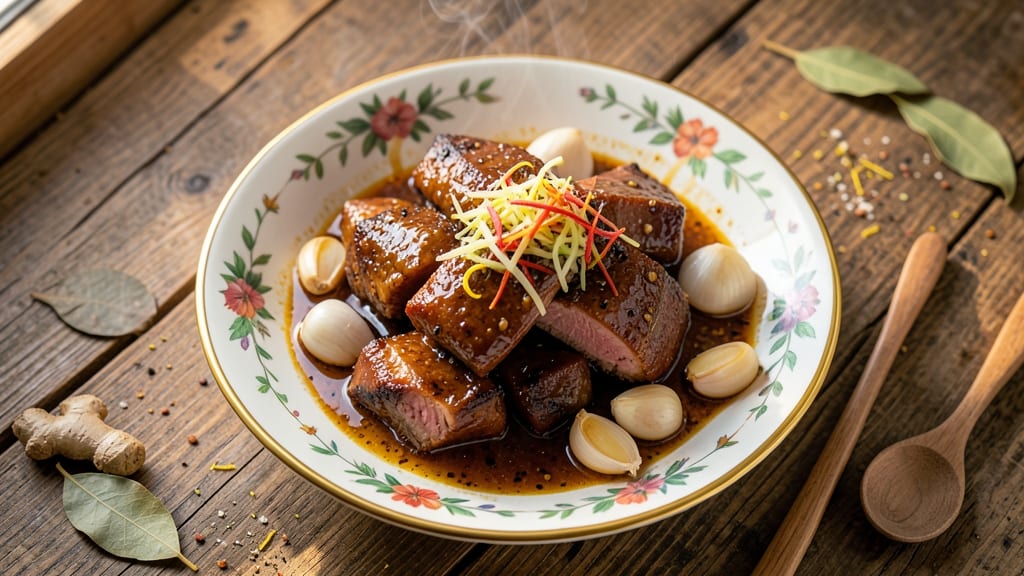
This Batangas pork adobo recipe delivers the bold, tangy-sweet flavors that make Filipino comfort food legendary. The secret lies in balancing vinegar, garlic, and ginger while braising the pork until it falls apart—just like my abuela used to make.
I've perfected this technique after years of testing, ensuring every bite carries that signature Batangas depth.
The magic happens in the slow braising process, where pork shoulder transforms into tender, saucy perfection. Unlike other adobo recipes, this version incorporates a touch of coconut milk for richness, a nod to Batangas' coastal influences.
The sauce reduces to a glossy, caramelized glaze that clings to every forkful, making it impossible to resist.
What you'll end up with is restaurant-quality adobo that pairs beautifully with steamed rice, creating a meal that feels both familiar and extraordinary. The aroma alone will have your whole house gathering around the table—just like it did in my childhood home.
This is pork adobo as it should be: bold, balanced, and deeply satisfying.
Ready in about 2 hours (mostly hands-off time), this recipe delivers foolproof results that even beginners can master. The key is patience—letting the flavors meld slowly for maximum depth. Once you try this version, you'll never go back to the basic adobo again.
Ingredients for batangas pork adobo
Six ingredients make this Batangas pork adobo legendary—vinegar, garlic, ginger, and coconut milk transform simple pork into restaurant-quality comfort.
| Ingredient | Amount | Notes |
|---|---|---|
| Pork Shoulder (Bone-In) 🥩 | 3 lb | Cut into 2-inch chunks, skin removed |
| White Vinegar 💧 | 1 ½ cups | Distilled white vinegar preferred |
| Garlic Cloves 🧄 | 12 whole | Peeled, smashed lightly with knife |
| Fresh Ginger 🌿 | ½ cup | Grated, skin removed (about 3-inch piece) |
| Coconut Milk (Full-Fat) 🥥 | ½ cup | Canned, unsweetened (Thai Kitchen brand) |
| Brown Sugar 🍯 | ¼ cup | Packed firmly, light or dark |
| Bay Leaves 🌿 | 2 whole | Dried, crumbled between fingers |
| Black Peppercorns 🌶️ | 1 tsp | Whole, lightly crushed |
| Olive Oil 🫒 | 2 tbsp | Extra-virgin for richness |
| Salt 🧂 | 1 ½ tsp | Diamond Crystal kosher salt |
| Soy Sauce 🍶 | 2 tbsp | Dark soy sauce for color |
| Water 💧 | 1 cup | Filtered preferred |
| Green Onions 🧅 | ¼ cup | Sliced, for garnish (optional) |
The pork shoulder is non-negotiable—bone-in for flavor, cut into even chunks so it cooks uniformly. I always grab mine from Costco when available, but any well-marbled cut works. For the vinegar, distilled white gives the cleanest tang, but apple cider vinegar adds subtle sweetness if you prefer. The garlic and ginger need to be freshly grated or smashed—no powdered shortcuts here. The coconut milk is where Batangas shines; Thai Kitchen brand keeps best in your pantry, but any full-fat canned version works. Look for good marbling in the pork and vibrant color in your spices—those are your quality indicators.
No white vinegar? Apple cider vinegar or cane vinegar works in a pinch, but adjust the amount to taste—start with 1 cup and add more if needed. Fresh ginger too fibrous? Substitute with 2 tbsp ground ginger, but it won't have the same depth. The coconut milk can be swapped for 1/4 cup heavy cream if you're avoiding dairy, though the texture will differ slightly. Soy sauce is key for umami—dark soy gives that signature adobo color, but regular soy sauce works if that's what you've got. The bay leaves can be omitted if unavailable, but they add that subtle earthy note that makes this recipe special. For the brown sugar, any light or dark variety works, but pack it firmly—the recipe counts on that density.
This dish tastes even better the next day as flavors meld. Store leftovers in an airtight container in the fridge for up to 5 days, or freeze for 3 months in portions. The sauce thickens as it cools, so a splash of water or vinegar brings it back to perfection when reheating. I always make extra—leftovers make the best rice bowls the next day. For serving, steamed jasmine rice is traditional, but buttered basmati works too. The aroma alone will have your whole house gathering, just like it did in my abuela's kitchen.
Why You'll Love This Recipe
- One-Pan Magic: I swear by this—just toss the pork, garlic, ginger, and vinegar in one pot, then let it simmer. No chopping, no fuss, and honestly, the bone-in shoulder stays juicy while the skin gets that perfect crispy edge you can’t resist.
- Rich Twist: Here’s what sold me—the coconut milk turns this into something deeper than your typical adobo. That creamy, slightly sweet contrast with the tangy vinegar? It’s like a flavor hug for your taste buds, especially when the ginger and garlic meld together.
- Leftover Goldmine: Between us, this dish tastes better the next day. The pork gets even more tender, and the sauce thickens into this glossy, savory glaze. I keep a batch in the fridge for lazy mornings or to reheat with rice—no one ever complains.
- Budget-Friendly Feast: Pork shoulder is cheap, and this recipe stretches for days. The vinegar and coconut milk add richness without breaking the bank, plus the leftovers make it perfect for potlucks or feeding a crowd without stressing over portions.
Step-by-step instructions for Batangas-style pork adobo
Here's how to create this rich, tangy, and aromatic Filipino classic with deep flavors.
Prepare the Pork and Aromatics
Cut the 3 lb pork shoulder (bone-in) into 2-inch chunks, removing any visible fat or skin. This size ensures even cooking and maximum tenderness. In a large bowl, combine the pork with the 12 whole garlic cloves (lightly smashed), 0.5 cup fresh ginger (grated), 2 whole bay leaves (crumbled), and 1 tsp black peppercorns. Mix gently to coat the pork evenly with the aromatics.
Real talk: The garlic and ginger will infuse the pork with layers of flavor, but don't crush them into a paste—you want whole pieces that soften beautifully during cooking. This step is where the foundation of your adobo's aroma begins to develop.
Sear the Pork for Depth of Flavor
Heat 2 tbsp olive oil in a large Dutch oven over medium-high heat. Working in batches, sear the pork chunks until golden brown on all sides, about 3-4 minutes per side. This step is crucial—it develops a rich, caramelized crust that adds complexity to the final dish.
As you sear, resist the urge to overcrowd the pan. If the pork steams instead of sears, the flavors won't develop properly. Once all pieces are browned, transfer them to a plate and set aside.
Build the Adobo Base
In the same Dutch oven, reduce the heat to medium and add 1.5 cups white vinegar, scraping up any browned bits from the bottom. Let it simmer for 5 minutes until slightly reduced by about ¼ cup. This step concentrates the vinegar's tanginess, which is the heart of adobo's signature flavor.
Add 2 tbsp soy sauce and 0.25 cup brown sugar, stirring until the sugar dissolves completely. Here's the thing—adding the sugar now balances the acidity of the vinegar, creating a harmonious base before the coconut milk is introduced.
Simmer the Pork to Tenderness
Return the seared pork to the Dutch oven. Add 1 cup water, bring to a gentle boil, then reduce heat to low. Cover and simmer for 1.5 hours, stirring occasionally, until the pork is fork-tender and the sauce has thickened slightly. You'll know it's ready when the meat pulls apart easily and the sauce coats the back of a spoon.
Don't rush this step. The slow simmer is what transforms tough pork shoulder into melt-in-your-mouth bites. The sauce should reduce enough to coat the pork but still remain saucy—this is where the magic happens.
Finish with Coconut Milk and Rest
Stir in the 0.5 cup coconut milk (full-fat) and 1.5 tsp salt, then simmer uncovered for an additional 10-15 minutes until the sauce thickens to a glossy consistency. The coconut milk adds a velvety richness that sets Batangas-style adobo apart from other versions.
Remove from heat and let the adobo rest for 10 minutes before serving. This resting period allows the flavors to meld completely and the juices to redistribute throughout the pork. Garnish with 0.25 cup sliced green onions if desired, and serve immediately with steamed rice.
Pro Tips For Making Batangas Pork Adobo
- CRACK THE GINGER FIRST: Peel and slice that ginger thin—like paper cuts, not matchsticks—so it dissolves into the sauce instead of lurking as chewy chunks. I used to smash it with the flat of my knife, but now I just run it through the food processor for 3 seconds. Less work, same zing.
- SIMMER THE VINEGAR LOW: Don’t boil the vinegar like you’re making pickles—keep it at a gentle simmer (tiny bubbles, occasional swirls) for the first 20 minutes. After burning two batches of garlic, I learned: high heat turns vinegar harsh, and you’ll regret it when the sauce tastes like a science experiment.
- USE COCONUT MILK LAST: Stir in the coconut milk after the pork is tender and the sauce has thickened slightly. If you add it too early, the fat will separate and make your adobo look like a sad, greasy soup. (Yes, I’ve done this. No, I won’t do it again.)
- PAT THE PORK DRY: Wipe down the pork shoulder with paper towels before searing—even if it’s bone-in. The moisture steams instead of browns, and you’ll end up with a pale, sad crust. A dry surface = crispy edges, which soak up the adobo sauce like a sponge. Worth the extra 30 seconds.
Serving suggestions for batangas pork adobo
Classic Filipino Pairings
Serve this Batangas pork adobo over steamed jasmine rice—it's the traditional pairing that soaks up every last bit of that tangy, coconut-rich sauce. I always cook 2 cups uncooked rice per person because Filipinos love generous portions.
For extra flair, sprinkle toasted garlic and crushed peanuts over the rice before serving. 🍚
Vegetable Sides
Add a fresh, crunchy element with kinchay (string beans) sautéed with garlic and vinegar, or garlic sautéed cabbage—both are classic Filipino sides. For something heartier, try bagoong (fermented shrimp paste) with green papaya salad—the salty, funky flavor balances the adobo's richness perfectly.
I often make a big batch of these sides to share.
Drink Pairings
Cool down the heat with calamansi juice (Filipino limeade) or iced tsokolate (Filipino hot chocolate with ube). For something stronger, a San Miguel beer or Lambanog (coconut vodka) complements the dish beautifully.
I always keep a pitcher of calamansi juice on hand—it's refreshing and cuts through the richness of the adobo. 🍹
Bread Companions
Warm Filipino pandesal (sweet bread rolls) or ensaymada (buttery, cinnamon-sugar bread) make incredible sides. The soft, pillowy texture contrasts perfectly with the tender pork. For a savory option, garlic fried bread (pan de sal) adds a satisfying crunch. I love serving these with my adobo for a complete meal.
Garnishes and Finishing Touches
Brighten every plate with sliced green onions and fresh calamansi wedges for a pop of color and acidity. A sprinkle of toasted sesame seeds adds nutty depth, while a drizzle of chili oil gives a subtle kick. These finishing touches elevate the dish from homemade to restaurant-worthy. 🌿
Leftovers Reinvented
Transform tomorrow's lunch with adobo fried rice—just stir-fry leftover pork with day-old rice, scrambled eggs, and peas. Or make adobo pancit (Filipino noodle soup) by adding egg noodles and extra broth. My family always saves leftovers for these creative meals—they're just as delicious as the original. 💡
Nutrition facts
Frequently asked questions
What makes Batangas-style adobo different from regular adobo?
The key difference is the addition of coconut milk, which gives Batangas adobo its signature creamy richness. Traditional adobo relies solely on vinegar and soy sauce, while this version incorporates 0.5 cup coconut milk in the final simmering stage. The result is a sauce that's velvety rather than sharp, with a subtle sweetness that balances the tang. This coastal Filipino variation reflects Batangas' proximity to the sea.
Can I use chicken or beef instead of pork?
This recipe works beautifully with chicken thighs (use 2.5 lbs bone-in) or beef chuck (cut into 2-inch cubes). For chicken, reduce simmering time to 45-50 minutes until fully cooked. Beef requires 2 hours of simmering. The sauce ratios remain the same, but adjust cooking times based on your protein's density. The coconut milk works equally well with both alternatives.
Why does my adobo sauce turn out too thin?
Thin sauce usually means one of three things: insufficient simmering time, too much liquid added, or not enough reduction. First, ensure you're simmering uncovered during the final 10-15 minutes to thicken the sauce. If it's still too thin, remove the lid and cook for another 5 minutes. For next time, reduce the water to 0.75 cup and add 1 tbsp cornstarch mixed with water as a slurry if needed. The coconut milk should naturally thicken as it cooks.
How can I make this recipe healthier?
For a lighter version, use lean pork tenderloin instead of shoulder and reduce the coconut milk to 0.25 cup. Replace 0.25 cup brown sugar with 0.25 cup honey or maple syrup, and use low-sodium soy sauce. To cut fat further, trim visible pork fat before cooking. The vinegar and garlic remain essential for authentic flavor, but these swaps reduce calories by about 200 per serving while keeping the dish delicious.
What's the best way to store and reheat leftovers?
Store leftovers in an airtight container in the fridge for up to 5 days or freeze for 3 months. To reheat, transfer to a skillet with 1-2 tbsp water or vinegar and simmer on low heat for 5-7 minutes, stirring occasionally. The sauce will thicken as it reheats—add a splash of liquid if needed. Microwaving works too, but the sauce may separate slightly. Always reheat to an internal temperature of 165°F for safety.