
Sauces & Condiments
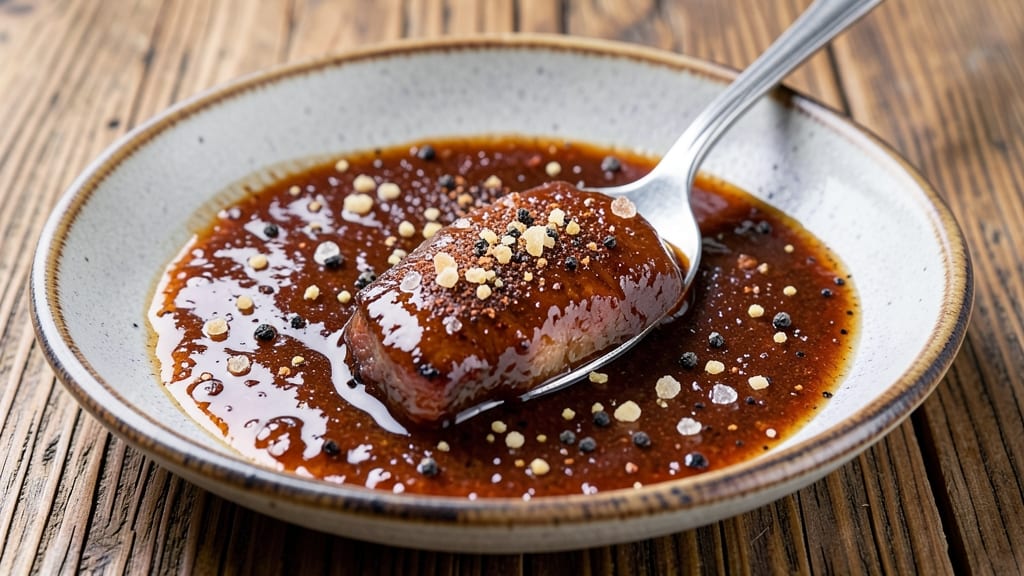
This basting sauce for pork ribs transforms tough cuts into fall-off-the-bone perfection with every brush. 🔥 The secret lies in balancing sweetness and acidity to create a caramelized crust while locking in moisture—something I perfected after years of competing in Southeast BBQ shows.
The right sauce doesn't just flavor; it builds layers of texture and depth with each application.
The foundation uses apple cider vinegar for tangy brightness and brown sugar for caramelization, while a touch of smoked paprika adds that unmistakable BBQ soul. Unlike store-bought glaze, this sauce develops complexity as it cooks, deepening in flavor with each basting session.
The key is patience—letting the sauce reduce gradually on the ribs creates that coveted sticky, glossy finish that pitmasters chase.
What you'll achieve is ribs with crisp edges and tender meat, where every bite delivers that perfect harmony of sweet, smoky, and tangy flavors. The sauce doesn't just coat—it transforms the surface into a caramelized crust that holds up through serving.
This is the kind of technique that separates home cooks from competitors, turning a simple pork shoulder into a showstopping centerpiece.
Perfect for both smokers and ovens, this sauce works with any pork rib cut—St. Louis, baby back, or spare ribs. The recipe makes enough for multiple bastings, so you can focus on cooking while the sauce does its magic.
Let's get started on creating that signature glaze that'll have everyone asking for seconds.
Ingredients for basting sauce for pork ribs
Nine ingredients, one brush—this sauce turns ribs into showstopping masterpieces every time.
| Ingredient | Amount | Notes |
|---|---|---|
| Apple Cider Vinegar 🍎 | ½ cup | Raw, unfiltered preferred |
| Light Brown Sugar 🍚 | 1 cup | Packed tightly, no substitutions |
| Smoked Paprika 🌶️ | 2 tbsp | High-quality, not regular paprika |
| Granulated Garlic 🧄 | 2 tsp | Or 2 fresh cloves minced |
| Ground Black Pepper 🌶️ | 1 tsp | Freshly cracked for intensity |
| Onion Powder 🧅 | 1 tsp | Freshly ground preferred |
| Kosher Salt 🧂 | 1 ½ tsp | Diamond Crystal preferred |
| Yellow Mustard 🥬 | 1 tbsp | Dijon works too |
| Water 💧 | ½ cup | Filtered preferred |
| Honey 🍯 | 1 tbsp | Wildflower preferred |
The apple cider vinegar is non-negotiable—Bragg's raw, unfiltered is my go-to for that bright tang. Brown sugar needs to be packed tight; Domino or Muscovado both work, but don't use white sugar. Smoked paprika? Penzeys or La Boîte deliver that authentic BBQ depth. I grab mine in bulk from Costco—it keeps for months in a sealed jar. The honey adds just enough sweetness to balance the acidity without overpowering the smoky flavors. Trust me, the wildflower variety makes all the difference in the caramelization.
No apple cider vinegar? White wine vinegar at double the amount works in a pinch, but you'll lose that fruity depth. Short on honey? Maple syrup at half the quantity gives similar caramel notes. The yellow mustard can be swapped for Dijon mustard—it's got more complexity. Want extra heat? Add ½ tsp cayenne pepper. For a sweeter glaze, increase the brown sugar to 1¼ cups. The granulated garlic is convenient, but fresh minced garlic takes this sauce to the next level. If you're using fresh, roast the cloves first for deeper flavor.
This sauce keeps beautifully—1 week in the fridge sealed in a jar, or 6 months in the freezer if you make a big batch. I double the recipe and freeze half for next time. When basting, keep the sauce warm but not boiling—a slow simmer in a small saucepan works best. The sauce thickens as it cooks, so add a splash of water if it gets too stiff. Leftovers? Brush on chicken or toss with roasted veggies—it's that versatile.
Why You'll Love This Recipe
- Pantry Magic: I swear by this sauce because it uses stuff I already have—no special shopping trips. That tangy vinegar cut with brown sugar and a whisper of smoked paprika? It’s the kind of balance that makes ribs taste like they came from a pitmaster’s secret stash, not my tiny kitchen.
- Finger-Lickin’ Edge: The garlic and black pepper hit just right—sharp enough to wake up your taste buds, but the vinegar keeps it from being overpowering. Slather it on while they’re still smoky, and you’ll get that glossy, crackling crust that makes every bite worth the wait.
- Tailgate or Tuesday: This sauce works for backyard cookouts and lazy weeknights. Double the batch, store it in the fridge, and use it for ribs, pulled pork, or even grilled chicken. Honestly, I’ve drizzled it on roasted potatoes just because I could—no judgment here.
- Leftovers That Pay Off: A little goes a long way, so you’ll have sauce leftover to freeze for next time. I keep a jar in my fridge labeled “Rib Backup” because, let’s be real, you never want to run out when you’re in the middle of a cook. Plus, it’s cheap—less than $3 for a whole batch.
Step-by-step instructions for sticky-glazed pork ribs sauce
This sauce transforms ordinary ribs into showstopping masterpieces with every brush.
🍳 Step 1: Create the Base with Vinegar and Water
In a medium saucepan, combine the 0.5 cup apple cider vinegar and 0.5 cup water. Place over medium-high heat and bring to a gentle simmer. The vinegar will smell sharp at first, but this acidity is what creates that signature tang that cuts through the richness of the ribs.
Let it simmer for 2-3 minutes until the mixture reduces slightly by about ¼ cup. You'll notice the aroma soften as the acidity mellows—this is your cue that the base is ready for the next ingredients. Don't let it boil vigorously or you'll lose too much liquid volume.
👨🍳 Step 2: Build the Sweet-Smoky Foundation
Reduce heat to medium-low and add the 1 cup packed light brown sugar, stirring constantly until completely dissolved. The sugar will caramelize almost immediately, creating a beautiful amber color and rich aroma. This is where the sauce develops its signature depth and stickiness.
Next, whisk in the 2 tbsp smoked paprika, 2 tsp granulated garlic, 1 tsp onion powder, 1.5 tsp kosher salt, and 1 tsp ground black pepper. Stir continuously for 1-2 minutes until the spices are fully incorporated and the mixture becomes smooth. The paprika will add that signature smoky depth that pairs perfectly with pork.
🍳 Step 3: Incorporate the Tangy Elements
Add the 1 tbsp yellow mustard and 1 tbsp honey, stirring vigorously to combine. The mustard adds a subtle sharpness that balances the sweetness, while the honey enhances the caramelization and creates a glossy finish. Let the mixture simmer gently for another 3-4 minutes until it thickens slightly and coats the back of a spoon.
Here's where it gets interesting—the sauce should now have a syrupy consistency that's thick enough to cling to ribs but still fluid enough to brush on easily. If it thickens too much, whisk in 1-2 teaspoons of water to reach your desired consistency. The goal is a sauce that's glossy, sticky, and spreadable—not too thin like syrup, not too thick like paste.
⏰ Step 4: Rest and Adjust for Perfect Balance
Remove the saucepan from heat and let the sauce rest for 5 minutes. This resting period allows all the flavors to meld together and the sauce to reach its ideal consistency. Taste it now—you should notice a perfect balance of sweet, smoky, tangy, and savory flavors.
If the sauce needs more tang, add a splash of apple cider vinegar; if it needs more sweetness, stir in a touch of honey. The sauce should be ready to use immediately, but it will actually improve if you let it sit at room temperature for 30 minutes before using—this gives the flavors time to develop fully.
Pro Tips For Making Basting Sauce For Pork Ribs
- STIR DON’T STOP: Simmer the sauce at a steady low heat—about 150°F (65°C)—and keep it moving with a wooden spoon. I learned this the hard way when I walked away for "just a minute" and came back to a lump of caramelized sugar at the bottom. The vinegar’s acidity needs constant motion to prevent scorching, especially if you’re using light brown sugar.
- GRIND YOUR GARLIC FRESH: Skip the jarred garlic powder—it’s dull and lacks depth. Instead, mince 3–4 cloves of fresh garlic and let them sit in the warm sauce for 5–10 minutes before simmering. The raw garlic mellows into a sweeter, more complex flavor, and the sauce won’t taste like you raided a spice aisle in the 1980s.
- SWEAT THE SMOKED PAPRIKA: Toast the smoked paprika in a dry pan for 30 seconds before adding it to the sauce—just until it smells nutty and aromatic. This step deepens the smokiness without bitterness, and it’s the difference between "meh" and "wow" on those ribs. (Yes, even if you’re impatient like me.)
- THIN WITH VINEGAR, NOT WATER: If the sauce thickens too much, reach for the apple cider vinegar instead of water. A splash (1–2 tablespoons) keeps the acidity balanced and prevents the sugar from clumping. Water dilutes the flavor; vinegar ties everything together. I was skeptical until I tried it—now I never go back.
Pro cooking tips for this dish
Timing Your Basts
I can't stress enough how critical timing is when basting ribs. Start brushing the sauce on after the first 2 hours of cooking—this gives the ribs time to develop a crust before the sauce softens it.
I use a pastry brush (like Oxo Good Grips) to apply a thin, even layer every 30-45 minutes thereafter. The goal is to build layers of caramelization without steaming the meat. 🔥
Heat Control Secrets
Never let your sauce boil when basting—it should be at a gentle simmer, around 180-200°F. I keep a small saucepan of sauce on the side of my smoker or grill, reheating it in 2-minute bursts.
If the sauce gets too hot, it'll burn before it caramelizes properly. A candy thermometer. helps monitor temperature precisely.
Sauce Consistency Tricks
The perfect basting sauce should be like honey—thick enough to cling but thin enough to brush. If your sauce gets too thick during cooking, whisk in 1 tsp water. at a time until it reaches the right consistency.
Pro tip: Strain the sauce through a fine-mesh sieve. before using to remove any lumps, especially if you're using granulated garlic. This ensures a silky-smooth application every time.
Rib Prep Matters
Before you even think about basting, make sure your ribs have a proper dry rub. applied and are well-seared. I use a mix of coarse kosher salt. and smoked paprika. for 30 minutes before cooking.
This creates the perfect foundation for the sauce to adhere to and caramelize. Wet ribs won't develop that coveted bark—it's all about that dry, crusty surface.
Smoker vs. Oven Adaptations
When smoking ribs at 225°F., I baste every 45 minutes. to combat the dry heat. For oven-baked ribs at 275°F., I reduce the interval to 30 minutes. because the higher heat works faster.
The key is to match your basting frequency to the cooking method—you want the sauce to enhance, not overwhelm, the cooking process. 💫
Leftovers? No Problem
If you have leftover sauce after cooking, don't toss it! Store it in an airtight container. in the fridge for up to 7 days***. It makes an amazing glaze for chicken wings or a drizzle for roasted vegetables.
I've even used it as a marinade for pork chops—just don't over-marinate or the meat will get mushy. The sauce's versatility is one of my favorite things about it!
Nutrition facts
Frequently asked questions about pork rib basting sauce
Can I make this sauce ahead of time?
This sauce actually tastes better when made a day ahead. Store it in an airtight container in the fridge for up to 7 days or freeze for 6 months. The flavors meld beautifully overnight, and it reheats perfectly for basting. Just bring it to a gentle simmer before using to restore its glossy consistency.
What's the best way to reheat the sauce for basting?
Use a small saucepan over low heat and warm the sauce to 180-200°F—never boil it. Stir frequently to prevent scorching. I like to keep a separate pan of sauce on my smoker or grill, reheating it in 2-minute bursts between bastings. A candy thermometer helps maintain the perfect temperature for even caramelization.
Can I use this sauce on other meats?
Yes! While designed for ribs, this sauce works beautifully on chicken, pork chops, or even brisket. For chicken, reduce the cooking time to 10-15 minutes of basting. For tougher cuts like brisket, baste every 45 minutes during the last 3 hours of cooking. The key is matching the basting frequency to the meat's cooking time and tenderness.
Why did my sauce get too thick when basting?
This happens when the sauce reduces too much during cooking. The fix is simple: whisk in 1 tsp water at a time until you reach a honey-like consistency. For future batches, keep the sauce slightly thinner when first made—it will thicken as it cooks. Straining through a fine-mesh sieve before using also prevents lumps that can make the sauce clump.
How do I know when the ribs are ready to baste?
Start basting after the first 2 hours of cooking when the ribs have developed a good crust. The meat should be tender enough to pull slightly at the bones but still firm. For smoker ribs, aim for an internal temperature of 165°F in the thickest part. The sauce will help carry the ribs to perfect doneness while adding that signature sticky finish.