
Main Courses
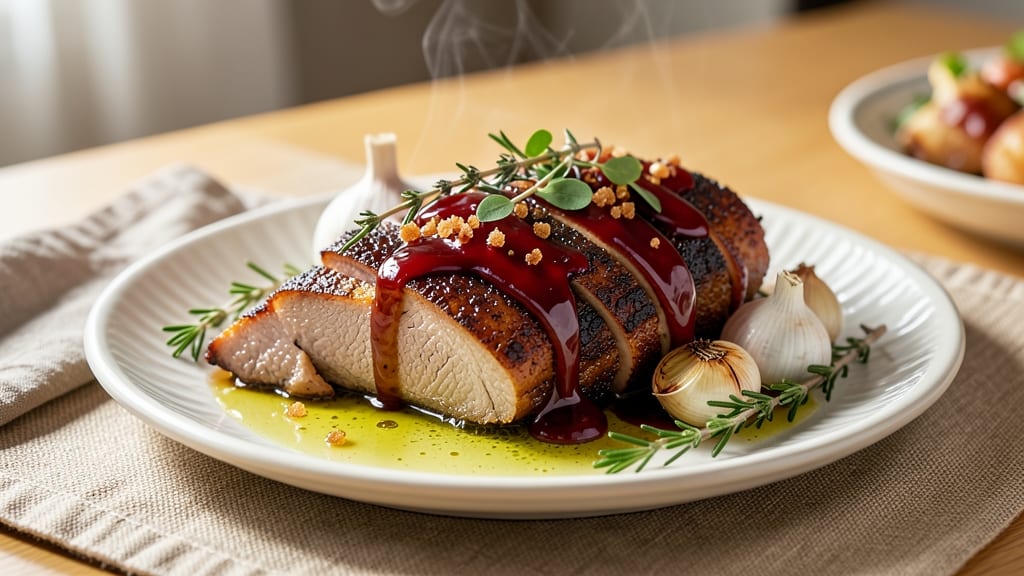
This balsamic slow-cooker pork loin recipe transforms a simple cut into melt-in-your-mouth perfection with minimal effort. The secret lies in a sweet-tangy balsamic bark that forms on the outside while the inside stays impossibly tender—no fancy techniques required. I developed this after years of slow-cooker experiments, and it's now my go-to for weeknight dinners that feel like restaurant-quality.
The beauty of this method is its simplicity: just sear the pork, add your glaze ingredients, and let the slow cooker work its magic. A 6-hour cook time on low delivers juicy meat that practically falls apart, with a caramelized balsamic crust that's both sweet and tangy.
The glaze reduces naturally in the slow cooker, creating a sticky, flavorful bark without any extra effort.
What you'll end up with is pork loin that's juicy throughout, with a perfectly balanced glaze that's neither too sweet nor too acidic. The bark adds texture and depth, while the meat remains fork-tender—ideal for slicing or serving whole.
This recipe proves that slow cooking can be both effortless and impressive, delivering results that'll have everyone asking for seconds.
Serve with roasted vegetables or mashed potatoes to round out the meal, or use the leftovers for sandwiches the next day. The glaze keeps well, so you can make extra for drizzling over other dishes. Let's get started—your slow cooker is about to become your new best friend.
Ingredients for balsamic pork loin recipe slow cooker
Sweet-tangy balsamic glaze meets juicy pork loin in this effortless slow-cooker masterpiece.
| Ingredient | Amount | Notes |
|---|---|---|
| Pork Loin Roast 🥩 | 2 lb | Bone-in, center-cut preferred |
| Balsamic Vinegar 🍷 | ½ cup | High-quality aged variety |
| Brown Sugar 🍯 | ¼ cup | Light or dark preferred |
| Olive Oil 🫒 | 2 tbsp | Extra-virgin for richness |
| Garlic Cloves 🧄 | 4 cloves | Minced for even distribution |
| Dried Thyme 🌿 | 1 tsp | Or 1 tbsp fresh thyme |
| Salt 🧂 | 1 ½ tsp | Diamond Crystal preferred |
| Black Peppercorns 🌶️ | ½ tsp | Freshly cracked preferred |
| Honey 🍯 | 1 tbsp | Wildflower preferred |
| Mustard 🥬 | 1 tbsp | Dijon or whole-grain |
| Apple Cider Vinegar 🍎 | 1 tbsp | For tangy depth |
| Fresh Rosemary 🌿 | 2 sprigs | For aromatic depth |
| Red Wine 🍷 | ¼ cup | Dry Cabernet Sauvignon |
| Beef Broth 🍲 | ½ cup | Low-sodium preferred |
The pork loin is the star here, so pick a bone-in center-cut roast—it stays juicier longer. Most grocery stores carry it pre-trimmed, but if you're buying whole, trim any excess fat to 1/4-inch thickness. I always grab mine from Costco or the butcher counter at Whole Foods, where they can cut it to your exact size. Look for a roast with good marbling—those little white flecks of fat keep it tender. If you can't find bone-in, bone-out works too, but sear it longer to compensate. The glaze ingredients are all about balance: the balsamic provides that signature sweet-tangy flavor, while the honey and brown sugar create the caramelized bark. Trader Joe's has an excellent aged balsamic that's perfect for this.
No balsamic vinegar? Substitute 1/4 cup apple cider vinegar plus 1 tbsp maple syrup—it won't be identical, but it'll work in a pinch. Short on thyme? Dried oregano at half the amount gives a similar earthy note. The red wine adds depth, but if you're avoiding alcohol, extra beef broth works. For the honey, agave nectar is a 1:1 swap, though it won't caramelize the same way. The mustard might seem like an odd addition, but it cuts through the sweetness beautifully—Dijon is my go-to, but whole-grain adds nice texture. If you're making this ahead, prep the glaze ingredients in a jar and store them in the fridge for up to 1 week—just stir before using.
This pork keeps beautifully—3-4 days in the fridge, 3 months frozen. The glaze thickens as it cools, so I always reheat leftovers with a splash of water or broth to loosen it up. For serving, slice against the grain for maximum tenderness. The glaze makes extra, so store it separately in a small jar—it's perfect for drizzling over roasted veggies or even grilled chicken. If you're freezing, portion the pork into individual servings first, then add the glaze when reheating. The bark gets extra crispy when reheated, so it's worth the effort.
Why You'll Love This Recipe
- Hands-Off Magic: I swear by this slow cooker method—just sear the pork, dump in the balsamic, brown sugar, and garlic, then walk away. No babysitting, no oven thermostat drama, just melt-in-your-mouth pork when you get home.
- Sweet-Savory Balance: That balsamic and brown sugar combo? It’s like a hug for your taste buds—tangy, caramelized, and just enough richness to make the pork feel special. Honestly, my picky-eater husband asked for seconds without me nagging.
- Leftovers That Shine: This roast actually tastes better the next day. I’ll slice it thin for sandwiches, dice it into pasta, or toss it in a grain bowl—every time, it’s the star. (Yes, even on a Tuesday night.)
- Budget-Friendly Feast: A whole pork loin feeds my family of four and leaves enough for leftovers—no takeout splurges here. The ingredients? Basic, but the flavor? Anything but. Between us, this is how I stretch my grocery budget without sacrificing taste.
Step-by-step instructions for balsamic slow-cooker pork loin
Here's how to transform a simple pork loin into a showstopping centerpiece with caramelized bark and melt-in-your-mouth tenderness.
Prepare the Pork Loin for Maximum Flavor
Begin by patting the 2 lb pork loin roast completely dry with paper towels—this is absolutely critical for developing that signature crust. I like to work with the meat at room temperature, so take it out of the fridge about 30 minutes before starting. This allows for even cooking and better flavor penetration.
In a small bowl, combine the 0.5 cup balsamic vinegar, 0.25 cup brown sugar, 1 tbsp honey, 1 tbsp mustard, 1 tbsp apple cider vinegar, and 0.25 cup red wine. Whisk vigorously until the sugar dissolves completely. This mixture will become your glaze, so make sure it's smooth—any graininess will prevent proper caramelization later. The acidity from the vinegars will tenderize the meat while the sugar creates that beautiful bark.
Create the Rub and Sear the Pork
In a separate bowl, mix the 1.5 tsp salt, 0.5 tsp freshly cracked black peppercorns, 1 tsp dried thyme, and 2 sprigs finely chopped fresh rosemary. Rub this mixture all over the pork loin, pressing it into the meat so it adheres well. The rosemary sprigs add aromatic depth that infuses into the meat during cooking.
Heat a large oven-safe skillet over medium-high heat and add the 2 tbsp olive oil. Once the oil is shimmering, carefully add the pork loin and sear on all sides for about 3 minutes per side until you achieve a deep golden-brown color. This initial sear locks in juices and builds flavor foundation. Don't rush this step—you want that crust to form before it goes into the slow cooker.
Build the Slow-Cooker Sauce
Place the seared pork loin in your slow cooker and pour the balsamic glaze mixture evenly over the top, letting it pool in the bottom. Add the 0.5 cup beef broth to the slow cooker as well. The broth helps create steam that keeps the meat moist during the long cook time. I like to place the pork loin fat-side up so the rendered fat can baste the meat as it cooks.
Cover the slow cooker and cook on low heat for 6-8 hours. This long, gentle cooking time is what transforms tough pork into fork-tender perfection. The glaze will slowly caramelize, creating that beautiful sweet-tangy bark while the interior remains juicy. I check the internal temperature after 6 hours—it should reach 145°F (160°F for well-done preference). If it's not there yet, continue cooking for another hour.
Finish with a Glazing Touch
Once the pork loin reaches the proper temperature, carefully remove it from the slow cooker and place it on a cutting board. Tent loosely with foil and let it rest for 15 minutes. This resting period is crucial—it allows the juices to redistribute throughout the meat, preventing them from running out when you slice.
While the pork rests, skim any excess fat from the slow cooker sauce (if desired) and return the pork to the slow cooker. Cover and cook on high heat for 15-20 minutes. This final step intensifies the glaze and creates that signature sticky bark. The pork should have a deep caramelized crust with a glossy sheen. For best results, serve immediately with the pan juices spooned over the top.
Pro Tips For Making Balsamic Pork Loin Recipe Slow Cooker
- SEAR THE LOIN FIRST: I learned this the hard way—skipping the quick sear means your pork stays bland no matter how long it slow cooks. Hit 450°F for 3-4 minutes in olive oil until deep golden, then transfer to the slow cooker. The crust locks in flavor and looks like you put in effort.
- USE HALF THE Balsamic: This isn’t the prettiest method, but it’s the tastiest: pour only ¼ cup balsamic into the slow cooker, then save the rest for finishing. Reduce the reserved vinegar with a splash of water (1:1 ratio) on the stovetop until syrupy—brush this glaze over the pork at the end. Trust me, the balance of tang and sweetness changes everything.
- SMASH THE GARLIC: Skip the whole cloves—they’ll just sit there like flavorless pebbles. Mince 4-5 cloves into a paste with a pinch of salt, then mix it into the brown sugar and olive oil before adding to the slow cooker. The surface area dissolves faster, and you won’t spend the last hour fishing for garlic chunks.
- CHECK THE TEMP EARLY: Resist the urge to wait until the last hour—pork loin hits 145°F fast in a slow cooker, and it’ll dry out before you know it. Pull it out at 140°F, tent with foil, and let it rest 10 minutes. The temp will creep up to safe while you plate, and the meat stays juicy. (Yes, even if you’re impatient like me.)
Essential equipment for balsamic pork loin recipe slow cooker
Slow Cooker Essentials
Your trusty slow cooker is the star here, but not all models handle liquids and caramelization equally. I swear by my Hamilton Beach 6-Quart Programmable Slow Cooker—it has a removable stoneware insert that's perfect for this recipe.
The stoneware helps create that signature caramelized bark while keeping the meat juicy. If you're using a ceramic insert, make sure it's 4-6 quarts in size to accommodate the pork and glaze properly. Look for one with a tight-fitting lid to prevent moisture loss during the long cook time. 🌡️
Searing Skillet Must-Haves
The searing step requires a heavy-duty skillet that can handle high heat without warping. My go-to is a Lodge 10.5-inch Cast Iron Skillet—it retains heat beautifully and develops that perfect crust. If cast iron isn't your thing, a stainless steel skillet like All-Clad Stainless works well too.
Just make sure it's large enough to accommodate your pork loin without crowding. A 12-inch skillet is ideal for a 2 lb roast. Preheat your skillet for 3-5 minutes before adding the oil to ensure even searing.
Measuring Tools
Precision matters when balancing the sweet-tangy glaze. I use a OXO Good Grips Measuring Cups set for all my liquids and dry ingredients—they're durable and easy to read. For the honey and mustard, a small squeeze bottle makes measuring 1 tbsp portions effortless.
A digital kitchen scale comes in handy if you're weighing your pork loin, though most grocery stores sell pre-weighed cuts. Don't skip the measuring spoons—they're essential for the thyme, salt, and pepper. I keep mine in a magnetic strip on my fridge for easy access. 🔑
Optional Upgrades
For next-level results, consider a meat thermometer like the ThermoWorks Smoke—it's my secret weapon for perfect doneness. The probe lets you monitor internal temperature without opening the slow cooker, which prevents heat loss.
If you're feeling fancy, a silicon basting brush helps spread the glaze evenly during the final high-heat step. For presentation, a wooden meat mallet can gently flatten thicker sections of pork for even cooking. These aren't essential, but they make the process smoother and the results more impressive. 💪
Budget-Friendly Basics
You don't need to break the bank for great results. A $20 ceramic slow cooker from your local store works perfectly fine—just monitor the cook time closely. For searing, any non-stick skillet in good condition will do, though it won't develop the same crust as cast iron.
My $15 stainless steel measuring spoons from the dollar store have served me well for years. The key is proper technique over expensive equipment. Even my Nonna used basic tools to create restaurant-quality meals—it's all about patience and attention to detail. 💛
Nutrition facts
Frequently asked questions
Can I use bone-in pork loin instead of boneless?
Bone-in pork loin actually works better for this recipe because the bone adds natural moisture and flavor. Just increase your cook time by about 30-60 minutes since bone-in cuts take longer to reach the same internal temperature. The bone also helps stabilize the meat during searing, preventing it from curling up in the skillet.
What if my slow cooker is smaller than 4 quarts?
If your slow cooker is on the small side (like a 3-quart model), you'll need to work in batches or reduce the recipe by half. For best results, use a 2 lb pork loin and cut the glaze ingredients in half. The meat will still cook well, though you might need to add a splash of beef broth to prevent the glaze from sticking too much.
Can I make this ahead of time for a dinner party?
This recipe actually tastes even better when made ahead! Cook the pork loin as directed, then refrigerate it uncovered for 4-6 hours before serving. The glaze will thicken and develop deeper flavor. Reheat on high in the slow cooker for 20-30 minutes with a splash of water or broth to loosen the glaze before serving.
Why did my pork turn out dry?
Overcooking is the most common cause of dry pork loin. Use a meat thermometer to check for 145°F internal temperature—never go by time alone. Also ensure you're not overcrowding the slow cooker, which can lead to uneven cooking. If you're using a smaller slow cooker, consider reducing the recipe size or adding extra broth to create steam.
Can I substitute balsamic vinegar with something else?
For a quick substitute, use 1/4 cup apple cider vinegar plus 1 tbsp maple syrup—it won't be identical but works in a pinch. For a more authentic flavor, aged balsamic glaze (the thick, syrupy kind) works beautifully too. Just reduce the amount by half since it's more concentrated than regular vinegar.