
Main Courses
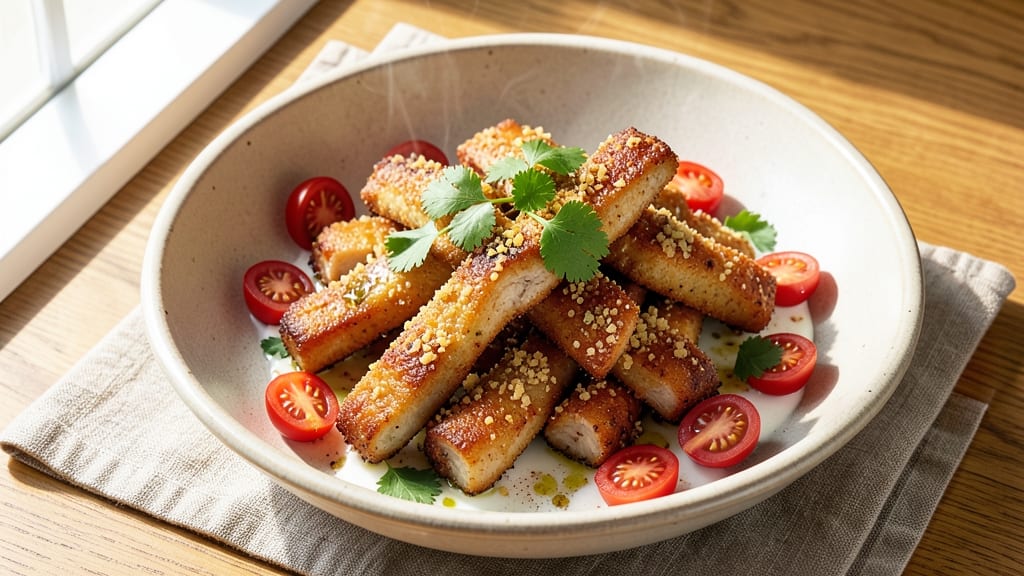
This baked pork fingers recipe delivers the perfect balance of crispy golden edges and juicy centers—no deep-frying required. I developed this method after years of perfecting my pitmaster skills, ensuring every bite stays tender while achieving that satisfying crunch.
The secret lies in a precise marinade and baking technique that transforms simple pork tenderloin into restaurant-quality bites.
What sets this recipe apart is the foolproof process: tender pork fingers get marinated in a blend of spices and buttermilk, then coated in a light panko crust for maximum crispiness.
Baking at 400°F ensures even cooking, while a 10-minute rest guarantees juicy results every time. This technique works for both weeknight dinners and game day spreads, making it incredibly versatile.
The result is a plate of crispy, golden-brown pork fingers with tender meat inside—no greasy aftertaste, just pure, satisfying flavor. The panko crust stays crispy even after resting, and the marinade infuses deep savory notes.
Serve with honey mustard or BBQ sauce for dipping, and pair with roasted sweet potatoes or a fresh green salad for a complete meal.
Whether you're feeding a crowd or treating yourself to a simple snack, this recipe delivers restaurant-quality results at home. The method is simple enough for beginners but refined enough for experienced cooks. Let’s get started—your taste buds will thank you.
Ingredients for baked pork fingers
Pork tenderloin, buttermilk marinade, and crispy panko crust—this trio transforms simple ingredients into restaurant-quality bites.
| Ingredient | Amount | Notes |
|---|---|---|
| Pork Tenderloin 🐖 | 1 ½ lb | Cut into 1-inch fingers, trimmed of fat |
| Buttermilk 🥛 | 1 cup | Full-fat for optimal tenderness |
| Japanese Panko Breadcrumbs 🍞 | 1 ½ cups | Light and crispy variety preferred |
| Large Eggs 🥚 | 2 whole | Room temperature for even coating |
| Diamond Crystal Kosher Salt 🧂 | 1 ½ tsp | For seasoning and marinade |
| Ground Black Pepper 🌶️ | 1 tsp | Freshly cracked for best flavor |
| Garlic Powder 🧄 | 1 tsp | Freshly ground preferred |
| Smoked Paprika 🌶️ | ½ tsp | For subtle smoky depth |
| Onion Powder 🧅 | ½ tsp | Enhances savory profile |
| Cornstarch 🌾 | 2 tbsp | For extra crispiness in coating |
| Olive Oil 🫒 | 2 tbsp | Extra-virgin for marinade richness |
| Unsalted Butter 🧈 | ½ cup | Melted for basting |
| Lemon Juice 🍋 | 1 tbsp | Brightens marinade flavor |
The pork tenderloin is non-negotiable for this recipe—its lean yet tender texture is perfect for baking. Look for USDA Choice or Prime cuts at Whole Foods or your local butcher shop, where they can trim it to uniform 1-inch fingers. The buttermilk marinade is where the magic happens: it tenderizes the meat while adding subtle tang. Full-fat buttermilk delivers the best results, though low-fat works in a pinch. For the panko, Japanese brands like Shinhama are ideal—their light, airy texture creates the perfect crispy crust. If you can't find it, regular breadcrumbs mixed with cornstarch mimic the effect.
No buttermilk? Substitute with equal parts milk and vinegar, letting it sit for 10 minutes to curdle. Short on panko? Toast regular breadcrumbs in a dry pan for 3-4 minutes to crisp them up—it won't be identical, but it'll work. The cornstarch in the coating is crucial for that extra crunch; don't skip it. For extra flavor, add 1/2 teaspoon of garlic powder to the coating mix. The olive oil in the marinade should be extra-virgin—its fruity notes complement the pork beautifully, while cheaper oils can taste flat. If you're serving these as appetizers, double the batch—they disappear fast.
Marinate the pork fingers for at least 4 hours, or overnight for maximum tenderness. Store any uncooked fingers in an airtight container in the fridge for up to 2 days, or freeze them for 3 months by wrapping each finger individually in parchment. Once baked, keep them warm in a 200°F oven for up to 30 minutes if serving a crowd. The coating stays crispy for about 20 minutes at room temperature, so serve them immediately if possible. For meal prep, bake a full batch and freeze the cooked fingers—reheat at 375°F for 10 minutes to restore crispiness.
Why You'll Love This Recipe
- No-Fuss Coating: The Japanese Panko gives that irresistible crunch without the mess of deep-frying—just dip, coat, and bake. Honestly, my hands stay cleaner than when I make homemade breading, and the fingers still taste like they were fried.
- Tender-Crisp Magic: That buttermilk marinade does all the work—keeps the pork juicy inside while the Panko turns golden and shatteringly crisp. I’ll be real: the first bite makes me forget it’s a baked dish.
- Game for Any Meal: Toss them in a lunchbox for work, serve with honey mustard at a picnic, or pile them onto sliders for game day. Between us, they disappear faster than I can say “seconds?”
- Budget-Friendly Protein: Pork tenderloin stretches further than you’d think, and the ingredients cost less than takeout—yet taste way better. I’ve made a full batch for four people and still had leftovers for my kid’s school lunch. Win.
Step-by-step instructions for crispy baked pork fingers
Mastering the balance of crispy exterior and juicy interior requires precision—here's how to nail it every time.
Prepare and Marinate the Pork
Begin by cutting the 1.5 lb pork tenderloin into 1-inch fingers, trimming any visible fat. In a large bowl, whisk together the 1 cup buttermilk, 2 tbsp olive oil, 1 tbsp lemon juice, 1.5 tsp Diamond Crystal kosher salt, 1 tsp ground black pepper, 1 tsp garlic powder, 0.5 tsp smoked paprika, and 0.5 tsp onion powder. The buttermilk will tenderize the meat while the acidity brightens the flavor.
Add the pork fingers to the marinade, turning to coat evenly. Cover and refrigerate for at least 2 hours (or up to 4 hours) to ensure maximum tenderness. This step is critical—don't skip it. The acid in the buttermilk breaks down muscle fibers, guaranteeing juicy results. When ready, drain the pork fingers but reserve the marinade for basting later.
Create the Crispy Breading Station
In a shallow dish, beat the 2 whole large eggs until just combined. In another dish, mix the 1.5 cups Japanese panko breadcrumbs with the 2 tbsp cornstarch. The cornstarch adds an extra layer of crispiness that regular breadcrumbs can't match. Season the panko mixture lightly with an additional pinch of salt and pepper if desired.
Work quickly to maintain the egg's temperature—room-temperature eggs adhere better to the pork. Dip each marinated pork finger into the egg, allowing excess to drip off, then press firmly into the panko mixture, coating all sides evenly. Place the breaded fingers on a wire rack set over a baking sheet to prevent sticking. This step ensures an even, crispy crust without soggy spots.
Bake to Golden Perfection
Preheat your oven to 425°F and line a baking sheet with parchment paper. Arrange the breaded pork fingers in a single layer, leaving 1 inch between each piece for even browning. Bake for 15 minutes, then carefully flip each finger and rotate the baking sheet for even exposure to the heat.
Continue baking for an additional 10-12 minutes until the pork fingers reach an internal temperature of 145°F and the coating is deep golden brown. The edges should be crispy, while the centers remain juicy. If the coating browns too quickly, tent the baking sheet with foil to prevent burning while the meat finishes cooking.
Finish with Melted Butter
Remove the pork fingers from the oven and transfer them to a serving platter. Immediately brush each piece with the melted 0.5 cup unsalted butter, allowing the heat to create a glossy, flavorful finish. The butter adds richness and helps maintain moisture, ensuring each bite delivers both texture and flavor.
Let the pork fingers rest for 5 minutes before serving. This resting period allows the juices to redistribute, preventing them from pooling on the cutting board. Serve immediately with your favorite dipping sauce—whether it's honey mustard, marinara, or a simple aioli—to complement the crispy exterior and tender interior.
Pro Tips For Making Baked Pork Fingers
- Pat the meat dry: After slicing the pork tenderloin into fingers, grab paper towels and press hard—don’t just wipe. Wet spots under the crust mean soggy breading, and no one wants that. I learned this the hard way when my first batch turned out more like breaded pork slop.
- Use room-temperature buttermilk: Cold buttermilk makes the coating cling unevenly and can cause the breading to slide off mid-bake. Pour it into a shallow dish and let it sit for 15 minutes while you prep the rest—your fingers will thank you later.
- Don’t overcrowd the pan: If you’re baking in batches, give the pork fingers space—at least ½ inch between them. I used to cram them in for speed, and the result? Uneven cooking and a sad, pale crust on the bottom layer. Trust me, it’s worth the extra minute to arrange them properly.
- Toast the panko first: Spread the Japanese panko on a baking sheet and toast it at 375°F for 3–4 minutes before using it for breading. This step amplifies the nutty flavor and ensures a crispier crust—no extra effort, just better texture. (Yes, even if you’re impatient like me.)
Troubleshooting great baked pork fingers
Pale, Soggy Coating
If your pork fingers emerge pale and limp instead of golden and crispy, your oven temperature is likely too low. I’ve seen this happen when ovens run 25°F below the set temperature—always use an oven thermometer to verify accuracy. Another culprit?
Overcrowding the baking sheet. Pork fingers need space to crisp—leave 1 inch between each piece and bake in batches if needed. For extra insurance, broil for 1-2 minutes at the end on high heat to restore crispiness. 🔥
Dry, Tough Meat
Tough pork fingers usually mean the meat wasn’t tenderized properly. First, confirm your marinade included buttermilk—the acid breaks down fibers for juiciness. If you skipped the marinade or rushed it (less than 2 hours), the meat won’t be tender.
For a quick fix, slice the pork fingers diagonally before serving to expose more surface area. If you’re using a lean cut, brining in ¼ cup salt per quart of water for 30 minutes before marinating can help retain moisture.
Uneven Cooking
Uneven doneness often stems from flipping too early or not rotating the baking sheet. Pork fingers should cook 15 minutes per side—don’t peek! Opening the oven door drops internal temperature by 10-15°F.
Use a meat thermometer to check doneness at 145°F internal temperature—this is more reliable than guessing by color. If some pieces finish before others, transfer them to a wire rack and tent with foil to keep warm while the rest cook.
Coating Falls Off
Breading that peels away usually means the egg coating wasn’t adhered properly. Start with room-temperature eggs—cold eggs create a weak bond. Another trick: Pat the marinated pork fingers very dry with paper towels before dipping in egg. Excess moisture prevents the panko from sticking.
For extra grip, add 1 tbsp flour to the panko mixture. Press the coating firmly onto each finger, and let them rest on a wire rack for 5 minutes before baking to set the crust.
Greasy Aftertaste
Greasy pork fingers often result from over-basting with butter or using low-quality oil in the marinade. Stick to extra-virgin olive oil for the marinade—it has a lower smoke point than cheaper oils and adds flavor without grease. When basting, use just 1 tbsp melted butter per batch, brushing lightly.
If the fingers still taste greasy, try baking them on a wire rack instead of a baking sheet to allow excess fat to drip away. 💡
Nutrition facts
Frequently asked questions about baked pork fingers
Can I use pork chops instead of tenderloin for this recipe?
While pork tenderloin is ideal for its tenderness, you can use boneless pork chops by cutting them into 1-inch strips and trimming excess fat. For best results, select thin-cut chops (about ½-inch thick) and marinate them 4-6 hours to ensure juiciness. The cooking time remains the same, but check doneness at 145°F internal temperature.
How do I keep the coating crispy when serving?
Serve the pork fingers immediately after baking for maximum crispiness. If you need to keep them warm, place them on a wire rack in a 200°F oven for up to 20 minutes. For reheating, bake at 375°F for 8-10 minutes—this restores the crunch without making the meat rubbery.
What's the best dipping sauce for these pork fingers?
Classic honey mustard is a crowd-pleaser, but you can't go wrong with BBQ sauce, spicy aioli, or even a tangy lemon-garlic dip. For a Southern twist, try a mix of mayonnaise, hot sauce, and a touch of vinegar. Serve sauces in small bowls to prevent soggy fingers.
Can I make these pork fingers ahead of time?
Yes! Prepare the marinated pork fingers up to 2 days ahead and store them in an airtight container in the fridge. For baked fingers, freeze them on a tray before transferring to a bag for up to 3 months. Reheat frozen fingers at 375°F for 12-15 minutes—they won't be as crispy but will still be delicious.
Why does my coating turn out greasy?
Greasy coatings usually happen from using low-quality oils or over-basting. Stick to extra-virgin olive oil in the marinade and limit basting to just 1 tbsp melted butter per batch. For extra crispiness, bake on a wire rack instead of a baking sheet to let excess fat drip away.