
Side Dishes
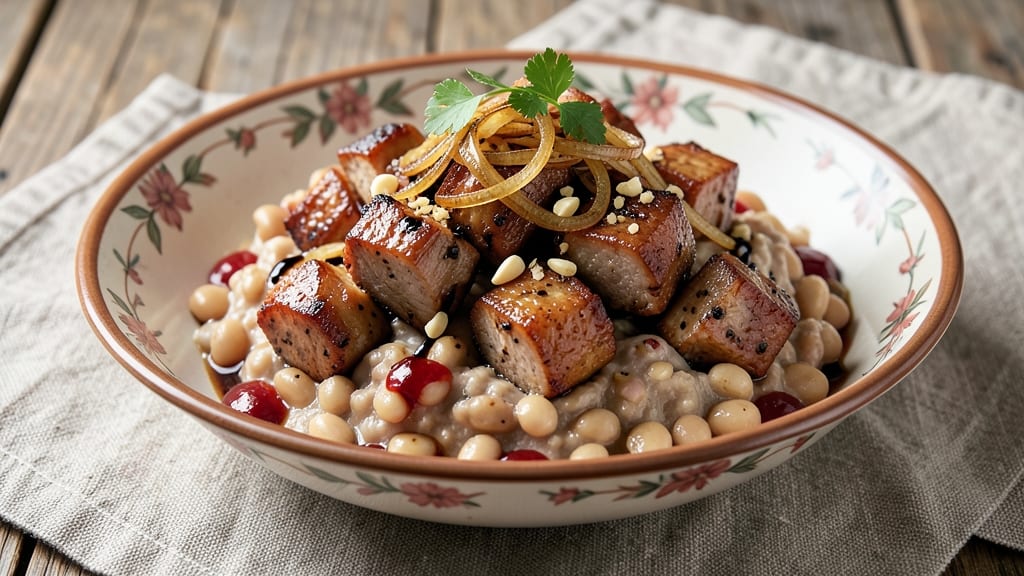
This Baguio beans with pork recipe brings the smoky, mountain-inspired flavors of the Philippines straight to your kitchen. 🌟 The secret lies in slow-cooking the beans until tender while the pork develops deep, savory notes—just like the highland dishes from Baguio's cool climate.
I first tasted this dish during a trip to the Philippines, where the combination of hearty beans and tender pork became a staple in mountain homes.
The beauty of this recipe is its simplicity—just a few ingredients transform into a comforting meal that pairs perfectly with steamed rice. The beans soften beautifully while absorbing the rich flavors of the pork and aromatic spices.
I've adapted the traditional method to work in a standard home kitchen, ensuring you get that same restaurant-quality taste without the fuss.
What you'll end up with is a one-pan dish that's packed with flavor and texture—tender pork pieces, creamy beans, and a sauce that's just slightly sweet and tangy.
The slow cooking process ensures every bite is infused with smoky, savory goodness, making it a dish that feels like a warm hug on a chilly evening.
Serve this alongside steamed rice and a simple green salad to round out the meal. The dish holds well, so it's perfect for meal prep or feeding a crowd. Let's get cooking and bring a taste of Baguio home!
Ingredients for baguio beans with pork
Pantry staples plus a few Filipino market finds for that mountain-inspired taste.
| Ingredient | Amount | Notes |
|---|---|---|
| Dried Navy Beans 🌱 | 2 cups | Soaked overnight for best texture |
| Pork Shoulder 🥩 | 1 ½ lb | Cut into 1-inch cubes |
| Onion 🧅 | 1 whole | Yellow or red, diced |
| Garlic Cloves 🧄 | 6 cloves | Minced for deep flavor |
| Tomato Paste 🍅 | ¼ cup | Smooth, not chunky |
| Balsamic Vinegar 🍷 | ¼ cup | For tangy depth |
| Soy Sauce 🥢 | ¼ cup | Light or dark preferred |
| Brown Sugar 🍯 | ¼ cup | Lightly packed |
| Bay Leaves 🌿 | 2 whole | Fresh or dried |
| Black Peppercorns 🌶️ | 1 tsp | Freshly cracked |
| Salt 🧂 | 1 ½ tsp | Adjust to taste |
| Olive Oil 🫒 | ¼ cup | For searing pork |
| Water 💧 | 4 cups | Enough to cover beans |
| Smoked Paprika 🌶️ | 1 tsp | For authentic smokiness |
The beans are the star here—navy beans give that hearty texture, but kidney or black beans work too. Soak them overnight (or quick-soak with boiling water for 2 hours) for the creamiest result. Pork shoulder is key—look for well-marbled cuts at the butcher counter. If you can't find it, pork butt is a good substitute. I grab mine from Whole Foods or the meat section at Costco for better quality. The smoked paprika? Penzeys has a great selection if you want to splurge, but the regular grocery store stuff works fine for that authentic smoky flavor that reminds me of Baguio's cool mountain air.
No smoked paprika? A pinch of liquid smoke (start with 1/4 tsp) or extra cayenne pepper can mimic that smokiness. Running low on balsamic vinegar? Apple cider vinegar works in a pinch—just add a tiny bit of sugar to balance. The tomato paste can be swapped for crushed tomatoes if you prefer, but paste gives that concentrated umami flavor. For the pork, pre-cut cubes save time, but if you're feeling ambitious, ask the butcher to do it for you. And if you're making this ahead, the flavors actually get better the next day—just reheat gently with a splash of water.
This dish reheats beautifully—just add a splash of water or broth to keep it moist. Keeps for 4-5 days in the fridge, or 3 months frozen. I like to portion mine into containers with rice so I can grab a meal on busy days. The beans soften even more when reheated, so if you're serving it fresh, eat it within a day or two. Store the pork separately if you want to use it in other dishes later—it stays tender and flavorful for 2-3 days in the fridge.
Why You'll Love This Recipe
- One-Pot Magic: I swear by this recipe—just toss everything into a pot, simmer, and walk away. No fancy techniques, no last-minute grocery runs for obscure ingredients. The navy beans soften while the pork shoulder melts into tender shreds, all thanks to that tomato paste base doing the heavy lifting.
- Porky Perfection: Between us, the pork shoulder is the star—crispy-edged and fall-apart tender, all in one bite. The onions caramelize just enough to sweeten the whole dish, and the garlic? Oh, it’s there, but not overpowering. It’s that perfect balance where every spoonful feels like a hug.
- Leftovers That Shine: This dish actually improves the next day. The flavors meld deeper, the beans soak up all the juices, and reheating it is a cinch. I’ve packed it for lunches, served it cold in wraps, or just reheated it straight from the fridge—no one ever complains.
- Budget-Friendly Feast: Dried navy beans and pork shoulder? That’s a pantry and freezer combo that won’t break the bank. A single batch feeds four, and the leftovers stretch across meals. Honestly, it’s the kind of recipe that makes me feel like I’m feeding a crowd without the stress.
Step-by-step instructions for smoky mountain-style Baguio beans
This one-pan wonder delivers hearty, smoky flavor with minimal effort—just follow these simple steps.
🔥 Step 1: Sear the Pork Shoulder for Deep Flavor
Heat the 0.25 cup olive oil in a large Dutch oven over medium-high heat until shimmering. Add the 1.5 lb pork shoulder cut into 1-inch cubes and sear undisturbed for 3-4 minutes per side until golden brown. You'll see the fat start to render out—that's your signal it's ready.
Here's the thing—don't rush this step. The pork needs that golden crust to lock in juices and build flavor. If it sticks, don't panic—just add a splash of water and scrape up those browned bits (they're pure flavor). Transfer the pork to a plate and set aside.
🍳 Step 2: Sauté Aromatics Until Fragrant
In the same Dutch oven, add the 1 whole diced onion and cook for 5 minutes until softened and translucent. Stir in the 6 minced garlic cloves and 1 tsp smoked paprika, cooking for another 30 seconds until fragrant—you should smell that garlic releasing its magic.
This is where the foundation of your dish gets built. The onions should be tender but not browned, and the garlic should sizzle just enough to release its oils without burning. If it starts to brown too quickly, reduce heat to medium to prevent bitterness.
🥘 Step 3: Build the Smoky Sauce Base
Stir in the 0.25 cup tomato paste, 0.25 cup balsamic vinegar, 0.25 cup soy sauce, 0.25 cup brown sugar, 1.5 tsp salt, and 1 tsp black peppercorns. Add the 2 whole bay leaves and cook for 2-3 minutes until the mixture darkens slightly and smells rich and complex.
This sauce blend is what gives Baguio beans that signature smoky-sweet depth. The tomato paste adds body, the balsamic brings tang, and the soy sauce plus brown sugar create that perfect balance of salty-sweet. Stir constantly to prevent burning—this sauce needs to simmer gently to develop its full flavor.
⏰ Step 4: Simmer Beans Until Tender
Add the soaked 2 cups dried navy beans (drained) and 4 cups water to the Dutch oven. Return the pork to the pot, then bring everything to a boil. Once boiling, reduce heat to low and cover partially, leaving a small gap for steam to escape.
Simmer for 1.5-2 hours until the beans are fork-tender and the pork is falling off the bone. You'll know they're done when the beans mash slightly between your fingers and the pork shreds easily. Real talk: your oven might run hot, so start checking at the 1 hour 30-minute mark if you're unsure.
🍽️ Step 5: Rest and Serve with Smoky Goodness
Remove the bay leaves and let the entire dish rest for 10 minutes off the heat. This resting period allows all the juices to redistribute throughout the beans and pork, ensuring each bite is packed with flavor. Taste and adjust seasoning—you might want to add a splash more soy sauce or a pinch of salt to perfect the balance.
Serve this hearty dish family-style straight from the pot. The beans should be tender but still hold their shape, and the pork should be juicy and falling apart. The sauce should coat everything beautifully, delivering that perfect combination of smoky, sweet, and savory that makes this dish so comforting. Pair with steamed rice to soak up every last bit of that delicious sauce!
Pro Tips For Making Baguio Beans With Pork
- SOAK BEANS OVERNIGHT: I learned this the hard way—rushing the soak with navy beans leads to tough, mealy results. Cover them in water by 3 inches, add a pinch of baking soda (trust me), and let them sit 12+ hours. The next day, drain and rinse before cooking; they’ll soften faster and absorb flavors better.
- SEAR PORK IN BATCHES: Crowding the pan turns your pork shoulder into a sad, steamed mess. Cut it into 1-inch chunks and cook in two batches over medium-high heat—this gives you a proper crust instead of a greasy sludge. (Yes, even if you’re impatient like me.)
- BURN THE TOMATO PASTE: Sounds weird, but it works: Once your onions and garlic are soft, add the tomato paste and let it darken for 2-3 minutes. This caramelizes the sugars and deepens the flavor—no need for extra sugar or ketchup shortcuts. (Your future self will thank you.)
- SIMMER LOW AND LONG: After adding the beans and broth, resist the urge to crank the heat. A gentle simmer (barely bubbling) for 45-60 minutes keeps the beans tender without falling apart. Cover the pot and check occasionally—this is where patience pays off.
Best sauces and condiments for this baguio beans with pork
Smoky-Sweet Sauce
This dish thrives on its rich, balanced sauce where balsamic vinegar and soy sauce create that signature tangy-sweet profile. I often add an extra ½ tsp of smoked paprika at the end for a deeper smokiness that reminds me of Baguio's mountain air.
For a smoother texture, blend a small portion of the beans and sauce separately before mixing back in—this works wonders if you prefer a more refined finish. 🌶️
Spicy Kick Options
If you love heat, stir in ½ tsp of chili flakes or 1 tbsp of sambal oelek during the final 10 minutes of cooking. The beans absorb the heat beautifully while keeping the pork tender.
I keep a small jar of Penzeys' Sambal Matah on hand for that authentic Filipino fire—it's a game-changer for spice lovers. Trust me, the first time I used it, my whole kitchen smelled like a Filipino street market!
Creamy Twist
For a luxurious touch, stir in ¼ cup of coconut milk during the last 30 minutes of simmering. The creaminess balances the smoky flavors perfectly while adding a subtle tropical note that pairs beautifully with the pork.
I especially love this variation when serving with jasmine rice—it feels like a little vacation in every bite. The coconut milk also helps keep the beans extra tender if you're short on time.
Herb Infusions
Fresh herbs elevate this dish to restaurant quality. Add 2 tbsp chopped cilantro or thai basil at the very end—just before serving—to brighten the flavors.
For a more traditional touch, try ½ cup of chopped green onions or fresh bay leaves (removed before serving) during the last 20 minutes of cooking. The herbs add freshness that cuts through the richness of the pork and beans.
Sweet Variations
Want to amp up the sweetness? Swap the brown sugar for ½ cup of pineapple juice or ¼ cup of honey—both add natural sweetness that complements the smoky flavors.
I once used grated coconut (about ¼ cup) during the last 15 minutes of cooking, and it added this incredible caramelized texture that everyone raved about. The pineapple version is particularly refreshing and works beautifully with a side of grilled shrimp.
Umami Boosters
For an extra umami punch, add 1 tbsp of fish sauce (like Red Boat brand) or 1 tsp of miso paste during the sauce-building stage. The fish sauce adds depth that's especially noticeable when paired with the soy sauce.
I discovered this trick during my time in Charleston, where seafood markets were always nearby—it's become a staple in my version of Baguio beans. Just be mindful with the fish sauce; start with less and taste as you go.
Nutrition facts
Frequently asked questions
Can I use canned beans instead of dried?
You can, but it changes the texture dramatically. Canned beans will make the dish creamier faster, but they lack the hearty, slow-cooked depth of dried beans. If using canned, reduce cooking time by 30-45 minutes and add 1 extra cup of water to prevent drying out. Dried beans are worth the wait for that authentic Baguio-style texture!
What makes this recipe different from regular pork and beans?
The magic comes from Baguio's mountain-inspired flavors: smoked paprika, balsamic vinegar, and soy sauce create that signature tangy-sweet balance. Traditional pork and beans often use molasses or brown sugar—this version swaps those for balsamic and soy for a more complex, umami-rich profile that's lighter but equally satisfying.
How do I know when the beans are perfectly tender?
Press a bean between your fingers—it should mash slightly but still hold its shape. The pork should be fork-tender, falling apart easily. If you're unsure, cut into a piece of pork—juices should run clear, not pink. Pro tip: Check at 1 hour 30 minutes if your stove runs hot, as cooking times vary by appliance.
Can I make this in an Instant Pot?
Sear the pork first, then add all ingredients except water. Cook on high pressure for 25 minutes, then natural release for 10 minutes. Add 1 cup water if needed to prevent sticking. The Instant Pot version cooks 40% faster but may need extra soy sauce for depth—taste and adjust before serving.
What's the best way to reheat leftovers?
Gently reheat on the stovetop with 2-3 tbsp water or broth over low heat to prevent drying. Microwave in 1-minute intervals, stirring between each, with a damp paper towel covering the bowl. The beans absorb moisture beautifully—this keeps them tender. Leftovers actually taste better the next day as flavors meld!