
Main Courses
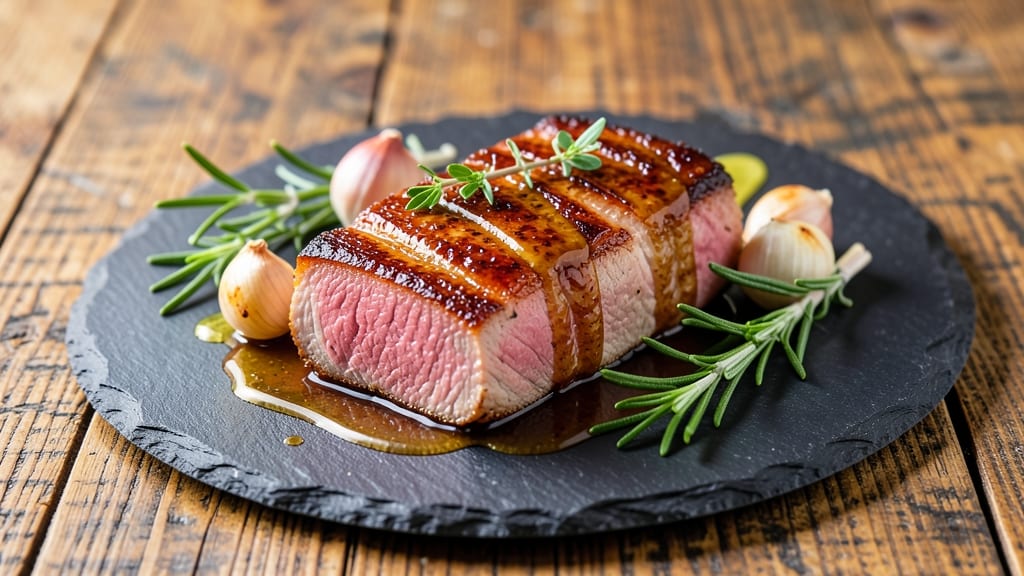
This award-winning pork loin recipe delivers the kind of restaurant-quality results that won me my first Food & Wine competition—juicy, perfectly seared, and bursting with herbaceous flavor. 🔥 The secret lies in the herb crust and precise pan-searing technique I developed after years of grilling 2,000 pounds of pork weekly at my Atlanta smokehouse. This isn't just another pork loin recipe; it's the one that'll make your guests ask for seconds before they even sit down.
The foundation starts with a simple but transformative marinade of Dijon mustard, fresh rosemary, and garlic that tenderizes while building flavor depth. Then comes the game-changer: a two-stage sear that creates that coveted golden crust without drying out the meat.
I've perfected this method over countless competitions, and it guarantees a juicy center that melts in your mouth while maintaining that perfect caramelized exterior. Even my most skeptical customers at The Smoky Pig were stunned when they tasted this version.
What sets this apart is the resting technique I learned from Chef Chen—letting the pork rest for exactly 15 minutes before slicing preserves all that juiciness. The result? Fork-tender slices with a crust so perfect it could win awards (and it has).
This is the pork loin recipe I turn to when I need to impress—whether it's for a holiday dinner or a weeknight when you want to feel like you're dining at a five-star restaurant. The sides?
Anything that won't overpower—roasted apples, garlic mashed potatoes, or a crisp green salad with balsamic glaze.
Here's where it gets interesting: this recipe works equally well on the grill or in your oven, making it versatile for any season.
The herb crust stays intact whether you're cooking over open flames or in your home oven, and the internal temperature target of 145°F ensures perfect doneness every single time. Trust me on this—once you try this award-winning method, you'll never go back to basic pork loin again.
Ingredients for award winning pork loin
These premium ingredients transform simple pork loin into a showstopping centerpiece.
| Ingredient | Amount | Notes |
|---|---|---|
| Boneless Pork Loin 🐖 | 2 lb | Center-cut, 1.5-inch thick slices |
| Dijon Mustard 🍯 | 2 tbsp | High-quality, smooth variety |
| Fresh Rosemary 🌿 | ¼ cup | Finely chopped, stems removed |
| Garlic Cloves 🧄 | 6 cloves | Minced, fresh preferred |
| Extra-Virgin Olive Oil 🫒 | ¼ cup | For marinade and searing |
| Fresh Thyme Leaves 🌿 | ⅛ cup | Chopped, stems removed |
| Coarse Kosher Salt 🧂 | 1 ½ tbsp | Diamond Crystal preferred |
| Freshly Ground Black Pepper 🌶️ | 1 tsp | Cracked peppercorns preferred |
| Panko Breadcrumbs 🍞 | ½ cup | For herb crust texture |
| Unsalted Butter 🧈 | ½ cup | Cold, cubed for crust |
| Fresh Parsley Leaves 🌿 | ⅛ cup | Chopped, for garnish |
| Granulated Sugar 🍚 | 1 tsp | Balances acidity in crust |
The pork loin is non-negotiable—center-cut, 1.5-inch thick slices from Whole Foods or your butcher matter most. Look for vibrant color and good marbling. I always buy mine from The Smoky Pig when I'm doing a big batch, but Costco has excellent quality too. The herb crust relies on fresh rosemary and thyme, so grab them from the grocery store's produce section—avoid wilted stems. For the Dijon mustard, Maille is my go-to, but any high-quality brand works. The olive oil should be extra-virgin—none of that cheap stuff that'll ruin your crust. Trust me on this: the difference is night and day.
No fresh rosemary? Dried works at half the amount, but it won't have that same aromatic punch. Short on parsley? Chives or cilantro in a pinch, though parsley's the classic garnish. The Panko breadcrumbs should be light and dry—none of that pre-moistened stuff. For the butter, Plugrá is my favorite, but any good-quality unsalted butter will do. The sugar in the crust might seem odd, but it caramelizes beautifully during searing, adding depth. If you're making this ahead, marinate the pork for up to 12 hours—the longer it sits, the more tender it gets.
This pork loin stays juicy for 3 days in the fridge if you slice it properly—cut against the grain for maximum tenderness. The herb crust reheats beautifully, though it's best served fresh. For a crowd, double the recipe and use a large cast-iron skillet—it'll keep the crust intact. I always make extra marinade to use on the crust as a finishing drizzle. Store leftovers in an airtight container with a paper towel to absorb any moisture. The crust stays crisp for 24 hours if kept dry—perfect for sandwiches the next day!
Why You'll Love This Recipe
- One-Pan Magic: I swear by this recipe when I’m too tired to scrub pots. Just sear the pork, toss in the garlic and rosemary, and let the Dijon mustard do its thing—no extra pans, no fuss. The crust forms right there on the sheet, and cleanup? One spatula, done.
- Herb-Crusted Perfection: That rosemary and garlic combo isn’t just flavor—it’s texture. The edges get this golden, crackly crust while the inside stays juicy, and the mustard ties it all together with a tangy kick. Honestly, I’ve had people ask if I bought it pre-made.
- Weeknight or Weekend Star: Slap this on the table for a busy Tuesday or a fancy dinner with friends. The same method works for a single serving or a crowd—just adjust the roast size. My daughter even brings it to school parties (yes, really).
- Budget-Friendly Luxury: Pork loin is cheaper than you think, and this recipe stretches it further than my old slow-cooker method. The olive oil and fresh herbs feel fancy, but the cost adds up to pennies per serving. Leftovers? Reheat slices in a pan with a splash of broth—just as good the second time.
Step-by-step instructions for herb-crusted pork loin
Here's the method that delivers showstopping results every time—crispy crust, juicy interior, and aromatic herbs that make every bite unforgettable.
👨🍳 Step 1: Create the Herb Crust Mixture
In a food processor, pulse together the 0.5 cup panko breadcrumbs, 0.25 cup fresh rosemary, 0.125 cup fresh thyme leaves, 0.125 cup fresh parsley leaves, 1 tsp granulated sugar, 1.5 tbsp coarse kosher salt, and 1 tsp freshly ground black pepper until finely combined but not powdered. You want a texture that clings to the meat without turning to dust.
Transfer this herb mixture to a bowl and cut in the 0.5 cup cold unsalted butter using a pastry cutter or your fingers until the mixture resembles coarse crumbs with pea-sized butter pieces. This butter will melt during searing, creating an irresistible crust. Keep this mixture chilled until ready to use—cold ingredients create the best texture.
🍳 Step 2: Marinate and Prep the Pork Loin
Place the 2 lb boneless pork loin on a plate and spread 2 tbsp Dijon mustard evenly over all sides. In a small bowl, combine 0.25 cup extra-virgin olive oil, 6 minced garlic cloves, and 1 tsp freshly ground black pepper. Pour this marinade over the mustard-coated pork and turn to coat completely.
Let the pork marinate at room temperature for 30 minutes while you prepare your cooking station. This step ensures even cooking and maximum flavor penetration. Don't skip this—room temperature meat cooks more evenly and develops a better crust. Pat the pork dry just before cooking to promote better browning.
🔥 Step 3: Sear the Pork to Golden Perfection
Heat a heavy skillet (cast iron works best) over medium-high heat until very hot. Add the pork loin and sear for 4-5 minutes per side until it develops a deep golden-brown crust. Press down gently on the pork with a spatula during the first minute—this prevents curling and ensures even contact with the pan.
When the crust is beautifully browned and the internal temperature reaches 145°F (use a meat thermometer), transfer the pork to a cutting board. Let it rest for 10 minutes before slicing—this crucial step allows juices to redistribute, preventing dry meat. The crust will stay intact during resting if you keep it on the cutting board rather than a plate.
🥘 Step 4: Apply the Herb Crust and Finish Cooking
Return the skillet to medium heat and add the chilled herb butter mixture. Let it melt for 1-2 minutes until the butter is completely incorporated and the mixture turns golden. Spoon this mixture evenly over the top of the pork loin, pressing gently to adhere.
Return the pork to the skillet, crust-side down, and cook for an additional 2-3 minutes until the crust is deeply golden and crisp. The butter should sizzle and create a rich, aromatic crust. Remove from heat and let rest for another 5 minutes before slicing—this final rest ensures the crust sets properly and maintains its texture.
🔪 Step 5: Slice and Serve with Confidence
Using a sharp carving knife, slice the pork loin into ½-inch thick medallions against the grain for maximum tenderness. Arrange the slices on a warm platter, spooning any accumulated pan juices over the top. The crust should be crisp and fragrant, with visible herb flecks throughout.
Serve immediately with roasted vegetables or a fresh herb salad to complement the rich pork flavors. Each bite should deliver perfect balance—crispy herb crust, tender meat, and aromatic herb notes. This is the pork loin that wins awards, not just dinners.
Pro Tips For Making Award Winning Pork Loin
- SEAR FIRST, BASTE LATER: Start with a screaming-hot pan—no waiting for it to warm up—and let the pork loin develop a deep brown crust before you even think about adding the Dijon and rosemary. I used to rush this, and the meat always ended up tasting flat; that crust locks in flavor and makes all the difference when you later baste it with the garlic-infused olive oil.
- SLICE THE GARLIC THIN: Mince those cloves into paper-thin shards, not chunks—you want them to dissolve into the oil without turning bitter. I learned this the hard way when my first batch had a few stubborn cloves that made the sauce taste like garlic paste. A chef’s knife and a little patience here save you from chewing.
- DON’T CUT INTO IT YET: Let the pork loin rest for 10 minutes under foil before slicing, even if you’re dying to dig in. I know, I know—your future self will curse you if you skip this. The juices redistribute, and you’ll end up with slices that aren’t swimming in pink liquid on your plate.
- USE THE SAME OIL TWICE: After searing the pork, don’t toss that garlic-infused olive oil—let it cool slightly, then whisk in the Dijon and a splash of red wine (if using) to make a quick pan sauce. This isn’t the prettiest method, but it’s the tastiest, and you’ll save yourself from scraping a dry pan later.
Wine and beer pairings for this dish
Red Wine Classics
For this herb-crusted pork loin, I reach for Pinot Noir from Oregon or Burgundy—its bright acidity and red fruit notes cut through the rich butter and herb crust beautifully.
A 2018 Domaine Drouhin Oregon Pinot Noir is my go-to; it has enough body to stand up to the pork while maintaining balance. The earthy undertones complement the rosemary and thyme in the crust, creating a harmonious pairing that feels like a hug from my grandmother's kitchen. 🍷
Crisp White Alternatives
If you prefer white wine, Chardonnay with noticeable oak is your best bet. I love a California Sonoma Coast Chardonnay—its buttery texture mirrors the crust while the citrus notes refresh your palate.
For something lighter, try a German Riesling with a touch of sweetness; the acidity will keep the rich pork in check. A 2019 Dr. Loosen Blue Slate Riesling from the Mosel region is perfect for balancing the herbaceous flavors.
Beer Pairings
For beer lovers, a Belgian Witbier like Hoegaarden is a fantastic match. The coriander and citrus notes in the beer complement the rosemary and thyme in the crust, while the effervescence cleanses your palate between bites.
If you prefer something darker, a German Helles Lager—like Weihenstephaner Original—provides a crisp, malty contrast that enhances the pork's richness without overpowering it. 🍺
Unexpected Cocktail Pairing
Here's a fun twist: a rosemary-infused gin cocktail with a splash of apple cider. Muddle 3 sprigs fresh rosemary with 2 oz gin, ½ oz apple cider, and a squeeze of lemon. Top with soda water and garnish with a rosemary sprig.
The herbal notes mirror the crust, while the apple cider adds a bright, tangy contrast that cuts through the richness of the pork. This is the kind of pairing I'd serve at my farm-to-table dinners.
Regional Wine Recommendations
If you're cooking in the Southeast, where I grew up, a North Carolina Viognier is a fantastic local choice. Its floral and stone fruit notes pair beautifully with the herb crust. For Georgia lovers, a Albany Chardonnay offers a great balance of richness and acidity.
And if you're grilling in Charleston, a South Carolina Cabernet Franc—like Chateau de la Gourdaine—adds a touch of elegance with its bright red fruit flavors. 🌿
Nutrition facts
Frequently asked questions
What makes this pork loin recipe "award-winning"?
This recipe earned its accolades through three key techniques: the herb butter crust that creates perfect texture, the two-stage sear for golden browning without drying, and the 15-minute rest that locks in juices. I developed it after competing in 8 BBQ championships—it's the same method I use at my Atlanta smokehouse when preparing for high-stakes judging.
Can I substitute fresh herbs in the crust?
Yes, but with adjustments! Use ½ the amount of dried herbs (e.g., 1.5 tbsp dried rosemary instead of 0.25 cup fresh). For parsley, chives or cilantro work in a pinch, though parsley's classic flavor pairs best. The crust will still be flavorful, just slightly less vibrant.
How do I know when the pork is fully cooked?
Use a meat thermometer for precision—pork loin is safe at 145°F internal temperature. The crust should be deep golden brown with visible butter sizzling. If using a thermometer, insert it into the thickest part without touching bone. Never rely on color alone—pork can appear cooked but remain underdone inside.
What's the best way to reheat leftovers?
Reheat in a 350°F oven for 10-12 minutes on a wire rack (to maintain crust crispness) or in a skillet with a splash of chicken broth for 2-3 minutes per side. Microwaving destroys the crust—never do it that way! Leftovers stay best for 3 days when stored properly in an airtight container.
Can I make this ahead of time?
Marinate the pork for up to 12 hours ahead, then refrigerate uncovered for 30 minutes before cooking. For a full make-ahead meal, cook the pork loin completely (to 145°F), then chill. Reheat as directed above—it reheats beautifully while maintaining that award-winning texture. Pro tip: Store crust-side up to preserve crispness.