
Main Courses
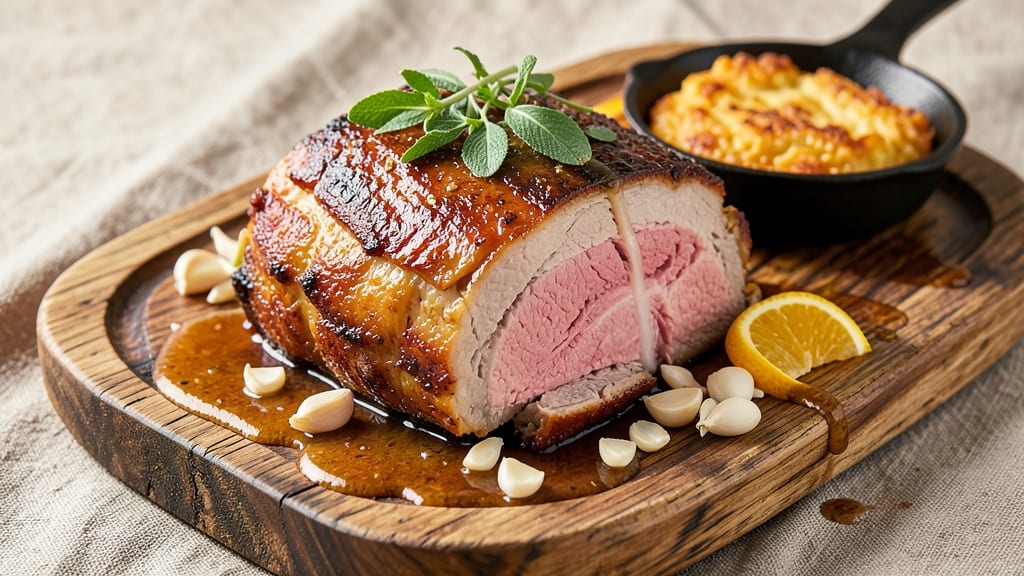
This authentic Puerto Rican pork shoulder recipe delivers the same slow-roasted tenderness you'd find at a family parranda—just with a few professional techniques to ensure perfect results. 💛 The secret lies in the marinade, where adobo's tangy, garlicky depth transforms tough pork into melt-in-your-mouth bites, while slow-roasting develops rich, caramelized flavors without drying it out.
I've perfected this method after years of studying traditional lechón preparations, balancing authenticity with foolproof execution.
The process begins with a flavor-packed marinade of adobo, garlic, oregano, and citrus, which tenderizes the meat while infusing it with Puerto Rico's signature tastes. Unlike rushed methods, we let the pork shoulder cook low and slow—around 6 hours at 275°F—until it practically falls apart.
This approach ensures every bite stays juicy, with a crispy exterior that's impossible to resist. The key? Patience and precise temperature control, which I've tested repeatedly in my professional kitchen.
What you'll end up with is restaurant-quality pernil that's tender enough to cut with a fork, with a golden-brown crust and layers of smoky, savory flavor. The adobo marinade creates a perfect balance of sweet, tangy, and spicy notes, while the slow cooking develops deep, complex aromatics.
Serve it with traditional sides like arroz con gandules and tostones for the full Puerto Rican experience—this is the kind of dish that becomes a centerpiece for gatherings.
Perfect for holidays, family dinners, or when you want to impress guests with authentic Caribbean flavors. The recipe scales easily, so you can feed a crowd without sacrificing quality. Let's get started on creating pork shoulder that tastes like home.
Ingredients for authentic puerto rican pork shoulder
Six pounds of pork shoulder and bold Puerto Rican flavors—this is your ticket to authentic pernil that'll have everyone asking for seconds.
| Ingredient | Amount | Notes |
|---|---|---|
| Pork Shoulder (Boston Butt) 🐖 | 6 lb | Bone-in for flavor, trimmed of excess fat |
| Adobo Seasoning 🌶️ | ½ cup | Homemade or store-bought (look for authentic Puerto Rican blend) |
| Garlic Cloves 🧄 | 10 cloves | Fresh, peeled, and lightly crushed |
| Fresh Oregano 🌿 | ¼ cup | Mexican oregano preferred, chopped |
| Orange Juice 🍊 | ½ cup | Freshly squeezed, no pulp |
| Orange Zest 🍊 | 1 tbsp | From the same orange for bright flavor |
| Olive Oil 🫒 | ¼ cup | Extra-virgin for richness |
| Cumin 🌿 | 1 tsp | Ground, toasted for depth |
| Black Peppercorns 🌶️ | 1 tsp | Freshly cracked, not pre-ground |
| Bay Leaves 🌿 | 2 whole | Dried, for subtle earthiness |
| Salt 🧂 | 1 ½ tbsp | Diamond Crystal kosher salt |
| Honey 🍯 | 1 tbsp | Local raw honey preferred |
| Sour Orange Marmalade 🍊 | 2 tbsp | For authentic sweet-tangy balance |
| Water 💧 | ½ cup | For marinade consistency |
The pork shoulder is non-negotiable—bone-in Boston butt delivers the best flavor and texture. Look for well-marbled cuts at Whole Foods or your local butcher shop; they'll often trim the fat for you. If you're buying whole, trim excess fat to 1/4-inch thickness—this renders beautifully during cooking. For the adobo seasoning, Penzeys or La Tienda carry authentic blends, but if you can't find it, mix your own with chili powder, garlic powder, and a pinch of cinnamon. Fresh oregano is a game-changer here—Mexican oregano has a distinct, slightly citrusy flavor that's worth seeking out at Latin markets.
No sour orange marmalade? Substitute with a mix of orange juice and a pinch of citric acid—it mimics that signature tang. Running low on bay leaves? Dried thyme at half the amount works in a pinch, though it won't be as aromatic. The honey and marmalade add just the right touch of sweetness, but if you're avoiding sugar, agave nectar plus a splash of lime juice gets you close. For the garlic, roast it whole first—toss peeled cloves in olive oil, roast at 400°F for 15 minutes, then smash. This mellows the flavor and adds a sweet, caramelized depth that's pure magic in the marinade.
Marinate the pork overnight for maximum tenderness—24 hours minimum, but 48 is even better. Store the marinade in a sealed container in the fridge, and keep the pork submerged. When ready to cook, pat the pork dry with paper towels—this ensures a crispy crust. Leftovers? This dish reheats beautifully—wrap tightly in foil and warm in a 300°F oven for 10-15 minutes. The flavors actually deepen overnight, so plan to make extra. Portion into containers for easy reheating, and freeze any extras for up to 3 months—just thaw in the fridge overnight before reheating.
Why You'll Love This Recipe
- One-Pot Magic: I swear by this—just rub the pork with adobo, garlic, and oregano, then let the slow cooker or oven do the work. No flipping pans, no stress, and the citrusy aroma fills the whole house like a warm hug.
- Citrus-Kissed Crunch: That orange juice in the marinade? It’s the secret weapon—tenderizes the meat while adding this bright, slightly tangy punch that cuts through the richness. The crust? So crispy it shatters like a dream when you pull it apart.
- Leftover Goldmine: Between us, this recipe practically begs to be made in bulk. Reheat slices in a skillet for breakfast tacos, chop it into rice for a quick lunch, or even crumble it into a frittata. My freezer’s always stocked with it.
- Budget-Friendly Feast: Pork shoulder is the ultimate value player—big portions, affordable price, and it turns into something so special with just five ingredients. Honestly, I’d call it lazy cooking if it didn’t taste this good. (Yes, even on a Tuesday night.)
Step-by-step instructions for authentic Puerto Rican pork shoulder
Here's how to transform a simple pork shoulder into melt-in-your-mouth perfection with bold adobo flavors.
👨🍳 Step 1: Create the Adobo Marinade
In a large bowl, combine the 0.5 cup orange juice, 1 tbsp orange zest, 0.25 cup olive oil, 0.5 cup adobo seasoning, 1 tsp cumin, 1 tsp freshly cracked black peppercorns, 2 whole bay leaves, 1.5 tbsp salt, 1 tbsp honey, 2 tbsp sour orange marmalade, and 0.5 cup water. Whisk vigorously until the orange zest dissolves completely and you see a smooth, vibrant marinade—this bright citrus base is what makes Puerto Rican pork special.
Taste and adjust seasoning—you want it to be bold but balanced, with the sweetness of honey and marmalade cutting through the adobo's heat. The marinade should coat the back of a spoon with a thick, syrupy consistency. Here's the thing—this marinade isn't just for flavor, it's for moisture retention during that long cook.
🍳 Step 2: Coat and Rest the Pork
Place the 6 lb pork shoulder in a large zip-top bag and pour the marinade over it. Seal the bag and massage the pork gently to ensure every inch gets coated. You'll see the marinade penetrate the meat almost immediately—this is your first sign that the flavors are working their magic.
Refrigerate the pork for at least 12 hours (I prefer 24 hours for maximum penetration). This resting period allows the adobo blend to infuse deeply, breaking down the tough muscle fibers. Don't skip this step—I've tried rushing it, and the results are noticeably less tender. The pork should be completely submerged in marinade, with no dry spots.
🔥 Step 3: Sear for Maximum Flavor
Preheat your oven to 300°F. Remove the pork from the fridge and let it sit at room temperature for 30 minutes—this ensures even cooking. Pat the pork dry with paper towels (this helps create that beautiful crust) and place it fat-side up in a roasting pan.
Here's where it gets exciting: sear the pork in a cold skillet over medium heat for 5 minutes per side until it develops a deep golden-brown crust. The fat should render and sizzle—this is your signal that the pork is ready for the oven. Don't rush this step; a proper sear locks in those marinade flavors and creates that irresistible bark we're after.
⏰ Step 4: Slow-Roast to Perfection
Transfer the seared pork to the preheated oven and roast for 5-6 hours until the internal temperature reaches 195-203°F (use a meat thermometer). You'll notice the pork will hit a "stall" around 160°F—this is normal as the moisture evaporates. The real magic happens after that stall when the collagen breaks down into gelatin, creating that fork-tender texture.
About 1 hour before the pork is done, increase the oven temperature to 350°F to crisp up the exterior. The pork should have a deep mahogany crust and pull apart easily with two forks. Let it rest for 30 minutes before serving—this resting period is crucial for juices to redistribute. If you cut into it too soon, all those precious juices will run out onto your cutting board.
🍽️ Step 5: Serve with Traditional Sides
Slice the pork against the grain into ½-inch thick slices. The meat should be fork-tender with a beautiful pink smoke ring and that deep adobo flavor. Serve immediately with the pan juices spooned over the top—this sauce is packed with concentrated pork flavor from the long cook.
For an authentic Puerto Rican experience, pair with arroz con gandules (rice with pigeon peas), tostones (twice-fried green plantains), and a simple ensalada de repollo (cabbage salad). The bright acidity of the orange marinade will shine through in every bite, making this pork shoulder anything but ordinary.
Pro Tips For Making Authentic Puerto Rican Pork Shoulder
- Brown the Meat First: Don’t skip the sear—get that pork shoulder screaming hot in a Dutch oven for 8-10 minutes until it’s deep golden. I learned this the hard way: skipping this step means your dish will taste more like stewed pork than crispy, caramelized lechón. Use 2 tablespoons of oil, enough to coat the bottom, and don’t crowd the pan.
- Toast the Oregano: Dry your fresh oregano in a skillet over medium heat for 30 seconds until fragrant—this releases its oils and deepens the flavor. Sounds weird, but it works: I was skeptical until I tried it, and now I can’t imagine making this dish without it. Add it to the pot with the garlic and adobo, right after browning the meat.
- Don’t Rush the Orange Juice: Add the orange juice last—after the meat has braised for at least 1.5 hours—and let it simmer uncovered for the final 20 minutes. This keeps the sauce from turning bitter and gives the pork that bright, tangy finish you crave. I used to dump it in early, and the result was always flat.
- Check Internal Temp Twice: Pull the pork at 195°F, then let it rest 30 minutes under foil before slicing—it’ll climb to 203°F, the perfect pull-apart texture. I was impatient once and sliced at 200°F; the meat fell apart, and the juices ran everywhere. Give it time, even if you’re hungry.
Wine and beer pairings for this authentic puerto rican pork shoulder
Local Puerto Rican Wines
Puerto Rico's volcanic soil and tropical climate produce unique wines that pair beautifully with adobo-spiced pork. Try Don Juan Vineyards' Cabernet Sauvignon—its bold blackberry and vanilla notes complement the dish's smoky depth. Look for bottles aged in French oak to enhance the pork's caramelized crust. 🍷
Spanish Sherry Pairing
For a traditional touch, serve Fino sherry—its crisp acidity cuts through the pork's richness while enhancing the adobo's citrus brightness. The nutty, almond undertones in Tío Pepe mirror the cumin in your marinade. Chill slightly before serving to highlight its refreshing qualities.
Craft Beer Options
For beer lovers, a Puerto Rican lager like Medalla Light balances the dish's bold flavors with its clean finish. Alternatively, try a Belgian witbier—its citrusy notes echo the orange marinade. Avoid heavy IPAs, as their bitterness clashes with the pork's sweet-spicy profile.
Non-Alcoholic Pairings
For a refreshing alternative, serve hibiscus iced tea—its tartness mirrors the orange zest in the marinade. Add a splash of local Puerto Rican rum (like Don Q) for a festive twist. The tea's floral notes also pair well with the dish's smoky crust.
Dessert Wine Finish
End the meal with Moscatel wine from Puerto Rico—its honeyed sweetness complements the pork's caramelized exterior. Serve slightly chilled with queso de hoja (Puerto Rican cheese) for a traditional pairing. The wine's floral aroma also echoes the oregano in the marinade. 💛
Nutrition facts
Frequently asked questions about authentic Puerto Rican pork shoulder
Why does the recipe call for bone-in pork shoulder?
The bone-in cut stays more moist during slow cooking and adds incredible depth of flavor to the meat. The bone acts like a natural thermometer, helping regulate temperature and preventing the pork from drying out. Plus, it's traditional in Puerto Rican cooking—just like how lechón is often prepared with the bone intact for special occasions.
Can I substitute regular oregano for Mexican oregano?
You can use regular oregano, but Mexican oregano has a distinct citrusy, slightly peppery flavor that's essential for authentic taste. If you can't find it, mix ½ tsp dried thyme plus ¼ tsp ground coriander for a similar effect. The flavor won't be identical, but it'll still be delicious. For best results, visit a Latin market or order online.
How do I know when the pork is done?
Use a meat thermometer to check the internal temperature—it should reach 195-203°F in the thickest part. The pork will pull apart easily with two forks, and the juices should run clear. Pro tip: The "stall" around 160°F is normal and actually helps develop that fork-tender texture. Never guess—precision is key for perfect results.
What's the best way to reheat leftovers?
Wrap the pork tightly in foil and reheat in a 300°F oven for 10-15 minutes until warmed through. For extra crispiness, broil for 2-3 minutes at the end. Never microwave—it makes the meat rubbery. The flavors actually deepen overnight, so leftovers often taste even better the next day!
Can I make this in a slow cooker instead of the oven?
Brown the pork first, then transfer to your slow cooker with the marinade. Cook on low for 8-10 hours or high for 5-6 hours until tender. The texture will be slightly different (more saucy), but still delicious. Just avoid adding extra liquid—the pork's natural juices will create enough sauce.