
Main Courses
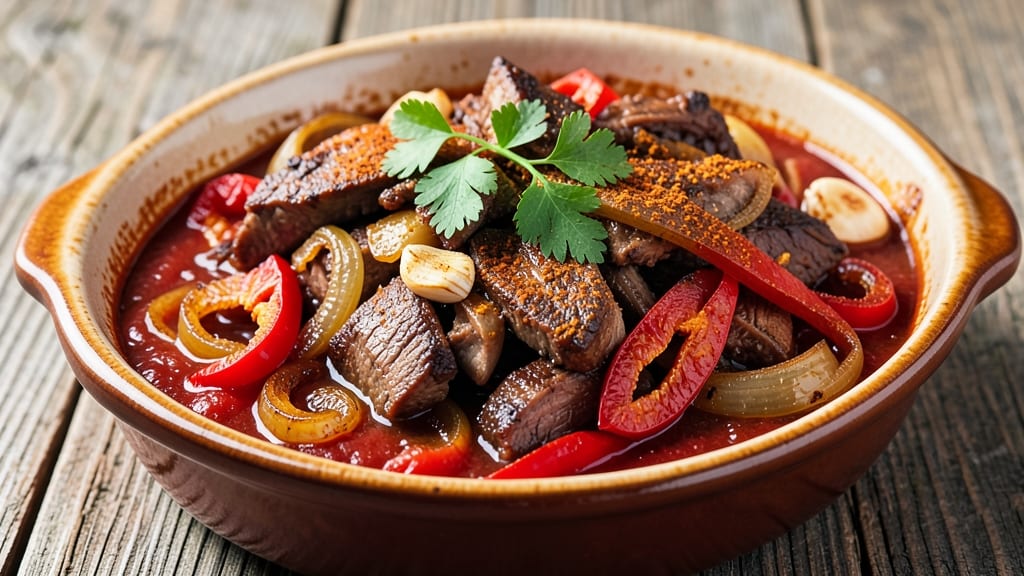
This authentic pork goulash recipe brings the heart of Hungary to your kitchen with its deep, paprika-rich flavors and tender meat. ✨ I first tasted it during a trip to Budapest, where the scent of simmering spices filled the air—now I recreate that same warmth in my own cast iron.
The secret lies in slow-cooked pork shoulder, caramelized onions, and a blend of sweet and hot paprika that builds layers of flavor over hours.
The beauty of this dish is its balance between tradition and adaptability. While we'll follow the classic method of browning the pork and simmering it in a rich, spiced broth, I've included modern shortcuts like using a slow cooker for those busy weeknights.
The result? A stew so deeply flavorful it transforms simple ingredients into something extraordinary—perfect for cold evenings when you crave comfort food with soul.
What makes this goulash truly special is the way the spices meld together: caraway seeds add earthy depth, bay leaves bring herbal notes, and a splash of vinegar cuts through the richness. Served with egg noodles or crusty bread, it's a meal that feels like a hug in a bowl.
The pork becomes fork-tender while maintaining its structure, and the sauce thickens just enough to coat every bite without being gluey.
For those who love leftovers (and who doesn't?), this goulash only gets better the next day as the flavors continue to develop. The traditional finishing touch—a dollop of sour cream—adds a creamy contrast that balances the paprika's heat.
Whether you're feeding a family or cooking for one, this recipe delivers restaurant-quality results with minimal fuss.
Ingredients for authentic pork goulash
Pork shoulder, paprika, and slow-cooked spices—this is your goulash shortcut to Hungarian comfort.
| Ingredient | Amount | Notes |
|---|---|---|
| Pork Shoulder 🥩 | 3 lb | Bone-in for flavor, cut into 1.5-inch cubes |
| Yellow Onions 🧅 | 3 whole | Medium size, sliced into half-moons |
| Sweet Paprika 🌶️ | 2 tbsp | Hungarian if available for authentic flavor |
| Hot Paprika 🌶️ | 1 tbsp | Adjust for heat preference |
| Garlic Cloves 🧄 | 6 cloves | Minced for aromatic depth |
| Tomato Paste 🍅 | ½ cup | High-quality, no sugar added |
| White Wine 🍷 | 1 cup | Dry variety like Sauvignon Blanc |
| Beef Broth 🥫 | 4 cups | Homemade or low-sodium store-bought |
| Caraway Seeds 🌾 | 1 tsp | Whole, lightly toasted for aroma |
| Bay Leaves 🍃 | 2 whole | Fresh for best flavor |
| White Vinegar 🍋 | 1 tbsp | For brightness and acidity |
| Sour Cream 🥛 | ½ cup | Full-fat for traditional creaminess |
| Salt 🧂 | 1 ½ tsp | Kosher or sea salt |
| Black Pepper 🌶️ | ½ tsp | Freshly cracked |
| Olive Oil 🫒 | 2 tbsp | For browning pork |
The pork shoulder is non-negotiable here—bone-in gives the best flavor, and Costco or Trader Joe's usually have great deals on it pre-cut. If you're buying a whole shoulder, ask the butcher to cube it for you (about 1.5-inch pieces). For the paprika, Hungarian sweet and hot makes all the difference—you'll find it in the international aisle at Whole Foods or online. The onions should be sweet and crisp; yellow or red both work, but avoid purple onions—they can turn bitter when cooked. Toast the caraway seeds in a dry pan for 30 seconds before adding to the pot—this releases their essential oils and makes the dish smell like a Budapest café.
No white wine? Substitute extra beef broth with a splash of apple cider vinegar—it keeps the acidity. Running low on tomato paste? Crushed tomatoes work at double the amount, but you'll lose some of that concentrated umami. The beef broth can be swapped for vegetable broth if vegetarian, though purists will notice the difference. Fresh bay leaves are ideal, but if you're using dried, cut the amount to one-third—they're way more potent. For the sour cream, full-fat is traditional, but if you're watching calories, Greek yogurt thinned with a splash of milk works surprisingly well. And if you're short on time, pre-minced garlic from a jar saves 5 minutes of prep (just drain it well).
This goulash tastes even better the next day, so make extra—it reheats beautifully. Store in an airtight container in the fridge for 4-5 days or freeze for up to 3 months. To reheat, add a splash of broth or water to prevent drying out. The sour cream should be stirred in just before serving—it's the finishing touch that makes this dish sing. For serving, egg noodles or crusty bread are classic, but I've also seen it over mashed potatoes for a heartier meal. Leftovers? Even better for sandwiches the next day—just add a little mustard and extra paprika.
Why You'll Love This Recipe
- One-Pot Magic: I swear by this—just brown the pork, toss in onions and garlic, then let the paprika do its thing. No extra pots, no fuss, and honestly? That deep, smoky aroma fills the whole house while it simmers.
- Paprika Powerhouse: Between us, the combo of sweet and hot paprika is chef’s kiss. The sweet mellows the heat just enough to make every bite rich and complex—like a hug in a bowl, but with more garlic.
- Leftovers That Win: This stuff tastes even better the next day. I make a double batch on Sundays, freeze half, and boom—weeknight dinners solved. My kids fight over the last bowl, and I don’t even have to pretend it’s fancy.
- Budget-Friendly Feast: Pork shoulder stretches forever, and onions/garlic/paprika won’t break the bank. I’ve fed six people for under $15, and they all left happy. (Yes, even on a Tuesday night.)
Step-by-step instructions for authentic pork goulash
Here's how to create a rich, paprika-kissed stew that captures Hungary's hearty traditions.
🔥 Step 1: Sear the Pork Shoulder for Deep Flavor
Heat the 2 tablespoons olive oil in a large Dutch oven over medium-high heat until shimmering. Add the 3 lb pork shoulder cut into 1.5-inch cubes in a single layer, working in batches if needed. Let each piece sear undisturbed for 3-4 minutes until deeply golden brown on all sides.
This crucial step develops the Maillard reaction, creating that deep, caramelized flavor that forms the foundation of your goulash. Don't rush—crowding the pan will steam the meat instead of browning it. I press down gently on the pork with a spoon to ensure even contact with the hot oil. Once all pieces are golden, transfer them to a plate and set aside temporarily.
👨🍳 Step 2: Build the Paprika Base
In the same Dutch oven, reduce the heat to medium and add the 3 whole yellow onions sliced into half-moons. Cook them for 8-10 minutes until softened and beginning to caramelize at the edges. Add the 6 cloves minced garlic and cook for another 30 seconds until fragrant.
Now comes the magic: sprinkle in the 2 tablespoons sweet paprika and 1 tablespoon hot paprika (I use Hungarian paprika for that authentic earthy sweetness). Stir constantly for 1 minute until the spices bloom and fill your kitchen with that unmistakable aroma. This is where the goulash gets its signature color and depth of flavor. Don't walk away—burnt paprika tastes bitter and ruins everything.
🥘 Step 3: Simmer the Stew with Wine and Broth
Pour in the 1 cup white wine and scrape up any browned bits from the bottom of the pot with a wooden spoon. Let it simmer for 3-4 minutes until mostly evaporated. Stir in the 0.5 cup tomato paste, 1 tablespoon white vinegar, 4 cups beef broth, 1.5 teaspoons salt, and 0.5 teaspoon black pepper.
Return the seared pork to the pot along with the 2 whole bay leaves and 1 teaspoon caraway seeds (lightly toasted first for extra aroma). Bring to a gentle boil, then reduce heat to low and cover partially. Let it simmer for 1.5 hours, stirring occasionally, until the pork is fork-tender and the sauce has thickened beautifully. The stew should smell rich and complex—like paprika, wine, and spices melding together.
⏰ Step 4: Finish with Sour Cream and Rest
Once the pork is tender, stir in the 0.5 cup sour cream and simmer uncovered for another 5-7 minutes just to heat through. Be careful not to boil vigorously or the sour cream will curdle. Taste and adjust seasoning—you might need a pinch more salt or pepper to balance the flavors.
Let the goulash rest for 10 minutes before serving. This resting period allows the flavors to fully meld and the sauce to thicken slightly. The result should be a rich, velvety stew with tender pork that falls apart easily. Serve with crusty bread to soak up every last drop of that paprika-infused sauce—this is where the goulash truly shines.
Pro Tips For Making Authentic Pork Goulash
- CRISP THE ONIONS FIRST: Don’t just chop and toss—sauté those yellow onions in oil until they’re deep golden, almost caramelized, before adding anything else. I used to rush this, and the goulash always tasted flat; the extra time builds flavor that cuts through the richness of the pork.
- USE BOTH PAPRIKAS SEPARATELY: Add the sweet paprika first to bloom its flavor, then stir in the hot paprika after the onions are cooked. I learned this the hard way—dumping both at once makes the heat overpower the sweetness, and you lose that balanced depth.
- LOW AND SLOW AFTER SEARING: Once the pork shoulder is browned, drop the heat to a simmer and cover the pot. Too much heat now = tough meat. I’ve ruined goulash by keeping it too hot, but a gentle bubble for 2+ hours turns that shoulder into melt-in-your-mouth perfection.
- SALT THE PORK TWICE: Generously salt the pork shoulder before browning, then add another pinch of salt to the pot when the paprika goes in. The first salting seasons the meat, the second balances the paprika’s bitterness—trust me, your taste buds will notice.
Regional styles of this authentic pork goulash
Hungarian Home-Style
This is the classic version you'll find in Budapest homes, where goulash simmers for hours in a cast iron pot over an open flame. The key here is patience—the longer it cooks, the deeper the flavors.
I remember my first trip to Hungary where grandmas would stir their goulash while chatting, letting it develop slowly. Use 3-4 pounds of pork shoulder and 6-8 hours of simmering time for maximum tenderness. The secret weapon?
A splash of white wine vinegar at the end to brighten the rich sauce. 🥘
Slovakian Paprika Twist
Slovakia takes goulash in a slightly different direction by adding 1 teaspoon of ground marjoram and ½ teaspoon of nutmeg to the spice blend. This version also incorporates ½ cup of sauerkraut in the last 30 minutes of cooking, adding a tangy crunch that contrasts beautifully with the tender pork.
I first discovered this variation at a family-run restaurant in Bratislava where they served it with dumplings instead of noodles. The sauerkraut adds probiotic benefits too—great for digestion after a hearty meal.
Romanian "Gulaş" with Smoked Paprika
Romania's version uses smoked paprika instead of sweet, giving it a deeper, almost bacon-like flavor profile. I picked up this technique from a Romanian chef in Atlanta who swore by it.
For an authentic touch, add 1 smoked paprika and ½ cup of crushed tomatoes at the beginning instead of tomato paste. The Romans also traditionally serve it with polenta or mashed potatoes rather than bread.
This version works beautifully in a slow cooker—just brown the meat first, then cook on low for 8 hours.
Americanized Slow Cooker
For busy weeknights, I adapted this recipe for my slow cooker using 2 pounds of pork shoulder instead of 3. Brown the meat first in a skillet, then transfer everything to the slow cooker and cook on low for 8 hours.
The result is just as flavorful but with less hands-on time. I often add ½ cup of corn kernels during the last hour for a Southern twist—my Georgia-raised family would approve! The slow cooker version also reheats beautifully for leftovers, making it perfect for meal prep. 💡
Czech "Hovězí guláš" with Beef
While traditionally pork-based, the Czechs make a fantastic beef version called "hovězí guláš" that swaps out the pork for 2 pounds of beef chuck cut into chunks. The cooking method remains the same, but the meat stays slightly more firm—perfect for sandwiches.
I've made this version for my Czech friends back in Atlanta, and they always request it. The beef version pairs wonderfully with crispy fried onions sprinkled on top before serving. For extra richness, add 1 tablespoon of Worcestershire sauce with the broth.
Nutrition facts
Frequently asked questions
Can I use pork chops instead of pork shoulder for this recipe?
Pork shoulder is ideal because it stays tender when slow-cooked, but you can use bone-in pork chops if that's what you have. Cut them into 1-inch pieces and reduce the cooking time to 45-60 minutes after the initial simmer. The meat will be more delicate, so handle it gently when serving. For best results, marinate the chops in 1 tablespoon paprika and 1 teaspoon caraway seeds for 30 minutes before cooking.
How do I adjust this recipe for a slow cooker?
Brown the pork shoulder first in a skillet, then transfer everything to the slow cooker and cook on low for 8 hours or high for 5-6 hours. The slow cooker version benefits from an extra ½ cup beef broth since it's less prone to drying out. For extra flavor, add ½ cup corn kernels during the last hour of cooking. The slow cooker method is perfect for hands-off cooking and makes leftovers even more flavorful.
Why does my goulash taste too spicy or bitter?
Bitterness often comes from burnt paprika or overcooked onions. Always stir the paprika constantly for 1 minute to prevent burning, and remove onions when they're just caramelized. For spice balance, reduce the hot paprika to ½ tablespoon and add 1 extra tablespoon sweet paprika. A splash of white wine vinegar at the end can also brighten overly rich flavors. Taste as you go—adjustments are key to perfecting your goulash.
What's the best way to reheat leftover goulash?
Reheat gently in a saucepan over low heat with 2-3 tablespoons beef broth to prevent drying out. Stir frequently and keep the temperature below 165°F to avoid curdling the sour cream. For microwave reheating, cover with a damp paper towel and heat in 30-second intervals, stirring between each. Leftover goulash actually improves in flavor—it develops deeper complexity over 2-3 days of storage.
Can I make this goulash vegetarian?
Yes! Replace the pork with 2 pounds of extra-firm tofu or mushrooms (like portobello or cremini). For tofu, press and cube it before browning in oil. For mushrooms, slice them thickly and cook until golden. Use vegetable broth instead of beef broth and add 1 tablespoon soy sauce for umami depth. The paprika and caraway seeds will still shine, creating a rich, hearty vegetarian version that pairs beautifully with crusty bread.