
Main Courses
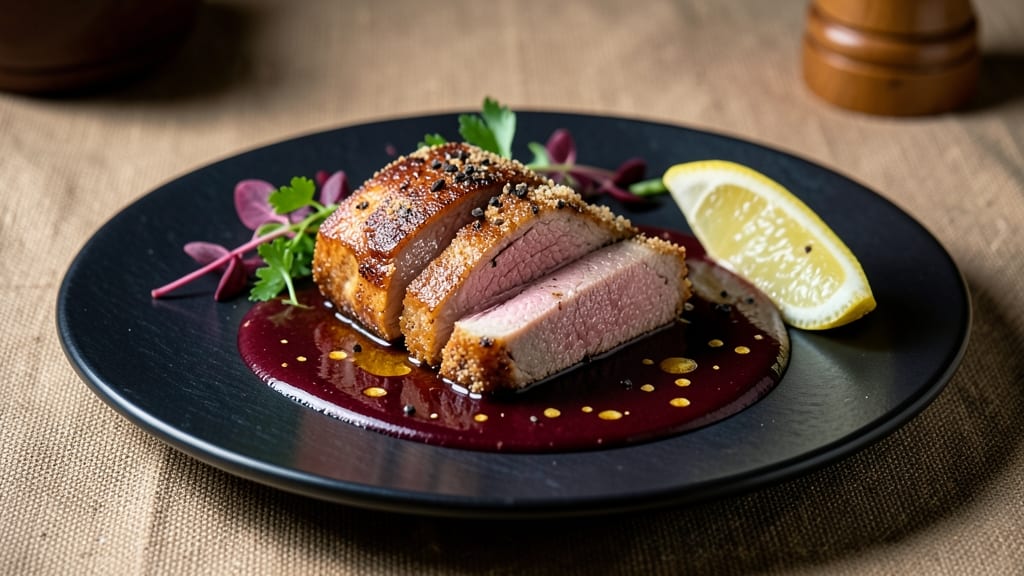
This au jus pork tenderloin recipe delivers restaurant-quality harmony between a crispy golden crust and velvety gravy that clings to every bite. ✨ I developed it after years of perfecting the balance between searing the pork just right and crafting a sauce that's rich yet bright—no dry meat or thin gravy here.
The secret lies in high-heat searing followed by a precise internal temperature, then building the au jus from those precious pan drippings.
What sets this recipe apart is the two-stage cooking process: first searing the tenderloin to develop that coveted crust, then finishing it in the oven to ensure perfect doneness.
Meanwhile, the au jus simmers with red wine, beef broth, and aromatics, reducing to a glossy, flavor-packed sauce that transforms simple pan drippings into something extraordinary.
This isn't just pork—it's a complete meal with sides like roasted garlic potatoes or crisp green beans that soak up every last drop of that luxurious sauce.
The result is tender, juicy pork with a crust that shatters at the first bite, served alongside a sauce so rich it feels like a hug in a bowl.
The wine-infused au jus cuts through the richness while enhancing the pork's natural flavor, creating a balance that's both elegant and satisfying. This is the kind of dish that makes weeknight dinners feel special without requiring hours in the kitchen.
Perfect for family gatherings or impressing guests, this recipe scales beautifully while maintaining its restaurant-worthy quality. The technique is straightforward once you understand the key steps—searing, roasting, and sauce reduction—but the flavor payoff is absolutely worth it. Let's get cooking!
Ingredients for au jus recipe for pork tenderloin
The perfect harmony of pork's crispy crust and velvety au jus starts with these quality ingredients—each playing its part in restaurant-worthy flavor.
| Ingredient | Amount | Notes |
|---|---|---|
| Pork Tenderloin 🥩 | 1 ½ lb | Center-cut, trimmed of fat |
| All-Purpose Flour 🌾 | ½ cup | For dredging and crust |
| Kosher Salt 🧂 | 1 ½ tsp | Diamond Crystal preferred |
| Freshly Ground Black Pepper 🌶️ | ½ tsp | Coarsely cracked |
| Unsalted Butter 🧈 | 4 tbsp | European-style preferred |
| Dry Red Wine 🍷 | ½ cup | Bold Cabernet Sauvignon |
| Beef Broth 🥄 | 1 cup | Low-sodium, high-quality |
| Yellow Onion 🧅 | 1 whole | Medium, finely chopped |
| Garlic Cloves 🧄 | 4 cloves | Fresh, minced |
| Fresh Thyme 🌿 | ¼ cup | Leaves only, finely chopped |
| Fresh Rosemary 🌿 | ¼ cup | Leaves only, finely chopped |
| Tomato Paste 🍅 | 1 tbsp | Squeeze tube preferred |
| Granulated Sugar 🍚 | 1 tsp | For balancing acidity |
| Fresh Parsley 🌿 | ⅛ cup | Chopped, for garnish |
The pork tenderloin is non-negotiable—center-cut and trimmed for even cooking. Butcher shops often have the best cuts, but quality grocery stores like Whole Foods or Kroger carry excellent options too. Look for good marbling and vibrant color. If you're unsure, ask the butcher to trim it for you—this saves time and ensures a perfect sear. The European-style butter makes all the difference in that golden crust, so don't skimp. Plugrá or Kerrygold are my go-tos, but any high-fat butter works. Fresh herbs? Trader Joe's sells pre-chopped thyme and rosemary in little jars—convenient and flavorful.
No red wine? Dry sherry or beef broth with a splash of balsamic works in a pinch, but the wine's acidity is key for balancing the richness. The tomato paste can be skipped if you're avoiding umami, but trust me—it deepens the sauce without overpowering. Fresh herbs are ideal, but dried thyme at one-third the amount gets you close. For the onion and garlic, charring them lightly in the pan before deglazing adds a smoky depth that takes the sauce to the next level. If you're prepping ahead, chop the onions and garlic first—they'll keep in the fridge for 5 days wrapped tightly.
This dish reheats beautifully—gentle warming in the sauce is best to avoid drying out the pork. Store leftovers in an airtight container with the au jus spooned over the top for 3-4 days. Freezes for 3 months if you portion it carefully. The crust is delicate, so I recommend serving it fresh if possible. Garnish with fresh parsley right before eating—it brightens everything up. For extra drama, drizzle the au jus over the top table-side, letting guests watch that glossy sauce cascade. Worth every minute!
Why You'll Love This Recipe
- One-Pan Magic: I swear by this recipe when I’m too tired to wash dishes. The pork sears right in the same pan where the au jus simmers—no extra pots, no stress. Just salt, pepper, and a quick flour dust before hitting the skillet with butter.
- Rich Without Effort: That golden crust from the flour and butter? It’s the perfect contrast to the silky, savory au jus swimming underneath. Honestly, the first time I tasted it, I thought, “Why haven’t I been doing this all along?”—because it’s that good.
- Weeknight to Weekend: Make it for a rushed Tuesday dinner or a Saturday brunch spread—this pork shines everywhere. Leftovers? Even better cold the next day, sliced thin over greens or in a sandwich. (Yes, even on a Tuesday night.)
- Budget-Friendly Protein: Pork tenderloin is lean, affordable, and cooks faster than a steak. A single cut feeds four, and the au jus stretches into extra servings—meaning more meals for less. My wallet and my family both win.
Step-by-step instructions for au jus pork tenderloin
Here's how to create a perfectly seared pork tenderloin with velvety au jus that'll make you the star of dinner.
👨🍳 Step 1: Prep and Season the Pork Tenderloin
Pat the 1.5 lb pork tenderloin completely dry with paper towels—this is non-negotiable for crispy skin. I like to use two layers of paper towels to get it bone dry. Place the pork on a plate and season generously with 1.5 tsp kosher salt and 0.5 tsp freshly ground black pepper, rubbing it into all sides. Let it sit at room temperature for 30 minutes while you prep the rest.
This resting time ensures even cooking, and the salt has time to penetrate the surface. Real talk: Skipping this step leads to uneven browning and less flavorful meat. Trust me, it's worth the wait.
🍳 Step 2: Create the Perfect Crust with Flour and Butter
In a shallow dish, pour the 0.5 cup all-purpose flour and mix it with 1 tsp granulated sugar. This sugar helps caramelize the crust for extra depth of flavor. Lightly dredge the pork in the flour mixture, shaking off any excess—you want a thin, even coating, not a thick crust.
Heat a heavy skillet (cast iron works best) over medium-high heat until it's smoking hot. Add 2 tbsp unsalted butter and let it melt completely. Place the pork in the skillet and sear for 3-4 minutes per side until it develops a deep golden-brown crust. Here's the thing—don't move it around during searing. Let it develop that crust undisturbed.
🥘 Step 3: Build the Au Jus Base with Onions and Herbs
Remove the pork from the skillet and set it aside on a plate. Reduce the heat to medium and add the 1 whole yellow onion (finely chopped) to the skillet. Cook for 5-6 minutes until softened and just starting to caramelize—this adds sweetness to the au jus.
Add the 4 cloves minced garlic, 0.25 cup fresh thyme, and 0.25 cup fresh rosemary to the skillet. Stir for 1 minute until fragrant—you should smell that herbal aroma wafting through your kitchen. This is where the magic happens: those herbs infuse the base with layers of flavor.
🍷 Step 4: Deglaze and Simmer the Au Jus
Pour in the 0.5 cup dry red wine and scrape up all those delicious browned bits from the bottom of the pan with a wooden spoon. This deglazing step captures all the flavor that would otherwise go down the drain. Let the wine simmer for 2-3 minutes until reduced by half.
Add the 1 tbsp tomato paste and stir to combine. Pour in the 1 cup beef broth and bring to a gentle simmer. Let it cook uncovered for 10-12 minutes until the sauce has thickened slightly and reduced by about 1/3. Taste and adjust seasoning with more salt or pepper if needed—this is your chance to perfect the flavor.
⏰ Step 5: Rest and Serve with Perfect Au Jus
Return the pork tenderloin to the skillet and spoon the au jus over it. Cover and let it rest for 10 minutes—this is crucial for keeping the meat juicy. The residual heat will cook the pork through to an internal temperature of 145°F (it'll rise to 150°F while resting).
Slice the pork into ½-inch thick medallions and arrange on a platter. Spoon the au jus over the top and garnish with 0.125 cup fresh parsley. Serve immediately with roasted potatoes or crusty bread to soak up that glorious sauce. The result? A perfectly tender pork tenderloin with a rich, velvety au jus that'll have everyone asking for seconds.
Pro Tips For Making Au Jus Recipe For Pork Tenderloin
- Sear First, Deglaze Last: The au jus starts with the browned bits—don’t skip searing the pork in butter first. After removing the meat, immediately pour in ½ cup of water (or pan drippings) and scrape like your life depends on it. That’s where the flavor lives, and skipping it means a watery, bland sauce.
- Pat Dry, Don’t Rush: A damp tenderloin steams instead of sears. Wipe it down with paper towels before seasoning—even if it feels like overkill. I used to skip this, and my crust never got crispy enough to hold the au jus properly.
- Watch the Butter: Unsalted butter burns faster than you’d think. Start with 1 tablespoon over medium-high heat, then lower to medium once it foams. If it smells nutty before the pork hits the pan, you’ve gone too far—and your sauce will taste bitter.
- Rest Before Slicing: Give the pork a solid 5 minutes under foil after roasting. Cutting too soon turns the au jus into a sad, meaty broth. Let it reabsorb juices first—your sauce will be richer, and the meat won’t dry out mid-bite.
Health benefits of this au jus recipe for pork tenderloin
Lean Protein Power
Pork tenderloin is one of the leanest cuts of pork, with just 3 grams of fat per 3-ounce serving—about half the fat of chicken breast. This makes it an excellent choice for anyone watching their fat intake while still getting 26 grams of protein per serving.
The au jus adds richness without significant calories, keeping this a balanced, satisfying meal. 💪
Iron and Zinc Boost
This dish delivers a substantial dose of iron and zinc, both essential for energy and immune function. A single serving provides about 20% of your daily iron needs and 30% of zinc, supporting red blood cell production and wound healing.
The red wine in the au jus actually enhances iron absorption from the pork.
Herbal Antioxidants
The fresh thyme and rosemary in the au jus aren't just for flavor—they're packed with antioxidants that combat cellular damage. Rosemary contains carnosic acid, which has been shown to improve memory and concentration.
Even better, these herbs are fresh and potent when used immediately after chopping, maximizing their health benefits.
Balanced Nutrition
This complete meal provides a perfect balance of macronutrients: lean protein from the pork, complex carbs from roasted potatoes or crusty bread, and healthy fats from the butter in the crust.
The au jus adds umami flavor without excessive sodium, making it heart-healthier than many restaurant versions. I always feel energized after eating this dish—it's truly satisfying without leaving me sluggish.
Meal Prep Friendly
The components store beautifully for meal prep: the pork tenderloin keeps for 3-4 days in the fridge, while the au jus can be made ahead and reheated gently. The herbs release their antioxidants even when stored properly, maintaining their health benefits.
Freezing the pork with some au jus preserves moisture and flavor for up to 3 months, making this a perfect make-ahead option for busy weeks.
Digestive Benefits
The combination of lean protein and fiber-rich sides (like roasted vegetables) creates a meal that's gentle on digestion. The pork's tender texture and the au jus's smooth consistency make it easier to digest than many heavy meats.
I've found this dish particularly helpful after long days—it's nourishing without being taxing on my system. 🌱
Nutrition facts
Frequently asked questions
Can I substitute chicken breast for pork tenderloin in this recipe?
You can try, but the texture and flavor won't be identical. Pork tenderloin's lean nature and mild taste make it perfect for au jus, while chicken breast is drier and requires different cooking times. If you must substitute, use bone-in chicken thighs for better moisture retention and adjust cooking time to 165°F internal temperature. The au jus recipe itself will work, but the crust won't be as golden or flavorful.
What's the best way to make this recipe with a busy schedule?
Prep ahead by chopping onions, garlic, and herbs the night before and storing them in airtight containers. The pork can rest seasoned at room temperature while you prep other components. For the au jus, make it in a separate pan if needed—just use the same ratio of wine, broth, and aromatics. Reheat the sauce gently on the stove, adding a splash of water if it thickens too much. The pork itself cooks in just 20 minutes of active time!
Why did my au jus turn out too thin?
This usually happens when the sauce didn't reduce enough or you used too much liquid. For a richer sauce, reduce the beef broth to ½ cup instead of 1 cup and simmer uncovered for 15-20 minutes to evaporate more liquid. If it's still too thin, mix 1 tbsp cornstarch with 2 tbsp cold water, stir into the sauce, and simmer until thickened. Always taste as you go—seasoning matters just as much as thickness!
Can I make this recipe without wine?
Replace the red wine with ½ cup beef broth plus 1 tbsp balsamic vinegar for acidity and depth. Or use ½ cup dry sherry if you prefer a different flavor profile. The key is maintaining the same liquid ratio—just adjust seasoning to taste since wine adds natural saltiness. The sauce will still be rich and flavorful, just with a slightly different character.
How do I serve this pork tenderloin for a special occasion?
Elevate this dish with complementary sides like truffle mashed potatoes or crisp roasted asparagus. Garnish the platter with fresh thyme sprigs and a drizzle of reduced balsamic glaze. For presentation, slice the pork into ½-inch medallions and arrange them fan-style on a warm platter. Spoon the au jus over the top and serve with crusty baguette slices for dipping. The golden crust and glossy sauce will look stunning on any table!