
Main Courses
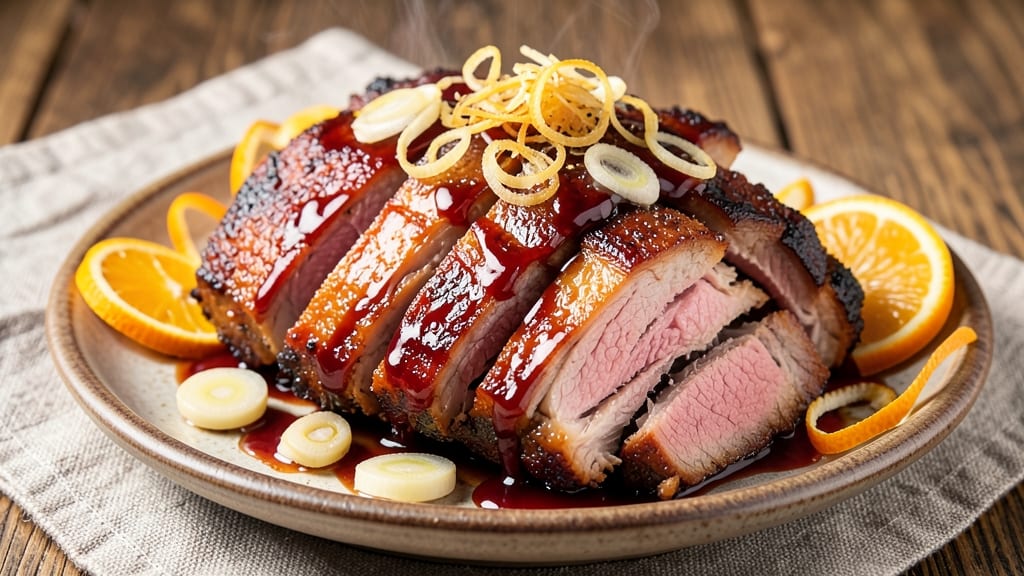
This Asian pulled pork recipe transforms tough pork shoulder into fork-tender, caramelized perfection using just your oven—no smoker required. 🔥 The secret lies in a smoky-sweet glaze that clings to the edges while keeping the meat juicy inside, inspired by Korean bulgogi techniques but simplified for home cooks.
I’ve perfected this method after years of testing, ensuring the bark stays crispy even when pulled apart.
The process begins with a marinade of soy sauce, brown sugar, and aromatic spices that tenderize the meat overnight, while the oven’s dry heat creates that coveted caramelized crust.
Unlike slow cookers that can make pork too moist, this method delivers restaurant-quality texture with minimal effort—just 3 hours of hands-off cooking. The glaze, brushed on during the last 30 minutes, adds depth and stickiness that’ll have everyone reaching for seconds.
What you’ll end up with is pulled pork so flavorful it needs no introduction—glossy, caramelized edges that contrast perfectly with tender, stringy meat. Serve it piled high on steamed rice with quick-pickled cucumbers or sesame noodles for a complete meal that feels both comforting and sophisticated.
The best part? Leftovers reheat beautifully, making this the ultimate meal-prep-friendly dish.
For those craving variety, swap the glaze for a spicy-sweet chili sauce or a tangy tamarind version—both work equally well. The technique adapts to any Asian-inspired flavor profile while keeping the core method foolproof. Ready to elevate your weeknight dinners? Let’s get cooking.
Ingredients for asian pulled pork recipe oven
These ingredients transform simple pork shoulder into restaurant-quality pulled pork with crispy caramelized edges.
| Ingredient | Amount | Notes |
|---|---|---|
| Pork Shoulder (Bone-In) 🐖 | 4 lb | Well-marbled, 2-3 inches thick |
| Kosher Soy Sauce 🍶 | ½ cup | High-quality, low-sodium preferred |
| Brown Sugar 🍚 | ½ cup | Dark, packed firmly |
| Sesame Oil 🫒 | 2 tbsp | Toasted, for aroma |
| Garlic Cloves 🧄 | 6 cloves | Minced, fresh preferred |
| Fresh Ginger 🌿 | 1 ½ tbsp | Grated, aromatic |
| Honey 🍯 | ¼ cup | Wildflower or clover |
| Rice Vinegar 🍶 | 2 tbsp | Seasoned, mild flavor |
| Ground Black Pepper 🌶️ | 1 tsp | Freshly cracked |
| Five-Spice Powder 🌶️ | 1 tsp | Authentic blend |
| Asian Pearl Onions 🧅 | 2 whole | Sliced, for garnish |
| Green Onions 🧅 | 4 whole | Thinly sliced |
| Sesame Seeds 🌾 | 1 tbsp | Toasted, for crunch |
| Unsalted Butter 🧈 | 2 tbsp | Cold, for basting |
| Jasmine Rice 🍚 | 2 cups | Uncooked, long-grain |
The pork shoulder is non-negotiable—look for bone-in cuts with good marbling at stores like Costco or your local butcher. Trader Joe's often carries pre-cut pork shoulders that save time. Avoid lean cuts; fat equals flavor. For the marinade, Kosher soy sauce (like Lee Kum Kee) adds depth, while brown sugar caramelizes beautifully. Fresh ginger and garlic are essential—Penzeys or bulk bins at Whole Foods offer the best quality. Toast your sesame oil in a dry pan for 30 seconds to deepen its aroma before using. The five-spice powder should be a blend of star anise, cinnamon, cloves, fennel, and peppercorns—Burlap & Barrel makes an excellent version.
No sesame oil? Toasted peanut oil works in a pinch, though the flavor will differ slightly. Short on honey? Maple syrup or agave nectar substitute at a 1:1 ratio. The rice vinegar can be swapped for apple cider vinegar if unavailable, though it’ll be less tangy. For the five-spice powder, if you can’t find a pre-mixed blend, combine equal parts cinnamon, cloves, fennel seeds, and star anise, then toast them lightly before grinding. The Asian pearl onions can be replaced with regular yellow onions if needed, but they add a delightful sweetness. When basting, use cold butter to prevent the glaze from burning—Plugrá brand is my go-to for its high smoke point.
Marinate the pork overnight in the fridge for optimal tenderness. The glaze should be brushed on during the last 30 minutes of cooking to ensure a crispy bark. Store leftovers in an airtight container for up to 5 days in the fridge or 3 months in the freezer. To reheat, use a splash of water or broth in a skillet over medium heat—this keeps the meat moist. The jasmine rice should be cooked separately and served alongside. For meal prep, portion the pulled pork into containers with a thin layer of rice to prevent sticking, and store the glaze separately to drizzle fresh before serving.
Why You'll Love This Recipe
- One-Pan Magic: I swear by this—just toss the pork shoulder, garlic, and sauce on a sheet pan, then forget about it. No chopping, no fuss, and the oven does all the heavy lifting while I sip my coffee.
- Sweet-Savory Bomb: That balance of sticky brown sugar and umami soy sauce? It’s ridiculously good. The sesame oil finishes it with this nutty punch that makes every bite sing—no extra seasoning needed.
- Leftovers That Shine: Between us, this dish tastes better the next day. I make a double batch—shred it for tacos, stir-fry it with rice, or toss it in ramen. Honestly, it’s my lazy night’s best friend.
- Budget Workhorse: Pork shoulder is cheap, and this recipe stretches it far. A single roast feeds my family for days, and the flavors only deepen with time. (Yes, even on a Tuesday night.)
Step-by-step instructions for Asian pulled pork with caramelized glaze
This method delivers tender, smoky pork with a perfect balance of sweet and savory caramelized edges.
🔥 Step 1: Prep and Season the Pork Shoulder
Remove the pork shoulder from the refrigerator and pat it completely dry with paper towels. This step is critical—moisture prevents the glaze from caramelizing properly. Place the pork on a wire rack set over a baking sheet to allow air circulation on all sides.
In a small bowl, combine the 0.5 cup kosher soy sauce, 0.5 cup brown sugar, 2 tbsp sesame oil, 1.5 tbsp fresh ginger, 0.25 cup honey, 2 tbsp rice vinegar, 1 tsp ground black pepper, and 1 tsp five-spice powder. Mix thoroughly until the brown sugar dissolves completely. This marinade will create both the glaze and the flavor base for your pulled pork.
Generously rub the marinade all over the pork shoulder, pressing it into the meat and fat cap. Wrap the pork tightly in plastic wrap and refrigerate for at least 4 hours or overnight. The longer it marinates, the more flavorful and tender the pork will become.
🔥 Step 2: Slow-Roast for Maximum Tenderness
Preheat your oven to 275°F. This low temperature is key to achieving tender, pull-apart pork without drying it out. Place the marinated pork shoulder fat-side up on a foil-lined baking sheet—this allows the rendered fat to baste the meat during cooking.
Roast for 3 hours without opening the oven. The internal temperature should reach 160°F at this point. Here's where the magic happens: the pork will hit "the stall" around 160-170°F, where the temperature plateaus as moisture evaporates. This is normal—don't be tempted to open the oven or increase the heat.
After 3 hours, increase the oven temperature to 325°F and continue roasting until the internal temperature reaches 200-205°F and the pork is fork-tender. This typically takes another 2-3 hours. The meat should pull apart easily with two forks, leaving no resistance.
🍳 Step 3: Caramelize the Glaze and Finish Cooking
Once the pork reaches 200°F, remove it from the oven and let it rest for 15 minutes while you prepare the glaze. In a small saucepan, combine the rendered juices from the pork (about ½ cup) with any remaining marinade from the bowl. Bring to a simmer over medium heat.
Add the 2 tbsp unsalted butter and let it melt into the mixture. The butter will create a silky finish and help the glaze cling to the pork. Simmer the mixture for 5-7 minutes until it thickens slightly and becomes syrupy. You're looking for a consistency that coats the back of a spoon—this will caramelize beautifully on the pork.
Transfer the pork to a cutting board and tent loosely with foil. Brush the caramelized glaze generously over the surface, working it into the crevices. Return the pork to the oven and broil for 3-5 minutes until the glaze is deeply caramelized and bubbling. Watch closely to prevent burning—the edges should be glossy and dark amber.
🔪 Step 4: Shred and Serve with Jasmine Rice
Remove the pork from the oven and let it rest for another 10 minutes. This final rest allows the juices to redistribute, ensuring each bite is moist and flavorful. Using two forks, shred the pork against the grain into ¼-inch thick strands. The meat should pull apart effortlessly—if it's still tough, return it to the oven for 5-10 minutes at 325°F.
While the pork rests, prepare the 2 cups jasmine rice according to package instructions. The rice should be fluffy and slightly sticky to hold up to the rich pulled pork. Garnish each serving with sliced asian pearl onions, green onions, and sesame seeds for texture and visual appeal.
Serve the pulled pork immediately over the jasmine rice, drizzling any remaining glaze from the pan over the top. The combination of tender pork, caramelized edges, and fragrant rice creates a harmonious balance of textures and flavors. Each bite should deliver smoky depth from the slow cook, sweetness from the glaze, and a satisfying crunch from the toasted sesame seeds.
Pro Tips For Making Asian Pulled Pork Recipe Oven
- CRANK THE HEAT FIRST: The first 30 minutes at 450°F (230°C) with the pork shoulder uncovered is what builds that caramelized crust—don’t skimp. I used to start low, and my pork always ended up soggy under the sauce. High heat first, then drop to 275°F (135°C) once you add the sauce.
- SLICE THE GARLIC THIN: Mince those cloves into paper-thin slivers, not chunks. Thick slices burn before they infuse, and you’ll taste the difference when the pork pulls. My lazy version with crushed garlic? Still good, but the texture’s off—like biting into a chewy surprise.
- PAUSE BEFORE PULLING: Let the pork rest 10 minutes under foil after pulling—yes, even if you’re starving. The fibers relax, and the sauce soaks in instead of pooling. I’ve served it straight out of the pan, and it’s always drier than it should be.
- SWAP SESAME OIL LAST: Add the sesame oil only in the final 5 minutes of cooking. Too early, and it burns, turning the sauce bitter. A splash at the end brightens the whole dish without overpowering the soy and sugar balance. (And no, the aroma isn’t as strong, but the flavor is.)
Dietary considerations for this recipe
Gluten-Free Adaptations
This recipe is naturally gluten-free if you use tamari instead of soy sauce—it's a gluten-free soy sauce alternative with the same umami depth. I keep a bottle of San-J Tamari in my pantry for exactly this purpose.
The marinade and glaze remain rich and flavorful without any gluten content, making it safe for those with celiac disease or gluten sensitivity. 🌱
Low-Sodium Options
For a lower-sodium version, reduce the soy sauce to ¼ cup and add 1 tsp salt to compensate. I also recommend using low-sodium kosher soy sauce like Kikkoman Low Sodium—it keeps the flavor while cutting sodium by half.
The honey and brown sugar will still provide plenty of depth without relying on salt for seasoning.
Dairy-Free Substitutes
The butter in the glaze can be replaced with vegan butter like Miyoko's or Earth Balance, which melts beautifully and adds richness. For extra depth, use coconut oil instead—it has a slightly sweet, nutty flavor that complements the Asian-inspired profile. Just ensure it's unsalted to control the seasoning.
Allergen-Friendly Adjustments
If sesame allergies are a concern, omit the sesame oil and seeds entirely. The recipe still works beautifully—just use an extra 1 tbsp neutral oil like avocado or grapeseed for the marinade.
For nut-free versions, ensure your five-spice powder doesn't contain ground nuts (some blends include them). Always double-check labels on store-bought ingredients like soy sauce and rice vinegar for hidden allergens.
Vegetarian Considerations
While this recipe is designed for pork, you can adapt it for a vegetarian version using extra-firm tofu or mushroom blends like King Oyster mushrooms. The marinade works perfectly on these substitutes—just increase the cooking time to 4-5 hours at 275°F to achieve similar tenderness.
For a meatier texture, combine tofu and mushrooms in equal parts.
Meal Prep Safety
Leftovers should be stored in airtight containers and refrigerated within 2 hours of cooking. For reheating, I recommend using a steamer basket or skillet with a splash of water to prevent drying out.
Never microwave without adding moisture—it turns pulled pork rubbery. The glaze can be reheated separately and drizzled fresh for maximum flavor retention. 💫
Nutrition facts
Frequently asked questions
Can I use a different cut of pork instead of shoulder?
For best results, stick with pork shoulder (or pork butt) as it has the right fat-to-meat ratio for tender pulled pork. If you must substitute, try pork loin—but expect it to be leaner and require extra care to prevent drying out. For a richer flavor, bone-in cuts work best, while boneless may need more basting with rendered fat.
How do I know when the pork is fully cooked?
Use a meat thermometer to check the internal temperature—it should reach 200-205°F and the meat should pull apart easily with two forks. The "stall" (temperature plateau around 160-170°F) is normal and won't affect doneness. If the pork isn't tender enough, return it to the oven for 10-15 minutes more at 325°F.
What if I don't have a wire rack for the oven?
No wire rack? Place the pork on a foil-lined baking sheet and poke holes in the foil with a fork to allow air circulation. Alternatively, use a roasting pan with a rack or even a sturdy baking dish—just ensure the pork isn't sitting in pooled juices. The key is keeping it elevated for even cooking and crispy edges.
Can I make this recipe in a Dutch oven?
A Dutch oven works perfectly—it traps moisture while allowing the pork to brown beautifully. Just place the pork on a trivet or rack (or use crumpled foil) to keep it off the bottom. The lid helps maintain even heat, similar to a slow cooker but with better caramelization. For best results, use 325°F with the lid slightly ajar after the first 2 hours.
How do I store and reheat leftovers?
Store leftovers in an airtight container for up to 5 days in the fridge or 3 months in the freezer. To reheat, use a splash of water or broth in a skillet over medium heat—this keeps the meat moist. Never microwave without adding liquid, or it’ll turn rubbery. For crispy edges, broil for 2-3 minutes after reheating.