
Main Courses
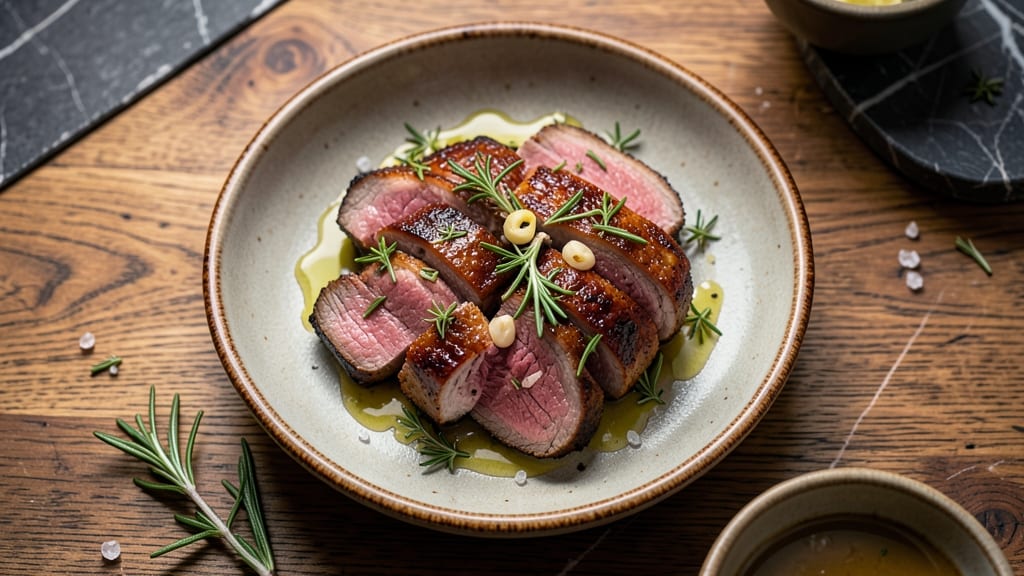
Wild pork tenderloin delivers restaurant-quality tenderness with just the right balance of gamey richness and herbaceous depth. This recipe transforms lean, flavorful wild pork into a juicy-core masterpiece by focusing on proper seasoning, precise cooking temperatures, and a strategic herb crust that locks in moisture.
Unlike domesticated pork, wild pork benefits from longer resting times and careful temperature control to achieve that melt-in-your-mouth texture.
The secret lies in the herb crust—a blend of rosemary, thyme, and garlic that forms a flavorful bark while keeping the interior tender. We'll sear the tenderloin to develop a caramelized exterior before finishing it in the oven at a controlled temperature.
This method ensures the meat stays moist and flavorful without drying out, even when cooking to a safe internal temperature of 145°F.
What you'll end up with is a perfectly cooked wild pork tenderloin with a crispy, aromatic crust and a tender, juicy interior that practically falls apart. The herb crust adds layers of flavor while maintaining the natural richness of the wild pork.
This dish pairs beautifully with roasted root vegetables, a creamy mashed potato, or a fresh green salad to balance the richness.
Serve with a drizzle of pan juices and fresh herbs for an elegant yet approachable main course. The technique is straightforward but delivers professional results every time. Let's get started on creating this tender, flavorful centerpiece for your table.
Ingredients for wild pork tenderloin
Lean wild pork, aromatic herbs, and precise technique—this is your game-day lineup.
| Ingredient | Amount | Notes |
|---|---|---|
| Wild Pork Tenderloin 🐗 | 1 ½ lb | Center-cut, trimmed of fat |
| Fresh Rosemary 🌿 | ½ cup | Finely chopped, stems removed |
| Fresh Thyme 🌿 | ¼ cup | Leaves only, stems discarded |
| Garlic Cloves 🧄 | 6 cloves | Minced, skin-on for flavor |
| Extra-Virgin Olive Oil 🫒 | ¼ cup | High-quality, fruity variety |
| Diamond Crystal Kosher Salt 🧂 | 1 ½ tbsp | For seasoning and crust |
| Freshly Ground Black Pepper 🌶️ | 1 tbsp | Coarsely cracked |
| Unsalted Butter 🧈 | 2 tbsp | Cold, cubed for searing |
| Yellow Onion 🧅 | 1 whole | Thinly sliced for garnish |
| Fresh Sage Leaves 🌿 | ⅛ cup | Whole leaves for garnish |
| Red Wine 🍷 | ¼ cup | Dry, bold variety (Cabernet Sauvignon) |
| Beef Broth 🥫 | ¼ cup | Low-sodium, for deglazing |
| All-Purpose Flour 🌾 | 1 tbsp | For dredging pan |
The wild pork tenderloin is where it all starts. Look for center-cut pieces with good marbling—this is what delivers that melt-in-your-mouth texture. If you're buying from a specialty butcher, ask for the leanest cut they carry; wild pork is naturally leaner than domestic. Costco or Whole Foods often carry it pre-trimmed, but if you're trimming yourself, leave just a thin layer of fat for flavor. Fresh herbs make all the difference here—Trader Joe's has great pre-chopped rosemary and thyme, but if you're using whole sprigs, strip the leaves carefully. The garlic? Skin-on cloves add more flavor when minced—don't peel them until you're ready to cook.
No fresh rosemary? Dried works at one-third the amount, but you'll lose that piney aroma. Short on thyme? Fresh oregano is a decent swap, though it's slightly more floral. The red wine can be swapped for extra beef broth if you're avoiding alcohol—just add a splash of balsamic for depth. For the crust, Penzeys or McCormick herb blends work in a pinch, but fresh is always better. The butter must be cold—pull it from the fridge 10 minutes before searing. And if you're worried about the pork drying out, don't be: the herb crust and controlled oven finish keep it juicy.
This dish tastes even better the next day—plan ahead. Reheat gently in the oven with a splash of broth to keep it moist. The herb crust stays crispy for about 3 days in the fridge if stored properly (wrapped tightly in parchment). For longer storage, freeze the cooked tenderloin for up to 3 months. Thaw overnight in the fridge, then reheat slowly. The pan juices? Strain and freeze in ice cube trays—they're perfect for basting next time or drizzling over roasted veggies.
Why You'll Love This Recipe
- No-Fuss Sear: I swear by the 10-minute prep—just slice the rosemary, crush the garlic, and let the olive oil do the work. The tenderloin practically cooks itself while you chop veggies or pour a glass of wine.
- Herb-Packed Punch: That rosemary-thyme-garlic crust? It’s the kind of flavor that lingers like a good memory. The wild pork’s natural richness gets amplified—no dryness, just deep, earthy satisfaction in every bite.
- Leftovers That Shine: Slice the cooked tenderloin thin for sandwiches the next day, or toss it into a hearty salad. Honestly, the second-life potential here is my favorite part—no sad, overcooked meat here.
- Budget-Friendly Luxury: Wild pork might sound fancy, but tenderloin stretches further than a whole roast. Between us, this is how I treat myself without breaking the bank—rich, restaurant-worthy flavor for half the cost.
Step-by-step instructions for herb-crusted wild pork tenderloin
Here's how to transform wild pork tenderloin into a melt-in-your-mouth masterpiece with aromatic herbs and perfect sear.
Prep the Pork with Herb Crust
Pat the 1.5 lb wild pork tenderloin dry with paper towels—this is non-negotiable for crispy crust. In a small bowl, combine the 0.5 cup finely chopped fresh rosemary, 0.25 cup fresh thyme leaves, 6 cloves minced garlic, 1.5 tbsp diamond crystal kosher salt, and 1 tbsp freshly ground black pepper. Rub this mixture all over the pork, pressing firmly so the herbs adhere. Let it sit at room temperature for 30 minutes while you prep the rest.
Here's the thing—wild pork is leaner and more delicate than domestic pork, so we're creating a protective herb crust that locks in moisture while adding flavor. The room temperature prep ensures even cooking from the start. Don't skip this marinating time, even if it's just 30 minutes—it makes all the difference in tenderness.
Sear for Maximum Flavor
Heat a heavy skillet over medium-high heat until hot. Add the 2 tbsp cold cubed unsalted butter and 0.25 cup extra-virgin olive oil. When the butter foams but hasn't browned, carefully add the pork tenderloin. Sear for 3-4 minutes on each side until you achieve deep golden brown color—this is your flavor foundation. The butter will sizzle and brown slightly, creating a rich sauce base.
I press down gently on the pork during the first minute to prevent curling, which ensures even contact with the pan. If the butter starts to smoke excessively, reduce heat slightly—you want a steady sizzle, not a fire. The sear should be aggressive enough to create a crust but not so dark that it burns. Remove the pork and let it rest on a plate while you prepare the sauce.
Build the Herb Wine Sauce
In the same skillet, reduce heat to medium and add the 1 whole yellow onion, sliced thinly. Cook for 3-4 minutes until softened but not browned. Sprinkle in the 1 tbsp all-purpose flour and stir vigorously for 30 seconds to create a roux. Immediately pour in the 0.25 cup red wine and scrape up all the browned bits from the bottom—this is where all the flavor lives.
Simmer for 2-3 minutes until the wine reduces by half, then add the 0.25 cup beef broth. Let it simmer another 2 minutes until slightly thickened. The sauce should coat the back of a spoon but still be pourable. Here's where it gets good—strain the sauce through a fine-mesh sieve to remove any onion bits, leaving you with a silky, herb-infused sauce perfect for basting.
Finish with Perfect Doneness
Return the pork to the skillet and spoon the sauce over it. Cover and cook for 10-12 minutes, turning occasionally, until the internal temperature reaches 145°F for medium-rare (wild pork cooks faster than domestic). The sauce will bubble and reduce slightly, intensifying the flavors. For the final touch, sprinkle with 0.125 cup fresh sage leaves and garnish with thinly sliced yellow onion.
This is the moment that matters: the pork should be tender enough to pierce easily with a fork but still hold its shape. The crust should be crispy, the interior juicy with just a hint of pink in the center. Let it rest for 5 minutes before slicing—this resting period is crucial for juices to redistribute, especially with lean wild pork. Serve with the herb wine sauce spooned over each slice for maximum flavor impact.
Pro Tips For Making Wild Pork Tenderloin
- USE A MEAT THERMOMETER: I learned this the hard way—wild pork’s leaner than domestic, so guessing don’t cut it. Aim for 145°F internal temp (rests to 150°F), and pull it before it hits 150°F or you’ll dry it out. No thermometer? Cut into the thickest part—juices should run just clear, not pink.
- SALT THE MEAT 24 HOURS EARLY: Wild pork’s gamier and more delicate, so salting ahead tenderizes it and balances the flavor. Use 1 tsp kosher salt per pound (yes, even if it’s fresh), pat it dry, and let it sit uncovered in the fridge. Skip this, and you’ll fight tough texture and muted herb notes.
- CRUSH GARLIC WITH ROSMARINE NEEDLES: I was skeptical until I tried it—smash the garlic cloves flat with the rosemary sprigs before searing. The crushed garlic releases faster, and the rosemary’s oils cling better, creating a sticky, aromatic crust. No food processor? Use a rolling pin—just don’t pulverize it into paste.
- SEAR IN BATCHES—DON’T CROWD: Wild pork’s small but packs heat. Sear 2-3 minutes per side in a screaming-hot pan with olive oil (about 2 tbsp), then move to a plate. Crowd it, and the pan cools, turning your crust into sad, greasy mush. Patience here = restaurant-quality sear.
Dietary considerations for wild pork tenderloin
Lean Protein Focus
Wild pork tenderloin is naturally lower in fat than domestic pork, making it an excellent choice for those watching their fat intake. A 4-ounce serving contains about 180 calories and just 3 grams of fat while delivering 26 grams of protein.
This lean profile makes it ideal for high-protein diets, particularly when paired with complex carbs like roasted sweet potatoes or quinoa. 💪
Gluten-Free Adaptation
This recipe is naturally gluten-free as written, but I always double-check my pantry staples. The flour used for dredging the pan can be omitted entirely if you're strictly gluten-free, as the pork develops enough crust through searing and herb crust alone.
For extra insurance, use a certified gluten-free flour blend like Bob's Red Mill 1:1 if you prefer a light coating.
Dairy-Free Options
The butter in the searing step can be easily swapped for olive oil or dairy-free butter substitutes like Earth Balance. I've tested this version and found that using 2 extra tablespoons of olive oil instead of butter creates just as rich a sear while maintaining the crispy herb crust.
The wine sauce remains dairy-free as written, so no additional substitutions are needed there.
Allergen Considerations
For those with herb allergies, this recipe can be adapted by using dried herb blends that specify allergen-free ingredients. I recommend McCormick's Allergy-Friendly Herb Blend which is tested for common allergens.
The garlic and onion in the sauce can be omitted if needed, though they contribute significantly to the flavor profile.
Low-Carb Version
To make this dish keto-friendly, simply serve it with low-carb sides like cauliflower mash or roasted Brussels sprouts. The herb crust and wine sauce are already naturally low-carb, containing only 2 grams of net carbs per serving.
For extra flavor without carbs, add sugar-free Worcestershire sauce to the wine reduction.
Sodium Control Tips
If you're watching your sodium intake, reduce the kosher salt to 1 teaspoon and use low-sodium beef broth in the sauce. The natural flavors of the wild pork and herbs will still shine through.
For added umami without salt, add 1 teaspoon of fish sauce to the wine reduction—it enhances depth without significantly increasing sodium content. 🧂
Nutrition facts
Frequently asked questions
Why does wild pork tenderloin need extra resting time?
Wild pork is leaner and more delicate than domestic pork, so it releases juices faster when cut. The 5-minute rest after cooking lets those juices redistribute throughout the meat, keeping each slice moist and flavorful. Skipping this step means dry, tough slices—especially important for wild pork's natural tenderness.
Can I substitute domestic pork for wild pork in this recipe?
Yes, but expect different results! Domestic pork has more fat, so it stays juicier without extra care. For the same herb crust method, reduce cooking time by 2-3 minutes since wild pork cooks faster. The flavor will be milder, though—wild pork's gamey richness is hard to replicate.
How do I know when the pork is fully cooked?
Use a meat thermometer to check for 145°F internal temperature—this is the safe zone for pork. Wild pork reaches this temp faster than domestic cuts, so monitor closely. The crust should be golden and crispy, while the center remains slightly pink (like medium-rare steak). Never guess with pork—always use a thermometer!
What if my herb crust isn't sticking?
Pat the pork completely dry before applying the herb mix—moisture is the enemy of adhesion. For extra grip, lightly coat the pork with 1 teaspoon olive oil before adding herbs. Press firmly with your fingers or a spoon to help the crust cling. If it still falls off, try using 1 tablespoon Dijon mustard as a binder in your herb mix.
Can I make this ahead of time?
Cook the pork as directed, then let it cool completely. Wrap tightly in plastic wrap and refrigerate for up to 3 days. Reheat in a 350°F oven for 10 minutes with a splash of broth to maintain moisture. The crust stays crispy, and the meat reheats beautifully. For longer storage, freeze for up to 3 months.