
Side Dishes
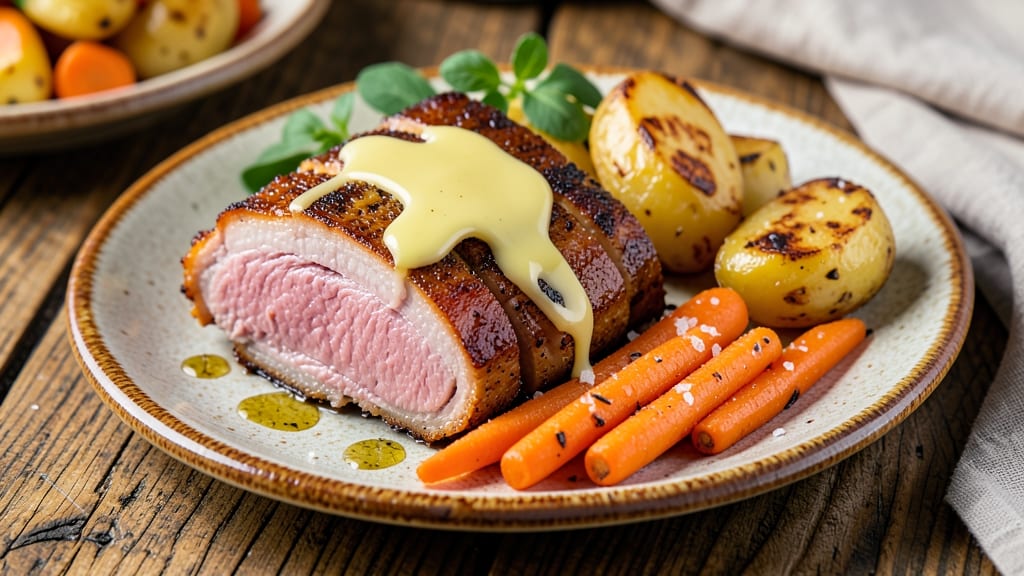
A perfectly cooked pork tenderloin with crispy edges and tender meat pairs beautifully with carrots and potatoes in this one-pan roast. I developed this recipe after years of testing—balancing juicy protein with perfectly caramelized vegetables is the secret to a stress-free weeknight dinner.
The high-heat sear locks in flavor while the oven finish ensures everything cooks evenly, delivering restaurant-quality results without the fuss.
This method transforms simple ingredients into a cohesive meal: the pork stays juicy thanks to a quick sear and proper resting time, while the carrots and potatoes develop golden-brown edges and tender interiors from the same oven.
No chopping boards to clean—just one pan, minimal prep, and a dish that feels like a home-cooked masterpiece. The key is timing the vegetables to finish just as the pork reaches 145°F, ensuring everything comes together at the same moment.
What you’ll end up with is a plate that’s equal parts elegant and satisfying: a slice of perfectly cooked pork with crispy edges and juicy centers, paired with carrots that caramelize into sweet, tender bites and potatoes that fluff up just enough to soak up the pan juices.
The aromas alone—savory pork, sweet carrots, and buttery potatoes—will have everyone at the table asking for seconds. This is the kind of recipe that makes weeknight cooking feel special.
Whether you’re feeding a family or treating yourself to a solo dinner, this one-pan roast delivers a complete meal with minimal effort. The technique is foolproof, and the results are always impressive. Let’s get started—your table is waiting.
Ingredients for pork tenderloin recipe with carrots and potatoes
Simple, high-impact ingredients create restaurant-quality pork with caramelized vegetables in one pan.
| Ingredient | Amount | Notes |
|---|---|---|
| Pork Tenderloin 🥩 | 1 ½ lb | Trimmed of silver skin, even thickness |
| Baby Carrots 🥕 | 1 ½ lb | Whole, no peeling needed |
| Yukon Gold Potatoes 🥔 | 1 ½ lb | Cut into 1-inch chunks, skin on |
| Extra-Virgin Olive Oil 🫒 | ½ cup | High-quality, fruity variety |
| Unsalted Butter 🧈 | 2 tbsp | Cold, cut into small cubes |
| Kosher Salt 🧂 | 1 ½ tsp | Diamond Crystal preferred |
| Freshly Ground Black Pepper 🌶️ | 1 tsp | Coarsely ground |
| Fresh Thyme Leaves 🌿 | ¼ cup | Stems removed, finely chopped |
| Garlic Cloves 🧄 | 4 cloves | Minced, not powdered |
| Fresh Rosemary 🌿 | ⅛ cup | Needles finely chopped |
| Balsamic Vinegar 🍷 | 1 tbsp | Aged, for finishing |
The pork tenderloin is the star here—look for a piece with even thickness (about 1.5 inches) to ensure consistent cooking. Whole Foods or your local butcher often carry the best quality, but any reputable grocery store will have it. Trim the silver skin before cooking for cleaner slices, and pat it dry with paper towels to get that perfect sear. The Yukon Gold potatoes are non-negotiable for their buttery texture, while baby carrots stay intact and caramelize beautifully without peeling. Fresh herbs make all the difference: Trader Joe's sells pre-chopped thyme and rosemary, but whole sprigs are even better if you have time to snip them yourself.
No fresh thyme? Dried works at one-third the amount, but the flavor won't be as bright. Short on rosemary? Fresh sage or marjoram can step in, though the earthy pine note is hard to replace. Substituting olive oil for butter? Use avocado oil instead—it has a higher smoke point for searing. The balsamic vinegar is purely for finishing; if you're out, a splash of apple cider vinegar will do. For the potatoes, red potatoes work in a pinch, but they'll be slightly firmer. Always cut them to the same size so they cook uniformly with the pork and carrots.
This roast reheats beautifully—just cover with foil and warm in a 350°F oven for 10-15 minutes. Store leftovers in an airtight container for up to 4 days, though the flavors deepen overnight, making it even better for lunch. For meal prep, double the recipe and freeze portions for up to 3 months. The pan juices are liquid gold—save them in an ice cube tray to deglaze future dishes. If you're serving a crowd, scale the ingredients up proportionally, but keep the same ratio of pork to vegetables to maintain balance.
Why You'll Love This Recipe
- Here’s what sold me: the pork stays juicy inside while the outside gets that golden, almost crispy sear from the butter and oil. The Yukon Golds? They turn fluffy and rich, not dry, and the carrots add a natural sweetness that cuts through the savory pork. It’s the kind of dish where every bite feels intentional—no guessing, no overcooking.
- I’ll be real: most pork leftovers turn into sad, dry slabs. Not this. The butter keeps everything moist, and the carrots and potatoes actually improve the next day—especially when reheated with a splash of broth. Pack it for lunches, freeze half for later, or just eat straight from the pan. No regrets, no waste.
Step-by-step instructions for pork tenderloin with carrots and potatoes
Master this one-pan technique for perfectly crispy edges and fork-tender pork every time.
Preheat and Prepare the Pork Tenderloin
Preheat your oven to 425°F with a rack positioned in the center. Pat the 1.5 lb pork tenderloin completely dry with paper towels—this is critical for achieving that crispy exterior. Season generously with 1 tsp freshly ground black pepper and ¾ tsp kosher salt on all sides, pressing the seasoning into the meat so it adheres evenly.
Heat 0.25 cup extra-virgin olive oil in a large oven-safe skillet over medium-high heat until shimmering. Add the pork and sear for 3-4 minutes per side until golden brown. The edges should develop a deep caramelization while the interior remains pink—this ensures maximum flavor and tenderness. Remove the pork and set aside on a plate.
Sauté Vegetables and Build the Herb Base
In the same skillet, add 2 tbsp cold unsalted butter and let it melt completely. Add the 1.5 lb baby carrots and 1.5 lb Yukon Gold potatoes (cut into 1-inch chunks) to the skillet, tossing to coat evenly in the butter. Sprinkle with the remaining ¾ tsp kosher salt and ½ tsp freshly ground black pepper, then add the 4 minced garlic cloves and 0.125 cup finely chopped fresh rosemary.
Cook the vegetables over medium heat for 8-10 minutes, stirring occasionally, until they begin to soften and develop golden spots. This step builds flavor through caramelization—don't rush it. Remove the skillet from the heat and stir in the 0.25 cup finely chopped fresh thyme leaves, reserving a small handful for garnish later.
Roast to Crispy Perfection
Return the skillet to the oven and carefully nestle the pork tenderloin back into the vegetables. Roast for 20-25 minutes until the pork reaches an internal temperature of 145°F (use a meat thermometer for accuracy) and the potatoes are tender when pierced with a fork. The edges should be deeply browned and crisp, while the vegetables remain vibrant.
Here's the trick: If the vegetables begin to brown too quickly, tent the skillet loosely with aluminum foil for the last 5-10 minutes of cooking. This ensures even doneness without sacrificing the crispy edges on the pork. The potatoes should be golden and fluffy inside, while the carrots retain their natural sweetness.
Finish with Balsamic and Rest
Remove the skillet from the oven and transfer the pork to a cutting board. Let it rest for 10 minutes before slicing—this allows the juices to redistribute, ensuring every bite is moist and flavorful. Meanwhile, drizzle the vegetables with the 1 tbsp aged balsamic vinegar and toss gently to combine.
Slice the pork into ½-inch thick medallions and arrange over the vegetables. Garnish with the reserved thyme leaves for a pop of color and freshness. Serve immediately, as the crispy edges and tender meat are best enjoyed while hot. The balsamic vinegar adds a bright, tangy note that cuts through the richness of the pork and butter.
Pro Tips For Making Pork Tenderloin Recipe With Carrots And Potatoes
- SEAR FIRST, THEN BAKE: I learned this the hard way—skipping the sear means bland, dry pork. Hit the tenderloin with a screaming-hot pan and olive oil for 2-3 minutes per side until deep golden. The crust locks in flavor and moisture, while the butter-basted carrots and potatoes get their own caramelized start in the same pan.
- CUT POTATOES UNIFORM: Yukon Golds take forever if they’re lumpy. Quarter them into even 1-inch chunks—no need to peel—so they cook at the same pace as the carrots. Uneven pieces mean some turn to mush while others stay raw, and nobody wants that.
- SALT THE POTATOES IN COLD WATER: Resist the urge to toss them straight into boiling water. Soak the chopped potatoes in salted cold water for 10 minutes first—this washes off starch and guarantees fluffy, not gluey, results. Drain before adding to the pan, or you’ll end up with a murky broth.
- USE THE PORK JUICES: After roasting, don’t just toss the pan drippings. Deglaze with a splash of water, scrape up the browned bits, and use that sauce to baste the pork and veggies at the end. It’s the difference between "meh" and "wow"—no extra effort, just a minute of scraping.
Storing and reheating your leftovers
Refrigerator Storage
Let your roast cool completely before storing—this prevents condensation that turns your crispy edges soggy. Transfer to an airtight container with a lid and refrigerate for up to 4 days.
The flavors actually deepen overnight, making leftovers perfect for lunch. I always store the pork and vegetables separately to maintain texture—reheat them together for that one-pan magic. 🥔
Freezer Prep
For longer storage, freeze portions in single-serving portions wrapped tightly in plastic wrap, then in a freezer bag. This roast keeps well for 3 months without losing its crispy edges or juicy texture.
Thaw overnight in the fridge before reheating—never microwave from frozen. The pan juices freeze beautifully too; save them in ice cube trays for future dishes. 🧊
Oven Reheating
My preferred method: Cover the roast with foil and reheat at 350°F for 15-20 minutes. This gentle heat preserves the crispy edges while warming through evenly. For extra moisture, add 1 tbsp water or broth to the pan before reheating.
The balsamic drizzle can be added fresh after warming—it brightens up any reheated dish. 🔥
Microwave Shortcut
When you're in a rush, microwave individual portions covered with a damp paper towel on 50% power for 2-3 minutes. Stir halfway through to redistribute heat. The texture won't be as crisp, but it's still delicious.
I avoid microwaving the whole roast—it turns the potatoes gummy. For best results, combine microwave and oven methods: microwave first, then finish in the oven. ⚡
Leftovers Reinvention
Turn next-day pork into pork fried rice or tenderloin tacos. The carrots and potatoes make great hash or loaded potato skins. I love using the crispy edges for pork croquettes—just bread and fry them.
The pan juices can transform into a quick gravy for mashed potatoes. Get creative with your leftovers! 💡
Nutrition facts
Frequently asked questions
Can I substitute regular potatoes for Yukon Gold?
Yes, but you'll notice a difference! Regular russet potatoes will be fluffier and hold their shape better, though they won't be as buttery. For a closer texture, try red potatoes—they're waxier and hold together nicely. If using russets, cut them slightly smaller (¾-inch chunks) since they cook faster. The flavor pairing with pork still works beautifully, but Yukon Golds are ideal for their creamy texture.
How do I keep the pork tenderloin from drying out?
The secret is twofold: don't overcook and rest the meat. Use a meat thermometer and pull the pork at 145°F—it will carry over to 150°F while resting. Also, pat it completely dry before seasoning and searing to create that crispy crust that locks in moisture. Never skip the 10-minute rest before slicing, or you'll lose all that precious juice.
Can I make this recipe without an oven-safe skillet?
Use a regular skillet for searing the pork and vegetables, then transfer everything to a baking sheet. The pork will still develop great flavor from the initial sear, though you might lose some of the pan juices. For best results, place the baking sheet on the middle rack to ensure even heat circulation. The vegetables may take 5-10 extra minutes to caramelize properly.
What's the best way to serve this with crusty bread?
Slice the bread into thick ½-inch pieces and toast them in the oven alongside your roast for 5-7 minutes at 425°F. The residual heat will crisp them perfectly. Serve with the pan juices drizzled over everything—it makes an incredible base for dipping. For extra flavor, rub the bread with a garlic clove before toasting. The combination of crispy bread, juicy pork, and caramelized vegetables is pure comfort food magic.
Why does my pork turn out gray instead of pink?
This happens when pork cooks too long or rests too briefly. The 145°F internal temperature is crucial—any higher and the meat will overcook. Also, resting for 10 minutes lets the juices redistribute, keeping the center pink. If it's gray at 145°F, your meat thermometer might be inaccurate (calibrate it!) or the pork was pre-cooked. Always buy fresh tenderloin from a trusted butcher.