
Main Courses
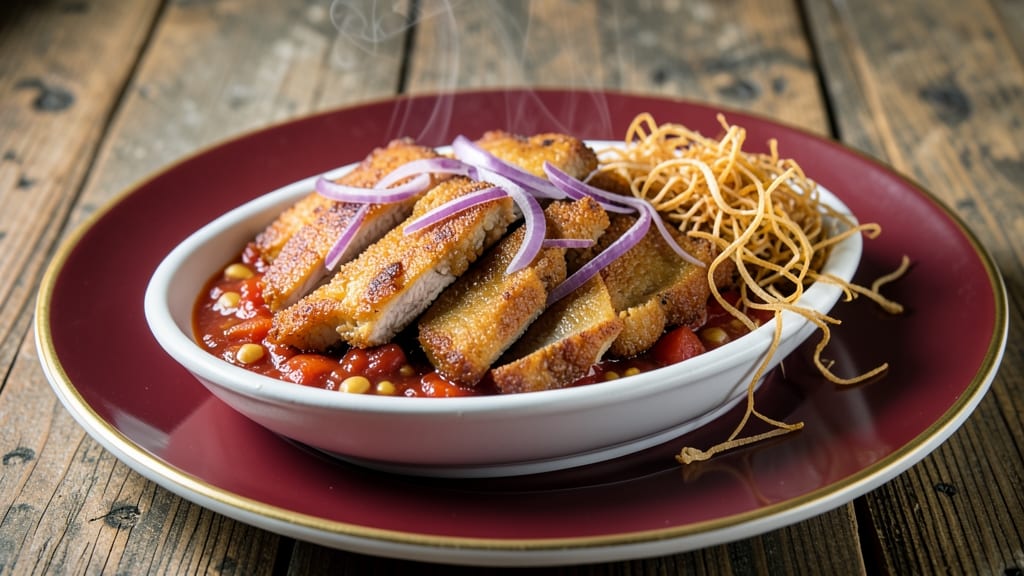
This Panlasang Pinoy pork salpicao recipe brings the bold flavors of Filipino comfort food to your kitchen with its signature crispy fried pork bites in a rich, creamy tomato sauce. 🔥 Growing up, my Nonna used to make something similar—though hers was Italian—showing me how simple ingredients can create something unforgettable.
The secret lies in frying the pork until golden and tender, then simmering it in a velvety sauce that balances sweet, tangy, and savory notes.
What sets this dish apart is the perfect harmony of textures and flavors: the crispy edges of the pork contrast beautifully with the creamy tomato sauce, while garlic and onions add depth.
Unlike many recipes that rely on shortcuts, this version stays true to Panlasang Pinoy traditions, using fresh ingredients and slow cooking to develop rich flavors. It’s the kind of dish that tastes even better the next day, making it ideal for meal prep or family gatherings.
The sauce is where the magic happens—simmered just enough to thicken without losing its vibrant color and tang. The pork, cut into bite-sized pieces, fries up perfectly golden, ensuring every bite delivers that satisfying crunch.
This isn’t just a recipe; it’s a taste of home, whether you’re serving it with steamed rice or crusty bread to soak up every last drop of that creamy sauce.
Ready to master this Filipino classic? The steps are straightforward, but the payoff is worth every minute. Let’s dive into the details—you’ll want to make this again and again.
Ingredients for pork salpicao recipe panlasang pinoy
Simple ingredients transform into crispy fried pork bites swimming in creamy tomato sauce.
| Ingredient | Amount | Notes |
|---|---|---|
| Pork Shoulder 🥩 | 1 ½ lb | Cut into 1-inch cubes |
| All-Purpose Flour 🌾 | ½ cup | For dredging pork |
| Large Eggs 🥚 | 2 whole | Beaten for coating |
| Yellow Onions 🧅 | 1 whole | Thinly sliced |
| Garlic Cloves 🧄 | 6 cloves | Minced finely |
| Canned Tomato Sauce 🍅 | 1 can | 15 oz can, crushed tomatoes |
| Coconut Milk 🥥 | 1 can | 13.5 oz can, full-fat |
| Vegetable Oil 🫒 | 2 cups | For deep frying |
| White Sugar 🍚 | 1 tbsp | Adjust to taste |
| Salt 🧂 | 1 ½ tsp | Kosher or sea salt |
| Black Pepper 🌶️ | ½ tsp | Freshly ground |
| Ground Black Peppercorns 🌶️ | ½ tsp | For sauce seasoning |
| Ground Cinnamon 🌿 | ¼ tsp | Optional for warmth |
| Fish Sauce 🐟 | 1 tbsp | For umami depth |
The pork shoulder is key—look for well-marbled cuts at Filipino markets or the regular grocery store meat section. Costco has great prices if you're making a big batch. Cut the meat into even 1-inch cubes so they fry uniformly. The flour and egg create that perfect crispy coating—don't skip the double-dredging step. For the tomato sauce, Del Monte crushed tomatoes from the Asian aisle are my go-to—they've got that perfect balance of sweetness and acidity. If you can't find them, any good-quality crushed tomatoes work.
No coconut milk? Heavy cream works in a pinch, though the flavor will be slightly different. Short on fish sauce? Soy sauce at half the amount adds some umami, but it won't be exactly the same. The cinnamon is totally optional but adds that warm, familiar Filipino touch. For the frying oil, vegetable oil has the highest smoke point—don't use olive oil. The sugar balances the acidity in the tomatoes, so adjust to taste if you prefer it sweeter or tangier. Fresh garlic makes all the difference here—pre-minced garlic from a jar lacks that fresh punch.
This dish tastes even better the next day as the flavors meld together. Store leftovers in an airtight container in the fridge for up to 5 days. The sauce thickens as it cools, so add a splash of water or milk when reheating. I always make extra because it disappears fast—perfect for meal prep. The crispy pork stays crispy if you reheat it in a skillet for 2-3 minutes before adding the sauce back in.
Why You'll Love This Recipe
- One-Pot Magic: I swear by this—just brown the pork, toss in the flour, eggs, and onions, then let it simmer. No extra pans, no fuss, and honestly? That crispy crust on the bottom is the best part.
- Crispy-Creamy Balance: The flour coating gives it that satisfying crunch, while the eggs make it tender inside. Between us, the garlic and onions caramelize just enough to hit all the right notes—like a hug in a pan.
- Leftover Hero: This keeps perfectly for days, so I always make extra. Reheat it in the microwave or pan-fry slices for a quick snack—my kids beg for it, and I don’t even have to pretend to be excited.
- Budget Stretch: Pork shoulder is affordable, and this recipe feeds a crowd without breaking the bank. I’ll be real: it’s my go-to for potlucks or lazy Sundays, and everyone always asks for seconds.
Step-by-step instructions for crispy pork salpicao
This Filipino classic delivers double-fried pork bites in a rich, coconut-tomato sauce—here's how to nail it.
🔥 Step 1: Double-Fry the Pork for Maximum Crispiness
First, heat 2 cups vegetable oil in a deep pot over medium heat until it reaches 350°F—use a thermometer to check. Pat the 1.5 lb pork shoulder dry with paper towels (this is crucial for crispiness) and dredge each 1-inch cube in 0.5 cup all-purpose flour, shaking off any excess. Fry in batches for 3-4 minutes until golden brown. Remove with a slotted spoon and drain on a wire rack.
Here's the secret: fry them a second time. Once cooled slightly, return the pork to the hot oil for another 2-3 minutes until extra crispy. This double-fry creates that signature crunch we all love. Keep the pork warm while you make the sauce—don't skip this step, or the sauce will turn soggy.
🍳 Step 2: Build the Flavorful Tomato-Coconut Base
In the same pot (no need to clean it—the browned bits add flavor), reduce heat to medium-low and add 1 whole yellow onion, sliced thin. Sauté for 5 minutes until softened. Add 6 cloves minced garlic and cook for 30 seconds until fragrant—don't let it burn, or it'll turn bitter.
Pour in 1 can canned tomato sauce and let it simmer for 5 minutes until thickened. This is where the magic happens—let the tomatoes reduce slightly so they don't overpower the coconut milk later. Stir in 1 tbsp fish sauce and 1 tbsp white sugar, tasting as you go. You want a balance of sweet, tangy, and umami—this is your flavor foundation.
🥘 Step 3: Create the Creamy Coconut Sauce
Gently stir in 1 can coconut milk, scraping the bottom of the pot to incorporate any browned bits. Add 1.5 tsp salt, 0.5 tsp black pepper, 0.5 tsp ground black peppercorns, and 0.25 tsp ground cinnamon (if using). Simmer for 8-10 minutes on low heat—this slow cook ensures the sauce thickens properly without curdling.
Here's the thing: coconut milk can separate if heated too quickly. Keep the heat gentle and stir occasionally. The sauce should coat the back of a spoon and have a velvety texture. If it's too thin, simmer longer; if too thick, add a splash of water. Taste and adjust seasoning—this is where you make it your own.
🔥 Step 4: Finish with Crispy Pork and Perfect Sauce
Return the crispy pork to the sauce and simmer together for 5-7 minutes on low heat. The residual heat will warm the pork through while the sauce clings to each bite. You want the pork to be hot but not soggy—this is why we double-fried it earlier.
For the final touch, taste and adjust seasoning one last time. The sauce should be rich, slightly sweet, and tangy with a hint of spice. Serve immediately over steamed rice—each bite should deliver that perfect contrast of crispy pork in creamy, flavorful sauce. Real talk: this dish tastes even better the next day, so make extra if you can!
Pro Tips For Making Pork Salpicao Recipe Panlasang Pinoy
- CRISP THE PORK FIRST: I learned this the hard way—skipping the initial sear means your pork will turn out greasy and underwhelming. Sear the pork shoulder in small batches over medium-high heat for 4-5 minutes per side until it develops a deep golden crust. This locks in flavor and prevents the meat from drying out later when simmered in the sauce.
- GRIND YOUR GARLIC FINE: My grandmother swore by this, and she was right: mincing garlic too roughly leaves harsh, bitter bits. For salpicao, pulse garlic in a food processor until it’s almost a paste—just a few tiny flecks remain. This blends smoothly into the sauce without overpowering the dish, especially when mixed with onions and flour.
- DON’T RUSH THE FLOUR SLURRY: I used to dump the flour mixture all at once and stir frantically, ending up with lumps. Instead, whisk the flour, egg, and a splash of water into a smooth paste before adding it to the pan. Pour it in slowly while stirring constantly—this creates a glossy, lump-free coating that thickens the sauce properly.
- SIMMER LOW AND COVERED: After browning the pork and onions, the real magic happens during the simmer. Reduce heat to low, cover the pan, and let it cook for 45-60 minutes—yes, even if it looks undercooked. This slow cook keeps the pork tender and lets the flavors meld without drying it out. (Your future self will thank you.)
Flavor customization for these flavors
Spicy Filipino Twist
Add 1 tbsp sili (Filipino chili paste) or ½ tsp cayenne pepper to the sauce for a kick. For balanced heat, stir in 1 tsp sugar to offset the spice.
I like to add a splash of calamansi juice (½ tsp) if available—it brightens the whole dish. Trust me, this takes your salpicao from mild to memorable. 🌶️
Creamier Version
For a richer sauce, swap ½ can coconut milk with ½ cup heavy cream or ½ cup evaporated milk. Simmer the sauce longer to prevent curdling. I’ve found that adding 1 tbsp cornstarch mixed with 2 tbsp water thickens the sauce beautifully without losing its creamy texture.
Perfect for those who love extra decadence.
Vegetable Boost
Add 1 cup sliced bell peppers and 1 cup sliced mushrooms when sautéing the onions. These veggies soak up the sauce perfectly and add a satisfying crunch.
For a sweeter touch, toss in ½ cup pineapple chunks during the final 5 minutes of cooking. The natural sweetness complements the savory pork beautifully.
Herb Infusion
Fresh herbs elevate this dish instantly. Stir in 2 tbsp chopped cilantro or 1 tbsp chopped parsley at the end for brightness. For a more aromatic touch, add 1 tsp dried thyme or ½ tsp dried oregano when building the sauce. These herbs add depth without overpowering the flavors.
Smoky Depth
For a smoky twist, add ½ tsp smoked paprika or ¼ tsp liquid smoke to the sauce. This works surprisingly well with the coconut and tomato flavors.
I’ve also found that a pinch of ground cloves (⅛ tsp) adds warmth that pairs perfectly with the cinnamon. It’s a subtle but noticeable upgrade.
Cheesy Finish
Top with ¼ cup shredded cheddar or mozzarella cheese during the final 2 minutes of cooking. The cheese melts into the sauce, creating a creamy, gooey finish. For a Filipino-inspired twist, use Edam cheese—it’s a classic pairing in many Filipino dishes and adds a unique flavor. 🧀
Nutrition facts
Frequently asked questions
Can I use chicken instead of pork for this recipe?
You can absolutely try it with chicken! For best results, use boneless, skinless chicken thighs cut into 1-inch pieces. The thighs stay juicier than breasts during frying. Reduce the frying time to 2-3 minutes per side since chicken cooks faster than pork. The sauce will still cling beautifully to the chicken pieces.
Why does my sauce separate when I add coconut milk?
This happens when coconut milk is heated too quickly or stirred too vigorously. The solution is simple: reduce heat to low and stir gently with a wooden spoon. If separation occurs, whisk in 1 tsp cornstarch mixed with 2 tbsp water to help stabilize the sauce. For extra insurance, add coconut milk gradually while stirring constantly.
What's the best way to store leftovers?
Store in an airtight container in the fridge for up to 5 days. The sauce will thicken as it cools, so add a splash of water or milk when reheating. For best texture, reheat in a skillet over medium heat for 5-7 minutes—this helps restore the crispiness of the pork without making the sauce watery.
Can I make this dish in a slow cooker?
Yes, but with adjustments! First, fry the pork as directed and set aside. In the slow cooker, sauté onions and garlic in a little oil, then add tomatoes, coconut milk, and seasonings. Cook on low for 3-4 hours, then stir in the pork and cook for another 1 hour on high. The pork won't be as crispy, but the flavors will be just as rich and comforting.
What are the best sides to serve with this dish?
Steamed white rice is the classic pairing, but you can also serve it with garlic fried rice, buttered egg noodles, or even crusty bread for dipping. For a complete Filipino meal, add a side of sautéed string beans or lumpia (Filipino spring rolls). The creamy sauce works beautifully with all these options!