
Main Courses
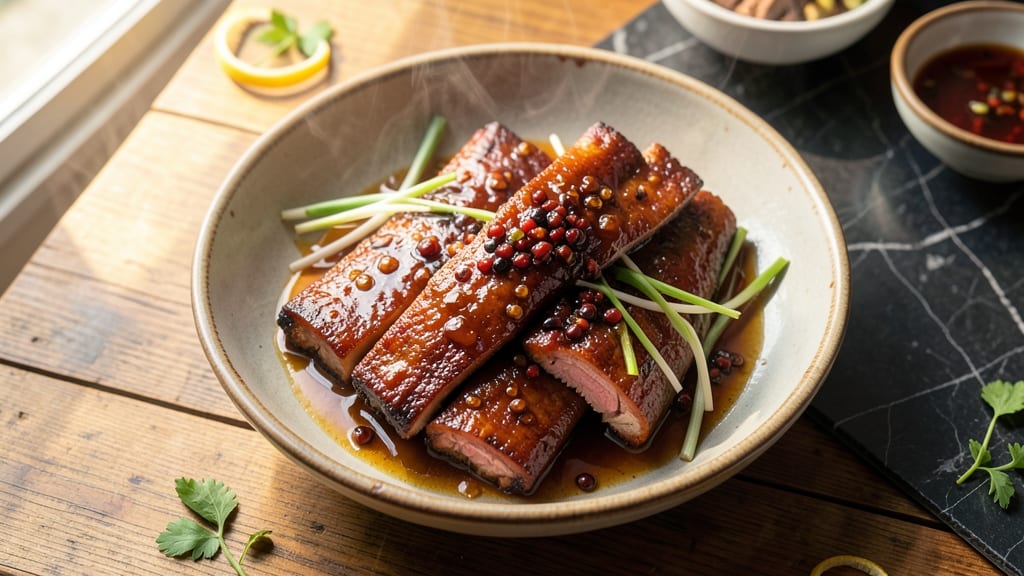
This Chinese-style pork ribs recipe delivers restaurant-quality smoky depth with a five-spice glaze that clings to every bone. The secret lies in marinating the ribs overnight with soy sauce, rice wine, and fermented bean paste—transforming tough cuts into tender, flavor-packed bites.
I first discovered this method while studying my grandmother's handwritten recipe cards, where she'd scribbled "let it soak like good friends" next to the marinating step.
The cooking process combines braising and stir-frying for maximum flavor—first slow-cooked until tender, then quickly seared to create a caramelized crust. The five-spice powder adds that signature Chinese warmth, while a touch of honey balances the savory-sweet profile.
What makes this recipe authentic yet approachable is using simple pantry staples without sacrificing depth.
By the time you're done, you'll have ribs that are fall-off-the-bone tender with a glaze so sticky it practically melts in your mouth. The aroma alone will have everyone gathering at your table, and the leftovers reheat beautifully for sandwiches the next day.
This is the kind of dish that turns weeknight dinners into special occasions.
Serve with steamed jasmine rice and quick-pickled vegetables to complete the meal. The rice soaks up all the delicious juices, while the tangy vegetables cut through the richness. Here's how to make these restaurant-worthy ribs at home—without the fuss.
Ingredients for pork ribs recipe chinese style
Pantry staples meet Asian market treasures for ribs that taste like grandma's secret. Nothing fancy, just bold flavors that stick.
| Ingredient | Amount | Notes |
|---|---|---|
| Pork Ribs (Baby Back) 🥓 | 3 lb | Bone-in, meaty cuts preferred |
| Soy Sauce (Light) 🍶 | ½ cup | Kikkoman preferred for balance |
| Rice Wine (Shaoxing) 🍷 | ¼ cup | Substitute dry sherry if needed |
| Fermented Bean Paste (Doubanjiang) 🌶️ | ¼ cup | Find in Asian markets or online |
| Five-Spice Powder 🌿 | 1 tbsp | Authentic Chinese blend preferred |
| Honey 🍯 | 1 tbsp | Wildflower for floral notes |
| Garlic Cloves 🧄 | 6 cloves | Minced for marinade |
| Fresh Ginger 🌿 | ½ cup | Finely grated, skin on |
| Sesame Oil 🫒 | 1 tbsp | Toasted for aroma |
| Green Onions 🧅 | 4 whole | Sliced, for garnish |
| Brown Sugar 🍚 | ¼ cup | Packed firmly |
| Cornstarch 🌾 | 1 tbsp | For glaze thickening |
| Neutral Oil (Peanut or Vegetable) 🫒 | ¼ cup | For searing |
| Salt 🧂 | 1 ½ tsp | Diamond Crystal preferred |
| Black Peppercorns 🌶️ | ½ tsp | Freshly cracked |
The ribs should be meaty but not fatty—Costco baby backs are my go-to, but any bone-in cut works. For the fermented bean paste, Asian markets carry the best brands like Laoganma, but Amazon delivers if you're in a pinch. The five-spice powder is non-negotiable here; Penzeys sells a great pre-mixed blend if you don't want to DIY. Fresh ginger and garlic need to be vibrant—if the ginger smells musty or the garlic cloves are sprouting, skip it. The soy sauce should be light, not dark—Kikkoman is the gold standard for this recipe.
No rice wine? Dry sherry works perfectly, though it'll have a slightly different depth. Running out of fermented bean paste? Substitute 1 tbsp gochujang plus 1 tsp soy sauce—it's not identical, but close. The honey can be swapped for maple syrup if vegan, though the flavor will shift slightly. For the glaze, if you don't have cornstarch, arrowroot powder at the same amount works just as well. The sesame oil is purely for aroma—use sparingly, or omit entirely if you're sensitive to its flavor. Brown sugar can be light or dark, but packed firmly means no air gaps in your measurements.
Marinated ribs keep 2 days in the fridge, covered tightly. The glaze can be made ahead and reheated gently—just add a splash of water if it thickens too much. For serving, ribs reheat beautifully in a 350°F oven for 15 minutes, covered with foil. Store leftovers in an airtight container for up to 5 days, though they're best enjoyed fresh. The glaze freezes well too—portion it into ice cube trays for easy use later. These ribs are even better the next day as the flavors meld further.
Why You'll Love This Recipe
- One-Pan Magic: I swear by this—just ribs, a few pantry staples, and 20 minutes of hands-off baking. No chopping, no fuss, and the sticky-sweet glaze from the doubanjiang and Shaoxing wine does all the work while you sip tea.
- Umami Bomb: That fermented bean paste? It’s the secret weapon—deep, smoky, and just a little funky. Paired with five-spice powder, it turns simple ribs into something that’ll have you licking your fingers (and maybe asking for seconds).
- Weeknight Hero: Between us, this is my go-to when I need something hearty but doesn’t require a 3-hour commitment. Serve it over rice for dinner, pack leftovers for lunch, or even throw it on a charcuterie board for guests—it’s that adaptable.
- Budget-Friendly Feast: A rack of baby back ribs goes a long way here, and the rest of the ingredients? Mostly things you already have. Honestly, I’ve made this for under $12 per serving, and it still feels like a restaurant-worthy meal. Leftovers? Even better the next day.
Step-by-step instructions for Chinese-style pork ribs with sticky five-spice glaze
Master this technique and you'll achieve ribs with a perfect balance of smoky depth, sweet caramelization, and that signature five-spice warmth that clings beautifully.
Prepare the Ribs and Create the Marinade
Pat the 3 lb pork ribs dry with paper towels—this is crucial for both flavor penetration and crispy edges. Place them in a large bowl and set aside. In a separate bowl, combine the 0.5 cup soy sauce, 0.25 cup rice wine, 0.25 cup fermented bean paste, 1 tbsp five-spice powder, 1 tbsp honey, 6 minced garlic cloves, 0.5 cup finely grated ginger, and 1.5 tsp salt. Stir until the five-spice powder dissolves completely.
Pour this marinade over the ribs, coating them thoroughly. Cover and refrigerate for at least 4 hours, or preferably overnight. This long marinating time ensures the ribs develop deep flavor and tenderize properly. The five-spice powder needs time to infuse, and the rice wine will begin breaking down the collagen in the meat.
Sear the Ribs for Maximum Flavor
Preheat your oven to 300°F. Heat the 0.25 cup neutral oil in a large oven-safe skillet over medium-high heat until shimmering. Working in batches if needed, add the marinated ribs and sear for 3-4 minutes per side until deeply golden brown. You want that Maillard reaction happening—look for edges that are crisp and caramelized.
Transfer the seared ribs to a plate and tent loosely with foil. This initial searing creates a flavorful crust that will help the glaze stick perfectly later. Don't skip this step—it's what makes the difference between good ribs and exceptional ribs. The ribs should be browned but not fully cooked through at this stage.
Build the Glaze and Braise the Ribs
In the same skillet (don't wipe it clean—those browned bits are pure flavor), reduce heat to medium and add the 4 sliced green onions. Sauté for 1 minute until fragrant. Pour in the marinade from the bowl, scraping up all the browned bits from the bottom with a wooden spoon. Bring to a simmer and cook for 5 minutes until slightly reduced.
In a small bowl, whisk together the 0.25 cup brown sugar, 1 tbsp cornstarch, and 1 tbsp sesame oil. Stir this mixture into the simmering marinade and cook for another 2-3 minutes until the glaze thickens to a syrupy consistency. It should coat the back of a spoon and have a glossy sheen. Return the ribs to the skillet, spooning the glaze over them completely.
Braise Until Fork-Tender
Transfer the skillet to the preheated 300°F oven. Braise the ribs for 2 to 2.5 hours, spooning the glaze over them every 30 minutes. The ribs are done when they're fork-tender and the glaze has caramelized to a deep amber color. You'll know they're ready when they pull apart easily with just a little resistance.
During the last 15 minutes of cooking, increase the oven temperature to 400°F to help the glaze caramelize and develop more depth of flavor. This final broiling step creates that beautiful sticky glaze that makes these ribs so special. The ribs should be moist in the center but with crisp edges where the glaze has caramelized.
Rest and Serve with Garnish
Remove the ribs from the oven and let them rest for 10 minutes before serving. This resting period allows the juices to redistribute throughout the meat. While they rest, transfer the glaze from the skillet to a small saucepan and simmer gently for 2-3 minutes to thicken it further if needed.
Garnish each serving with additional sliced green onions and a drizzle of the reduced glaze. The ribs should be incredibly tender, with a perfect balance of smoky, spicy, sweet, and umami flavors. Serve with steamed jasmine rice and a simple cucumber salad to cut through the richness of the dish. The glaze should cling beautifully to every bite, making each mouthful unforgettable.
Pro Tips For Making Pork Ribs Recipe Chinese Style
- BLANCH FIRST, SEAR LATER: The ribs need a quick 2-minute blanch in boiling water before searing—this loosens connective tissue and keeps them tender. I learned this the hard way after serving chewy ribs to guests. Skip it, and you’ll regret it later.
- USE DOUBANJIANG PASTE: Doubanjiang isn’t interchangeable—use the paste, not the chopped version, for that deep, fermented richness. I was skeptical until I tried it; now, I measure it out like gold dust (about 1 tablespoon for 2 lbs of ribs).
- LOW AND SLOW AFTER SEARING: After the initial high-heat sear, drop the heat to medium-low and cover the pan for 15 minutes. This lets the soy and Shaoxing wine reduce properly without burning. I used to rush this, and the sauce always turned bitter.
- REST THE RIBS UNDER FOIL: Give them a solid 5-10 minutes off the heat, wrapped in foil, before serving. This keeps them juicy—no one wants dry ribs, even if they’re perfectly seasoned. (Yes, even if you’re impatient like me.)
Troubleshooting your pork ribs recipe chinese style
Glaze Not Sticking
The five-spice glaze should be your ribs' best friend—if it's not clinging, you're missing the magic. First, ensure your ribs are completely dry before marinating and searing. Any moisture creates a barrier between the meat and glaze.
I've found that patting ribs with paper towels before searing makes all the difference. Also, don't rush the glaze reduction—it needs to thicken to a syrupy consistency, not watery. If it's too thin, simmer it longer or add ½ tbsp cornstarch mixed with water. 🔥
Another common issue is overcrowding the pan during searing. When ribs touch, they steam instead of sear, creating a weak foundation for the glaze. Work in batches if needed, and use enough oil (about ¼ cup) to prevent sticking.
For extra adhesion, brush the ribs with a 50/50 mix of glaze and neutral oil after the initial braising—this creates a sticky, caramelized crust. Trust me, this step is worth the effort!
Ribs Too Dry
If your ribs emerge from the oven dry and tough, the problem likely starts with overcooking or insufficient marinating. Chinese-style ribs rely on collagen breakdown during the braise, which requires patience. Never exceed 300°F for the initial braise—higher temps cook too quickly, squeezing out moisture.
I've learned the hard way that 2.5 hours at 300°F is ideal for 3 lb ribs, with the final 15 minutes at 400°F just for caramelization.
For extra moisture, add ¼ cup water or broth to the braising liquid if it reduces too much. Wrap the ribs loosely in foil during the last 30 minutes of cooking to trap steam.
And here's a pro tip: Baste the ribs every 20 minutes with the pan juices—this keeps them glistening and tender. If all else fails, a quick 1-minute broil at the end can revive slightly dried edges while keeping the interior juicy.
Uneven Cooking
Unevenly cooked ribs—some fork-tender, others still chewy—usually mean temperature fluctuations or inconsistent searing. Always use an oven thermometer to confirm your oven is actually at 300°F (many run hot or cold).
Place the ribs bone-side down on a wire rack in a roasting pan to allow heat to circulate evenly around all sides. If your oven has hot spots, rotate the pan halfway through cooking.
For the sear, medium-high heat is key—too low, and the ribs won't develop that flavorful crust; too high, and they'll burn before cooking through. A cast-iron skillet is ideal because it retains heat evenly.
If you notice one side cooking faster, adjust the rack position or use the oven's fan function if available. And remember: resting time is non-negotiable—those 10 minutes let juices redistribute, preventing dry spots.
Fermented Bean Paste Issues
Fermented bean paste (doubanjiang) is the soul of this recipe, but it can be tricky if you're new to it. If your glaze tastes too salty or bitter, you might have used too much or a low-quality paste.
Stick to reputable brands like Laoganma or Hunan-style doubanjiang—they're balanced and fermented properly. For a milder flavor, reduce the amount to 2 tbsp and add 1 tsp sugar to balance.
If you can't find fermented bean paste, substitute 1 tbsp gochujang plus 1 tsp soy sauce, but expect a slightly different depth. The paste should have a deep red color and a slightly oily texture—if yours looks dry or crumbly, it's past its prime.
Store it in the fridge after opening and use within 3 months for best results. Pro tip: Toast 1 tsp of the paste in the skillet before adding other ingredients to intensify its aroma and flavor. 🌶️
Ribs Too Tough
Tough ribs usually mean under-marinating or insufficient low-and-slow cooking. The overnight marinade is non-negotiable—it's what breaks down the connective tissue. If you're short on time, marinate for at least 8 hours (I've done it in 6, but the ribs weren't as tender).
For extra tenderness, add 1 tsp baking soda to the marinade—it raises the pH, helping the meat retain moisture. Rinse the ribs thoroughly afterward to remove any residue.
If your ribs still feel tough, extend the braising time by 30 minutes and check the internal temperature—it should reach 195-203°F in the thickest part. For a quicker fix, slice the ribs against the grain before serving—this shortens the muscle fibers, making each bite more tender.
And here's a secret: Save the braising liquid and reduce it into a sauce to serve on the side. The concentrated flavors will make even slightly tough ribs taste delicious.
Nutrition facts
Frequently asked questions
Can I use regular pork ribs instead of baby back ribs?
This recipe works beautifully with spare ribs or St. Louis-style ribs too. The key difference is cooking time—spare ribs need about 30-45 minutes extra at 300°F since they have more connective tissue. Just monitor for tenderness and adjust accordingly. The glaze will stick just as well to any bone-in cut.
What if I don't have rice wine or fermented bean paste?
No problem! For rice wine, dry sherry works perfectly, though it'll have a slightly different depth. For fermented bean paste (doubanjiang), substitute 1 tbsp gochujang plus 1 tsp soy sauce. The flavor won't be identical, but it'll still deliver that signature umami punch. If you're avoiding spice entirely, 1 tbsp miso paste makes a great neutral alternative.
How do I make these ribs in a slow cooker?
Transfer the marinated ribs to your slow cooker with the marinade and add ¼ cup water or broth. Cook on LOW for 6-7 hours or HIGH for 4-5 hours until fork-tender. In the last 30 minutes, increase to HIGH and add the glaze ingredients (brown sugar, cornstarch, sesame oil) to thicken it. The ribs will be more tender than oven-braised, with a slightly milder glaze.
Can I prep the marinade ahead of time?
Yes! The marinade keeps well in an airtight container in the fridge for up to 5 days or 3 months in the freezer. Thaw it in the fridge overnight before using. For best results, add the fresh garlic, ginger, and sesame oil right before marinating the ribs. The five-spice powder and honey can stay in the marinade longer without losing potency.
What's the best way to reheat leftovers?
Reheat ribs in a 350°F oven for 15-20 minutes, covered with foil, until warmed through. For extra crispiness, broil for 2-3 minutes at the end. Leftovers reheat beautifully in the microwave too—cover with a damp paper towel and heat in 30-second bursts until steaming. The glaze may thicken slightly when reheated, so add a splash of water if needed.