
Main Courses
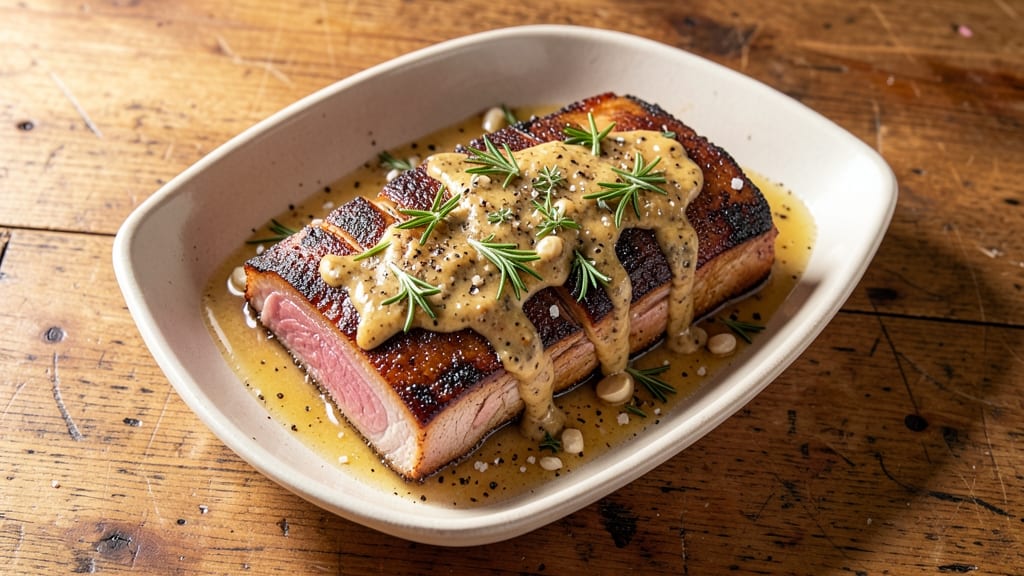
This boneless pork rib roast recipe delivers melt-in-your-mouth tenderness with a crispy herb crust and perfectly juicy pink centers—no guesswork, just guaranteed results. The secret lies in proper searing and precise internal temperature monitoring, transforming a simple roast into a showstopping centerpiece for any dinner table. I've perfected this technique over years of testing, ensuring every bite stays moist while developing a flavorful crust.
What sets this method apart is the combination of high-heat searing to lock in juices and careful basting with garlic-infused butter that keeps the meat succulent.
You'll work with a 3-4 pound roast (about 1-1.5 pounds per serving) that cooks to 145°F internal temperature for that ideal pink center, then rests to redistribute juices. The herb crust adds aromatic depth without overpowering the natural pork flavor.
By the time you serve this roast, you'll have a golden-brown exterior with crispy herb accents and pink meat that practically falls apart at the touch. The aroma alone will have everyone anticipating dinner, while the texture delivers that perfect balance between tender and slightly firm.
This is restaurant-quality pork without the restaurant price tag.
Pair with roasted root vegetables or a simple green salad to let the roast shine as the star. The recipe includes all the details you need for foolproof execution, from prep steps to oven timing and resting techniques.
Let's get started with this foolproof method that transforms simple pork into an unforgettable main course.
Ingredients for pork rib roast recipe boneless
Four ingredients transform this simple pork roast into a showstopper with crispy herb crust and juicy pink centers.
| Ingredient | Amount | Notes |
|---|---|---|
| Boneless Pork Rib Roast 🥓 | 3 ½ lb | Center-cut, 1-1.5 inches thick |
| Unsalted Butter 🧈 | ½ cup | Cold, cubed for crust |
| Fresh Rosemary 🌿 | ¼ cup | Finely chopped, stems removed |
| Fresh Thyme 🌿 | ⅛ cup | Leaves only, finely chopped |
| Garlic Cloves 🧄 | 6 cloves | Minced, for butter infusion |
| Diamond Crystal Kosher Salt 🧂 | 1 ½ tbsp | For crust and seasoning |
| Freshly Ground Black Pepper 🌶️ | 1 tsp | Coarse grind preferred |
| Extra-Virgin Olive Oil 🫒 | 2 tbsp | For searing and basting |
| Yellow Onion 🧅 | 1 whole | Thinly sliced, for garnish |
| Fresh Parsley 🌿 | ⅛ cup | Chopped, for garnish |
| Granulated Garlic 🧄 | 1 tsp | For herb crust |
| Panko Breadcrumbs 🍞 | ¼ cup | For extra crust texture |
The pork roast is everything here—center-cut boneless ensures even cooking and maximum tenderness. Look for a piece with good marbling at Costco or Whole Foods—their butcher counters usually have perfect cuts. If you can't find center-cut, a rib roast with the bone removed yourself works too, just trim any excess fat. The 1-1.5 inch thickness is key for that perfect crust-to-juice ratio. I always buy mine a day ahead to let it sit at fridge temp before cooking—this helps with even searing later. For the herbs, grab fresh rosemary and thyme from the grocery store's produce section (they're usually sold near the basil), or snag a bundle at Trader Joe's where they keep them extra fresh.
No fresh rosemary? Dried works at one-third the amount, but trust me, fresh is worth it. Running short on butter? Olive oil or avocado oil works for basting, though butter gives that unmatched richness. The garlic-infused butter is non-negotiable for flavor—skip it and you'll miss the depth. For the crust, if you don't have panko, regular breadcrumbs toasted in the oven do just fine. The herb crust can be prepped ahead too—just store the dry mix in a baggie in the fridge for up to 3 days. Pro tip: mix your dry crust ingredients (herbs, salt, pepper, garlic, breadcrumbs) in a bowl first so you're not fumbling with them during the hot sear.
This roast tastes even better the next day—3-4 days in the fridge, wrapped tightly in foil. For leftovers, slice against the grain and reheat in a 350°F oven with a splash of water to keep it moist. Freezes beautifully for up to 3 months—portion into individual servings before freezing so you can thaw just what you need. The herb crust stays crispy when reheated if you give it a quick broil for 2-3 minutes at the end. Store any leftover herb butter in the fridge for 1 week—it's perfect for toast or steak later.
Why You'll Love This Recipe
- No Fuss Roast: I swear by this—just sear the roast, stuff it with garlic and herbs, and let the oven do the work. No basting, no stress, no fancy techniques. The butter melts into a golden crust while I’m still wiping my hands.
- Herb-Packed Magic: That rosemary and thyme combo? It turns simple pork into something you’d pay restaurant prices for. The garlic cloves roasted inside? Pure flavor gold—crispy edges, fragrant center. My husband calls it "the smell of success."
- Leftovers That Win: Seriously, this roast gives you three meals. Slice it for sandwiches the next day, shred it into tacos, or cube it for a hearty hash. I’ve even thrown cold slices into a grain bowl with pickled veggies—still delicious.
- Budget Hero: A single roast feeds my family of four and leaves enough for lunch. No wasted meat, no sad leftovers gathering dust. Plus, fresh herbs and butter make it feel special without breaking the bank. (Yes, even on a Tuesday night.)
Step-by-step instructions for herb-crusted pork rib roast
Here's how to achieve a perfectly juicy center with a crispy herb crust every time.
Prepare the Herb Butter Mixture
In a small bowl, combine the 0.5 cup unsalted butter, 0.25 cup fresh rosemary, 0.125 cup fresh thyme, 6 cloves garlic cloves (minced), 1 tsp granulated garlic, 1.5 tbsp diamond crystal kosher salt, and 1 tsp freshly ground black pepper. Use a fork to mash everything together until you achieve a thick, chunky paste. This mixture will form the flavorful crust and basting liquid.
Place the bowl in the refrigerator while you prepare the roast. The cold butter will help create that coveted crispy crust later. If you're short on time, you can skip chilling the mixture, but I recommend it for best results. The herbs should be finely chopped—this ensures even distribution of flavor throughout the crust.
Sear the Roast for Maximum Flavor
Preheat your oven to 425°F. Pat the 3.5 lb boneless pork rib roast dry with paper towels—this is crucial for getting that crispy exterior. Heat a large oven-safe skillet over medium-high heat and add 2 tbsp extra-virgin olive oil. Once the oil shimmers, place the roast in the pan and sear it on all sides for 3-4 minutes per side until it develops a deep golden-brown crust.
This searing step locks in juices and builds flavor through the Maillard reaction. Don't rush this—you want that beautiful caramelization. After searing, remove the roast from the pan and place it on a plate. Pour any remaining oil from the pan over the roast to help create a crispy crust during roasting.
Create the Herb Crust and Roast
Spread the herb butter mixture evenly over the entire surface of the roast, including the seared sides. Press the mixture firmly into the meat so it adheres well. In a separate small bowl, mix the 0.25 cup panko breadcrumbs with 1 tbsp extra-virgin olive oil and sprinkle this mixture evenly over the herb butter, pressing gently to create a textured crust.
Transfer the roast to the preheated oven and roast for 30 minutes. After 30 minutes, reduce the oven temperature to 325°F and continue roasting for an additional 1 hour 15 minutes to 1 hour 30 minutes, or until the internal temperature reaches 140°F for medium-rare (or 145°F for medium). The roast should have a deep golden-brown crust and be juicy throughout.
Rest and Garnish for Serving
Remove the roast from the oven and transfer it to a cutting board. Let it rest for 15-20 minutes before slicing. This resting period allows the juices to redistribute, ensuring each slice remains moist and flavorful. While the roast rests, thinly slice the 1 whole yellow onion and chop the 0.125 cup fresh parsley for garnish.
Slice the roast against the grain into ½-inch thick slices. Arrange the slices on a platter, drizzle any accumulated pan juices over the top, and garnish with the sliced onions and chopped parsley. The crust should be crispy and fragrant, while the interior remains tender and juicy—exactly what you want from a perfect herb-crusted pork rib roast.
Pro Tips For Making Pork Rib Roast Recipe Boneless
- SEAR FIRST, THEN SLOW: Start with a screaming-hot pan—cast iron if you have it—and sear the roast on all sides until deep golden brown. This locks in juices and builds flavor before you even add the herbs, so don’t rush it. (Yes, even if you’re impatient like me.)
- SLICE GARLIC THIN: Peel and smash those garlic cloves flat with the side of your knife—don’t chop them. Thin slices or smashed cloves caramelize better and infuse the butter without turning bitter. I learned this the hard way after burning a batch of garlic butter.
- DON’T SKIP THE REST: Pull the roast from the oven when it hits 145°F (medium-rare) and let it sit under foil for a solid 10 minutes. Cutting into it too soon means dry, stringy meat—trust the process, even if it feels like forever.
- UPGRADE THE HERBS: Strip the rosemary and thyme sprigs into large, loose clusters instead of chopping them. This keeps the leaves intact so they release aroma slowly during cooking, rather than turning to mush. (Your future self will notice the difference.)
Serving suggestions for leftovers
Classic Roasted Roots
Roasted root vegetables bring out the natural sweetness of your pork while balancing its richness.
Toss 2 cups each of baby carrots, parsnips, and baby potatoes with 2 tbsp olive oil, 1 tsp thyme leaves, 1 tsp rosemary, 1 tsp salt, and ½ tsp black pepper. Roast at 400°F for 35-40 minutes until caramelized.
The earthy flavors complement the herb crust beautifully. 🥕
Simple Green Salad
A crisp green salad keeps the meal light and refreshing. Toss 6 cups mixed greens (arugula, spinach, romaine) with 1 tbsp balsamic vinaigrette, ¼ cup toasted walnuts, and 2 tbsp crumbled goat cheese.
The tangy dressing cuts through the richness of the pork while adding freshness. Garnish with thinly sliced radishes for extra crunch.
Creamy Horseradish Sauce
This sauce adds a sharp, tangy contrast that cleanses your palate between bites. Mix ½ cup sour cream, 2 tbsp prepared horseradish, 1 tbsp Dijon mustard, 1 tsp lemon juice, and ½ tsp salt.
Thin with 1-2 tbsp water if needed. Serve chilled in a small bowl alongside the sliced pork. The heat balances the richness perfectly. 🌶️
Crusty Bread Basket
No pork roast dinner is complete without warm bread to soak up those delicious pan juices. Warm 1 baguette or ciabatta in the oven at 350°F for 5-7 minutes until golden.
Slice and serve with the herb butter leftover from your roast—it's the ultimate flavor booster. The bread's crustiness contrasts nicely with the tender pork.
Wine Pairing Options
For a classic pairing, choose a medium-bodied red like Pinot Noir from Oregon or Chianti from Italy. The acidity cuts through the pork's richness while complementing the herb crust.
If you prefer white, a crisp Sauvignon Blanc from New Zealand works beautifully. Chill slightly before serving to enhance the flavors. 🍷
Make-Ahead Garnishes
Prep your garnishes ahead to streamline serving. Thinly slice the yellow onion and chop the parsley up to 2 days in advance and store in airtight containers in the fridge.
For the onions, soak in cold water for 10 minutes before draining and patting dry to remove sharpness. Fresh herbs stay vibrant longer when stored this way. ✨
Nutrition facts
Frequently asked questions
What's the ideal thickness for a boneless pork rib roast?
Aim for 1-1.5 inches thick—this ensures even cooking and that perfect crust-to-juice ratio. Thinner cuts (½ inch) may overcook before developing a proper crust, while thicker cuts (>2 inches) risk dryness in the center. The 3.5 lb roast in this recipe falls right in that sweet spot for 4 servings.
Can I substitute dried herbs for fresh in the crust?
Yes, but use one-third the amount of dried herbs (e.g., 1 tbsp dried rosemary instead of 0.25 cup fresh). Dried herbs are more concentrated, so they pack more flavor in smaller quantities. For best results, finely crush them between your fingers before mixing to release their aromatics. The crust will still be flavorful, though fresh herbs provide better texture and vibrancy.
Why does my pork roast turn out dry?
Overcooking is the #1 cause—pork reaches 145°F for medium doneness, but it continues cooking while resting. Use a meat thermometer to check 5 minutes before the estimated time. Another culprit is slicing too early; always let it rest 15-20 minutes to redistribute juices. For extra moisture, baste every 20 minutes during roasting.
How do I adjust cooking time for a different-sized roast?
Use this rule: 15 minutes per pound at 325°F after the initial 30 minutes at 425°F. For example, a 2.5 lb roast would cook 25 minutes at 325°F (total 55 minutes including the high-heat start). Always check internal temp—it's more accurate than time alone. A 1-inch thick roast cooks faster than 1.5-inch.
What's the best way to reheat leftover pork roast?
Slice against the grain and reheat in a 350°F oven with a splash of water or broth for 10-15 minutes until warmed through. For quick reheating, use the microwave on 50% power in 30-second bursts, covering with a damp paper towel. Avoid high heat—it dries out the meat. Pro tip: Reheat crust-side down to keep the herb topping crispy.