
Main Courses
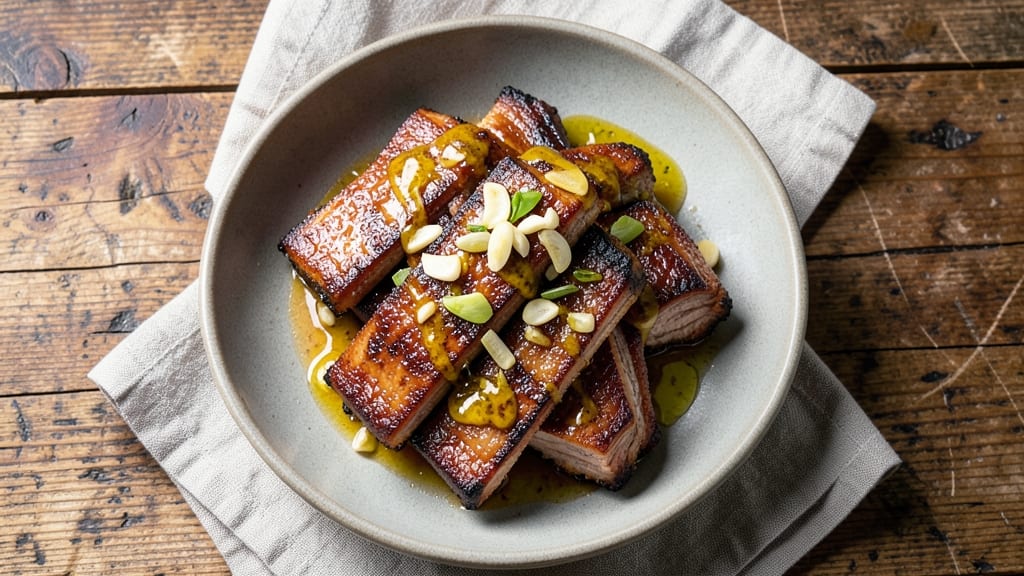
This healthy pork ribs recipe proves you can enjoy smoky, fall-off-the-bone ribs without the heavy guilt. The secret lies in slow-roasting the ribs with minimal fat, a bold dry rub, and a light citrus glaze that keeps them moist and flavorful.
I’ve perfected this method over years of testing—no sugary sauces or greasy basting required.
The key to tender, lean ribs starts with trimming excess fat and marinating overnight in a blend of garlic, ginger, and citrus juices. This technique breaks down collagen naturally while keeping the meat juicy.
We’ll slow-roast them at 275°F for hours, letting the rub caramelize into a smoky crust without adding extra calories.
By the end, you’ll have ribs that are tender, smoky, and packed with flavor—without the heavy fat or sugar. The result? A restaurant-quality meal that’s actually good for you, served with roasted vegetables or a side of quinoa for a complete, balanced plate.
This recipe delivers all the satisfaction of classic ribs with a health-conscious twist—proof that indulgence and nutrition can coexist. Let’s get started with a method that’s as simple as it is delicious.
Ingredients for healthy pork ribs
Lean pork ribs, citrus marinade, and smoky spices—all you need for ribs that taste indulgent but stay healthy.
| Ingredient | Amount | Notes |
|---|---|---|
| Pork Baby Back Ribs 🥓 | 2 lb | Bone-in, trimmed of excess fat |
| Garlic Cloves 🧄 | 6 cloves | Freshly minced for marinade |
| Fresh Ginger 🌿 | 2 tbsp | Finely grated, peeled |
| Lemon Juice 🍋 | ½ cup | Freshly squeezed, no pulp |
| Orange Juice 🍊 | ¼ cup | Freshly squeezed, no pulp |
| Olive Oil 🫒 | ¼ cup | Extra-virgin for richness |
| Smoked Paprika 🌶️ | 2 tbsp | For deep smoky flavor |
| Ground Cumin 🌿 | 1 ½ tsp | Toasted for warmth |
| Ground Coriander 🌿 | 1 ½ tsp | For earthy depth |
| Onion Powder 🧅 | 1 tsp | For subtle sweetness |
| Mustard Powder 🌶️ | 1 tsp | For tangy bite |
| Salt 🧂 | 1 ½ tsp | Diamond Crystal kosher |
| Black Pepper 🌶️ | 1 tsp | Freshly ground preferred |
| Honey 🍯 | 1 tbsp | For glaze, optional |
| Balsamic Vinegar 🍷 | 1 tbsp | For glaze balance |
The ribs are the star, so look for bone-in baby backs—they’re leaner than spare ribs and stay juicy. Trim any thick fat deposits with kitchen shears; you want just enough fat for flavor, not excess calories. Costco or local butchers often have the best quality, but any grocery store will carry them. For the marinade, fresh ginger and citrus are non-negotiable—they tenderize the meat while adding brightness. If you can’t find fresh ginger, substitute 1 tbsp ground ginger, but it won’t be as potent. The olive oil here isn’t just for moisture; it helps the rub cling to the ribs like glue.
No honey? Maple syrup or agave works in a pinch for the glaze, though honey’s floral notes are ideal. The citrus juices can be swapped for white grape juice or apple cider vinegar if you’re out, but the acidity is key for breaking down the meat. For the rub, Trader Joe’s has a great pre-mixed smoked paprika blend, or you can toast your spices in a dry pan for 30 seconds to deepen their flavor. The balsamic vinegar in the glaze adds complexity—substitute red wine vinegar at half the amount if needed. And if you’re worried about the ribs drying out, don’t be: the slow roast keeps them moist.
Marinate the ribs overnight for maximum tenderness, then pat them dry before applying the rub—this ensures a perfect crust. Store leftover ribs in an airtight container for up to 3 days, but they reheat best when warmed gently in the oven with a splash of water. The marinade and glaze can be made ahead and kept in the fridge for 5 days. If you’re prepping for a crowd, double the rub and glaze—it keeps well in a sealed jar. These ribs reheat beautifully, so they’re perfect for meal prep, though they’re best enjoyed fresh off the grill or oven.
Why You'll Love This Recipe
- One-Pan Wonder: I swear by this recipe because it’s that simple—just ribs, a handful of garlic, a thumb-sized ginger knob, and citrus juice tossed in a single pan. No messy marinades, no basting every five minutes, just hands-off cooking while you sip your drink or scroll through your phone.
- Zesty Tang Magic: That bright lemon-orange punch cuts through the richness of the pork like a breath of fresh air. Honestly, the ginger and garlic combo gives it this cheffy depth, but the citrus keeps it light—no heavy sauces clinging to your ribs.
- Leftovers? No Problem: Between us, these ribs reheat like a dream—toss them back in the oven for five minutes, and they’re just as tender. I’ll make a double batch on Sundays because they’re perfect for lunchboxes (yes, even my picky teen eats them cold) or a quick dinner when I’m too tired to cook.
- Budget-Friendly Feast: You’re getting a full rack for less than takeout, and the ingredients? Basic pantry staples. The ginger and citrus might sound fancy, but a small piece goes a long way—no wasted money here, just maximum flavor for minimal cost.
Step-by-step instructions for lean and smoky pork ribs
This method delivers tender, flavorful ribs with a fraction of the fat—no shortcuts, just smart technique.
Prepare the Citrus-Ginger Marinade
In a medium bowl, combine the 0.5 cup lemon juice, 0.25 cup orange juice, 2 tbsp fresh ginger, and 6 cloves minced garlic. Whisk until the ginger and garlic are fully dissolved. This bright, acidic base tenderizes the meat while balancing the smoky flavors.
Next, add the 0.25 cup olive oil, 2 tbsp smoked paprika, 1.5 tsp ground cumin, 1.5 tsp ground coriander, 1 tsp onion powder, 1 tsp mustard powder, 1.5 tsp salt, and 1 tsp black pepper. Stir until the spices are evenly distributed and the marinade has a rich, aromatic consistency. The olive oil helps carry the flavors deep into the meat while keeping it moist.
Marinate the Ribs for Maximum Tenderness
Place the 2 lb pork baby back ribs in a large resealable bag or shallow dish. Pour the marinade over the ribs, ensuring they’re fully coated on all sides. Seal the bag or cover the dish and refrigerate for at least 4 hours, or overnight for best results. This extended marination breaks down tough fibers and infuses the meat with vibrant citrus and spice notes.
Here’s the thing—don’t skip this step. The acidity in the citrus and the spices work together to create a tender, juicy texture that’s far lighter than traditional ribs. If you’re short on time, marinate for at least 2 hours, but longer is always better.
Sear the Ribs for Depth of Flavor
Preheat your oven to 375°F. Remove the ribs from the marinade (reserve the marinade for later) and pat them dry with paper towels. This step is crucial—drying the ribs ensures a perfect sear. Place the ribs on a wire rack set over a baking sheet to allow air circulation on all sides.
Sear the ribs in a cold skillet over medium-high heat for 2-3 minutes per side until they develop a deep golden-brown crust. The key here is patience—let the ribs sit undisturbed until they release easily from the pan. This crust locks in juices and adds a smoky depth that balances the citrus marinade.
Bake with the Marinade for Moisture and Flavor
Return the ribs to the baking sheet and pour the reserved marinade evenly over the top. Cover the baking sheet tightly with foil and bake for 1 hour 15 minutes. The foil traps steam, which keeps the ribs tender and prevents them from drying out. You’ll know they’re ready when the internal temperature reaches 195-200°F—they’ll be fork-tender but still hold together.
Real talk: If the ribs start to dry out before reaching the right temperature, add 2-3 tablespoons of water to the baking sheet and continue baking. The goal is tender, juicy ribs—not crispy or tough. The citrus and spices will give them a bright, healthy flavor without the heaviness of traditional barbecue sauces.
Glaze and Serve for a Touch of Sweetness
Remove the ribs from the oven and transfer them to a cutting board. In a small saucepan, combine the 1 tbsp honey and 1 tbsp balsamic vinegar over low heat. Simmer for 2-3 minutes until the mixture thickens slightly into a glossy glaze. Brush this mixture evenly over the ribs, letting the sweetness caramelize for 1-2 minutes under a broiler if desired.
Slice the ribs between the bones and serve immediately. The glaze adds a touch of sweetness that complements the smoky, citrusy flavors without overpowering them. These ribs are lean, flavorful, and packed with bright, healthy notes—perfect for a guilt-free indulgence.
Pro Tips For Making Healthy Pork Ribs
- Trim the Fat First: I learned this the hard way—skipping the fat trimming makes the ribs greasier for grilling and dulls the citrus-ginger flavors. Use kitchen shears to snip off the thick membrane on the bone side, then trim excess fat; you’ll notice the ribs caramelize faster and absorb the marinade better.
- Peel and Pulse Ginger: Fresh ginger loses its punch when grated too finely—it turns mushy and releases bitterness. Instead, peel it, then pulse in a food processor until it’s a rough paste (think sandpaper texture, not powder). This keeps the heat intact and distributes it evenly in the marinade without turning the ribs into a ginger-flavored science experiment.
- Marinate Overnight, Not Just Hours: I used to rush the marinade, thinking 2 hours was enough. Now I swear by 12–24 hours in the fridge—it’s the difference between ribs that taste like a quick snack and ones that sing with citrus brightness. Use a resealable bag or container, and flip the ribs halfway to ensure the garlic and ginger penetrate every bone.
- Baste with Reduced Citrus: Instead of just pouring the marinade over the ribs while cooking, reduce the lemon and orange juice first (simmer until syrupy, about 5 minutes). Brush this sticky glaze on during the last 10 minutes of cooking—it locks in moisture and gives a glossy finish that makes the ribs look (and taste) restaurant-worthy.
Creative variations of this healthy pork ribs
Citrus-Ginger Fusion
Swap the traditional barbecue sauce for a mango-habanero glaze—blend ½ cup mango puree, 1 tbsp lime juice, 1 tbsp honey, and ½ tsp habanero paste for a tropical kick.
Brush this over ribs after baking for a vibrant, slightly spicy finish. The natural sweetness of mango caramelizes beautifully, creating a glossy, healthy alternative to sugar-heavy sauces. 🌶️
Asian-Inspired Five-Spice
Replace the dry rub with a five-spice blend—mix 1 tbsp each of star anise, cinnamon, cloves, fennel seeds, and Szechuan peppercorns (lightly toasted). Add 1 tsp soy sauce and 1 tsp rice vinegar to the marinade for umami depth.
This fusion approach delivers warmth and complexity without heavy fats, perfect for a lighter take on ribs. Trust me, the aroma alone makes these worth trying.
Herb-Crusted Mediterranean
For a brighter profile, coat ribs in a paste of 2 tbsp olive oil, 1 tbsp Dijon mustard, 1 tbsp chopped fresh rosemary, 1 tbsp chopped thyme, and 1 minced garlic clove.
Bake as directed, then finish with a drizzle of lemon-honey glaze (mix 1 tbsp honey and 1 tbsp lemon zest). The herbs add freshness, while the glaze keeps it light and elegant. This version pairs beautifully with a Greek salad.
Spicy Coffee Rub
Add depth with a coffee-chili rub—combine 1 tbsp finely ground coffee, 1 tbsp smoked paprika, 1 tsp cayenne, and ½ tsp cinnamon. Mix with the marinade for a bold, slightly bitter edge that cuts through the richness.
The coffee enhances the smoky flavors while adding a subtle complexity. This variation is a game-changer for coffee lovers who want ribs with a kick. ☕
Apple-Cider Braised
For a hands-off approach, braise the ribs in 2 cups unsweetened apple cider with 1 tbsp apple cider vinegar, 1 tbsp brown sugar, and 1 cinnamon stick instead of baking. Simmer covered for 3 hours at 325°F, then finish with a broil.
The natural sweetness of the cider tenderizes the meat while keeping the dish light and flavorful. Serve with roasted Brussels sprouts for a complete fall-inspired meal.
Lemon-Pepper Grilled
Skip the oven and grill the ribs over indirect heat at 250°F for 3 hours, brushing with a mix of ½ cup lemon juice, 2 tbsp olive oil, and 1 tbsp freshly cracked black pepper.
The high heat caramelizes the pepper into a crust, while the lemon keeps the ribs juicy and bright. This method is perfect for summer gatherings and adds a smoky, charred flavor without extra fat. 🔥
Nutrition facts
Frequently asked questions
Can I use spare ribs instead of baby back ribs?
Yes, but expect slightly more work! Spare ribs have more fat and connective tissue, so trim extra fat and marinate for 6-8 hours instead of 4. They’ll need 30-45 extra minutes in the oven to reach the same tenderness. The flavor will be deeper but richer—adjust your sides to lighter options like grilled asparagus to balance the meal.
How do I keep the ribs from drying out?
The secret is moisture control! After searing, pour the reserved marinade over the ribs before covering with foil. If they start drying during baking, add 2-3 tablespoons of water to the pan and continue cooking. The foil traps steam, while the marinade keeps them juicy. Never skip the overnight marinade—it’s what makes them tender without drying.
Is the honey in the glaze necessary?
Not at all! The glaze is optional and can be skipped if you prefer no added sugar. For a sugar-free version, use 1 tbsp balsamic vinegar alone or swap honey for 1 tbsp maple syrup. The citrus marinade already provides enough moisture and flavor—this glaze just adds a touch of sweetness to balance the smoky spices.
Can I make these ribs in a slow cooker?
Sear the ribs first, then place them in the slow cooker with the marinade. Cook on low for 6-7 hours or high for 3-4 hours, adding ½ cup water halfway through. The slow cooker keeps them moist without drying. Finish with the glaze under a broiler for 2-3 minutes to caramelize the flavors.
What’s the best way to reheat leftover ribs?
Warm them gently to avoid drying. Place ribs on a baking sheet, drizzle with 1 tablespoon water or broth, cover with foil, and bake at 300°F for 10-15 minutes. For extra flavor, brush with a mix of 1 tbsp citrus juice and 1 tsp olive oil before reheating. Microwaving is possible but can make them rubbery—avoid it if possible.