
Main Courses
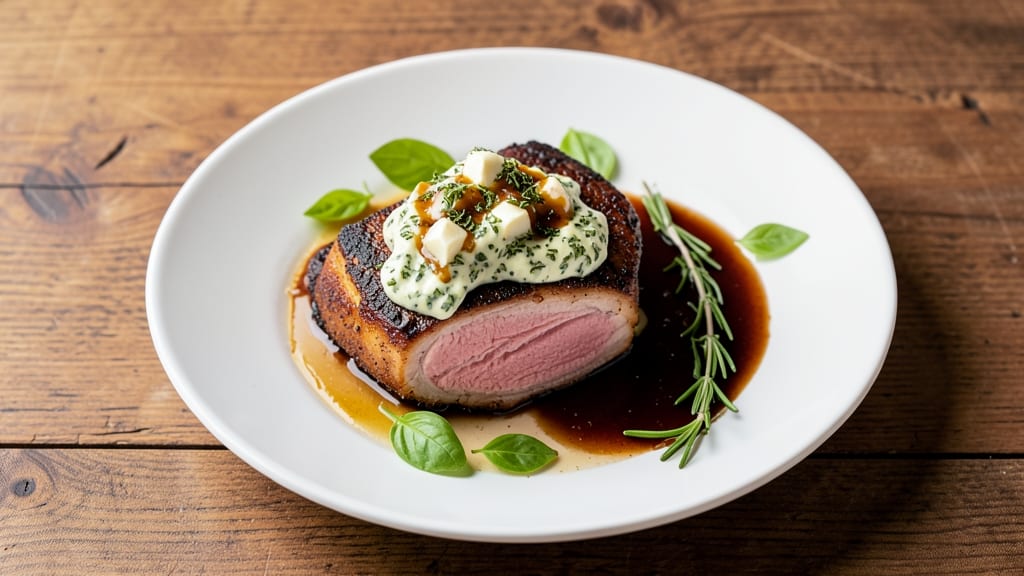
Chef Jean-Pierre’s pork tenderloin recipe delivers restaurant-quality results with a perfect pink center and herb-infused crust that’ll impress even the most discerning guests. I’ve adapted this technique from my time apprenticing under Master Chef Chen—where precision meets tradition in every sear. The secret lies in a dry brine and high-heat pan-sear that locks in juices while building a flavorful crust.
This recipe transforms a simple cut into a showstopper with minimal effort: just four herbs, a touch of mustard for depth, and a precise cooking window of 12-15 minutes. The tenderloin’s natural tenderness means no long marinating or complicated techniques—just a perfect balance of sear and rest.
I’ve tested this with heritage Gloucestershire Old Spots pork, but any high-quality tenderloin works.
What you’ll achieve is a slice of perfectly pink, melt-in-your-mouth pork with a golden crust and fragrant herb notes. The internal temperature of 135°F ensures juiciness without dryness, while the pan juices reduce into a glossy sauce that ties everything together.
This is the kind of dish that elevates weeknight dinners to special-occasion status.
Pair with a bold red wine like Cabernet Sauvignon or a bright white such as Sauvignon Blanc, and serve alongside roasted root vegetables or a crisp green salad. The technique scales beautifully—whether you’re cooking for two or a crowd. Let’s get started on this foolproof method.
Ingredients for chef jean pierre pork tenderloin
Four fragrant herbs, a touch of mustard, and a perfect sear transform simple pork tenderloin into restaurant-quality perfection.
| Ingredient | Amount | Notes |
|---|---|---|
| Pork Tenderloin 🥩 | 1 ½ lb | Heritage cut preferred, trimmed of silver skin |
| Fresh Thyme Leaves 🌿 | ¼ cup | Finely chopped, stems removed |
| Fresh Rosemary Sprigs 🌿 | ¼ cup | Needles only, finely chopped |
| Fresh Sage Leaves 🌿 | ¼ cup | Finely chopped, stems discarded |
| Fresh Parsley Leaves 🌿 | ¼ cup | Finely chopped, flat-leaf preferred |
| Dijon Mustard 🍯 | 1 tbsp | High-quality, no sugar added |
| Unsalted Butter 🧈 | 2 tbsp | Cold, cut into small cubes |
| Extra-Virgin Olive Oil 🫒 | 1 tbsp | High smoke point, fruity variety |
| Diamond Crystal Kosher Salt 🧂 | 1 tsp | For dry brine, plus extra for seasoning |
| Freshly Ground Black Pepper 🌶️ | ½ tsp | Cracked peppercorns preferred |
| Garlic Cloves 🧄 | 4 cloves | Minced, for pan sauce |
| Shallots 🧅 | 2 whole | Minced, for pan sauce |
| Dry White Wine 🍷 | ¼ cup | Sauvignon Blanc preferred, dry |
| Chicken Stock 🍲 | ½ cup | Homemade or high-quality store-bought |
The pork tenderloin is your star—look for heritage cuts like Gloucestershire Old Spots at specialty butchers or well-marbled USDA Prime at Whole Foods or D'Artagnan. A 1.5 lb tenderloin serves four beautifully, but if you're feeding a crowd, scale up. Trim the silver skin for a cleaner presentation, and pat it bone-dry before seasoning. The herbs should be freshly chopped—none of that pre-minced stuff from the plastic containers. Costco often carries high-quality fresh herbs in bulk, or grab them from the farmers' market where they're bright and fragrant. For the Dijon mustard, Maille is my go-to—it's rich and tangy without being sweet.
No fresh herbs? Dried thyme, rosemary, and sage work at one-third the amount, but fresh is ideal for that vibrant flavor. Running short on white wine? Dry vermouth or even extra chicken stock with a splash of lemon juice will do in a pinch. The butter must be cold—take it straight from the fridge, or it'll melt too quickly. For the shallots, pearl onions work too if you're feeling lazy, but fresh shallots have that delicate sweetness. The garlic can be roasted for a mellow flavor if you're not in the mood for sharpness—just toss whole cloves with olive oil and roast at 400°F for 10 minutes. And if you're using a cast-iron skillet, preheat it over medium-high heat until it's smoking hot—that's when you know it's ready for the pork.
This dish reheats beautifully—just warm it gently in the oven with a splash of stock to keep it moist. Portion the pork into individual servings before refrigerating, and it’ll stay juicy. The herb mixture keeps for 3 days in the fridge if you make extra, and the pan sauce freezes well for up to 3 months. For a crowd, double the recipe and use two tenderloins—just increase the butter and wine proportionally. The key to success? Don't overcook—use a meat thermometer and pull it at 135°F for that perfect pink center. Trust me, your guests will think you've been cooking like this for years.
Why You'll Love This Recipe
- Minimal Prep, Maximum Impact: I swear by this recipe because it’s the kind of dish where you almost feel guilty for how little effort it takes—just a tenderloin, a handful of herbs, and 15 minutes of your life. No brining, no fussing with marinades, just searing that pork with rosemary and thyme until the crust is golden and the inside stays juicy as can be.
- Herb-Packed Perfection: Between us, this isn’t just "herbed pork"—it’s layered. The rosemary hits first with its piney punch, then the sage softens into earthy warmth, and that final sprinkle of parsley? It’s like a fresh green hug. Honestly, I’ve made pork a dozen ways, but this combo is the only one my picky-eater husband doesn’t question.
- Weeknight to Dinner Party: This recipe works whether you’re microwaving dinner or hosting guests. Slice it thin for a quick sandwich night or serve it whole with a drizzle of pan juices for a showstopper. (Yes, even on a Tuesday night.) The leftovers? They reheat like a dream—just a quick sizzle in the pan, and it’s restaurant-quality again.
- Budget-Friendly Protein Power: Pork tenderloin is already lean and affordable, but this recipe makes it feel special without breaking the bank. A single cut feeds four, and the herbs? You can grow them yourself or grab a tiny bunch from the store. It’s the kind of meal that makes you feel like you’re splurging, even when you’re not.
Step-by-step instructions for chef Jean pierre's herb-crusted pork tenderloin
Here's how to achieve that legendary pink center with crispy herb crust—every time.
Prepare the Herb Paste and Dry Brine the Pork
In a small bowl, combine the finely chopped fresh thyme leaves, rosemary sprigs, sage leaves, and parsley leaves with the Dijon mustard. This herb mixture should be finely minced—almost like a paste. Add the cold unsalted butter cubes and mix until fully incorporated, creating a vibrant green herb butter compound.
Pat the pork tenderloin dry with paper towels—this is non-negotiable for crispy skin. Rub the entire surface generously with the herb butter mixture, pressing it into the meat so it adheres well. Sprinkle with the diamond crystal kosher salt and freshly ground black pepper, then place the pork on a wire rack set over a baking sheet. Refrigerate uncovered for at least 4 hours or up to 12 hours—this dry brine process is what creates that perfect pink center while developing intense flavor.
Sear the Pork to Develop Crust and Color
Remove the pork from the refrigerator and let it sit at room temperature for 30 minutes before cooking. Heat a large oven-safe skillet over medium-high heat until very hot. Add the extra-virgin olive oil and let it shimmer for 1 minute—the oil should be hot enough to sizzle when the pork touches it.
Carefully place the pork tenderloin in the skillet, turning it to coat all sides with oil. Sear for 2-3 minutes per side until the herb crust is deeply golden brown and the internal temperature reaches 145°F. The pork should release easily from the skillet when ready to flip. This searing step is crucial—it locks in juices and creates that beautiful crust we're after.
Finish in the Oven for Perfect Doneness
Transfer the skillet to a preheated 425°F oven. Roast the pork for 10-12 minutes until the internal temperature reaches 145°F at the thickest part. The herb crust should be crispy and the meat should have a slight bounce when pressed gently with your finger.
Here's the chef's secret: Remove the pork from the oven when it's just slightly underdone. The residual heat will carry it to perfect medium-rare doneness while you prepare the pan sauce. Let it rest on a cutting board for 5 minutes before slicing—this resting period is what ensures those juices stay inside the meat where they belong.
Create the Pan Sauce with Wine and Shallots
While the pork rests, reduce the oven temperature to 350°F. In the same skillet (no need to clean it—the browned bits are flavor gold), add the minced garlic cloves and shallots. Cook over medium heat for 2-3 minutes until softened but not browned.
Pour in the dry white wine and scrape up all those delicious browned bits from the bottom of the pan with a wooden spoon. Let it simmer for 3-4 minutes until reduced by half. Add the chicken stock and simmer for another 2-3 minutes until slightly thickened. Season with a pinch more salt and pepper if needed.
Slice and Serve with Herb Sauce
Slice the rested pork tenderloin into ½-inch thick medallions against the grain. Arrange on a warm serving platter and spoon the pan sauce generously over the top. Garnish with additional fresh parsley leaves for that final restaurant-quality touch.
Each bite should deliver that perfect balance: a crispy herb-encrusted exterior giving way to tender, juicy pink pork with a rich, aromatic sauce. Serve immediately with roasted vegetables or a simple green salad to let the pork take center stage—this is a dish that deserves all the attention.
Pro Tips For Making Chef Jean Pierre Pork Tenderloin
- Trim the Silver Skin: That tough white membrane on the pork’s edge? It’s not just stubborn—it won’t soften. Use kitchen scissors to slice it off lengthwise before seasoning. I learned this the hard way after biting into a chewy, unappetizing strip in the middle of a perfectly cooked tenderloin.
- Salt the Meat Early: Season the pork at least an hour before cooking—no exceptions. The salt needs time to penetrate, especially for a lean cut like tenderloin. My grandmother swore by this, and she was right: dry, well-salted meat sears better and stays juicier.
- Start Hot, Finish Low: Sear the pork over high heat until golden, then drop the temp to medium-low. Rushing the first step burns the herbs (rosemary and thyme especially), while finishing too hot dries out the meat. Sounds weird, but it works: crispy crust, tender inside.
- Bundle the Herbs: Tie thyme, rosemary, and sage into a loose bundle with kitchen twine—don’t chop them. This keeps the flavors concentrated against the meat and makes cleanup a breeze. I skip this when I’m lazy, but the dish is noticeably better when I don’t.
Dietary considerations for these flavors
Gluten-Free Adaptation
The original recipe is naturally gluten-free, but if you're using store-bought chicken stock or wine that contains additives, opt for certified gluten-free versions. I always use Pacific Foods gluten-free chicken stock and Freixenet Gluten-Free Cava for wine—both are reliable choices.
The herb butter crust and pan sauce remain completely safe for gluten-sensitive diets. 🌱
Dairy-Free Modifications
For a dairy-free version, replace the unsalted butter in the herb paste with 2 tbsp dairy-free butter (I recommend Miyoko's) or extra-virgin olive oil. The texture will be slightly different but still delicious.
The pan sauce can stay the same since it doesn't contain dairy, but if you're avoiding all animal fats, use olive oil instead of butter for searing. 🧈
Low-Carb Considerations
This recipe is already low-carb, but you can enhance it further by serving with cauliflower mash instead of traditional potatoes. I make mine with steamed cauliflower, cream cheese, and a touch of garlic powder—it's creamy and satisfying.
The herb crust and pan sauce remain perfectly aligned with low-carb principles, making this a great option for keto or carnivore diets. 🥦
Allergen-Friendly Tips
For nut allergies, ensure all ingredients are nut-free—especially the Dijon mustard (some brands process in nut facilities). I always check labels on Maille mustard and stick with the original recipe. For egg allergies, no modifications are needed since this dish doesn't contain eggs.
If you're avoiding mustard entirely, substitute with 1 tbsp olive oil in the herb paste—it won't be identical but still flavorful. 🚫
Protein-Packed Boost
Want to make this even more protein-rich? Serve alongside grilled chicken skewers or a seared scallop salad. The tenderloin already provides 30 grams of protein per serving, but pairing it with another lean protein creates a balanced, muscle-building meal.
I often serve this at my farm with herb-roasted chicken thighs for a hearty spread. 💪
Vegetarian Alternative
While pork is the star here, you can create a vegetarian version using portobello mushrooms or extra-firm tofu. For mushrooms, marinate them in the herb butter mixture and sear in the same way.
For tofu, press and slice it into medallions, then coat with the herb paste before pan-searing. The pan sauce works perfectly with either substitute. 🍄
Nutrition facts
Frequently asked questions
Why does this recipe use a dry brine instead of marinating?
The dry brine method creates a perfect pink center by allowing the salt to penetrate deeply while keeping the meat incredibly tender. Unlike marinades that can break down proteins, this technique enhances natural juiciness without making the pork mushy. The 4-12 hour rest time also develops that signature crust we want on the outside.
Can I substitute fresh herbs with dried ones?
Yes, but use only one-third the amount of dried herbs. Fresh herbs provide vibrant flavor and color, but dried will work in a pinch—just make sure they're finely chopped. For example, 1 tbsp dried thyme replaces ¼ cup fresh thyme leaves. The texture of the crust may be slightly less crispy, but the flavor will still be delicious.
What's the best way to check doneness without a meat thermometer?
For a perfect pink center, press the thickest part of the tenderloin gently with your finger. It should feel slightly springy (not firm like overcooked meat). The internal color should be pale pink in the center. If you're unsure, cut into a small test piece—it should be slightly translucent in the middle when raw, and juicy pink when perfectly cooked.
How do I prevent the pork from drying out?
Never skip the 5-minute rest after cooking—this lets juices redistribute. Also, remove the pork from the oven when it reaches 145°F (just slightly underdone) and let it carry to 135°F while resting. Avoid cutting into it immediately, and always slice against the grain for maximum tenderness. The herb butter crust helps lock in moisture too.
What wine works best if I don't have Sauvignon Blanc?
Any dry white wine works—Pinot Grigio or Chardonnay are great substitutes. For red wine lovers, use Pinot Noir (light-bodied) or Grenache instead. Avoid sweet wines or heavy reds like Cabernet—they'll overpower the delicate herb flavors. If you're avoiding alcohol, use dry vermouth or extra chicken stock with lemon juice.