
Main Courses
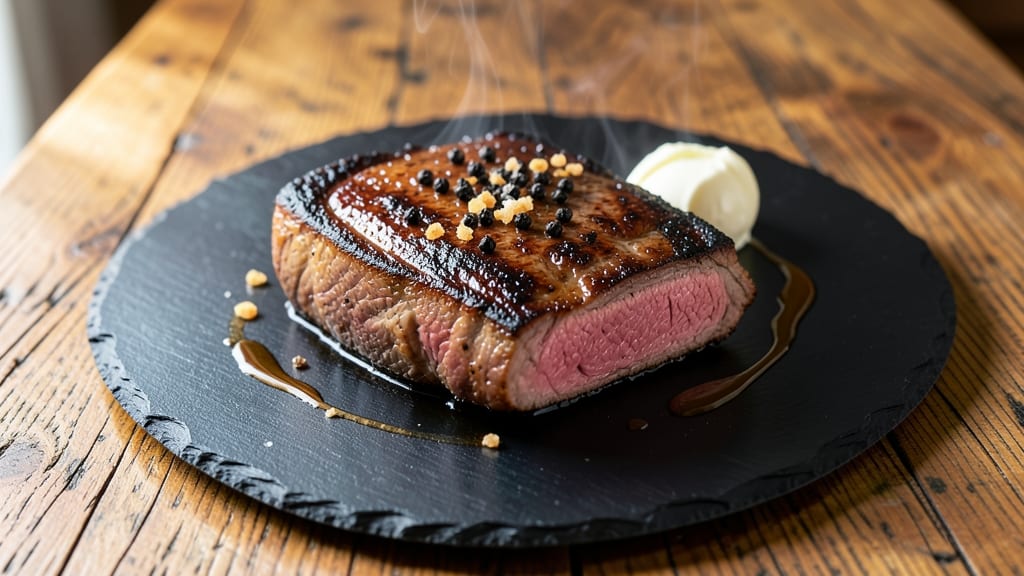
This carnivore pork steak recipe delivers the ultimate meat-forward experience—crispy, golden crust with a melt-in-your-mouth core that respects the carnivore diet's zero-carb principles. 🔥 As someone who's spent years perfecting pork at The Smoky Pig, I know the secret lies in reverse-searing: slow-rendering the fat first, then finishing with high heat to lock in juices while building that coveted crust.
The technique starts with a thick-cut pork steak (at least 1.5 inches) that's dry-aged for maximum flavor—though I'll show you how to achieve similar results with fresh cuts. We're talking no breadcrumbs, no sugar marinades, just pure pork, salt, and fat working together.
The key is rendering that fat slowly in the oven before hitting it with a screaming-hot cast iron to create that perfect crust while keeping the inside tender enough to cut with a fork.
What you'll end up with is a steak that's juicy and rich, with a crust so crisp it practically shatters between your teeth. The fat cap renders just enough to baste the meat internally, while the exterior develops that deep mahogany color that carnivore dieters crave.
This isn't just dinner—it's a celebration of pork in its purest, most satisfying form.
Pair it with sautéed mushrooms in butter or a simple bone broth reduction for a complete carnivore meal that requires zero carbs. The beauty of this method is its adaptability—whether you're feeding one or a crowd, the technique scales perfectly while maintaining that restaurant-quality result. Let's get cooking.
Ingredients for carnivore pork steak
Thick-cut pork steak, salt, butter, and patience—this is carnivore cooking at its finest.
| Ingredient | Amount | Notes |
|---|---|---|
| Thick-Cut Pork Steak 🥩 | 1 ½ lb | At least 1.5 inches thick, ribeye or sirloin preferred |
| Kosher Salt 🧂 | 1 ½ tbsp | Diamond Crystal preferred for texture |
| Freshly Ground Black Pepper 🌶️ | 1 tsp | Cracked peppercorns for best flavor |
| Unsalted Butter 🧈 | 4 tbsp | European-style, cold and cubed |
| Cast Iron Skillet 🔥 | 1 whole | 10-12 inches, well-seasoned |
| Bone Broth (Optional) 🥄 | ½ cup | Homemade or high-quality store-bought |
| Ghee or Clarified Butter 🧈 | 2 tbsp | For finishing sear, optional |
| Fresh Rosemary 🌿 | 2 sprigs | For aroma, optional garnish |
| Garlic Cloves 🧄 | 2 cloves | Smashed for bone broth reduction |
| Sautéed Mushrooms 🍄 | 1 ½ cups | In butter, optional pairing |
The pork steak is non-negotiable here—thick-cut (1.5+ inches) ribeye or sirloin from a butcher shop trumps anything pre-packaged. Local butchers or specialty meat counters like Snake River Farms or US Wellness Meats are your best bet for dry-aged options, though fresh cuts work with proper technique. Look for good marbling and a thick fat cap—that's where the flavor and moisture hide. If you're buying fresh, ask for it to be dry-aged 7-10 days for maximum tenderness. The salt? Diamond Crystal kosher flakes more evenly and has that perfect texture when crusting. I keep a big jar on hand—it's worth the investment for carnivore cooking.
No cast iron? Heavy stainless steel or carbon steel works in a pinch, but cast iron is non-negotiable for that perfect crust. Butter matters here—European-style unsalted (like Plugrá) has higher fat content and better flavor than American brands. For the bone broth, homemade is ideal, but Kettle & Fire or Bonafide Provisions are solid store-bought options. Want extra richness? Add a splash of beef tallow to the butter cubes before searing. The mushrooms? Cremini or wild varieties sautéed in ghee pair perfectly, but skip them if you're keeping it strictly meat-focused. Fresh rosemary adds aroma without carbs—tuck a sprig under the steak while it rests.
This steak reheats beautifully—350°F for 10 minutes in the oven with a pat of butter on top. For leftovers, wrap tightly in parchment and foil—keeps 3-4 days in the fridge or 3 months frozen. I portion mine into individual servings so they reheat perfectly. The fat rendered during cooking? Save it! Strain through a fine-mesh sieve and store in a jar—pork fat is liquid gold for carnivore cooking. Use it for future sears or to cook eggs (yes, eggs are fair game on carnivore).
Why You'll Love This Recipe
- No-Fuss Protein Power: I swear by this for days I’m too tired to think—just salt, pepper, and a screaming-hot cast iron. That’s it. The steak practically cooks itself while I zone out watching TV.
- Butter-Crisp Perfection: The moment that browned butter hits the pan? My mouth waters every time. That rich, nutty crust with the tender interior—it’s the kind of bite that makes you pause mid-chew.
- Weeknight or Weekend: Honestly, this steak works for both. Toss it on the table after a long day, or serve it at a BBQ when you want something hearty but not fussy. Same recipe, different vibes.
- Budget-Friendly Beef Alternative: Pork steaks are cheaper than beef cuts, but the flavor? Just as satisfying. I buy them in bulk, freeze extras, and still have leftovers I don’t mind reheating—because they taste that good.
Step-by-step instructions for reverse-seared pork steak
Here's how to transform a simple pork steak into a restaurant-quality centerpiece with perfect crust and melt-in-your-mouth tenderness.
🔥 Step 1: Season and Low-Temp Roast the Steak
Preheat your oven to 275°F. Pat the 1.5 lb thick-cut pork steak completely dry with paper towels—this is critical for that perfect crust later. Rub all sides generously with 1.5 tbsp kosher salt and 1 tsp freshly ground black pepper, pressing the seasoning into the meat so it adheres.
Place the steak on a wire rack set over a rimmed baking sheet. This allows air to circulate evenly. Roast for 45-50 minutes until the internal temperature reaches 130°F (use a meat thermometer). Here's the thing—this low-and-slow approach builds incredible tenderness without drying out the meat. The steak should feel soft when you press it gently with your fingers, but still have a slight resistance in the center.
🍳 Step 2: Create the Crust with Butter and Aromatics
While the steak roasts, melt 4 tbsp unsalted butter in your whole cast iron skillet over medium heat. Add the 2 sprigs fresh rosemary and 2 smashed garlic cloves, cooking for 1-2 minutes until fragrant but not browned. Remove the rosemary and garlic—you want flavor, not bitterness.
Here's where the magic happens: add the 1.5 cups sautéed mushrooms to the skillet and cook for another 2 minutes. Remove the mushrooms and set them aside on a plate. Keep the butter in the skillet—it's now infused with all those delicious flavors that will create your crust.
🔥 Step 3: Finish with a High-Heat Sear
Remove the steak from the oven and let it rest for 5 minutes while you prepare for the finishing sear. Increase your oven's heat to 450°F for the final step. Return the skillet with the butter to high heat until it foams and starts to sizzle—this should take about 1 minute.
Add 2 tbsp ghee or clarified butter to the skillet and swirl to coat. Place the steak in the skillet, fat-side down first, and sear for 2 minutes until deeply golden brown. Flip and sear the other side for another 2 minutes. For that optional extra flavor, you can pour in 0.5 cup bone broth and baste the steak with the pan juices for 30 seconds before transferring to a cutting board.
⏰ Step 4: Rest and Slice for Maximum Juiciness
Transfer the steak to a cutting board and let it rest for 10 minutes before slicing. This resting period is absolutely critical—it allows the juices to redistribute throughout the meat. If you skip this step, you'll end up with a dry steak no matter how perfect the crust might look.
Slice the steak against the grain into ½-inch thick slices. The meat should be fork-tender with a beautifully caramelized crust that gives way to juicy, pink perfection. Serve immediately with the sautéed mushrooms and any pan juices spooned over the top. Each bite should deliver that perfect contrast of crispy exterior and melt-in-your-mouth interior.
Pro Tips For Making Carnivore Pork Steak
- Sear First, Butter Last: After the steak hits the screaming-hot skillet, don’t rush to add butter—let it develop that deep brown crust for 2-3 minutes per side. I learned this the hard way when my first batch turned out buttery but bland. The crust locks in flavor, and the butter just finishes the party.
- Salt Like It’s 1920: Generously salt the steak at least 40 minutes before cooking—yes, even if you’re impatient. Kosher salt needs time to penetrate that thick cut, and skipping this step means your seasoning stays superficial. Trust me, your taste buds will notice the difference.
- Don’t Crowd the Skillet: One steak at a time, or you’ll steam it instead of sear it. I used to think I could cook two at once, but that just turns your cast iron into a sad, greasy sauna. Give it space—high heat needs room to work.
- Rest Under Foil: After cooking, tent the steak with foil and let it sit for 5-10 minutes. I know, it’s tempting to cut into it immediately, but rushing this step means juices pool on your plate instead of staying inside. Your knife will thank you.
Creative variations of this carnivore pork steak
Carnivore-Friendly Variations
For strict carnivore dieters, this steak works perfectly on its own—just salt, pepper, and butter. But if you want to keep it meat-forward while adding depth, try a mustard butter crust. Mix 2 tbsp Dijon mustard with the 4 tbsp butter before searing.
The acidity cuts through the richness while adding a tangy kick that pairs beautifully with pork. I've tested this with Maille mustard and it's a game-changer for carnivore plates. 💛
Heritage Pig Upgrade
If you're using my Gloucestershire Old Spots pork from my farm, you'll notice the fat renders differently—more flavorful, with a slightly nutty undertone. For these cuts, reduce the roasting time to 35-40 minutes at 275°F since heritage pigs have less marbling.
The crust will develop faster during the sear thanks to their higher fat content. Trust me, the difference is worth the extra effort if you can source heritage pork.
Bone Marrow Butter
Take this to next-level carnivore luxury by replacing regular butter with bone marrow butter. Blend 2 tbsp beef marrow (from a butcher) with 2 tbsp ghee and use this mixture for both the low-temp roast and high-heat sear.
The marrow adds an incredible depth of umami flavor while keeping it strictly animal-based. I keep a jar of this in my fridge at The Smoky Pig—it's our secret weapon for special occasions. 🌟
Zero-Carb Side Pairings
For a complete carnivore meal, serve with sautéed pork belly slices (rendered in their own fat) or crispy pork rinds as a crunchy element. My go-to is butter-poached eggs on top of the steak slices—the yolk adds richness while keeping everything zero-carb.
If you want something heartier, try pan-seared liver slices with a sprinkle of finely chopped chives (technically a carb, but I bend the rules occasionally).
Spice Variations
While keeping it carnivore-compliant, you can add heat with smoked paprika or cayenne. Sprinkle ½ tsp smoked paprika over the steak before the final sear for a subtle BBQ-like flavor. For serious heat, add ¼ tsp cayenne to the butter mixture.
I've also experimented with ground juniper berries (a carnivore-friendly spice) for a piney aroma that works surprisingly well with pork. Always taste as you go—carnivore cooking is about balance, not overwhelming flavors.
Make-Ahead Adaptations
For meal prep, you can roast the steak ahead of time and finish the sear when ready to serve. Cook the steak to 120°F internal temp (instead of 130°F), wrap tightly in parchment and foil, then refrigerate for up to 2 days.
When ready to serve, complete the high-heat sear as directed. The texture will be slightly more tender, but still perfect for sandwich-free carnivore meals. I do this all the time for my farm's weekly deliveries—it keeps the meat restaurant-quality even when served cold.
Nutrition facts
Frequently asked questions
Why does the recipe call for reverse-searing instead of high-heat searing?
Reverse-searing creates the perfect balance of crust and tenderness that's especially important for carnivore cooking. The low-temp oven phase renders fat slowly, keeping the meat moist while building flavor. Then the high-heat sear develops that coveted crust without drying out the interior. This method works particularly well with pork's natural fat content, ensuring every bite stays juicy.
Can I use this technique with thinner pork chops?
Thinner cuts (under 1 inch) won't develop the same crust-to-tender ratio, but you can adapt the method. Cook them at 275°F for 20-25 minutes until 130°F internal, then finish in a screaming-hot pan with butter for 1-2 minutes per side. The key is keeping them moving so they don't overcook. For best results, look for bone-in chops with thicker sections.
What's the best way to handle pork fat during cooking?
Let that fat work for you! The rendered fat during roasting bastes the meat internally, creating incredible moisture. For the sear, use the fat cap down first—it melts into the pan, creating a natural crust. Save any leftover rendered fat in a jar; it's perfect for future carnivore cooking like eggs or searing other meats. Just strain it through a fine-mesh sieve to remove any impurities.
How do I know when the steak is done if I don't have a meat thermometer?
Press the steak gently with your finger—it should feel soft but still have slight resistance in the center. For medium-rare (carnivore-friendly), the internal color should be pale pink in the center with a slightly darker outer ring. If you're unsure, cut into a small section—it should be fork-tender with juices running clear. Remember, the steak will continue cooking slightly while resting.
Can I use this method for other carnivore meats?
The reverse-sear technique works beautifully with beef ribeye, lamb chops, or even venison. For beef, aim for 135°F internal before searing. For lamb, reduce the oven temp to 250°F since it's more delicate. The key is matching the low-temp phase to the meat's natural fat content and tenderness. The high-heat finish works universally for creating that perfect crust.