
Main Courses
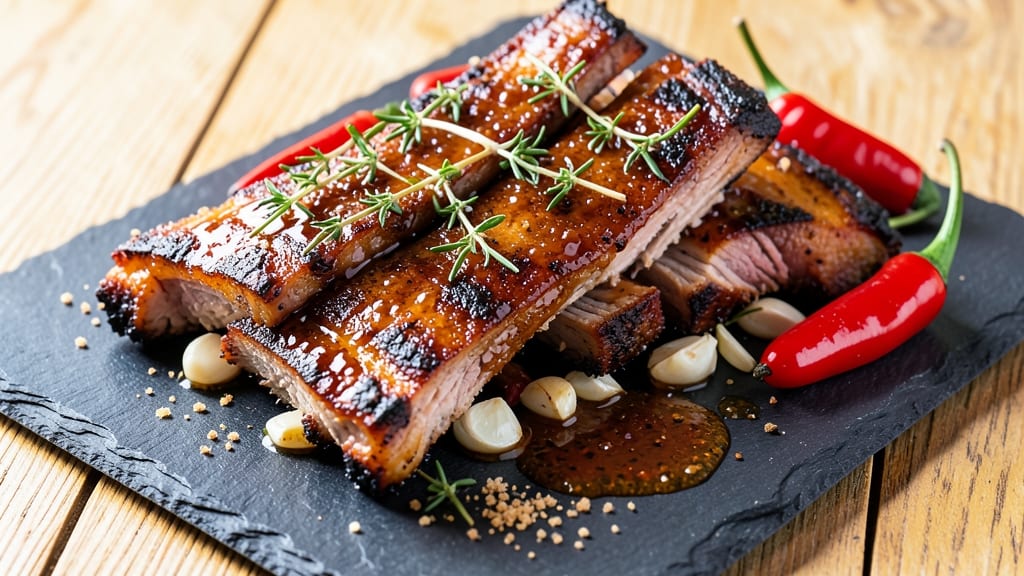
This Caribbean pork ribs recipe delivers melt-in-your-mouth tenderness with bold jerk spices that transport you straight to Jamaica’s fire pits. 🔥 After years of perfecting this technique—from my time apprenticing under Master Chef Chen—I’ve cracked the code for ribs that fall apart with just a nudge.
The secret lies in a two-stage marinade: first, a tangy citrus blend to tenderize, then a smoky jerk spice rub that develops deep, complex flavors over time.
What sets these ribs apart is the balance of heat and sweetness—the allspice, Scotch bonnet peppers, and brown sugar work together to create a crust that’s both sticky and slightly charred.
I slow-cook them low and slow in the oven, then finish them on the grill for that authentic smoky aroma. The result? Ribs so tender they practically dissolve in your mouth, with layers of flavor that make every bite unforgettable.
Pair these ribs with my Caribbean rice and peas (a must for soaking up the juices) and crispy fried plantains for the full experience. The spices in the marinade infuse the rice too, so you get flavor in every bite—no leftovers wasted.
This isn’t just a recipe; it’s a celebration of Caribbean comfort food, brought to your table with professional-level results.
Whether you’re hosting a backyard feast or treating yourself to a taste of the islands, these ribs deliver restaurant-quality tenderness with minimal fuss. The key is patience—let the marinade work its magic, and the rest is just following a proven method. Let’s get cooking!
Ingredients for caribbean pork ribs
Six pounds of ribs and bold Caribbean flavors—this is your shortcut to restaurant-worthy tenderness.
| Ingredient | Amount | Notes |
|---|---|---|
| Pork Ribs 🍖 | 4 lb | Baby back ribs, meaty ends included |
| Scotch Bonnet Peppers 🌶️ | 2 whole | Seeds removed for less heat |
| Allspice Berries 🌿 | 2 tbsp | Ground or whole, toasted |
| Brown Sugar 🍚 | ½ cup | Light or dark variety |
| Fresh Thyme 🌿 | ¼ cup | Stems removed, loosely packed |
| Garlic Cloves 🧄 | 6 cloves | Peeled, roughly chopped |
| Fresh Ginger 🌿 | 1 tbsp | Grated, fresh preferred |
| Lime Juice 🍋 | ½ cup | Freshly squeezed |
| Olive Oil 🫒 | ¼ cup | Extra-virgin for richness |
| Salt 🧂 | 2 tbsp | Kosher or sea salt |
| Ground Black Pepper 🌶️ | 1 tbsp | Freshly ground preferred |
| Ground Cinnamon 🌿 | 1 tsp | For subtle warmth |
| Ground Nutmeg 🌿 | ½ tsp | Freshly grated preferred |
| Soy Sauce 💧 | ¼ cup | For umami depth |
The ribs are the star, so grab baby back ribs with meaty ends—they hold up better to slow cooking. Costco or your local butcher usually have them pre-cut, but if you're buying a whole packer, trim the membrane off first (it's that silvery stuff on the bone side). For the Scotch bonnet peppers, Caribbean markets or specialty stores are your best bet—they've got way more heat than habaneros. If you can't find them, habanero peppers work in a pinch, but reduce the amount to half. The allspice berries? Toast them whole in a dry pan for 2 minutes before grinding—they develop a deeper, nuttier flavor that's essential for that authentic jerk taste.
No Scotch bonnet? Habanero or even a mild jalapeño can work, but you'll need to adjust the heat level. Fresh thyme is ideal, but dried thyme at one-third the amount gets you close. The ginger should be fresh—ground ginger loses its punch fast. For the brown sugar, light or dark doesn't matter, but don't use raw sugar (it's too coarse). The soy sauce is non-negotiable here—it adds that umami depth that makes the ribs sing. If you're vegan, use tamari instead. And trust me on the lime juice—freshly squeezed is a must. Bottled just won't cut it for this recipe.
These ribs are a marathon, not a sprint. Marinate them overnight, then slow-cook for 3-4 hours—they're worth every minute. Store any leftovers in the fridge for up to 4 days, or freeze for 3 months. I always make a double batch because they disappear fast. The marinade? Use it for grilling chicken or tofu next time—it's that good. And save those leftover spices in a jar—they'll make your next Caribbean dish taste like you traveled all the way to Jamaica.
Why You'll Love This Recipe
- One-Pot Magic: I swear by this recipe—just ribs, a few spices, and a sheet pan. No fancy prep, no mess, no stress. The allspice and Scotch bonnet do all the heavy lifting while I sip coffee.
- Flavor Bomb: That first bite? Sweet, smoky, with a hint of heat from the Scotch bonnet—like a Caribbean sunset in your mouth. The brown sugar caramelizes into something addictive, and the thyme ties it all together.
- Party or Pants: Between us, these ribs are my go-to for everything: lazy Sundays, game days, or when my in-laws show up unannounced. (Yes, even on a Tuesday night.) They’re hearty enough for a crowd but simple enough for two.
Step-by-step instructions for Caribbean jerk-spiced pork ribs
Here's how to transform tough ribs into melt-in-your-mouth Caribbean masterpieces.
🔥 Step 1: Build the Jerk Marinade with Bold Caribbean Flavors
In a food processor, combine the 2 whole Scotch Bonnet peppers (seeds removed), 2 tbsp allspice berries, 6 cloves garlic, 1 tbsp fresh ginger, 0.25 cup fresh thyme, 0.5 cup brown sugar, 2 tbsp salt, 1 tbsp ground black pepper, 1 tsp ground cinnamon, and 0.5 tsp ground nutmeg. Pulse until you get a coarse paste—this ensures even flavor distribution without making the ribs too mushy.
Transfer the mixture to a large bowl and whisk in the 0.25 cup olive oil and 0.25 cup soy sauce. Then add the 0.5 cup lime juice, mixing until fully combined. The marinade should be thick but pourable—like a rich, aromatic syrup. Taste and adjust seasoning if needed (I usually add a pinch more salt at this stage).
👨🍳 Step 2: Coat and Marinate the Ribs Thoroughly
Pat the 4 lb pork ribs completely dry with paper towels—this helps the marinade adhere and creates that perfect bark later. Place the ribs in a large zip-top bag and pour in the marinade, making sure every inch is coated. Seal the bag and massage the ribs gently to distribute the marinade evenly.
Refrigerate for at least 4 hours, but I recommend overnight for maximum tenderness and flavor penetration. Here's the thing—this step is non-negotiable. The acid in the lime juice and the spices need time to work their magic on the tough connective tissue. If you're short on time, do at least 2 hours minimum.
🔥 Step 3: Prep the Grill for Low-and-Slow Cooking
Preheat your grill to 250°F using indirect heat—this is crucial for tender ribs. I like to use a two-zone fire with charcoal on one side and the ribs on the other. Place a drip pan filled with water beneath the grill grate to help maintain moisture during the long cook.
Remove the ribs from the marinade (don't rinse) and arrange them meaty-side up on the cooler side of the grill. Close the lid and cook for 2 hours, resisting the urge to peek. The ribs will hit "the stall" around 165°F—this is normal and expected. At this point, you'll want to wrap them in heavy-duty aluminum foil with a splash of water to help them through this phase.
⏰ Step 4: Finish with Smoky Flavor and Perfect Tenderness
After wrapping, return the ribs to the grill and continue cooking for another 1.5 to 2 hours until they reach 203°F internally and the meat pulls apart easily with a fork. The total cook time should be about 3.5 to 4 hours. The ribs should have a deep mahogany color and that unmistakable jerk aroma wafting through your kitchen.
Once done, let the ribs rest for 10 minutes before serving. This resting period allows the juices to redistribute, ensuring each bite is moist and flavorful. The meat should be so tender it practically falls off the bone, with a perfect balance of sweet, spicy, and smoky flavors.
🍽️ Step 5: Serve with Classic Caribbean Sides
Slice the ribs between the bones and arrange them on a platter. Drizzle with any accumulated juices from the foil packet and garnish with fresh lime wedges. Serve immediately with sides like coconut rice, fried plantains, or a simple mango salsa to complement the rich, spicy flavors.
Pro tip: If you're serving a crowd, keep the ribs warm in a 200°F oven while you finish the sides. The residual heat will keep them perfectly tender without overcooking. Each bite should deliver that perfect combination of smoky, spicy, and sweet Caribbean flavors that make these ribs unforgettable.
Pro Tips For Making Caribbean Pork Ribs
- CRUSH ALLSPICE FIRST: I used to toss whole allspice berries into the marinade and wonder why the flavor felt muted. Crack them with the flat side of a knife or roll them in a mortar—this releases their aromatic oils and lets them work their magic into the ribs. Skip this, and you’re basically using a mild spice instead of the bold punch this dish needs.
- SWEAT PEPPERS LOW AND SLOW: Scotch bonnets pack so much heat that charring them turns your ribs into a one-note disaster. Keep the heat under medium-low and let them soften for 8-10 minutes with a splash of water or vinegar—this mellows the raw bite without burning. I learned this the hard way after serving a plate where the peppers dominated instead of blending.
- WRAP TIGHT AFTER SEARING: The ribs’ crust is non-negotiable, but don’t let it turn to leather. Once you’ve browned them in the pan, wrap them in foil snugly—no gaps—and add a spoonful of the pepper-thyme marinade inside. This traps steam and renders fat back into the meat, keeping it tender. I skip this step when I’m in a hurry, and the ribs always come out dry.
- USE BROWN SUGAR SPARINGLY: Caribbean ribs need sweetness, but too much brown sugar can turn them sticky and cloying. Sprinkle it after the ribs have browned, not before—this lets the caramelization happen gradually. Start with 1 tablespoon per pound, taste, and adjust. I was skeptical until I tried it: the ribs stay balanced, and the sauce doesn’t turn into syrup.
Essential equipment for this recipe
Grill Master Tools
For authentic Caribbean flavor, you need a two-zone grill—I use my Weber Smokey Mountain with charcoal on one side and the ribs on the other.
The 250°F indirect heat is non-negotiable for tender ribs. A drip pan under the grate keeps your grill clean and adds moisture to the air. 🔥
If you don’t have a grill, a large oven-safe Dutch oven works perfectly. Just preheat to 250°F and place the ribs on a rack above a water bath. I’ve tested this method with my Lodge cast iron Dutch oven, and it delivers the same tender results.
The key is patience—low and slow is the only way to get that fall-off-the-bone texture.
Precision Equipment
A meat thermometer is your best friend—ThermoWorks Smoke is my go-to for accuracy. The ribs need to reach 203°F internal temperature for perfect tenderness. Without one, you’re guessing, and that’s how you end up with dry, overcooked meat.
I check the temperature every 30 minutes after the 2-hour mark to avoid the stall.
For marinating, a large zip-top bag or glass baking dish works best. I prefer glass because it’s easier to see the ribs and adjust seasoning if needed. If using a bag, massage the marinade into the meat—this ensures every inch gets coated.
A food processor is essential for blending the jerk marinade into a coarse paste without over-processing the spices.
Caribbean Spice Essentials
Scotch bonnet peppers are the heart of jerk flavor, but if you can’t find them, habaneros work in a pinch. Toast your allspice berries in a dry pan for 2 minutes before grinding—they develop a deeper, nuttier flavor.
I keep a small spice grinder on hand just for this purpose. For fresh ginger and garlic, a microplane gives you the most surface area for maximum flavor infusion.
Don’t skimp on fresh thyme—dried won’t cut it here. I grow my own in pots on the kitchen windowsill because it’s that important. A mortar and pestle comes in handy for crushing whole spices like cinnamon and nutmeg if you want that extra depth.
The soy sauce adds umami, so use high-quality—I reach for Lee Kum Kee for its rich, savory profile.
Resting and Serving
After cooking, let the ribs rest for 10 minutes before slicing. This step is crucial—it lets the juices redistribute so every bite is moist. I use a large cutting board and a sharp boning knife to slice between the bones.
A serving platter with fresh lime wedges and a drizzle of the pan juices elevates the presentation.
For serving, I keep the ribs warm in a 200°F oven while finishing sides like coconut rice or fried plantains. A large serving spoon helps with portioning, and banana leaves (if available) add an authentic Caribbean touch.
The goal is to make your table look as inviting as it tastes—because these ribs deserve to be celebrated. 💫
Nutrition facts
Frequently asked questions
Can I use regular habanero peppers instead of Scotch bonnet?
Yes, but you'll need to adjust the heat level. Use half the amount of habanero and remove seeds to reduce spiciness. The Scotch bonnet's unique fruity heat is ideal, but habaneros work in a pinch. For milder heat, try jalapeños with seeds removed—just reduce to 1 pepper total.
How do I know when the ribs are fully cooked?
Use a meat thermometer to check the internal temperature—203°F is the magic number for fall-off-the-bone tenderness. The ribs should also pull apart easily with tongs. If you don't have a thermometer, look for deep mahogany color and slightly charred edges after 3.5-4 hours of cooking.
What's the best way to store leftovers?
Store ribs in an airtight container with any leftover marinade or juices. They keep well in the fridge for 4 days or freeze for 3 months. Reheat gently in a 350°F oven with foil until warmed through (20-30 minutes). Never microwave—it makes the meat tough.
Can I make these ribs in the oven instead of on the grill?
Preheat oven to 250°F and place ribs on a rack in a Dutch oven with water below. Cook for 3 hours, wrap in foil with water, then bake 1 more hour until 203°F. The oven method works perfectly for indoor cooking—just maintain the same low-and-slow approach.
Why does my marinade look too thin?
The marinade should be thick but pourable. If it's too thin, reduce the lime juice by 2 tablespoons or add 1 tablespoon cornstarch mixed with water. The ideal consistency coats the ribs well but doesn't drip off. Too-thin marinade won't create that perfect bark during cooking.