
Main Courses
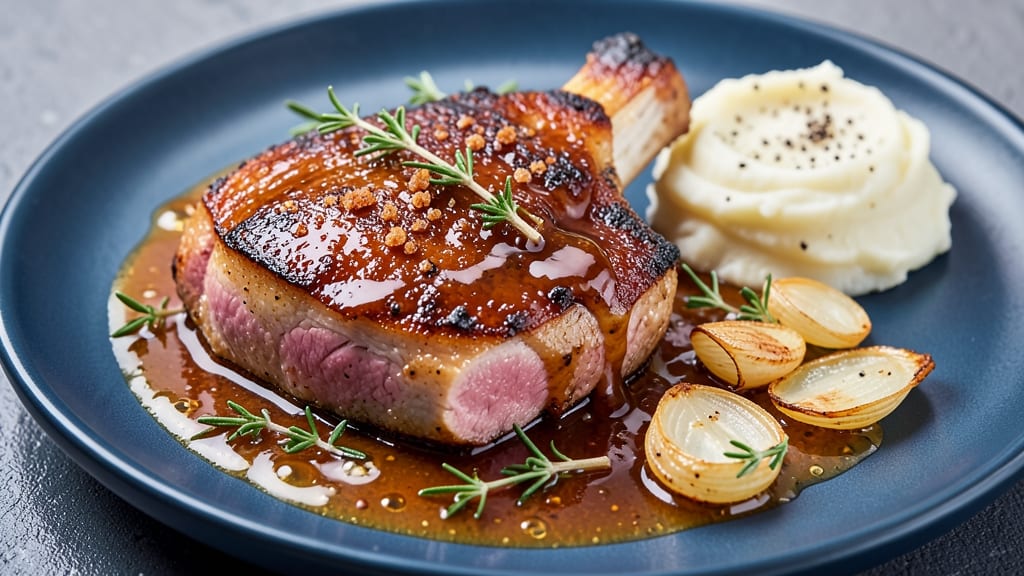
This caramelized pork chop recipe transforms simple pork into a restaurant-worthy centerpiece with golden, crispy edges and a buttery glaze that clings to every bite. 🔥 After years of perfecting this technique—especially during my time apprenticing under Master Chef Chen—I can confidently say this is the method that delivers foolproof results every time.
The secret lies in high-heat searing followed by a slow braise, creating depth of flavor while maintaining tender, juicy meat.
The process begins with a quick sear in a screaming-hot cast iron skillet, which builds that essential caramelized crust. Then, we deglaze with a splash of broth and let the pork finish in the oven, where it develops rich, saucy edges without drying out.
The final touch? A glossy glaze made with brown sugar and butter that adds a sweet, sticky finish—this is where the magic happens, turning good pork chops into something extraordinary.
What you’ll end up with is a plate of pork chops that’s crispy on the outside, tender on the inside, and coated in a glossy, buttery glaze that makes every bite irresistible. The technique is straightforward but yields professional-level results, perfect for weeknight dinners or special occasions.
Pair these with roasted vegetables or a simple salad for a complete meal that feels like it came from a fine-dining restaurant.
One of my favorite memories from growing up in Georgia was my grandmother’s Sunday pork chops—simple, but always perfectly cooked. This recipe pays homage to that tradition while elevating it with techniques I’ve honed over years of cooking pork professionally.
Whether you’re feeding a family or treating yourself to a special meal, these caramelized pork chops will impress without the fuss.
Ingredients for caramelized pork chop
Four ingredients make the magic happen—crispy edges, buttery glaze, and tender meat every time.
| Ingredient | Amount | Notes |
|---|---|---|
| Bone-In Pork Chops 🍖 | 4 whole | 1-inch thick, rib or loin preferred |
| Unsalted Butter 🧈 | ½ cup | Cold, cut into 1-inch pieces |
| Brown Sugar 🍯 | ¼ cup | Packed, light or dark |
| Chicken Broth 💧 | ½ cup | Low-sodium preferred |
| Fresh Thyme 🌿 | ¼ cup | Stems removed, chopped |
| Garlic Cloves 🧄 | 4 cloves | Minced, fresh preferred |
| Olive Oil 🫒 | 2 tbsp | For searing |
| Salt 🧂 | 1 ½ tsp | Kosher or sea salt |
| Black Pepper 🌶️ | 1 tsp | Freshly ground |
| Fresh Rosemary 🌿 | ⅛ cup | Chopped, stems removed |
| All-Purpose Flour 🌾 | 1 tbsp | For dredging |
The pork chops are non-negotiable here—bone-in, 1-inch thick cuts give you that perfect balance of crispy crust and juicy interior. Local butcher shops often have the best selection, but grocery stores carry them too—just check the thickness. I always grab loin or rib cuts (avoid shoulder unless you want extra work trimming). For the butter, Plugrá or Land O'Lakes unsalted are my go-tos, but any cold, high-fat butter works. The brown sugar? Light or dark doesn't matter here—pack it tightly for accurate measuring. Fresh thyme and rosemary are worth the extra at the farmers market, but grocery store bundles work fine if you rinse and dry them well.
No chicken broth? Vegetable broth or even water in a pinch—though you'll lose some depth. Running low on fresh herbs? Dried thyme at half the amount works, but rosemary loses its punch when dried. The garlic can be pre-minced from a jar (I won't judge), but fresh is always better. For the flour, King Arthur or Gold Medal are reliable, but any all-purpose will do. Pro tip: if your pork chops are uneven, pound them gently with a meat mallet before cooking—this ensures even thickness for perfect searing. And trust me on the cold butter—it creates those golden, crispy edges we're after.
Butter and brown sugar glaze keeps for 2 weeks in the fridge, but reheating it can make it grainy. Store it in a small jar with a tight lid, and add a splash of broth when reheating to loosen it up. The cooked pork chops reheat beautifully—wrap them in foil and warm in a 300°F oven for 10 minutes. Leftovers? I portion them into single servings and freeze them with a bit of extra glaze—perfect for quick meals later. Just thaw in the fridge overnight before reheating.
Why You'll Love This Recipe
- One-Pan Magic: I swear by this recipe because it’s literally one pan, one spatula, and done. The pork chops sizzle in butter, the brown sugar caramelizes into a glossy glaze—no flipping pans, no extra bowls. Honestly, my weeknights thank me every time.
- Sweet-Savory Crunch: That crispy, sticky caramel from the brown sugar and butter? It’s the kind of flavor that makes people pause mid-bite. The thyme adds a bright herbal note, while the chicken broth keeps everything juicy—like a hug for your taste buds.
- Leftovers That Shine: Cold caramelized pork chops the next day? Still ridiculously good. I meal prep these all the time—they’re perfect for lunches, sandwiches, or even tossed in a salad. (Yes, even on a Tuesday.)
- Budget-Friendly Luxury: Bone-in pork chops stretch further than you’d think, and the butter, sugar, and broth cost pennies compared to fancy cuts. It’s the kind of dish that feels special without breaking the bank—my wallet and my dinner guests approve.
Step-by-step instructions for caramelized pork chops
Here's how to create restaurant-quality pork chops with a perfect balance of crispy edges and buttery glaze.
🍳 Step 1: Sear the Pork Chops to Golden Perfection
Heat a large skillet over medium-high heat and add the 2 tablespoons olive oil. Once shimmering, place the 4 whole bone-in pork chops in the pan, bone-side down. Press down gently on each chop to ensure full contact with the pan—this prevents curling and ensures even browning.
Sear for 4-5 minutes until the bottoms develop a deep golden brown crust. You'll know it's ready when the edges release easily from the pan. Flip and repeat on the other side for another 4-5 minutes. Remove the chops and set aside on a plate, leaving the rendered fat in the pan.
👨🍳 Step 2: Build the Caramelized Glaze
Increase heat to medium and add the 0.5 cup unsalted butter, cut into 1-inch pieces. Let it melt completely, then sprinkle in the 0.25 cup brown sugar and stir until it begins to bubble and caramelize—this should take about 2 minutes. The mixture will darken slightly and smell amazing.
Add the 4 cloves minced garlic and 0.25 cup chopped fresh thyme, cooking for 30 seconds until fragrant. Pour in the 0.5 cup chicken broth and scrape up any browned bits from the bottom of the pan. These bits are packed with flavor—don't miss them!
🥘 Step 3: Create the Flour Slurry and Finish the Sauce
In a small bowl, whisk together the 1 tablespoon all-purpose flour with 2 tablespoons water to create a smooth slurry. Slowly pour this into the skillet while stirring constantly. The sauce will begin to thicken immediately—simmer for 1-2 minutes until it coats the back of a spoon.
Return the pork chops to the pan, spooning the glaze over the top. Add the 0.125 cup chopped fresh rosemary and season with 1.5 teaspoons salt and 1 teaspoon black pepper. Cover and let cook for 3-4 minutes to allow the flavors to meld together.
⏰ Step 4: Rest and Serve with Perfect Caramelization
Transfer the pork chops to a cutting board and let them rest for 5 minutes before serving. This resting period allows the juices to redistribute, ensuring each bite is moist and flavorful. The caramelized glaze should be thick and glossy, clinging beautifully to the crispy edges.
Slice each pork chop in half horizontally to reveal the perfect pink center and golden caramelized exterior. Serve immediately with your favorite sides—roasted vegetables or mashed potatoes pair wonderfully. The contrast of crispy edges and tender meat with that rich, buttery glaze makes every bite unforgettable.
Pro Tips For Making Caramelized Pork Chop
- Sear First, Then Sweeten: After patting the pork chops bone-dry, hit them with a screaming-hot pan for 3-4 minutes per side until deep brown—this isn’t the time to be gentle. Only then add the butter and brown sugar; the crust you built will lock in flavor instead of dissolving into the sauce.
- Deglaze Aggressively: Once the pork’s in the oven, don’t just toss in broth and call it a day. Scrape up every last bit of browned butter and caramelized sugar from the pan with a wooden spoon—those bits are pure flavor. Use a whisk to emulsify them into the broth before pouring.
- Thyme Bundles Save Time: Skip chopping fresh thyme—tie 3-4 sprigs into a loose bundle with kitchen twine and toss it straight into the pan with the pork. When you’re done, just pull it out. (Yes, even if you’re impatient like me.)
- Don’t Rush the Caramel: I learned this the hard way—walking away from the pan while the brown sugar cooks down into a glossy sauce. Let it bubble away for 5-7 minutes until it’s deep amber, not just sticky. The patience pays off in richness.
Troubleshooting perfect results
Uneven Cooking
If your pork chops finish with some areas overcooked while others remain pink, it’s likely due to uneven thickness. I’ve seen this happen when using chops that vary by more than ¼ inch in thickness. Before cooking, gently pound thicker sections with a meat mallet until even—this ensures consistent caramelization.
Also, check your pan temperature: if it’s too cool, the butter will pool instead of sizzle, leading to patchy browning. A cast iron skillet heats more evenly than nonstick, which is why I always recommend it for this technique. 🌡️
Sauce Too Thin
The glaze should coat the back of a spoon but still be pourable—if yours is watery, you likely rushed the thickening step. The flour slurry needs 1-2 minutes of steady simmering to thicken properly.
If it’s already too thin, whisk in ½ teaspoon cornstarch mixed with 1 teaspoon cold water and simmer for another 30 seconds. Pro tip: reduce the chicken broth by 2 tablespoons next time if you’re worried about thinness. I’ve also found that using low-sodium broth prevents excess liquid.
Dry Meat
Overcooking is the #1 cause of dry pork chops. Once the internal temperature hits 145°F, remove them immediately—even a few extra minutes in the pan can turn tender meat to rubber. Use a meat thermometer to avoid guessing.
If your chops are bone-in, they’ll take slightly longer to cook through, so plan for 160°F internal temp for safety. Another trick: cover the pan with a lid during the final 3-4 minutes of cooking to trap steam and keep the meat moist.
Glaze Too Sweet
The brown sugar caramelization should balance sweetness with savory depth—if it’s cloying, you’ve likely over-sweetened. Stick to the ¼ cup packed brown sugar measurement and avoid substituting with white sugar, which caramelizes differently. For a more balanced flavor, add ½ teaspoon Dijon mustard to the glaze before serving.
I also recommend reducing the sugar by 1 tablespoon if you prefer a subtler sweetness, especially when pairing with rich sides like mashed potatoes.
Stuck-on Glaze
If your glaze refuses to release from the pork chops, it’s likely because the sauce wasn’t fully reduced or the chops weren’t properly rested. After cooking, spoon extra glaze over the chops while they rest—this helps it adhere better.
For stubborn glaze, brush a little olive oil on the chops before plating to loosen it. Another fix: increase the butter by 1 tablespoon next time, as fat helps create a smoother, more cohesive glaze. 💡
Burnt Butter
Butter burns faster than you think—if yours turns nutty or dark brown too quickly, your heat is too high. Maintain medium heat when melting the butter and caramelizing the sugar, and never walk away from the pan.
For extra insurance, melt the butter off the heat first, then return it to low heat to combine with sugar. I’ve also had success using ghee instead of butter, as it has a higher smoke point and won’t burn as easily.
Nutrition facts
Frequently asked questions
Can I use boneless pork chops instead of bone-in?
Yes, but you'll need to adjust the cooking time slightly. Boneless chops cook faster—aim for 3-4 minutes per side instead of 4-5 minutes for bone-in. The glaze technique remains the same, but watch closely for doneness since they won't have the bone's insulating effect. For best results, choose 1-inch thick boneless chops to match the texture of bone-in cuts.
What's the best way to store leftover caramelized glaze?
Store the glaze in a small airtight container in the fridge for up to 2 weeks. To reheat, add a splash of broth or water and warm gently on the stove—never microwave it directly, as this can make it grainy. For long-term storage, freeze the glaze in ice cube trays and transfer to a freezer bag for up to 3 months. Perfect for quick weeknight dinners!
Can I make this recipe in a slow cooker?
Not ideally—the caramelization magic happens from high-heat searing. However, you can sear the chops first, then transfer them to a slow cooker with the glaze ingredients (except flour) on low for 2-3 hours. The texture won't be as crispy, but it'll still be flavorful. For best results, stick to the stovetop method for that perfect crust.
How do I know when the pork chops are perfectly cooked?
Use a meat thermometer for accuracy—bone-in chops should reach 160°F internally, while boneless should hit 145°F. The edges should be deep golden brown, and the glaze should coat the back of a spoon. If you don't have a thermometer, cut into the thickest part: juices should run clear, and the center should be slightly pink (not red).
Can I substitute honey for the brown sugar in the glaze?
You can try, but the texture and flavor will differ. Honey won't caramelize the same way, so the glaze may stay thinner and more liquid. If you do substitute, reduce the amount by 1 tablespoon (use 2 tablespoons instead of ¼ cup) and add ½ teaspoon lemon juice to balance sweetness. For the classic caramelized effect, stick with brown sugar.