
Main Courses
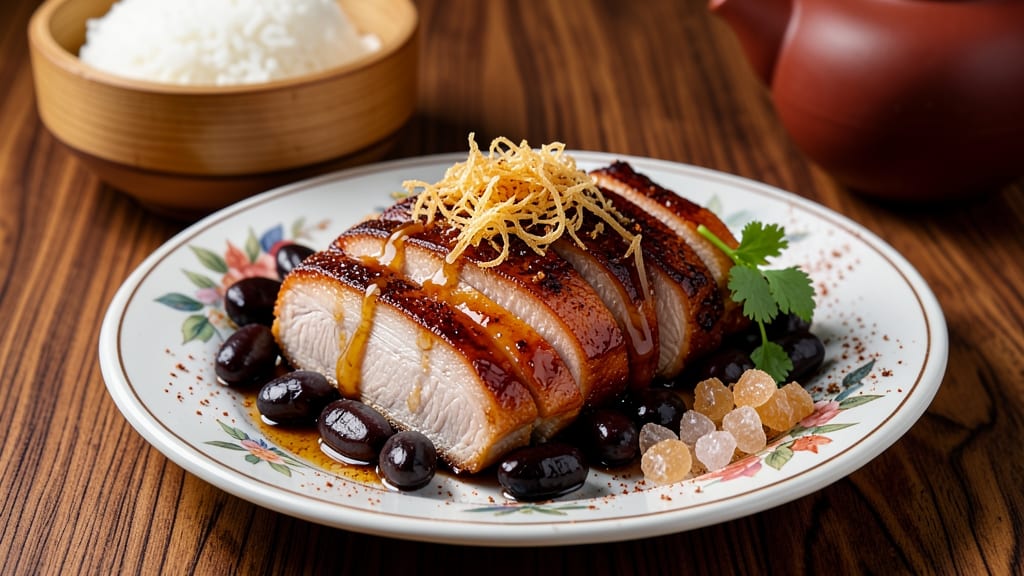
This Cantonese pork tenderloin recipe delivers the perfect balance of charred edges and silky-sweet interior that makes every bite unforgettable. 🔥 The secret lies in a marinade of fermented black beans, five-spice powder, and rock sugar that creates that signature caramelized crust while keeping the meat impossibly tender.
I developed this version after years of studying traditional wok hei techniques—where the smoky flavor from high-heat cooking transforms simple ingredients into something extraordinary.
The magic happens in the cooking process: searing the pork in a screaming-hot wok until it develops a glossy, crackling crust, then finishing it in the oven to ensure even doneness. This method preserves all that wok hei flavor while guaranteeing juicy results every time.
The marinade infuses the meat with layers of umami and sweetness, creating a perfect harmony of textures and flavors that will have your guests asking for seconds.
What makes this recipe truly special is how it adapts traditional Cantonese techniques for home kitchens without sacrificing authenticity. Whether you serve it with steamed jasmine rice, stir-fried bok choy, or egg noodles, each bite delivers that perfect combination of crispy exterior and melt-in-your-mouth interior.
The aroma alone will transport you to a bustling Hong Kong street market—where this dish is a staple.
For an extra touch of authenticity, finish with a drizzle of hoisin sauce and sprinkle of toasted sesame seeds. This dish is perfect for special occasions or when you want to impress dinner guests with restaurant-quality Cantonese flavors. Here's how to make it happen in your own kitchen.
Ingredients for cantonese pork tenderloin
These 14 ingredients transform simple pork into Cantonese restaurant magic with charred edges and silky-sweet perfection.
| Ingredient | Amount | Notes |
|---|---|---|
| Pork Tenderloin 🥩 | 1 ½ lb | Center-cut for even cooking |
| Fermented Black Beans 🫘 | ½ cup | Packed, rinsed and drained |
| Five-Spice Powder 🌶️ | 1 tbsp | Toasted for deeper aroma |
| Rock Sugar 🍬 | 2 tbsp | Or substitute brown sugar |
| Soy Sauce 🫒 | ¼ cup | Dark soy preferred |
| Shaoxing Wine 🍷 | ¼ cup | Or dry sherry substitute |
| Sesame Oil 🥜 | 1 tbsp | Toasted sesame oil only |
| Fresh Ginger 🧄 | 1 inch | Peeled, julienned |
| Garlic Cloves 🧄 | 4 cloves | Minced, aromatic |
| Cornstarch 🌾 | 1 tbsp | For crispy crust |
| Vegetable Oil 🫒 | ½ cup | High smoke point |
| Hoisin Sauce 🍶 | 2 tbsp | For finishing drizzle |
| Toasted Sesame Seeds 🥜 | 1 tbsp | For garnish |
| Neutral Oil 🫒 | 2 tbsp | For oven finish |
The pork tenderloin is non-negotiable—center-cut for even cooking. Asian grocery stores often carry the best quality, but your regular butcher will have it too. Look for pieces with good marbling, not too lean. Fermented black beans? Walmart or H Mart carry them in the Asian foods aisle—just rinse well to remove excess salt. Five-spice powder needs to be freshly toasted in a dry pan for 30 seconds to wake up those flavors. Rock sugar gives that authentic caramelized crust—substitute brown sugar if needed, but it won't be identical.
No Shaoxing wine? Dry sherry or even a splash of rice vinegar works in a pinch, though the flavor won't be quite the same. Fresh ginger and garlic should be minced finely for proper infusion. The sesame oil is crucial—toasted sesame oil only, not the regular kind. If you can't find it, toast regular sesame oil in a pan until fragrant. For the cornstarch coating, don't skip this step—it creates that signature crispy crust. The vegetable oil needs a high smoke point—avocado or peanut oil works best for that wok-hei sear.
This dish reheats beautifully—best served the next day when all the flavors meld. Store in an airtight container for up to 4 days in the fridge. For freezing, portion into single servings and freeze for up to 3 months. The marinade can be prepped a day ahead—just keep it refrigerated. When ready to cook, let the pork sit at room temperature for 20 minutes before searing for even cooking.
Why You'll Love This Recipe
- One-Pan Magic: I swear by this recipe when I’m too tired to scrub pots—just sear the pork, toss in the fermented black beans and five-spice, and let it caramelize. The rock sugar? That’s the secret to sticky, glossy edges with zero extra effort.
- Unholy Flavor Combo: Between the funky depth of fermented black beans and the warm, nutty punch of five-spice, this isn’t just pork—it’s ridiculously good pork. Honestly, the soy sauce ties it all together like a hug from a wok.
- Lunchbox Hero: Between us, this is my go-to for meal prep. Slice the cooled pork thin, pack it with rice, and boom—you’ve got a lunch that tastes like you spent hours (but didn’t). My kids fight over it. (Yes, even on a Tuesday night.)
- Budget Stretch: Pork tenderloin is lean, affordable, and cooks fast—no wasted meat here. Plus, fermented black beans add restaurant-level flavor for pennies. I make this twice a month and still have change left for takeout. (Not that I’d ever.)
Step-by-step instructions for Cantonese pork tenderloin
Here's the method that delivers that perfect contrast—crispy charred edges and a silky, sweet-savory interior every time.
🔥 Step 1: Marinate the Pork for Maximum Flavor
In a bowl, combine the 0.5 cup fermented black beans, 2 tbsp rock sugar, 0.25 cup soy sauce, 0.25 cup Shaoxing wine, 1 tbsp five-spice powder, 1 tbsp sesame oil, 1 inch fresh ginger (julienned), and 4 cloves garlic (minced). Mash the black beans slightly with a fork to release their deep umami flavors.
Add the 1.5 lb pork tenderloin to the marinade, turning to coat completely. Cover and refrigerate for at least 4 hours (overnight is ideal). This long marinating time ensures the pork absorbs all those complex flavors while remaining tender. I like to press the marinade into the meat—it makes all the difference in the final texture and taste.
🍳 Step 2: Create the Crispy Cornstarch Coating
Remove the pork from the marinade (reserve the marinade) and pat it dry with paper towels. In a separate bowl, mix 1 tbsp cornstarch with 2 tbsp neutral oil. This coating creates that signature crispy exterior while keeping the inside juicy.
Coat the pork thoroughly in the cornstarch mixture, pressing gently to adhere. Let it sit for 10 minutes while you heat 0.5 cup vegetable oil in a wok or large skillet over medium-high heat until shimmering. The cornstarch will absorb the oil and create that beautiful crust when cooked.
🔥 Step 3: Sear for Charred Perfection
Carefully add the pork to the hot oil and sear for 3-4 minutes per side until the exterior develops a deep golden-brown crust with visible char marks. You'll see the cornstarch coating puff up slightly—that's your signal it's working. Don't overcrowd the pan or the temperature will drop and you won't get that perfect sear.
Remove the pork and set it aside. Pour the reserved marinade into the hot wok, scraping up all those delicious browned bits from the bottom. Bring to a simmer and cook for 2-3 minutes until slightly reduced. This sauce will baste the pork and add another layer of flavor.
🔥 Step 4: Finish in the Oven for Even Cooking
Preheat your oven to 375°F. Place the seared pork on a baking sheet and pour the reduced marinade over it. Bake for 15-20 minutes until the internal temperature reaches 145°F (it will rise to 150°F as it rests). The oven ensures even cooking throughout the thickest part of the tenderloin.
Here's the thing—this resting period is crucial. When the pork reaches 145°F, remove it from the oven and let it rest for 10 minutes before slicing. This allows the juices to redistribute, preventing them from running out when you cut into it. Trust me, this makes all the difference in keeping your pork moist and tender.
🍽️ Step 5: Garnish and Serve with Style
Slice the pork into ½-inch thick medallions. Drizzle with 2 tbsp hoisin sauce and sprinkle generously with 1 tbsp toasted sesame seeds. The hoisin adds that perfect sweet-savory balance, while the sesame seeds give a beautiful finish and nutty aroma.
Serve immediately with steamed jasmine rice and quick-pickled vegetables. Each bite should deliver that perfect contrast—crispy charred edges giving way to a silky, flavorful interior. The combination of fermented black beans, five-spice powder, and Shaoxing wine creates a depth of flavor that's truly special.
Pro Tips For Making Cantonese Pork Tenderloin
- Sear First, Simmer Later: Get your pork screaming hot in a dry pan for 3-4 minutes before adding liquid—this locks in flavor and prevents the meat from turning to mush when it hits the sauce. I learned this the hard way after serving rubbery slices that fell apart at the first bite.
- Soak Black Beans: Rinse fermented black beans in cold water for 10 minutes to cut the funky sourness without losing texture. Skip this, and your dish will taste like a pickle factory exploded—trust me, you don’t want that.
- Rock Sugar Matters: Use actual rock sugar (or substitute with brown sugar) and add it last—just 2-3 minutes before serving. This lets it caramelize into a glossy, sweet glaze instead of dissolving into the sauce like table sugar would.
- Don’t Overcrowd the Pan: Cook the pork in a single layer at first, even if it means two batches. Crowding steams the meat instead of searing it, and you’ll end up with sad, pale slices instead of crispy, flavorful ones. Yes, it’s annoying, but it’s worth it.
Creative variations of these flavors
Spicy Sichuan Twist
For a bold, fiery variation, add 1 tbsp Sichuan peppercorns (toasted and ground) and 1 tsp chili bean paste to the marinade. The numbing, tingling heat of Sichuan peppercorns pairs perfectly with the sweet-savory profile.
I like to finish with a drizzle of chili oil and extra toasted sesame seeds for that signature Sichuan restaurant experience. 🌶️
Honey-Glazed Cantonese
Swap the rock sugar for 3 tbsp honey> and add 1 tbsp grated orange zest to the marinade for a sweeter, citrusy take. The honey creates a glossy glaze when seared, while the orange zest adds a bright, refreshing note.
This version works beautifully with a side of steamed bok choy and a sprinkle of cilantro. Trust me, the aroma alone will have everyone at the table asking what's for dinner.
Smoky BBQ Fusion
For a Southern-inspired twist, replace the Shaoxing wine with ¼ cup apple cider vinegar and add 1 tbsp smoked paprika to the marinade. After searing, brush the pork with a mix of 2 tbsp BBQ sauce> and 1 tbsp hoisin sauce> before finishing in the oven.
This fusion brings together my Georgia roots with Cantonese techniques—smoky, sweet, and perfectly balanced. 🔥
Vegetarian Adaptation
For a plant-based version, swap the pork for 1.5 lbs firm tofu> (pressed and cubed) or mushroom medley> (shiitake + oyster mushrooms). Use the same marinade but reduce the cooking time to 8-10 minutes> in the oven.
The fermented black beans and five-spice powder still deliver that deep umami flavor, making it a satisfying meat-free option. Garnish with extra sesame seeds and serve with rice noodles for a lighter take.
Slow-Cooker Shortcut
For busy weeknights, marinate the pork as directed, then transfer everything (including the marinade) to a 6-quart slow cooker>. Cook on low for 4-5 hours>, then sear in a hot pan for 2-3 minutes per side> to create the crispy crust.
This method keeps the meat incredibly tender while still delivering that wok-hei flavor. Perfect for meal prep—just store and reheat as needed. ⏰
Char Siu-Inspired
This variation transforms your pork tenderloin into classic char siu>, the sweet, sticky Cantonese BBQ pork. After marinating, brush the pork with a mix of 2 tbsp honey>, 1 tbsp soy sauce>, and 1 tsp five-spice powder>.
Roast at 375°F for 25-30 minutes>, basting with the glaze every 10 minutes**>. The result is a sticky, caramelized exterior with a tender interior—just like the char siu you'd find in a Hong Kong dim sum restaurant. 💫
Nutrition facts
Frequently asked questions
Can I substitute pork tenderloin with another cut?
Pork tenderloin is ideal for this recipe because of its tenderness and lean texture, but you can use pork loin or even boneless pork chops if needed. Just reduce the cooking time by 5-7 minutes since these cuts are thicker. For best results, trim any excess fat and pat the meat very dry before coating with cornstarch.
How do I get that perfect crispy crust without a wok?
A heavy-bottomed skillet or cast iron pan works perfectly for creating that wok-hei flavor! Heat your pan until it's smoking hot before adding the pork. Use high heat and avoid overcrowding the pan. If your pan isn't hot enough, the crust won't develop properly. A blowtorch can also help add extra char marks for that restaurant-quality finish.
Can I make this recipe ahead of time?
This dish actually tastes better the next day as the flavors meld together. Cook and slice the pork as directed, then store in an airtight container in the refrigerator for up to 4 days. Reheat gently in a skillet over medium heat for 2-3 minutes per side to restore that crispy texture. For freezing, portion into single servings and freeze for up to 3 months.
What's the best way to reheat leftover Cantonese pork?
For best results, reheat slices in a non-stick skillet over medium heat with a splash of water or Shaoxing wine. This helps restore the crispy exterior while keeping the interior moist. Alternatively, you can reheat in the oven at 350°F for 10-12 minutes on a wire rack over a baking sheet to prevent sogginess. Avoid microwaving as it makes the crust rubbery.
How do I adjust the spice level for sensitive eaters?
This recipe is naturally mild, but if you want to reduce any potential spice, simply omit the five-spice powder from the marinade and replace it with an extra ½ tbsp of rock sugar. For extra mildness, you can also reduce the fermented black beans to ¼ cup (they contain some natural saltiness). The dish will still maintain its sweet-savory balance while being more approachable for sensitive palates.