
Side Dishes
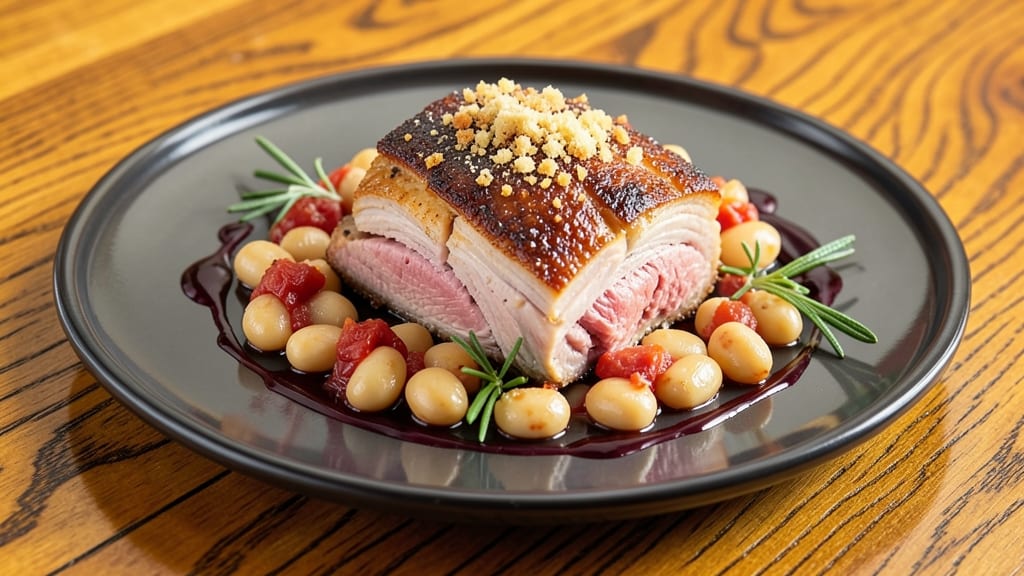
This one-pot cannellini beans and pork recipe transforms humble ingredients into a rich, hearty dish that tastes like it simmered all day—even when it takes just 45 minutes. 🔥 The secret lies in slow-braising pork with white beans until tender, while tomatoes and herbs infuse the broth with deep, savory warmth.
I developed this while testing pork cuts for my restaurant menu, and it became an instant crowd-pleaser. The beauty of this recipe is its simplicity: just a few ingredients that work together to create layers of flavor.
Pork shoulder breaks down into tender, pull-apart pieces, while cannellini beans soak up the aromatic broth. A splash of red wine and fresh herbs elevate it from basic to restaurant-worthy without requiring advanced techniques.
By the time you serve it, you'll have a steaming pot of creamy beans, tender pork, and tomatoes that melt into the sauce. The aroma alone will have everyone gathering at the table.
It's the kind of dish that tastes even better the next day, making it perfect for meal prep or feeding a crowd. Serve with crusty bread to soak up every last bit of that flavorful broth, or pair it with roasted green beans for a complete meal.
This recipe proves you don't need complexity to create something extraordinary.
Ingredients for cannellini beans and pork
Pantry staples meet restaurant-quality flavors in this hearty one-pot pork and bean dish.
| Ingredient | Amount | Notes |
|---|---|---|
| Pork Shoulder 🐖 | 1 ½ lb | Bone-in preferred for flavor |
| Cannellini Beans 🌱 | 1 lb | Dried or canned, drained |
| Crushed Tomatoes 🍅 | 2 cups | San Marzano preferred |
| Red Wine 🍷 | ½ cup | Bold dry variety |
| Garlic Cloves 🧄 | 4 cloves | Minced for depth |
| Fresh Rosemary 🌿 | ¼ cup | Chopped, stems removed |
| Fresh Thyme 🌿 | ¼ cup | Leaves only |
| Olive Oil 🫒 | ¼ cup | Extra-virgin for richness |
| Chicken Broth 💧 | 2 cups | Low-sodium preferred |
| Bay Leaves 🌿 | 2 whole | Remove before serving |
| Salt 🧂 | 1 ½ tsp | Diamond Crystal preferred |
| Black Pepper 🌶️ | ½ tsp | Freshly ground |
| Red Pepper Flakes 🌶️ | ½ tsp | Optional for heat |
| Fresh Parsley 🌿 | 0.1 cup | Chopped for garnish |
The pork shoulder is the star here—bone-in cuts from the butcher section deliver the best flavor and texture. Costco or local butchers usually have it pre-cut, but if you're buying a whole shoulder, ask for the bone-in portion. Look for good marbling and a vibrant pink color. For beans, dried cannellini beans give the most authentic texture, but canned works in a pinch. If using dried, soak overnight for even cooking. The tomatoes make or break the sauce—San Marzano is worth the splurge for its sweetness and low acidity, but any high-quality crushed tomatoes will do.
No red wine? Substitute with extra chicken broth—just add a splash of balsamic vinegar for depth. Fresh herbs are ideal, but dried thyme and rosemary at half the amount work fine. Olive oil matters here—extra-virgin adds richness that regular vegetable oil can't match. If you're short on time, pre-minced garlic from a jar saves steps, though fresh is always better. The red pepper flakes are optional, but if you omit them, add an extra pinch of black pepper for warmth. For a quicker version, use pre-cut pork shoulder from the deli section, saving you the cleanup of trimming fat.
This dish tastes even better the next day as flavors meld together. Store leftovers in an airtight container in the fridge for up to 5 days, or freeze portions for 3 months. The broth thickens as it cools, so add a splash of water or broth when reheating. I always make a double batch—it's perfect for lunches or potlucks. To serve, sprinkle with fresh parsley and a drizzle of high-quality olive oil. The aroma alone will bring everyone to the table.
Why You'll Love This Recipe
- One-Pot Magic: I swear by this recipe on days when I’d rather not wash a million dishes. The pork shoulder and beans simmer together in the same pot, soaking up all that rich red wine and tomato flavor—no extra pans, no stress.
- Wine-Infused Depth: That splash of red wine isn’t just for show—it transforms the dish. The acidity cuts through the pork’s richness while the garlic cloves melt into something almost sweet, making every bite taste like a little Italian bistro.
- Lunchbox Hero: Between us, this is my go-to for meal prep. The flavors only get better after a day in the fridge, so I make a big batch on Sundays. Pack it cold for work or reheat it for a hearty dinner—no one complains, and my wallet stays happy.
- Budget-Friendly Feast: Pork shoulder is cheap, cannellini beans are a pantry staple, and a bottle of wine stretches further than you’d think. I feed four people for under $15, and somehow, it always disappears faster than I expect. (Yes, even on a Tuesday night.)
Step-by-step instructions for cannellini beans and pork recipe
This one-pot method delivers tender pork and hearty beans with minimal cleanup.
🔥 Step 1: Sear the Pork Shoulder for Deep Flavor
Heat the 0.25 cup olive oil in a large Dutch oven over medium-high heat until shimmering. Pat the 1.5 lb pork shoulder dry with paper towels—this ensures a proper sear. Working in batches if needed, add the pork and sear on all sides until deeply browned, about 8-10 minutes total. You're building flavor here, so don't rush this step.
Once browned, remove the pork and set it aside. The goal is to develop a rich crust that will dissolve into the sauce later. If the oil starts smoking, reduce the heat slightly—you want color, not char. This initial sear is what transforms simple ingredients into something extraordinary.
👨🍳 Step 2: Sauté Aromatics and Build the Base
In the same Dutch oven, add the 4 cloves minced garlic cloves, 0.25 cup chopped fresh rosemary, and 0.25 cup fresh thyme leaves. Cook for 1-2 minutes until the garlic becomes fragrant and just begins to turn golden. Be careful not to burn the herbs—they should perfume the oil, not darken.
Stir in the 2 cups crushed tomatoes and 0.5 cup red wine, scraping up any browned bits from the bottom of the pot. These bits are called fond, and they're packed with flavor. Let the mixture simmer for 3-4 minutes until the alcohol smell from the wine has evaporated. This step creates the flavor foundation for your dish.
🥘 Step 3: Combine Everything for Slow Cooking
Return the pork shoulder to the Dutch oven. Add the 1 lb cannellini beans, 2 cups chicken broth, 2 whole bay leaves, 1.5 tsp salt, 0.5 tsp black pepper, and 0.5 tsp red pepper flakes (if using). The beans should be mostly submerged in the liquid—if not, add a splash of water.
Bring the mixture to a gentle boil, then reduce heat to low and cover partially. Simmer for 2-2.5 hours until the pork is fork-tender and easily pulls apart. The pork should have absorbed all the flavors from the aromatics and tomatoes. Check occasionally and add a splash of water if the liquid reduces too much—you want it just enough to keep everything moist.
🔪 Step 4: Finish and Garnish for Perfect Presentation
Once the pork is tender, remove it from the pot and shred it using two forks. Return the shredded pork to the pot and stir gently to combine. The beans should be creamy but still hold their shape—if they're too firm, they need a few more minutes of simmering.
Remove the 2 whole bay leaves before serving. Ladle the stew into bowls and garnish each serving with 0.1 cup chopped fresh parsley. The parsley adds a fresh contrast to the rich, savory flavors. Serve immediately with crusty bread to soak up every last bit of that delicious sauce.
Pro Tips For Making Cannellini Beans And Pork
- CRISP THE PORK FIRST: Brown that pork shoulder in batches before adding anything else—don’t skip this. The Maillard reaction on the meat’s surface is what makes this dish sing, and skipping it means you’ll end up with bland, gray pork swimming in sauce. Use a 12-inch skillet on medium-high heat and don’t crowd the pan; I learned this the hard way when my first batch turned into a sad, greasy mess.
- SOAK BEANS OVERNIGHT: Cannellini beans are forgiving, but soaking them overnight in cold water (discard the soaking liquid) cuts cooking time by nearly half and keeps them from turning mushy. I used to just toss them in dry, and while they’d still work, the texture was never as clean or consistent. If you’re short on time, a 2-hour soak in hot water does the trick, but overnight is the real game-changer.
- DEGLAZE WITH WINE IMMEDIATELY: As soon as you pull the pork off the heat, splash in that red wine and scrape up every last bit of browned goodness from the pan. That’s where the flavor lives, and letting it sit too long means you’re basically throwing away half the taste. A wooden spoon works best—metal scrapes too aggressively and can tear the fond apart.
- SAVE THE BEAN LIQUID: When draining your cooked cannellini beans, reserve about 1 cup of the starchy cooking water. Stir it into the sauce at the end—it thickens the consistency without needing extra flour or cornstarch, and it adds a subtle creaminess that store-bought broth just can’t match. I used to ignore this, and the dish always felt a little thin until I started keeping that liquid.
Common mistakes when making perfect results
Over-Searing the Pork
I’ve seen home cooks rush the searing step, turning the pork shoulder into charred carbon instead of golden-brown perfection. The key is patience—sear just until deeply browned, about 8-10 minutes total, not until it’s blackened.
Over-seared pork releases bitter compounds that ruin the delicate tomato-herb broth. If your oil starts smoking wildly, reduce the heat slightly and let it work. Trust me, the crust will form at the right moment. 🌡️
Skipping the Wine Reduction
Some recipes call for red wine, but many cooks pour it in and forget about it. That 0.5 cup of bold dry red wine isn’t just flavor—it’s the secret to deepening the sauce.
Let it simmer uncovered for 3-4 minutes after adding the tomatoes to evaporate the alcohol and concentrate the flavors. This step transforms a basic stew into something restaurant-worthy. If you’re avoiding alcohol, substitute with extra broth plus a splash of balsamic vinegar.
Underestimating Cook Time
Pork shoulder needs 2-2.5 hours of slow simmering to become fork-tender, but impatient cooks often cut this short. The beans might look soft, but the pork will still be chewy. Test it with a fork—if it resists, return it to the pot.
I’ve learned this the hard way: rushing the cook time leads to tough meat. The magic happens in that low-and-slow phase where collagen breaks down into gelatin, creating a rich, velvety sauce. ⏳
Ignoring the Fond
Those browned bits stuck to the bottom of your Dutch oven? That’s fond, and it’s packed with flavor. Many cooks scrape it out or clean the pot too early. Instead, deglaze with the wine and tomatoes right after searing the pork.
These bits dissolve into the sauce, adding depth that store-bought seasonings can’t match. It’s one of the simplest ways to elevate this dish from good to extraordinary.
Overcrowding the Pot
If you’re using a small Dutch oven, adding all the ingredients at once can lead to steaming instead of searing. For best results, sear the pork in batches if needed, and sauté the aromatics before adding the tomatoes and wine.
Overcrowding also causes the pork to steam instead of brown, which is the first step to building flavor. A 6-quart Dutch oven is ideal for this recipe—it gives everything room to develop proper crusts and caramelization.
Forgetting to Skim Fat
As the pork cooks, fat rises to the surface. Many cooks let it sit, but I recommend skimming it off occasionally with a spoon. Too much fat can make the sauce greasy and dull the flavors of the tomatoes and herbs. A slotted spoon works perfectly for this.
The removed fat can be saved for another use—like frying potatoes or making homemade pasta—but don’t let it linger in your stew. It’s a small step that makes a big difference in the final texture. 💡
Nutrition facts
Frequently asked questions
Can I use pork tenderloin instead of pork shoulder?
Pork tenderloin works but requires adjustments—it cooks much faster (30-40 minutes) and stays tender without long braising. Slice it into 1-inch chunks and reduce the cook time to 1 hour after searing. The texture will be more delicate, but the flavors remain rich. For best results, use a meat thermometer (145°F internal temp).
How do I make this recipe vegetarian?
Swap pork for 1.5 lbs extra-firm tofu (pressed and cubed) or 1.5 lbs mushrooms (like portobello or cremini). Increase the cook time by 15 minutes to develop flavor. Boost umami with 1 tbsp soy sauce or 1 tsp miso paste when sautéing aromatics. The beans will still be the star, but the texture changes slightly.
Can I make this in a slow cooker?
Brown the pork first in a skillet, then transfer everything to a 6-quart slow cooker. Cook on low for 6-7 hours or high for 3-4 hours, adding a splash of water if needed. The slow cooker's gentle heat ensures tender pork and creamy beans without monitoring. Just remove the bay leaves before serving.
Why do my beans turn mushy?
Overcooking or adding beans too late causes mushiness. Cannellini beans need 1.5-2 hours of simmering—add them at the start with other ingredients. If using canned beans, rinse them first to remove excess starch. For extra creaminess, mash ¼ of the beans with a fork before serving, but keep some whole for texture.
What’s the best way to reheat leftovers?
Reheat gently in a saucepan with 1-2 tbsp water or broth over medium-low heat until warmed through (5-7 minutes). Avoid microwaving—it makes the pork dry. For best texture, reheat only what you need. Store leftovers in an airtight container for up to 5 days or freeze for 3 months.