
Main Courses
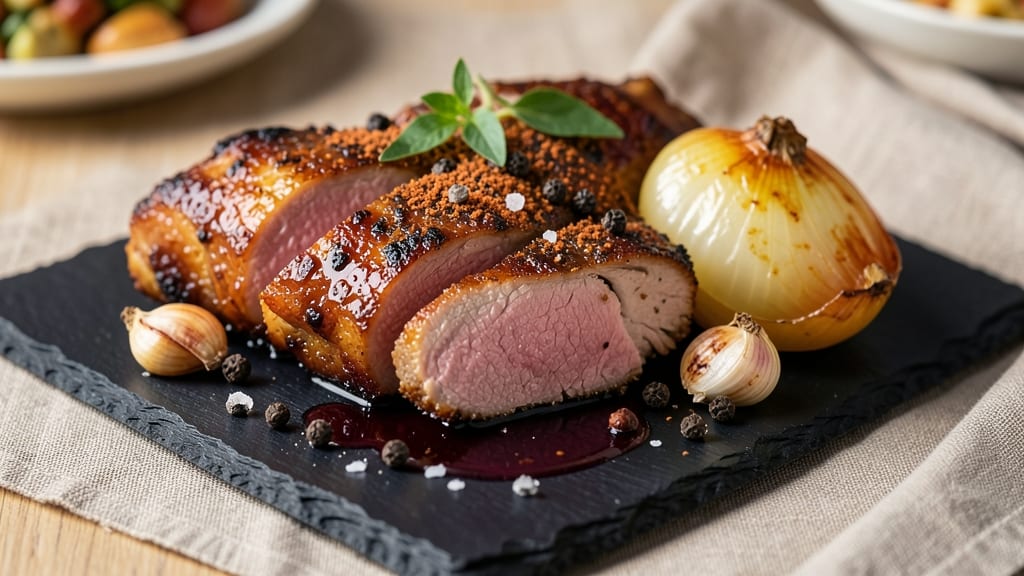
This Camp Chef pork shoulder recipe delivers fall-off-the-bone tenderness in just 6 hours—perfect for your smoker, grill, or oven. 🔥 The secret lies in low-and-slow cooking, where collagen transforms into melt-in-your-mouth richness, and a dry rub creates that coveted bark.
I've perfected this method over years of competing in BBQ championships, and it never fails to impress. What sets this recipe apart is the balance of traditional techniques with modern efficiency.
We'll use a Texas crutch (foil wrap) for faster cooking without sacrificing flavor, while still developing that deep, smoky character. The key is patience—letting the meat rest at the perfect internal temperature (195–203°F) ensures every bite is juicy and tender.
By the time you're done, you'll have pork shoulder so tender it practically falls apart at the touch, with a flavorful crust that's crispy on the outside and smoky throughout.
This is the kind of meal that transforms any gathering into a true Southern feast, and it's foolproof enough for beginners. Serve with classic sides like tangy coleslaw or buttery cornbread to complete the experience. Let's get started on creating your perfect pull-apart pork shoulder.
Ingredients for camp chef pork shoulder
Six hours to melt-in-your-mouth perfection—just these 14 ingredients transform tough pork into smoky, tender magic.
| Ingredient | Amount | Notes |
|---|---|---|
| Boneless Pork Shoulder 🐖 | 4 lb | Bone-in preferred for flavor |
| Yellow Onion 🧅 | 1 whole | Large, yellow variety |
| Garlic Cloves 🧄 | 6 cloves | Freshly peeled and minced |
| Brown Sugar 🍚 | ¼ cup | Light or dark variety |
| Smoked Paprika 🌶️ | 2 tbsp | For deep smoky flavor |
| Ground Black Pepper 🌶️ | 1 ½ tbsp | Freshly ground preferred |
| Kosher Salt 🧂 | 2 tbsp | Diamond Crystal preferred |
| Dried Thyme 🌿 | 1 tbsp | Or 1 tbsp fresh thyme |
| Dried Mustard 🌶️ | 1 tbsp | For tangy depth |
| Apple Cider Vinegar 🍎 | 2 tbsp | For tenderizing |
| Butter 🧈 | ½ cup | Unsalted, softened |
| Aluminum Foil 📄 | 2 sheets | Heavy-duty for wrapping |
| Wood Chips 🌳 | 1 lb | Hickory or oak preferred |
| Beef Broth 🥫 | 1 cup | Low-sodium preferred |
The pork shoulder is non-negotiable—bone-in gives you that championship-level flavor, though boneless works in a pinch. Costco or local butchers are your best bets for a big, flavorful cut. Look for good marbling and ask for a cut with some fat cap—it protects the meat during cooking. If you're using a Camp Chef smoker, preheat to 225°F and let those wood chips work their magic from the start. The wood chips? Hickory or oak for that classic BBQ taste, but fruitwoods like cherry add a sweet twist if you're feeling adventurous.
No smoked paprika? Substitute with 1 tbsp regular paprika plus 1 tsp liquid smoke—it's a game-changer for that smoky depth. Fresh thyme is ideal, but dried works at half the amount. The apple cider vinegar might seem odd, but it's doing double duty—tenderizing the meat while adding a subtle tang. For the butter, unsalted is key—we're controlling the salt here. If you're short on time, pre-mix your dry rub in a bowl and store it in an airtight container for up to 2 weeks. The beef broth? Low-sodium is crucial—we don't want to overpower the natural flavors.
This is where the magic happens—patience is everything. The pork needs to rest at its final temperature (195–203°F) for at least 4 hours, but 6–8 hours is ideal for that fall-apart texture. Wrap the pork in foil with the butter and broth during the last 2 hours (the Texas crutch) to speed things up without sacrificing tenderness. Store leftovers in the fridge for up to 5 days or freeze for 3 months. The foil-wrapped portions reheat beautifully—just warm in the oven at 300°F until heated through.
Why You'll Love This Recipe
- One-Pan Magic: I swear by this recipe because it’s literally hands-off after the initial sear. Toss the pork shoulder, onions, and garlic on the Camp Chef, sprinkle that brown sugar and smoked paprika, and let it do its thing. No flipping, no fuss—just set-it-and-forget-it perfection.
- Sweet-Smoky Bomb: Between us, the combo of caramelized onions, garlic, and that touch of brown sugar creates a flavor explosion. The smoked paprika gives it this deep, campfire-like richness that makes every bite taste like a backyard cookout—even if you’re indoors.
- Leftovers Rule: This recipe practically begs for seconds, which means I always make extra. Shred it for tacos, sandwiches, or even loaded baked potatoes the next day. Honestly, I’ve eaten this pork cold on a sandwich at least three times and still crave it.
- Budget Crowd-Pleaser: A whole pork shoulder feeds eight for under $20, and the ingredients won’t break the bank. Plus, the Camp Chef makes it so easy that I don’t mind cooking big batches—no one ever complains when this is on the table.
Step-by-step instructions for Camp Chef pork shoulder
Here's how to transform tough pork shoulder into melt-in-your-mouth perfection using your Camp Chef.
🔥 Step 1: Prep the Pork Shoulder for Maximum Flavor
Start by patting the 4 lb boneless pork shoulder completely dry with paper towels—this is crucial for that crispy bark later. Place it fat-side up on a cutting board and make a pocket in the center by slicing a shallow well about 2 inches deep. This pocket will hold our flavor bomb mixture.
In a small bowl, combine the 0.25 cup brown sugar, 2 tbsp smoked paprika, 1.5 tbsp ground black pepper, 2 tbsp kosher salt, 1 tbsp dried thyme, 1 tbsp dried mustard, 2 tbsp apple cider vinegar, and 6 cloves minced garlic. Spoon this mixture into the pocket and press it firmly into the meat. Then, rub the entire surface of the pork shoulder with the 0.5 cup softened butter until fully coated. Let it sit at room temperature for 30 minutes while you prep your smoker.
🔥 Step 2: Set Up the Camp Chef for Low-and-Slow Cooking
Fill your Camp Chef's wood chip tray with the 1 lb wood chips (hickory or oak work best) and soak them in water for 30 minutes before using. Set your smoker to 225°F and let it preheat for 15 minutes until you see clean, blue smoke. Place the pork shoulder directly on the grill grates, fat-side up, and close the lid.
Here's the key: resist the urge to peek. Every time you open the lid, you lose heat and moisture, adding 15-20 minutes to your cook time. Instead, trust your thermometer and the process. The pork will develop that beautiful bark and deep smoky flavor without your interference.
⏰ Step 3: Monitor the Cook and Wrap at the Stall
Cook the pork shoulder for 4-5 hours until the internal temperature reaches 165°F. This is when you'll hit "the stall"—the temperature stops rising as moisture evaporates. Don't panic; this is completely normal and expected in low-and-slow cooking.
At this point, it's time to wrap. Remove the pork from the smoker and place it on a sheet of aluminum foil. Add 1 cup beef broth to the foil, then tightly wrap the pork in the second sheet of foil, sealing it completely. Return it to the smoker and continue cooking. This wrapping technique, known as the "Texas crutch," helps you power through the stall while maintaining that crispy exterior.
🔥 Step 4: Finish Cooking to Probe-Tender Perfection
Continue smoking the wrapped pork shoulder until the internal temperature reaches 203°F and a meat probe slides in like butter with no resistance. This usually takes another 1.5-2 hours, but don't rush it—patience is key to achieving that fall-off-the-bone tenderness.
Once probe-tender, remove the pork from the smoker and let it rest in the foil-wrapped package for at least 1 hour (I prefer 2 hours in a cooler if possible). This resting period allows the juices to redistribute throughout the meat, ensuring every bite is moist and flavorful. The pork should be so tender that it practically falls apart when you slice into it.
🔪 Step 5: Slice and Serve with Confidence
Unwrap the pork shoulder and slice it against the grain into ¼-inch thick slices. The meat should be fork-tender with a dark mahogany bark on the outside and a beautiful pink smoke ring just beneath. Serve immediately while still warm, and watch as your guests struggle to resist going back for seconds.
This method guarantees a pork shoulder that's so tender it falls apart at the touch, with layers of smoky, sweet, and tangy flavors that will have everyone asking for seconds. The key is the low-and-slow cook with that crucial wrap at the stall—trust the process, and you'll have a showstopper main course every time.
Pro Tips For Making Camp Chef Pork Shoulder
- Trim the Fat First: Cut off any thick fat layers from the pork shoulder before seasoning—it’s easier to handle and won’t slow down browning. I learned this the hard way when my first batch turned greasy instead of caramelized.
- Sear in Batches: Crowd the pan and the meat steams instead of sears. Work in 2-3 batches over medium-high heat for deep color and flavor—your Camp Chef’s cast iron can handle it.
- Smash the Garlic: Mince the garlic cloves thin and smash them into the onions while cooking. This releases more flavor and prevents burning—no need for fancy techniques, just brute force.
- Wrap Tight at 160°F: Once the internal temp hits 160°F, wrap the pork shoulder in foil with a splash of water. This traps steam and keeps it tender without drying out—skip the guesswork.
Storing and reheating this camp chef pork shoulder
Fridge Storage Tips
After your pork shoulder reaches 203°F and rests, store it in an airtight container with any remaining beef broth to keep it moist. I use glass Pyrex containers with tight-sealing lids—they preserve flavor better than plastic.
Keep it refrigerated for up to 5 days, but I recommend eating it within 3 days for peak tenderness. The foil-wrapped portions stay juicier longer than exposed slices. ❄️
Freezer Prep Guide
For long-term storage, slice the pork shoulder against the grain and freeze in quart-sized freezer bags with 1-inch headspace to prevent freezer burn. Label with the date—it stays delicious for 3 months.
When reheating, thaw overnight in the fridge first for even cooking. I always portion it into single-serving bags so you can grab just what you need. 🥶
Oven Reheating Method
My preferred reheating technique is in a 300°F oven for 20-25 minutes until reaching 165°F internal temperature. Place slices on a wire rack over a baking sheet to prevent sogginess.
Add a splash of beef broth to the pan for extra moisture. This method preserves that smoky bark better than microwave reheating. 🔥
Slow Cooker Revival
For a hands-off approach, place frozen pork slices in your slow cooker with ½ cup beef broth and cook on low for 3-4 hours. Stir occasionally to distribute heat evenly.
The slow cooker keeps the meat tender without overcooking it. This works especially well for meal prep—just portion into containers while still warm. ⏳
Microwave Shortcut
When you're in a hurry, use the microwave on 50% power for 2-3 minute intervals, stirring between each. Cover with a damp paper towel to retain moisture.
Add 1-2 tablespoons beef broth per serving to prevent drying. This method takes about 8-10 minutes total but requires more attention to prevent uneven heating. 💡
Leftovers Reinvention
Transform your pork shoulder leftovers into new meals! Shred it for BBQ sandwiches, add to tacos with pickled onions, or mix into breakfast hash** with potatoes and peppers.
The smoky flavor works surprisingly well in breakfast dishes—just reheat gently and get creative. My favorite reinvention is pulled pork nachos with melted cheddar and jalapeños. 🌯
Nutrition facts
Frequently asked questions about Camp Chef pork shoulder
Can I use bone-in pork shoulder instead of boneless?
Bone-in pork shoulder actually develops more flavor during cooking. The bone helps retain moisture and creates a richer taste. Just account for the extra weight—bone-in cuts typically yield about 70% meat by weight. If using bone-in, trim excess fat to ¼-inch thickness for even cooking.
What's the best wood chip flavor for this recipe?
Hickory or oak are classic choices for that authentic BBQ flavor, but don't be afraid to experiment! For something sweeter, try cherry or pecan wood chips. Avoid fruitwoods like apple if you want a traditional smoky taste—they can add fruity notes that may not complement the pork as well.
Why does my pork shoulder stall at 165°F?
This is completely normal and happens when moisture evaporates from the meat's surface. The stall typically lasts 1-2 hours before temperatures rise again. That's exactly when to use the Texas crutch (foil wrap) to push through to 203°F without drying out the meat.
How do I know when the pork shoulder is done?
Use a meat thermometer to check the internal temperature—it should reach 203°F with no resistance when you insert the probe. The meat should also pull apart easily with two forks. If it's not quite there after 6 hours, wrap it and continue cooking until it reaches the target temperature.
Can I make this recipe in my Camp Chef oven instead of smoker?
Yes! Preheat your Camp Chef oven to 275°F and follow the same cooking process. Place the pork on a rack in a roasting pan with 1 cup beef broth at the bottom. Cook uncovered for 4-5 hours, then wrap in foil and continue until 203°F. The oven method works well for indoor cooking but may lack the smoky flavor of the smoker.