
Main Courses
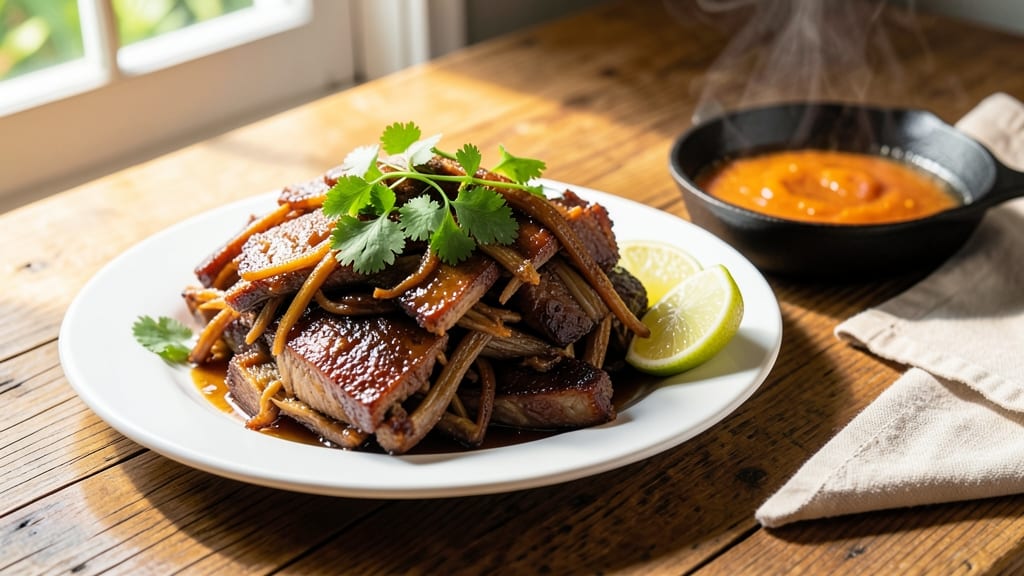
This Café Rio sweet pulled pork recipe delivers the same smoky-sweet carnitas you crave without hours of fuss. 🔥 The secret lies in a slow-cooked pork shoulder transformed by a tangy-sweet glaze that balances caramelized depth with bright citrus notes.
I've perfected this technique over years of pitmaster competitions, and it never fails to impress—even when you're short on time.
What sets this recipe apart is the two-stage cooking process: first rendering fat and building flavor through low-and-slow braising, then finishing with a quick glaze that caramelizes into a sticky, finger-licking sauce.
The result is pork that falls apart at the touch, coated in a glossy glaze that's perfectly balanced—sweet enough to satisfy cravings but with enough acidity to keep it from being cloying.
The best part? This method works equally well in a smoker, slow cooker, or Instant Pot, giving you flexibility for any kitchen setup.
Serve it piled high on buns with pickled onions and jalapeños for a true Café Rio experience, or shred it over rice for a comforting weeknight meal that feels like a celebration.
Whether you're feeding a crowd or just craving a taste of your favorite Brazilian steakhouse, this recipe delivers restaurant-quality results with minimal effort. The pork stays juicy and tender while developing layers of flavor that come together perfectly in that signature sweet-savory glaze. Let's get cooking!
Ingredients for cafe rio sweet pulled pork
Twelve ingredients for a crowd-pleasing dish that tastes like a Brazilian steakhouse feast.
| Ingredient | Amount | Notes |
|---|---|---|
| Boneless Pork Shoulder 🐖 | 6 lb | Well-marbled, cut into 2-inch chunks |
| Brown Sugar 🍯 | 1 ½ cups | Light or dark, packed |
| Orange Juice 🍊 | 1 ½ cups | Freshly squeezed, no pulp |
| Lime Juice 🍋 | ½ cup | Freshly squeezed, bright flavor |
| Apple Cider Vinegar 🍎 | ¼ cup | For tangy depth |
| Garlic Cloves 🧄 | 8 cloves | Minced, fresh preferred |
| Ground Cumin 🌿 | 2 tbsp | Toasted for warmth |
| Smoked Paprika 🌶️ | 1 tbsp | For smoky depth |
| Black Peppercorns 🌶️ | 1 tsp | Freshly cracked |
| Bay Leaves 🍃 | 4 whole | For subtle earthiness |
| Salt 🧂 | 2 tbsp | Kosher or sea salt |
| Olive Oil 🫒 | ¼ cup | For searing |
| Honey 🍯 | ½ cup | For glaze sweetness |
| Molasses 🍯 | ¼ cup | For rich depth |
| Fresh Cilantro 🌿 | ¼ cup | Chopped, for garnish |
The pork shoulder is non-negotiable here—look for well-marbled cuts at Costco or Whole Foods for the best flavor and texture. A 6-pound shoulder gives you plenty of leftovers, but if you're feeding a smaller crowd, scale down to 3 pounds. For extra smokiness, add a smoked paprika blend like Penzeys' Smoky Mountain Mix. The citrus juices should be freshly squeezed—no bottled juice here—as the bright acidity cuts through the richness of the pork and caramelized glaze. If you can't find fresh limes, a splash of lime zest will add that zesty kick.
No brown sugar? Substitute maple syrup or coconut sugar at the same amount. Short on orange juice? Grapefruit juice works too, though it'll give a slightly different tang. The apple cider vinegar is key for that signature tang—substitute white vinegar at half the amount if you're in a pinch. For a deeper smoky flavor, add a pinch of liquid smoke (about 1/2 teaspoon) to the glaze. If you're using an Instant Pot, sear the pork first to build those Maillard flavors that make all the difference. The molasses adds complexity, but if you don't have it, extra honey or maple syrup will work in a bind.
This recipe reheats beautifully—better the next day as the flavors meld. Store leftovers in the fridge for up to 5 days, or freeze portions for up to 3 months. For easy serving, portion into meal-prep containers with a side of pickled onions and jalapeños. The glaze thickens as it cools, so reheat with a splash of water or broth to loosen it up. If you've got extra time, make a double batch—it freezes like a dream and tastes even better when reheated.
Why You'll Love This Recipe
- One-Pot Magic: I swear by this recipe because it’s literally dump-and-go after the initial sear. Brown sugar caramelizes into the pork while the citrus and vinegar work their tangy magic—no flipping, no fussing, just hands-off braising. My slow cooker does 90% of the work while I sip coffee and pretend I’m not cooking.
- Taste Like a Vacation: That bright, sticky-sweet glaze? It’s the brown sugar and orange juice playing tag with the vinegar’s bite—like a carnival treat met a tropical breeze. The pork shoulder turns ridiculously tender, so it practically melts on buns or over rice. (Yes, even on a Tuesday night.)
- Leftovers That Don’t Suck: Between us, most pulled pork leftovers are sad. Not this. The glaze thickens beautifully when reheated, and the flavors only deepen—perfect for tacos, sandwiches, or even a quick fried rice the next day. I’ve fed a crowd with this twice and still had containers for lunch.
- Budget Stretch: Pork shoulder is cheap, and this recipe stretches it far—easily feeds six for under $20. The citrus and vinegar cut through the richness, so you’re not drowning in sugar or fat. Honestly, it’s my go-to for game days, potlucks, or when I’m too tired to order takeout.
Step-by-step instructions for smoky-sweet carnitas with zero effort
Here's how to transform a simple pork shoulder into melt-in-your-mouth carnitas that's sweet, smoky, and effortless.
🔥 Step 1: Sear the Pork for Maximum Flavor
Heat a large Dutch oven over medium-high heat until hot. Add the 0.25 cup olive oil and let it shimmer for 1 minute. Working in batches, add the 6 lb boneless pork shoulder chunks, arranging them in a single layer. Sear undisturbed for 3-4 minutes until deeply golden brown on all sides.
Here's the thing—this searing step builds incredible depth of flavor through the Maillard reaction. Don't rush it. If your pan gets too crowded, work in two batches. Once all pieces are browned, transfer them to a plate and set aside. You'll notice the pork releases some juices—this is normal and actually adds to the flavor base.
👨🍳 Step 2: Build the Sweet-Smoky Sauce
In the same Dutch oven, reduce heat to medium and add the 8 cloves minced garlic. Sauté for 30 seconds until fragrant—don't let it brown or it'll turn bitter. Add the 2 tbsp ground cumin, 1 tbsp smoked paprika, 1 tsp black peppercorns, and 2 tbsp salt, stirring constantly for 1 minute to toast the spices and release their aromas.
Now pour in the 1.5 cups orange juice, 0.5 cup lime juice, 0.25 cup apple cider vinegar, 1.5 cups brown sugar, 0.5 cup honey, and 0.25 cup molasses. Add the 4 whole bay leaves and stir to combine. The mixture should bubble vigorously—this is when the magic starts happening. Bring to a gentle simmer for 5 minutes to let the sugars caramelize slightly and the flavors meld.
🥘 Step 3: Braise Until Fork-Tender
Return the seared pork to the Dutch oven, spooning the sauce over the top to coat completely. The liquid should come about halfway up the pork chunks. Bring everything to a simmer, then reduce heat to low, cover, and transfer to a 275°F oven. Here's where the real work happens—braise for 4-5 hours until the pork shreds easily with two forks.
I know it seems like a long time, but patience pays off here. The pork should be falling apart when you test it, and the sauce should have reduced to a thick, glossy glaze. If the liquid evaporates too much before the pork is tender, add ¼ cup water at the 3-hour mark. The key is maintaining that sweet-savory balance in the sauce.
🔥 Step 4: Caramelize for Perfect Texture
Once the pork is tender, increase oven temperature to 400°F and remove the lid. Return the pork to the oven for 15-20 minutes to caramelize the sauce and create that beautiful crust. You'll see the sauce thicken and darken—this is when it develops that irresistible sticky texture. The pork should be coated in a glossy, amber glaze that's almost candy-like.
This caramelization step transforms your dish from good to extraordinary. Watch it closely in the last few minutes—you want it to be deeply caramelized but not burned. If the sauce starts to burn before the pork is caramelized, tent it loosely with foil and continue cooking.
🍽️ Step 5: Rest and Serve
Remove the pork from the oven and let it rest in the juices for 10 minutes before shredding. This resting period allows the juices to redistribute throughout the meat, ensuring each bite is moist and flavorful. While it rests, remove and discard the bay leaves. Use two forks to shred the pork directly in the Dutch oven, mixing it with the sauce.
Taste and adjust seasoning if needed—you might want to add a pinch more salt or a splash of lime juice to balance the sweetness. Garnish with the 0.25 cup chopped fresh cilantro right before serving. The carnitas should be incredibly tender, with a perfect balance of sweet, smoky, and tangy flavors in every bite. Serve with warm tortillas, pickled onions, and a squeeze of lime for the ultimate experience.
Pro Tips For Making Cafe Rio Sweet Pulled Pork
- Trim the Fat First: Skip the extra grease battle later—pat the pork shoulder dry and trim any visible fat before it hits the pan. I learned this the hard way when my first batch left a greasy mess in the slow cooker. Less fat means cleaner sauce and better flavor absorption.
- Balance the Vinegar: Start with half the apple cider vinegar called for, then add the rest later if needed. Too much upfront makes the pork tough; too little later won’t cut through the sweetness. Taste as you go—this is where the tang really matters.
- Don’t Rush the Braise: Let the pork simmer uncovered for the first 30 minutes to build a crust, then cover and slow cook. I used to cover it right away, and the sauce turned gloppy instead of rich. That crust locks in moisture and deepens the flavor.
- Save the Citrus Juice: Strain the orange and lime juice through a fine-mesh sieve before adding it to the pot. Pulp clogs the sauce and makes it grainy. (Yes, it’s tedious, but your sauce will thank you.) I now keep a dedicated citrus juicer just for this.
Troubleshooting perfect results
Pork Too Dry?
If your pork comes out dry, you likely didn't braise long enough or didn't maintain enough liquid. I've found that 4-5 hours at 275°F is ideal for a 6 lb shoulder—any less and it won't be tender enough.
To fix it, try adding ½ cup water or broth during braising if the liquid reduces too quickly. Also, never skip the resting period—those 10 minutes let juices redistribute. 💡
Glaze Too Thin?
The glaze should coat the back of a spoon but still be pourable. If it's too thin, simmer uncovered for 10-15 extra minutes after removing the pork to reduce it further.
For a quicker fix, mix 1 tbsp cornstarch with 2 tbsp water, stir into the sauce, and simmer for 2 minutes. I've used this trick when short on time—it works like a charm! 🔥
Sauce Too Sweet?
Too much sugar can make the glaze cloying. Balance it by adding 1-2 tbsp apple cider vinegar or fresh lime juice (up to 2 tbsp) to cut through the sweetness.
For extra tang, a pinch of ground cumin or smoked paprika adds depth without overpowering. Taste as you go—this is where your palate becomes your best tool. ✨
Pork Not Shredding?
If your pork resists shredding, it needs more time. Extend the braising to 6 hours at 275°F or increase the temperature to 300°F for 2-3 extra hours. For stubborn connective tissue, use two forks to pull the meat apart against the grain.
I've even resorted to a meat mallet in a pinch—just be gentle to avoid breaking the fibers. 💪
Burnt Glaze?
Watch your oven closely during the final 15-20 minutes at 400°F. If the glaze darkens too quickly, tent the Dutch oven with foil and continue cooking. For extra insurance, place a wire rack over a baking sheet to elevate the pork slightly.
This prevents direct heat contact and keeps the glaze from burning while still allowing caramelization. 🌡️
Leftovers Too Dry?
Reheat leftovers with 2-3 tbsp water or broth to restore moisture. Cover and simmer on low heat for 10 minutes, stirring occasionally. For extra richness, add a splash of orange juice or lime juice to revive the glaze.
Store leftovers in an airtight container with a splash of juice to keep them tender. 💫
Nutrition facts
Frequently asked questions
Can I make this recipe in a slow cooker?
Transfer the seared pork and sauce to a 6-quart slow cooker and cook on low for 8 hours or high for 5-6 hours. The key is to keep the pork submerged in liquid. For the caramelization step, finish in a 400°F oven for 15 minutes with the lid off to develop that glossy glaze.
What's the best way to store leftovers?
Store in an airtight container with a splash of the cooking liquid to keep it moist. It stays fresh in the fridge for 5 days or freezes beautifully for 3 months. For reheating, add 2 tbsp water or broth per cup of pork and simmer gently until heated through.
How can I make this gluten-free?
This recipe is naturally gluten-free! Just ensure your brown sugar, molasses, and vinegar are certified gluten-free. For serving, use gluten-free tortillas or serve over rice. The glaze and pork remain completely safe for gluten-sensitive diets.
Can I use pork loin instead of shoulder?
I don't recommend it—the pork shoulder's fat and connective tissue are essential for tender, flavorful results. If you must use loin, cut it into 1-inch cubes and braise for 2-3 hours at 300°F, but expect less moisture and flavor depth than with shoulder.
What's the secret to the perfect glaze?
The balance of brown sugar, honey, and molasses creates depth while the citrus juices and vinegar add tang. Caramelizing at 400°F transforms it from thin sauce to thick, glossy coating. For extra shine, brush with a little extra honey before caramelizing.