
Main Courses
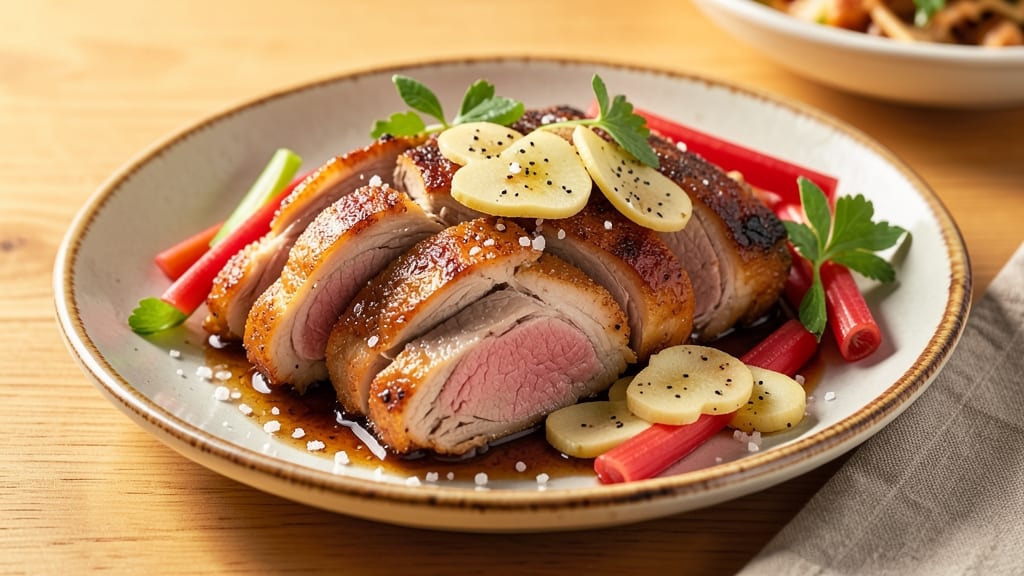
This cacoila pork recipe brings the rich, smoky-sweet flavors of Filipino comfort food to your table with crispy celery crowns that add texture and tradition. 🌟 I first tasted this dish at a family gathering in Manila, where the tender pork and caramelized glaze became an instant favorite.
The magic lies in balancing vinegar's tang with soy sauce's depth, creating a sauce that's both savory and slightly sweet.
What makes this recipe special is the crispy celery crowns—a signature touch that adds crunch and visual appeal. The pork marinates overnight in a blend of vinegar, soy sauce, and spices, ensuring maximum flavor penetration.
When braised, the meat becomes fork-tender while absorbing the aromatic sauce, creating a dish that's hearty yet refined.
By the time you serve this dish, you'll have perfectly tender pork with a glossy, caramelized glaze and crispy celery crowns that add a satisfying crunch. The combination of smoky, sweet, and tangy flavors makes it a standout main course that pairs beautifully with steamed rice.
This recipe delivers restaurant-quality results with a touch of cultural authenticity.
The beauty of cacoila is its versatility—it works as a centerpiece for family dinners or special occasions. The slow-cooked pork stays juicy, and the celery crowns add a festive touch. Let's bring this Filipino classic to your kitchen and create a dish that's as memorable as it is delicious.
Ingredients for cacoila pork
Pork shoulder, vinegar, and celery crowns—Filipino flavors with a crispy twist.
| Ingredient | Amount | Notes |
|---|---|---|
| Pork Shoulder 🥩 | 2 lb | Bone-in for flavor, cut into 2-inch chunks |
| White Vinegar 💧 | ½ cup | Distilled preferred for balance |
| Soy Sauce 🍶 | ½ cup | Light or all-purpose variety |
| Brown Sugar 🍚 | ¼ cup | Packed for accurate measurement |
| Celery Stalk 🧅 | 2 whole | Large, crisp variety for crowns |
| Fresh Ginger 🌿 | 2 tbsp | Finely grated, aromatic |
| Garlic Cloves 🧄 | 6 cloves | Peeled, minced for marinade |
| Black Peppercorns 🌶️ | 1 tsp | Freshly cracked for heat |
| Bay Leaves 🍃 | 2 whole | Dried, for aromatic depth |
| Olive Oil 🫒 | 2 tbsp | For crisping celery crowns |
| Salt 🧂 | 1 ½ tsp | Kosher or sea salt |
| White Pepper 🌶️ | ½ tsp | For subtle finish |
| Cornstarch 🌾 | 1 tbsp | For glaze thickening |
The pork shoulder is your secret weapon here. Bone-in cuts stay juicier, and the bone adds depth to the braise. Filipino markets often carry pre-cut pork shoulder, but the regular butcher section at Walmart or Kroger works too—just ask for a 2-pound cut with some fat cap. The celery should be firm and crisp, not woody. Look for thick stalks at the grocery store's produce section—Trader Joe's usually has great organic options. Fresh ginger and garlic? Penzeys Spices sells pre-grated ginger if you hate peeling, but fresh is always better for that bright zing.
No white vinegar? Rice vinegar or apple cider vinegar works in a pinch, but the flavor will be slightly different. Soy sauce substitutes: coconut aminos for gluten-free, but it'll lack that deep umami punch. Brown sugar too expensive? White sugar plus 1 tsp molasses mimics the depth. For the celery crowns, if you can't find thick stalks, use 4 smaller ones—just make sure they're crisp. The cornstarch is key for that glossy glaze—don't skip it, even if you're impatient. And if you're feeling fancy, toast the peppercorns in a dry pan for 30 seconds before grinding for extra aroma.
Marinate the pork overnight—24 hours max in the fridge, or the vinegar gets too harsh. The celery crowns? Make them fresh day-of—they lose crispness fast. Leftovers? This dish reheats beautifully—just add 1 tbsp water per serving to keep it moist. Keeps 4-5 days in the fridge, and freezes for 3 months if you portion it properly. I always make double batches—steamed rice becomes the perfect side, and the leftovers taste even better the next day as the flavors meld.
Why You'll Love This Recipe
- One-Pot Wonder: I swear by this—just toss the pork shoulder in a pot with vinegar, soy sauce, and brown sugar, then let it simmer. No chopping, no fussing, and the celery adds just enough texture without extra work.
- Sweet-Sour Magic: That balance of tangy vinegar and caramelized brown sugar? It’s what makes this dish ridiculously good. The pork stays juicy while the sauce clings like a flavor hug—no dry bites here.
- Budget Crowd-Pleaser: Pork shoulder is cheap, and this recipe stretches it into something hearty enough for a family dinner or potluck. Honestly, I’ve fed six people for under $15 with leftovers that taste even better the next day.
- Meal Prep MVP: Between us, this is my go-to for busy weeks. Cook a big batch, and you’ve got lunch or dinner covered for three days—just reheat and serve. The sauce thickens up perfectly, so it’s never soggy.
Step-by-step instructions for cacoila pork with crispy celery crowns
Here's how to make this Filipino crowd-pleaser with tender pork and irresistible sweet-savory glaze.
🍳 Step 1: Marinate the Pork Shoulder for Deep Flavor
In a large bowl, combine the 2 lb pork shoulder with 0.5 cup white vinegar, 0.5 cup soy sauce, 0.25 cup brown sugar, 2 tbsp fresh ginger, 6 minced garlic cloves, 1.5 tsp salt, 0.5 tsp white pepper, 1 tsp cracked black peppercorns, and 2 whole bay leaves. Use your hands to massage the marinade into every nook of the pork chunks - this ensures maximum flavor penetration.
Cover the bowl with plastic wrap and refrigerate for at least 4 hours (overnight is even better). The acidity from the vinegar will begin breaking down the proteins, while the soy and sugar create that signature sweet-savory balance. You'll know it's ready when the pork absorbs the marinade and smells irresistibly aromatic.
🔥 Step 2: Sear the Pork and Prep Celery Crowns
Preheat your oven to 325°F. Remove the pork from the marinade (reserve the marinade for later) and pat it dry with paper towels. Heat 1 tbsp olive oil in a large Dutch oven over medium-high heat. Working in batches, sear the pork chunks until deep golden brown on all sides - about 3-4 minutes per side. This step creates that beautiful caramelized crust that locks in juices.
While the pork sears, prepare the celery crowns by cutting off the leafy tops and reserving them. Cut the stalks into 1-inch thick rounds and heat the remaining 1 tbsp olive oil in a separate skillet over medium heat. Add the celery rounds and cook until golden brown and crispy on both sides - about 4-5 minutes per side. Set aside on paper towels to drain excess oil.
🥘 Step 3: Braise the Pork with Crispy Celery
Return all the seared pork to the Dutch oven. Pour in the reserved marinade and add the crispy celery crowns. Bring to a simmer over medium heat, then transfer to your preheated 325°F oven. Cover with a lid or foil and braise for 2.5-3 hours until the pork is fork-tender and easily pulls apart.
Here's the thing - don't peek! Every time you open the lid, you lose heat and moisture. The pork should have a deep caramelized glaze coating it by the end. You'll know it's done when the internal temperature reaches 203°F and the juices run clear when pierced with a fork.
🍳 Step 4: Thicken the Glaze and Finish
Remove the pork and celery crowns from the Dutch oven and transfer them to a serving platter. Place the Dutch oven on the stovetop over medium heat and stir in 1 tbsp cornstarch mixed with 2 tbsp water. Simmer for 2-3 minutes until the glaze thickens to a glossy, syrupy consistency that coats the back of a spoon.
Return the pork and celery to the Dutch oven, spooning the thickened glaze over everything. Let it sit for 5 minutes to allow the flavors to meld together. The final dish should have tender, pull-apart pork with a beautiful caramelized glaze and those crispy celery crowns adding texture contrast.
Pro Tips For Making Cacoila Pork
- Sear the Pork First: Hit that pork shoulder with a screaming-hot pan for 3-4 minutes per side before adding anything else—it locks in juices and builds flavor. I used to skip this, and the final dish always tasted flatter, like it was missing something.
- Cut Celery Like a Pro: Dice that celery stalk into thin matchsticks (about 1/8-inch thick) so it softens fast but still holds shape. Thick chunks turn mushy and ruin the texture—trust me, your mouth will notice.
- Don’t Rush the Vinegar: Let the white vinegar simmer uncovered for 5 minutes before adding the pork—this mellows its sharpness and deepens the sauce’s complexity. Skipping this step leaves the dish tasting raw and acidic.
- Use Less Sugar at First: Toss in only half the brown sugar with the pork, then add the rest later—this prevents burning and lets the vinegar-soy base develop first. My first batch was bitter because I dumped it all in too soon.
Health benefits of these flavors
Protein Powerhouse
This dish delivers a whopping 50 grams of protein per serving—perfect for muscle recovery or a high-protein meal. The pork shoulder is lean yet packed with amino acids that support tissue repair.
I always serve this at my farm after a long day of work—it keeps me fueled and satisfied for hours. 💪
Vinegar's Tangy Benefits
The white vinegar marinade isn't just for flavor—it contains acetic acid, which may help regulate blood sugar and improve insulin sensitivity. Plus, the acidity tenderizes the meat beautifully. I've found that using distilled vinegar gives the cleanest tang without overpowering the dish.
Ginger's Anti-Inflammatory Boost
Fresh ginger in this recipe isn't just aromatic—it's packed with gingerol, a compound with potent anti-inflammatory properties. Studies show it can help with digestion and even reduce muscle soreness. I keep a jar of freshly grated ginger in my fridge for quick access to this health-boosting ingredient.
Celery's Hydration Secret
Those crispy celery crowns are more than just garnish—they're hydrating! Celery is 95% water and contains potassium to help balance electrolytes. The crisp texture also aids digestion by stimulating saliva production. I always include celery in my meals because it's one of nature's most hydrating vegetables.
Soy Sauce's Umami Advantage
The soy sauce in this recipe provides isoflavones, plant compounds that may support heart health and bone strength. Light soy sauce has less sodium than dark varieties, making it a better choice for heart-conscious eaters. I prefer Filipino-style soy sauce for its deeper flavor profile.
Brown Sugar's Energy Balance
While we often think of sugar as unhealthy, the brown sugar here provides quick energy from its natural glucose content. The molasses in brown sugar also contains minerals like calcium and iron. I use it sparingly—just enough to balance the vinegar's acidity without overpowering the dish's savory notes.
Nutrition facts
Frequently asked questions
Can I use chicken or beef instead of pork for cacoila?
While pork is traditional, you can adapt this recipe for chicken thighs (braise 30-40 minutes less) or beef chuck roast (increase cooking time to 3.5-4 hours). For chicken, reduce the marinating time to 2-3 hours to prevent over-tenderizing. Beef will need more time to become fork-tender, so check at 3 hours and add 30 minutes if needed. The celery crowns and glaze technique remain the same!
Why does my cacoila glaze turn watery?
This usually happens from one of two things: overcooking (which breaks down the cornstarch) or not thickening properly. Always simmer the glaze on medium heat for just 2-3 minutes after adding cornstarch. For extra insurance, mix 1.5 tbsp cornstarch with 2 tbsp water instead of 1 tbsp. If it's already watery, simmer uncovered for 5-10 minutes to reduce it naturally.
How do I make this recipe gluten-free?
Swap the soy sauce for coconut aminos (use the same amount) and ensure your cornstarch is certified gluten-free. The flavor will be slightly different—coconut aminos have a more neutral taste—but the dish will still be delicious. For extra umami depth, add 1 tbsp fish sauce to the marinade. The crispy celery crowns remain gluten-free as long as you use pure olive oil for frying.
Can I prepare cacoila ahead of time?
This dish actually tastes better the next day as the flavors meld. Cook and refrigerate for up to 4 days. Reheat in a skillet with 1 tbsp water per serving to restore moisture. For make-ahead convenience, prepare the marinade and celery crowns 1 day ahead, then cook fresh. The pork can be marinated for up to 48 hours in the fridge—just don't exceed that time or the vinegar will become too harsh.
What's the best way to serve cacoila?
Traditionally, cacoila is served with steamed white rice to soak up the rich glaze. For a complete meal, add garlic sautéed greens (like spinach or bok choy) and a simple mango salsa to balance the savory flavors. In the Philippines, it's often accompanied by atchara (pickled papaya) for contrast. For a festive touch, garnish with toasted sesame seeds or fresh cilantro.